Plizio Visual Lab
Acropolis of Athens
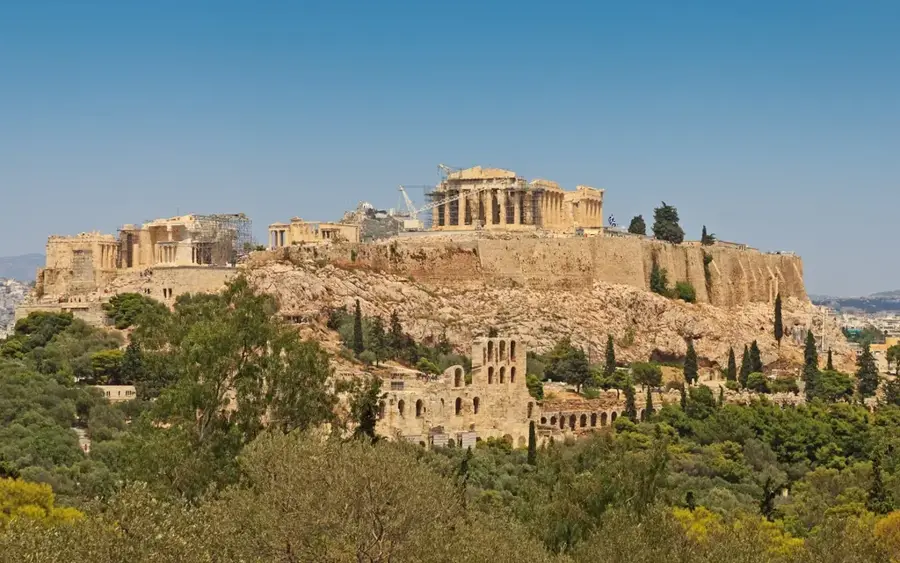
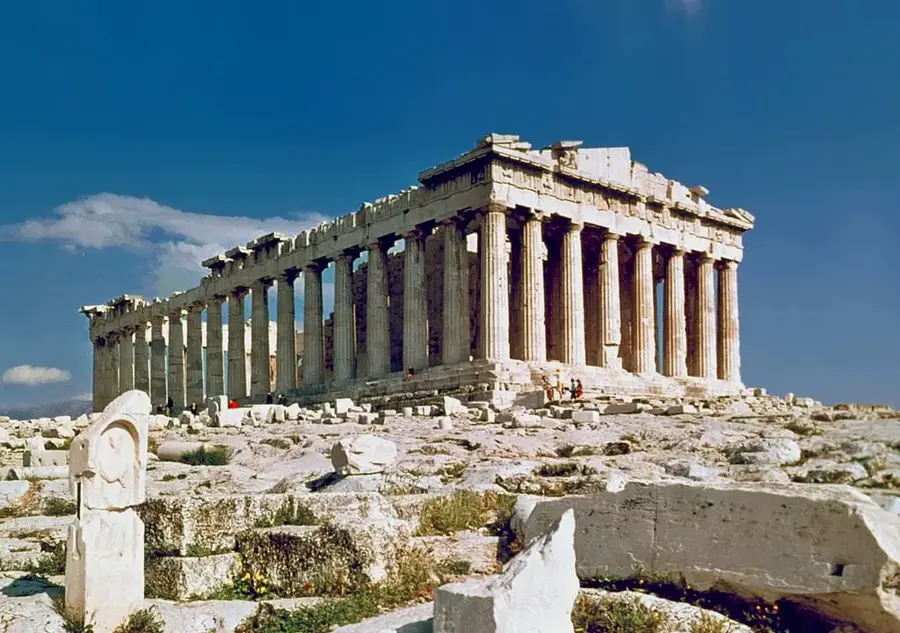
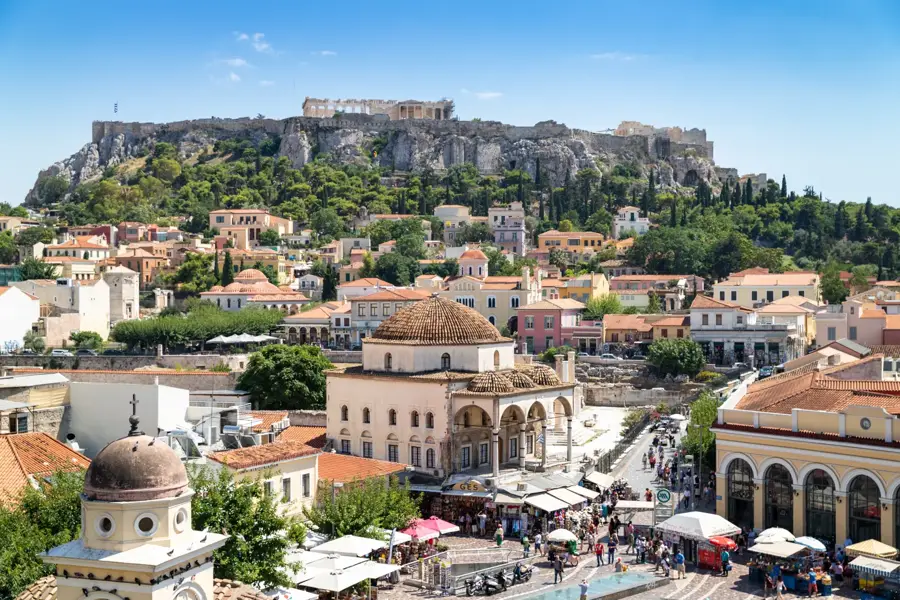
The Acropolis of Athens is the most famous citadel in the world and the ultimate symbol of Greek antiquity and democracy. Perched on a prominent limestone rock above the city, it houses masterpieces of classical architecture built in the 5th century BC under the direction of the statesman Pericles. The centerpiece is the Parthenon, a temple dedicated to Athena Parthenos, renowned for its excellent proportions and rich sculptural decoration. Other significant structures include the Erechtheion with its famous Caryatids, the Temple of Athena Nike, and the monumental Propylaea serving as the gateway. Over the millennia, the Acropolis has functioned as a fortress, a religious center, and even a palace, surviving numerous wars, sieges, and reconstructions. Despite severe damage, notably from an explosion in 1687, it remains a testament to the cultural and artistic zenith of Ancient Greece. Today, the site is a UNESCO World Heritage monument undergoing continuous restoration with state-of-the-art techniques to preserve its structural integrity for future generations.
- Location: Greece
- Top sights: Athena Promachos statue place · Bronze Foundries · Propylaea
- Nearby: South Athens (5 km)
Best time to visit & climate
The most pleasant time to visit is May, Sep, Oct.
| Jan | Feb | Mar | Apr | May | Jun | Jul | Aug | Sep | Oct | Nov | Dec | |
|---|---|---|---|---|---|---|---|---|---|---|---|---|
| Avg °C | 9 | 10 | 12 | 15 | 20 | 25 | 28 | 27 | 24 | 19 | 15 | 11 |
| Rain mm | 66 | 58 | 53 | 30 | 21 | 20 | 12 | 8 | 29 | 49 | 69 | 86 |
📋 Practical info
Geography
Facts
- The Parthenon was constructed in just 15 years between 447 and 432 BC.
- The Acropolis rock rises approximately 150 meters above sea level.
- In 1687, a Venetian shell exploded inside the Parthenon, which was being used as a powder magazine.
- Lord Elgin removed significant portions of the Parthenon frieze in the early 19th century.
- The Acropolis was added to the UNESCO World Heritage list in 1987.
- The Erechtheion marks the spot where Poseidon and Athena allegedly competed for the city.
Explore nearby
Notable places around



Route planner — Car & Motorhome
Where do you start? We build the route here, with stops and country notes along the way.
© OpenStreetMap contributors · OpenRouteService
Sights in the town Acropolis of Athens (10)
Archaic Fountain
Ancient fountain on the Acropolis, used during the Archaic period.
Aphrodite Temple
Foundations of a temple dedicated to Aphrodite on the Acropolis.
Old Parthenon
Foundation of the earlier Parthenon, destroyed by the Persians in 480 BC.
Arriforion
Building on the Acropolis, possibly used for storing ritual equipment.
Monument of Agrippa
Marble base of a statue of Marcus Agrippa near the Acropolis entrance.
Cave of Zeus Astrapaios
Natural cave in the Acropolis rock, dedicated to Zeus of the Lightning.
Sights nearby
Frequently asked questions
When is the best time to visit?
Is there an elevator for people with limited mobility?
Is photography allowed inside the Parthenon?
How long does an average visit take?
Is the Acropolis Museum included in the ticket?
Acropolis of Athens: where is it located?
Acropolis of Athens: what is there to see?
Acropolis of Athens: when is the best time to visit?
Acropolis of Athens: why is it worth visiting?

Nearby cities



History & landmarks