Plizio Visual Lab

Messara Plain
Plizio editorial teamData Sources
valley
—°1
Messara Plain (Greece)

Weather…

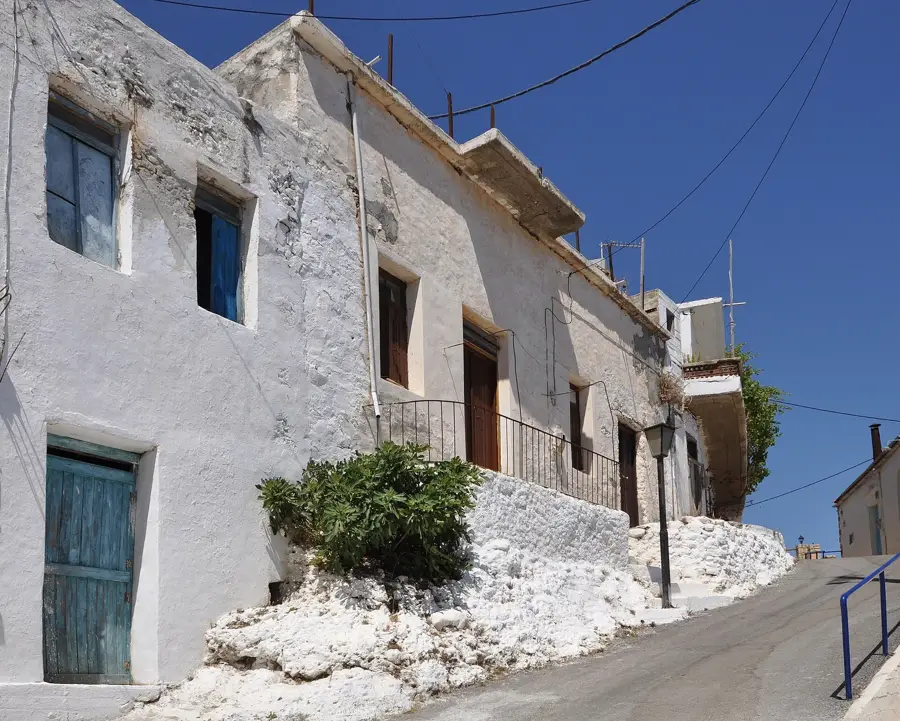
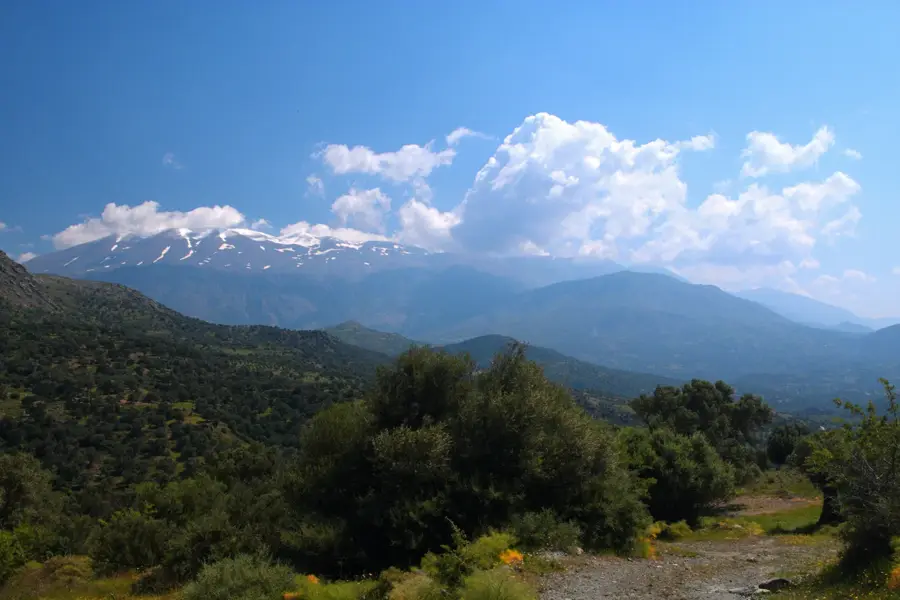
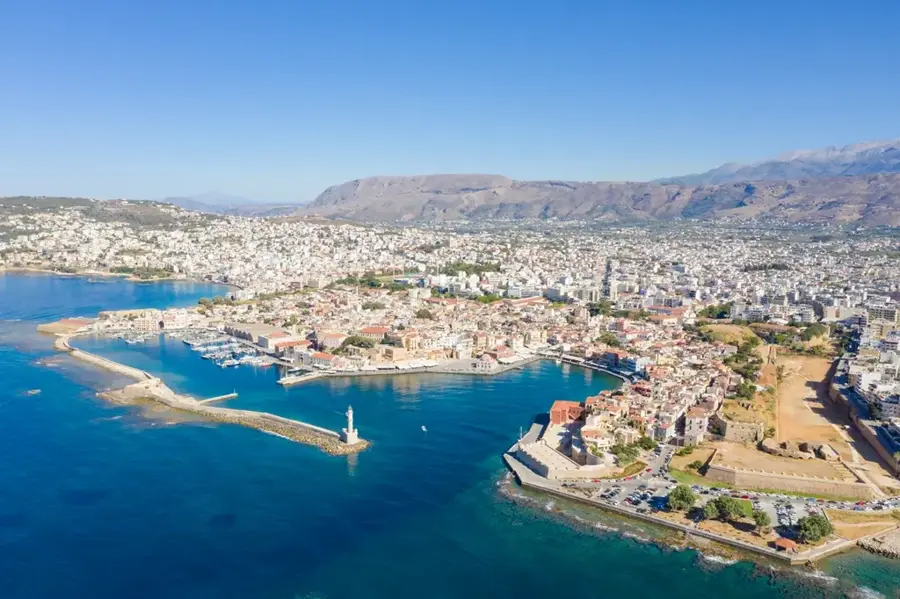
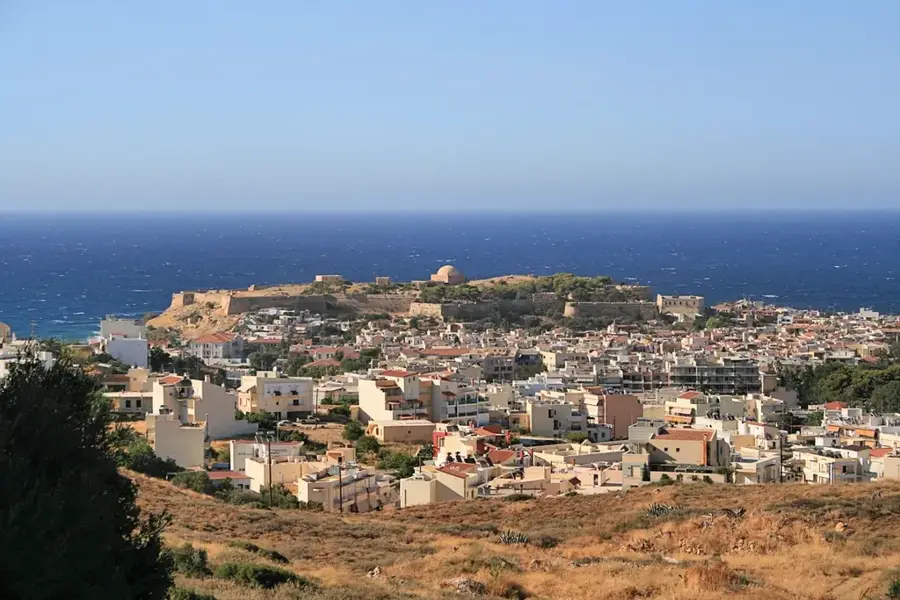
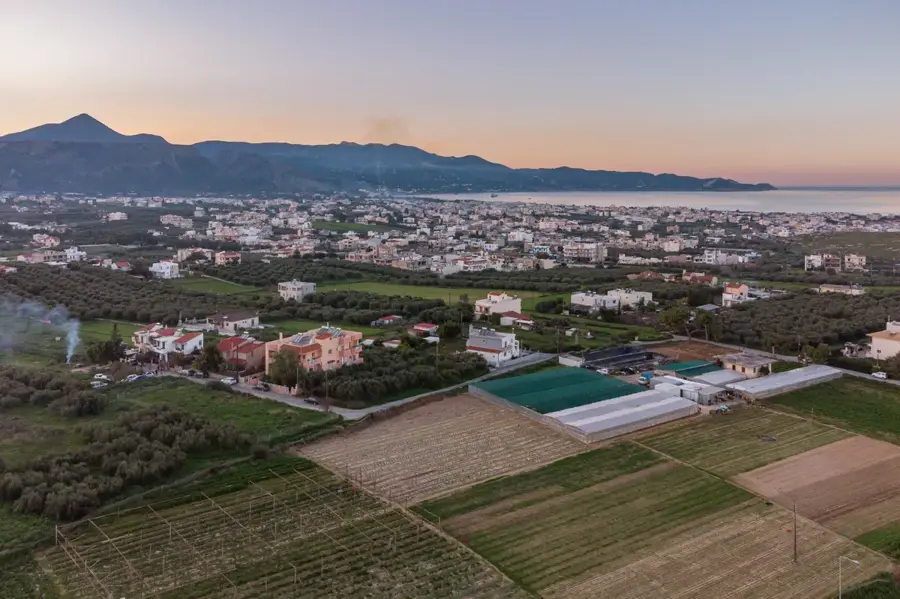
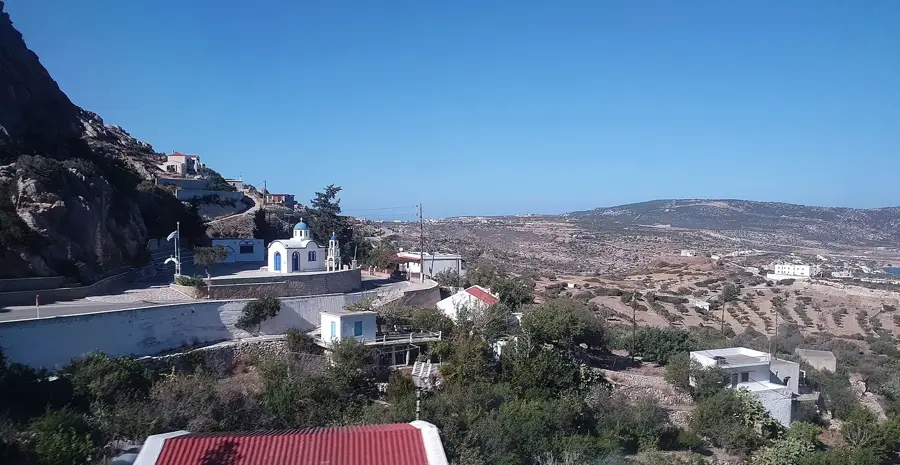
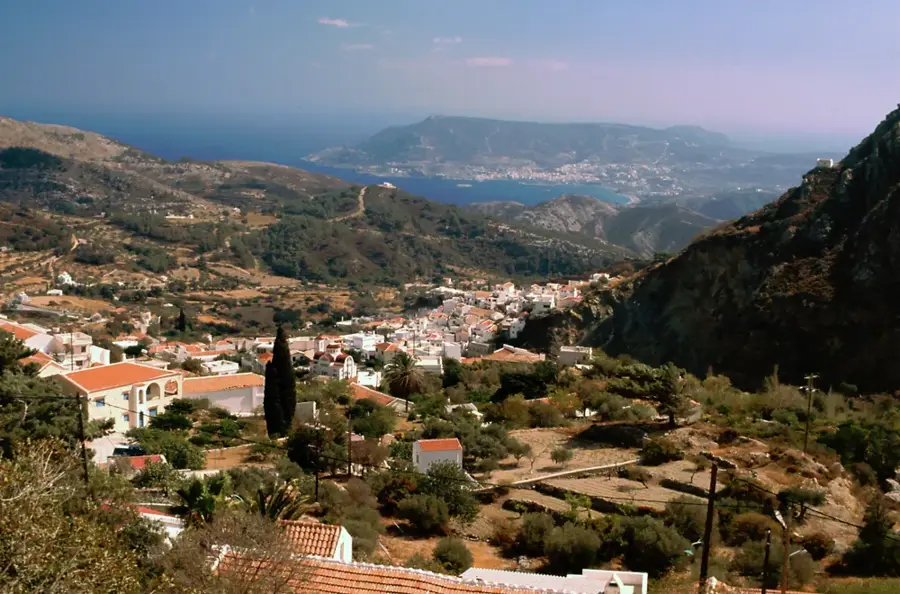
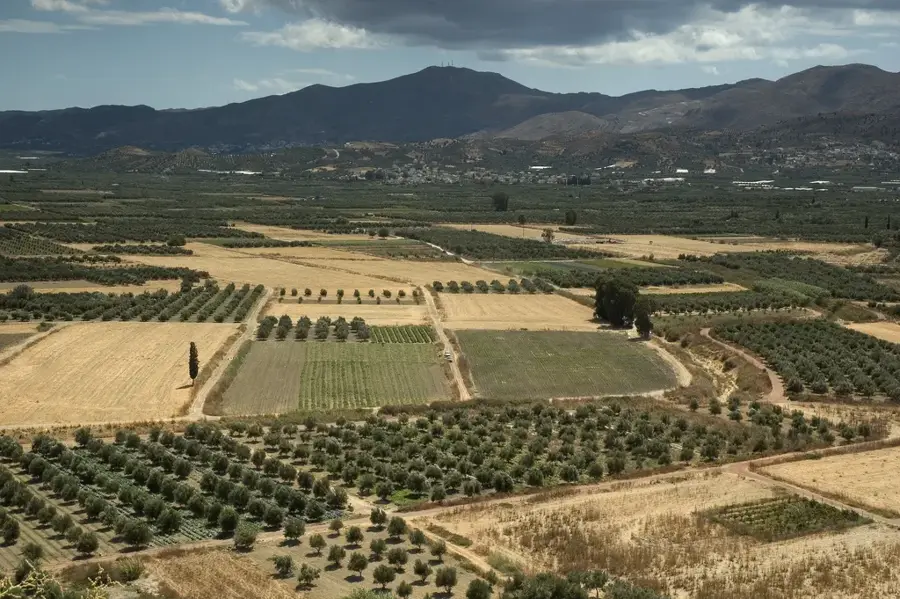
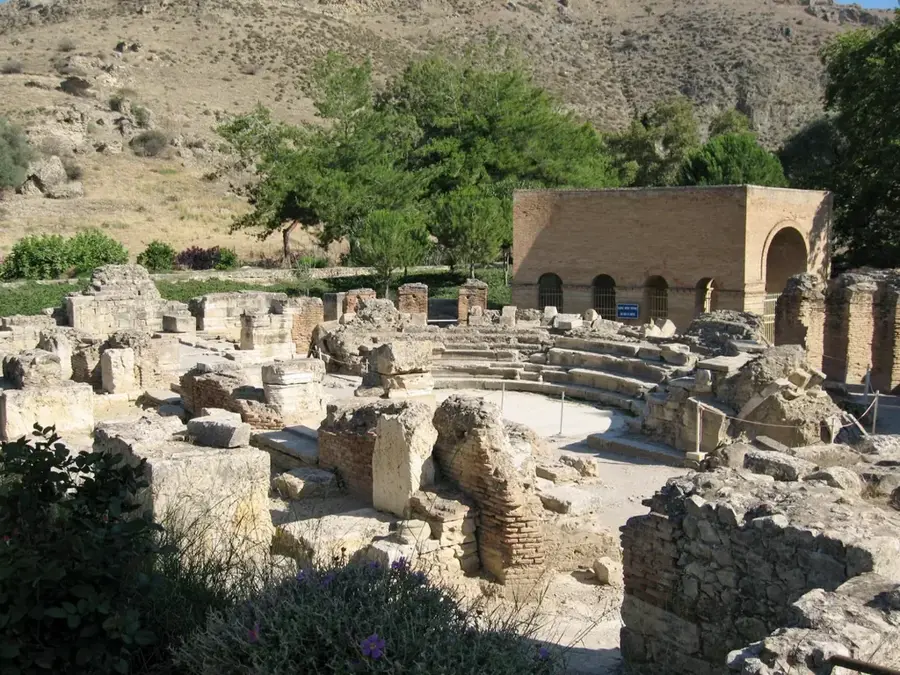
The Messara Plain is the largest alluvial plain on the island of Crete, extending for about 50 kilometers across the southern part of the Heraklion prefecture. Bordered by the imposing Ida Mountains to the north and the Asterousia Mountains to the south, it enjoys a sheltered, nearly subtropical microclimate. The plain has been inhabited since Neolithic times and served as a major economic center for the Minoan civilization, evident in the palace ruins of Phaistos and Agia Triada. Geologically, it is a tectonic graben filled with rich sediments deposited by the Geropotamos River over millennia. During the Roman era, Gortyn, the capital of the province of Creta et Cyrenaica, was the administrative heart of the region. Today, Messara is Crete's primary agricultural region, renowned for its extensive olive groves, vineyards, and greenhouse vegetable production. Its strategic location also provides access to the famous southern coastal resorts like Matala.

Best time to visit & climate

The most pleasant time to visit is May, Jun, Oct.

JanFebMarAprMayJunJulAugSepOctNovDec
Avg °C121213162024272725211713
Rain mm10187452918534185069103

📋 Practical info

🧭
Getting there
The plain is primarily accessible by car or regional buses from Heraklion, with roads traversing the vast agricultural landscape. Most visitors explore the region while driving between the coastal towns and ancient ruins of southern Crete.
📅
Best season
Spring and early autumn are generally the most comfortable seasons to visit, offering mild temperatures and lively natural colors. Summers here are typically quite hot, making midday exploration in the open plains significantly less good.
⛰️
Terrain & paths
Expect mostly flat, paved or well-trodden dirt roads that are very easy to navigate by vehicle or bicycle. Walking is generally confined to local farm tracks and the specific, easily accessible archaeological sites scattered throughout the valley.
🎒
What to bring
Sun protection is essential since shaded areas are notably rare in these vast, open agricultural expanses. Bring plenty of drinking water, a wide-brimmed hat, and comfortable walking shoes for exploring the surrounding rural and historical areas.
🅿️
Parking
You can usually find free parking in the small towns and agricultural villages dotted across this large, open hub. Dedicated and clearly marked spots are also typically available near the major historical ruins found scattered across the region.
⚠️
Safety
The area is extremely safe, though drivers should remain alert for slow-moving farm machinery on the narrow rural roads. Heatstroke is the primary health risk during the peak summer months, making proper and frequent hydration absolutely crucial.
⏱️
Time needed
A scenic drive through the valley usually takes a couple of hours, though stopping at local villages or ruins easily extends this. Many travelers seamlessly incorporate this area into a broader, full-day exploration of the southern coast of Crete.

Geography

Coordinates
35.05220, 24.87110

Facts

  • The plain covers an area of approximately 350 square kilometers.
  • Phaistos palace was built on a hill overlooking the western plain.
  • The Geropotamos River provides essential irrigation for the region.
  • Gortyn was the capital of Crete during the Roman period.
  • Messara is one of the most productive olive oil regions in the world.
  • The plain is approximately 50 kilometers long and 7 kilometers wide.

Explore nearby

Notable places around
Route planner — Car & Motorhome

Where do you start? We build the route here, with stops and country notes along the way.

Vehicle
Only stops with (optional):

© OpenStreetMap contributors · OpenRouteService

Sights in the town Messara Plain (1)

Rouvas caves🏺 historical

Rouvas Caves in the Messara Plain are a cave network known for Neolithic artifacts.

🕒 24/7🆓

Sights nearby

Frequently asked questions

Where is the Messara Plain located?
In the south of the island of Crete, in the Heraklion regional unit.
What is the archaeological significance?
It is home to Phaistos, Crete's second-largest Minoan palace, and the ancient city of Gortyn.
What is grown in the plain?
It is one of Greece's most fertile regions, famous for olive oil, wine, and vegetables.
Are there beaches nearby?
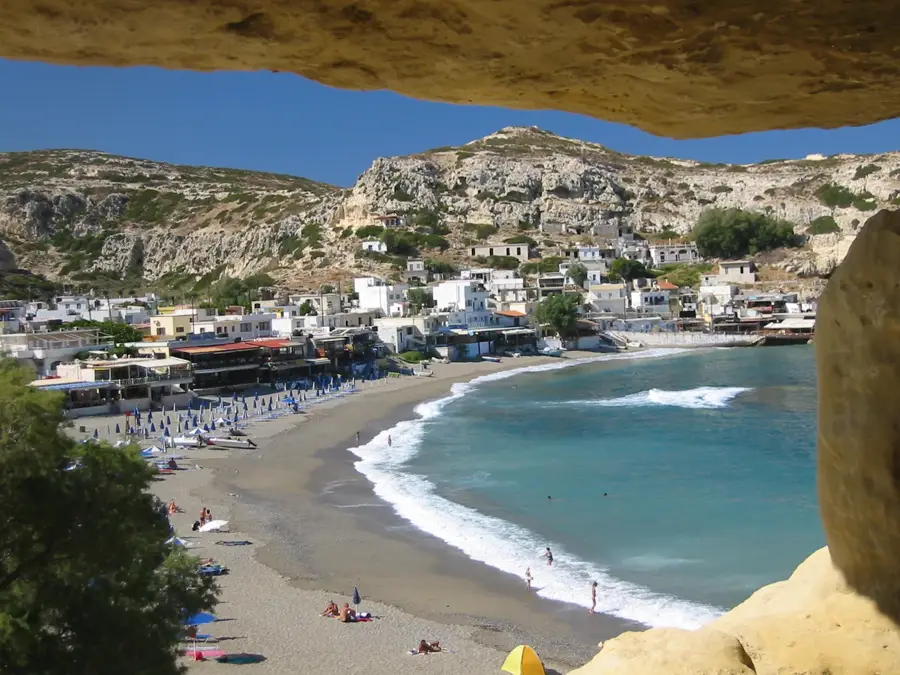
Yes, the famous Matala beach with its artificial caves is located at the western end of the plain.
What is the climate like there?
It is very hot and dry in summer, often one of the warmest regions in Crete.
Messara Plain: where is it located?
Messara Plain is located in Greece.
Messara Plain: when is the best time to visit?
The most pleasant time to visit is May, Jun, Oct.
Messara Plain: why is it worth visiting?

The Messara Plain is the largest alluvial plain on the island of Crete, extending for about 50 kilometers across the southern part of the Heraklion prefecture.
View on map → The Top 50 Attractions → Most beautiful beaches → OpenStreetMap →
Europe
Explore with Plizio Discover more places in Europe
More places in Greece →

Nearby cities

History & landmarks