Plizio Visual Lab

Marathon Battlefield
Plizio editorial teamData Sources
battlefield
—°6
Marathon Battlefield (Greece)

Weather…

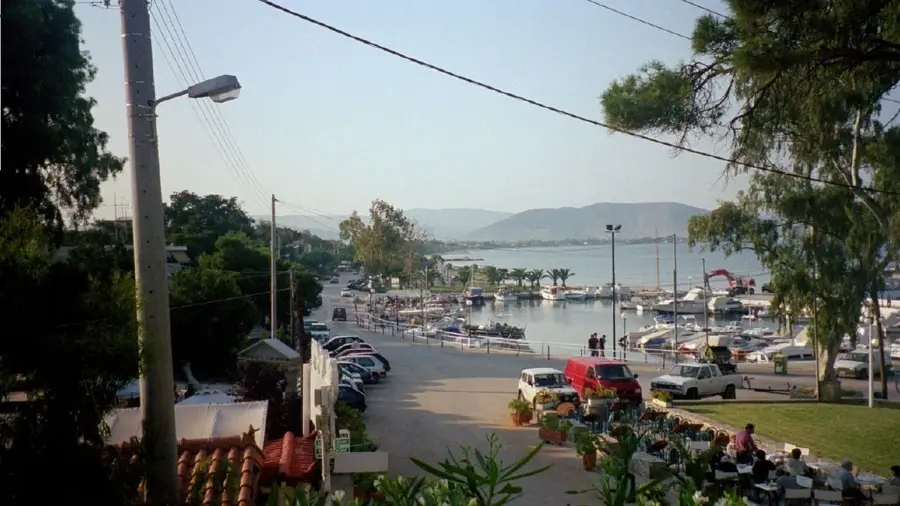
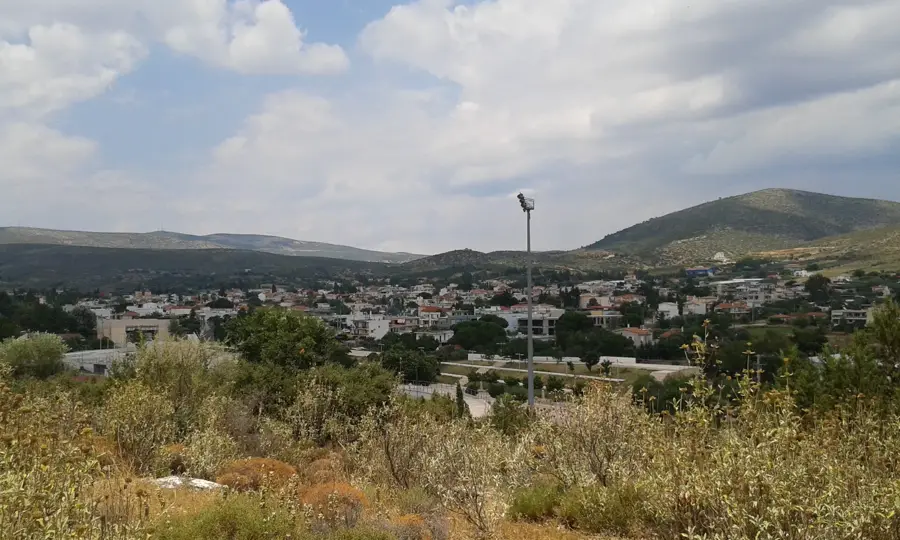
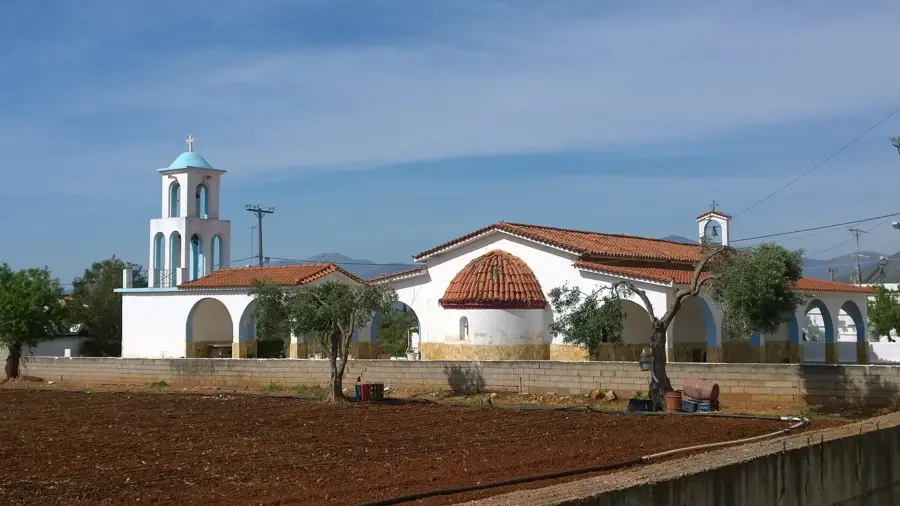
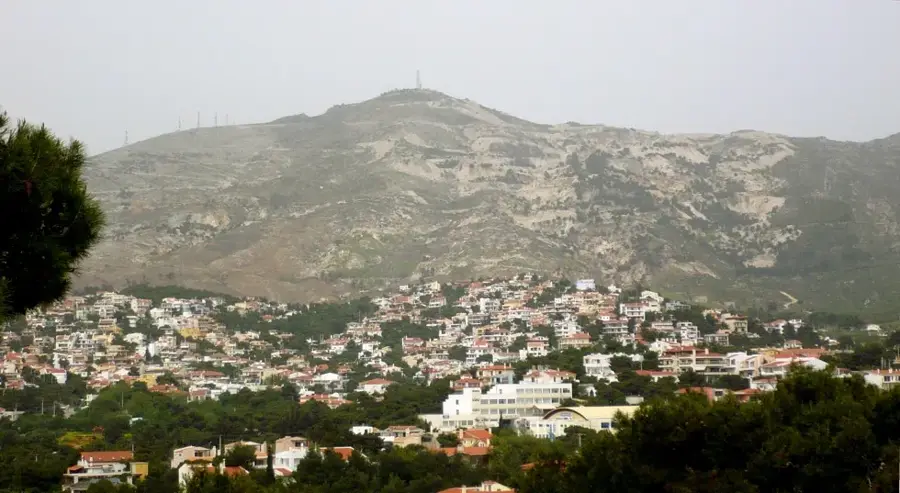
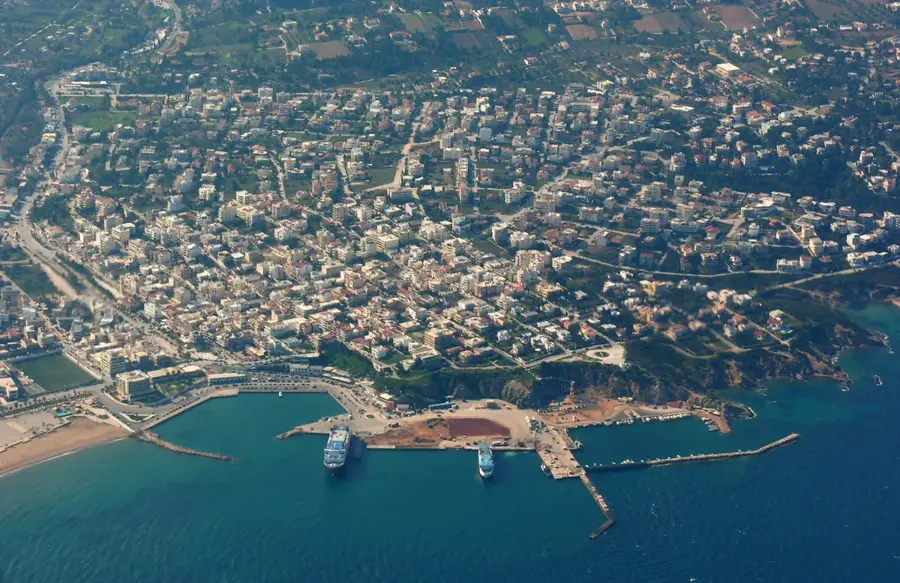
Marathon is a coastal plain in eastern Attica, famous as the site of one of the most pivotal battles in human history. In 490 BC, a heavily outnumbered Athenian force led by Miltiades defeated the invading Persian army of King Darius I. This victory secured the independence of the Greek city-states and allowed the subsequent flowering of Classical Greek culture and democracy. The most significant monument at the site is the 'Soros', a nine-meter-high burial mound containing the remains of the 192 Athenians who died in the battle. According to legend, the messenger Pheidippides ran the distance to Athens to deliver news of the victory, collapsing and dying upon arrival, an event that inspired the modern marathon race. The archaeological area also includes a museum and the Trophy of Marathon, marking where the Persian retreat began. Today, the area is also known for the Marathon Lake and its dam, which served as the primary water source for Athens for decades. The plain remains a powerful reminder of the strategic maneuvers that led to the triumph of the Greek phalanx.

Best time to visit & climate

The most pleasant time to visit is May, Sep, Oct.

JanFebMarAprMayJunJulAugSepOctNovDec
Avg °C91012152025282724191511
Rain mm66585330212012829496986

📋 Practical info

🚪
Visiting
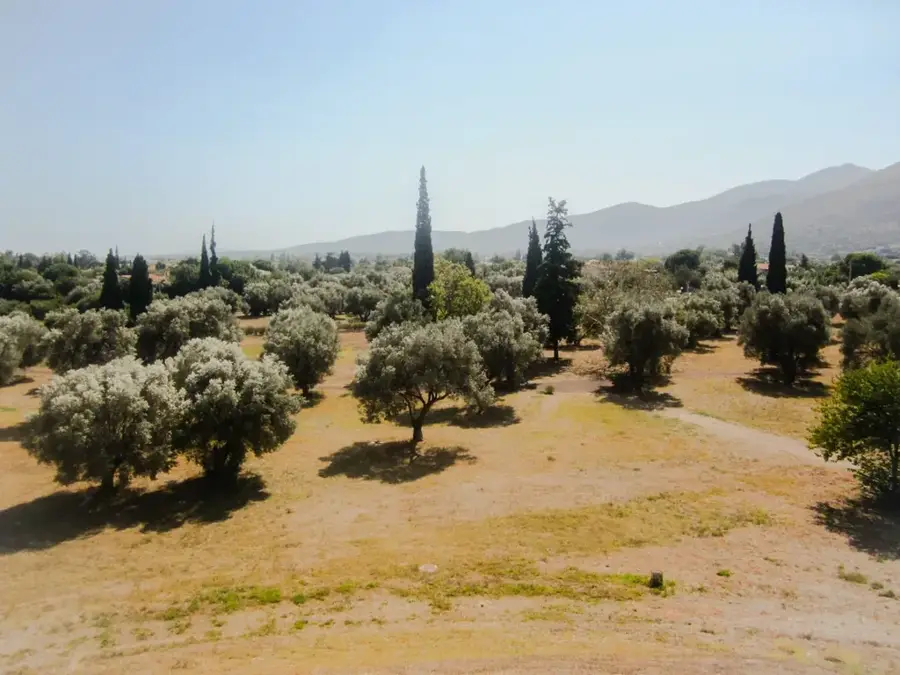
The historic plain of Marathon can be visited year-round, offering open access to the vast landscape where the famous ancient battle took place. The primary points of interest, including the prominent burial mound of the Athenians, are located outdoors and require some walking across the surrounding fields.
🕒
Typical hours
Access to the general battlefield plain is typically unrestricted during daylight hours, while specific enclosed archaeological sites usually operate on standard daytime schedules. It is highly recommended to plan your visit for the early morning or late afternoon to avoid the intense midday heat and glare.
📷
Photography
Photography is widely permitted across the open landscape, capturing the serene environment that starkly contrasts with its violent historical past. Wide-angle lenses are particularly beneficial for attempting to convey the sheer scale and profound historical weight of the expansive battleground.
⏱️
Time needed
A comprehensive visit to the plain, including the surrounding monuments and any nearby educational facilities, typically takes around two to three hours. Visitors should factor in additional time if they plan to walk extensively along the original route towards the modern coastal settlement.
Combine with
Many travelers choose to combine their exploration of the ancient battlefield with a visit to the nearby Archaeological Museum of Marathon for deeper context. Exploring the modern town of Marathon or relaxing at the nearby Schinias National Park and its pleasant beach makes for a well-rounded day trip.
🧭
Getting there
The area is most conveniently reached by private vehicle or rental car from Athens, utilizing the main highway network towards the northeastern coast of Attica. Regional public buses also connect the capital to the municipality of Marathon, though having a car gives much greater flexibility for exploring the dispersed sites.
💡
Insider tip
Before arriving at the large open expanse, downloading an offline map or bringing a reliable guidebook is highly recommended to identify the exact troop formations and movements. Historical markers in the landscape can occasionally be sparse, so having independent orientation materials greatly enriches the understanding of the site.

Geography

Coordinates
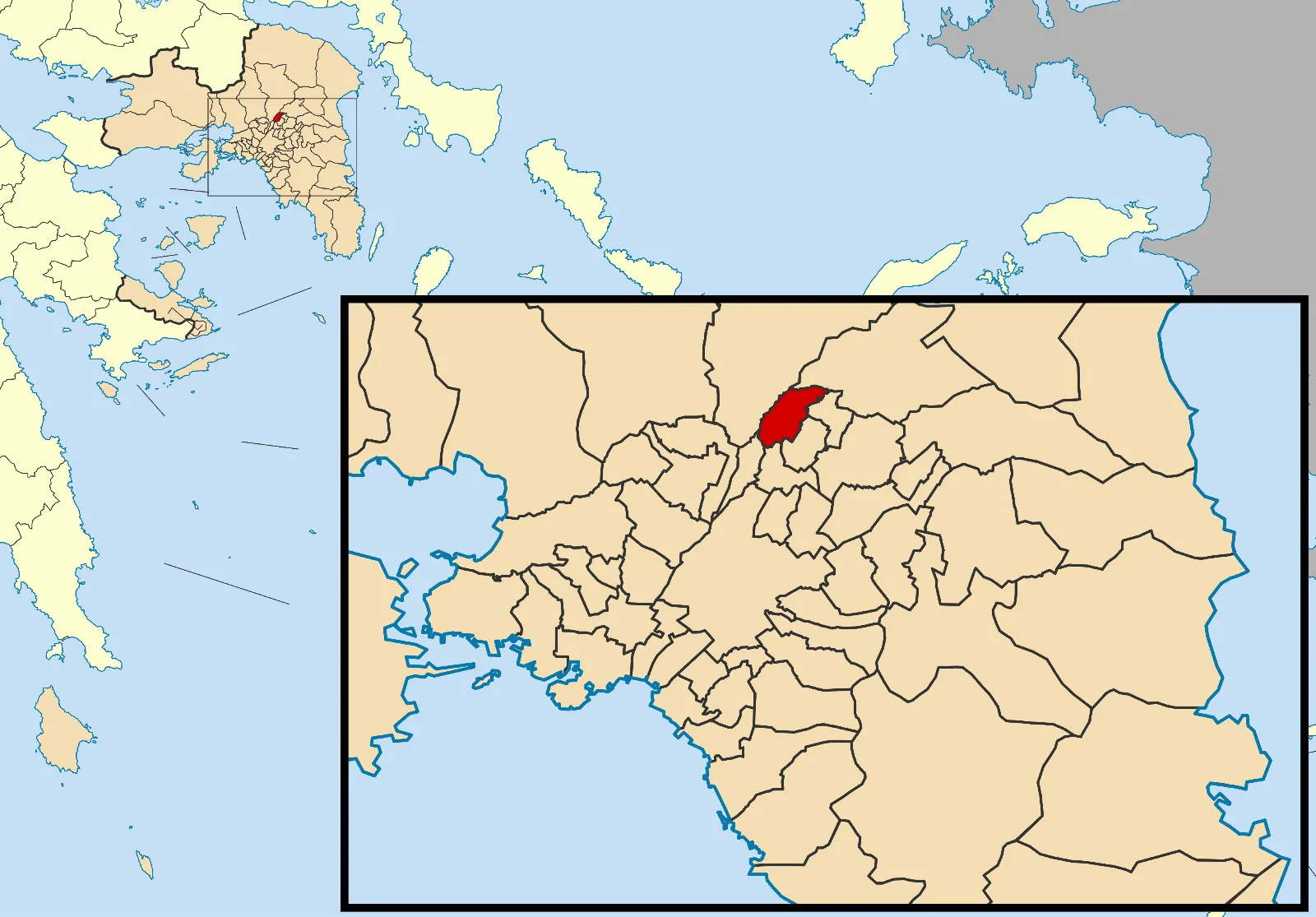
38.11760, 23.97830

Facts

  • The Battle of Marathon took place in September 490 BC.
  • The Athenians lost 192 men, while the Persians suffered approximately 6,400 casualties.
  • The Athenian burial mound (Soros) has a circumference of about 185 meters.
  • The official marathon distance of 42.195 km was established during the 1908 London Olympics.
  • Miltiades employed a strategy of thinning his center and strengthening his flanks to envelop the enemy.
  • A separate burial mound exists for the Plataeans, who were the only allies to fight with Athens.

Explore nearby

Notable places around
Route planner — Car & Motorhome

Where do you start? We build the route here, with stops and country notes along the way.

Vehicle
Only stops with (optional):

© OpenStreetMap contributors · OpenRouteService

Sights in the town Marathon Battlefield (6)

Marathon Archaeological Area

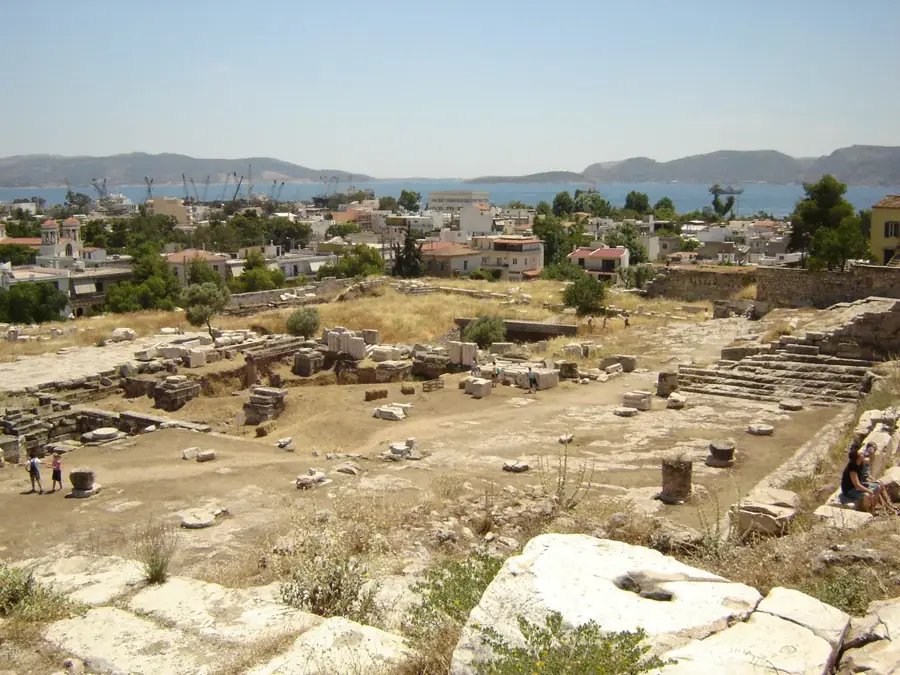
The Marathon archaeological area includes the burial mound of the Athenians from the 490 BCE battle.

Tomb of the Athenians

The burial mound of the Athenians at Marathon is the resting place of those who fell in 490 BCE.

Tower of Marathon B🏰 castle

A tower in Eastern Attica, part of an ancient fortification.

Amphitheatre

An amphitheatre in Marathon, used for cultural events.

Archaeological Site at Plasi of Marathon

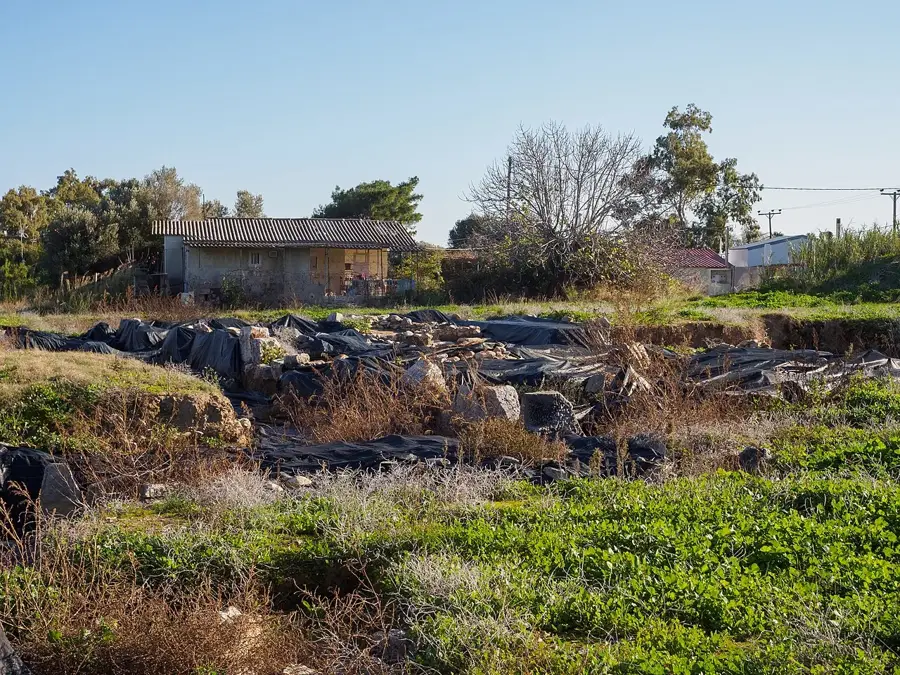
Excavation site in Attica, about 4 km southeast of the town of Marathon.

Tumulus of the Plataeans

The burial mound of the Plataeans at Marathon commemorates the fallen allies of the Athenians.

Sights nearby

Frequently asked questions

What is the most important sight in Marathon?
The Burial Mound of the Athenians (Tymvos), erected after the battle in 490 BC.
Is there a museum there?
Yes, the Archaeological Museum of Marathon displays finds from the region.
Where does the modern marathon race begin?
The classic race starts at the Marathon Start Venue and ends at the Panathenaic Stadium in Athens.
Can you visit the Marathon reservoir?
Yes, the marble dam is impressive and accessible to visitors.
Is the battlefield extensive?
The today's plain is mostly built up or agricultural; the mound is the fixed point.
Marathon Battlefield: where is it located?
Marathon Battlefield is located in Greece.
Marathon Battlefield: what is there to see?
Highlights include Marathon Archaeological Area, Tomb of the Athenians, Tower of Marathon B.
Marathon Battlefield: when is the best time to visit?
The most pleasant time to visit is May, Sep, Oct.
Marathon Battlefield: why is it worth visiting?

Marathon is a coastal plain in eastern Attica, famous as the site of one of the most pivotal battles in human history.
View on map → The Top 50 Attractions → Most beautiful beaches → OpenStreetMap →
Europe
Explore with Plizio Discover more places in Europe
More places in Greece →

Nearby cities

History & landmarks