Plizio Visual Lab

Tano Basin
Plizio editorial teamData Sources
Relief
—°1
Tano Basin (Ghana)

Weather…

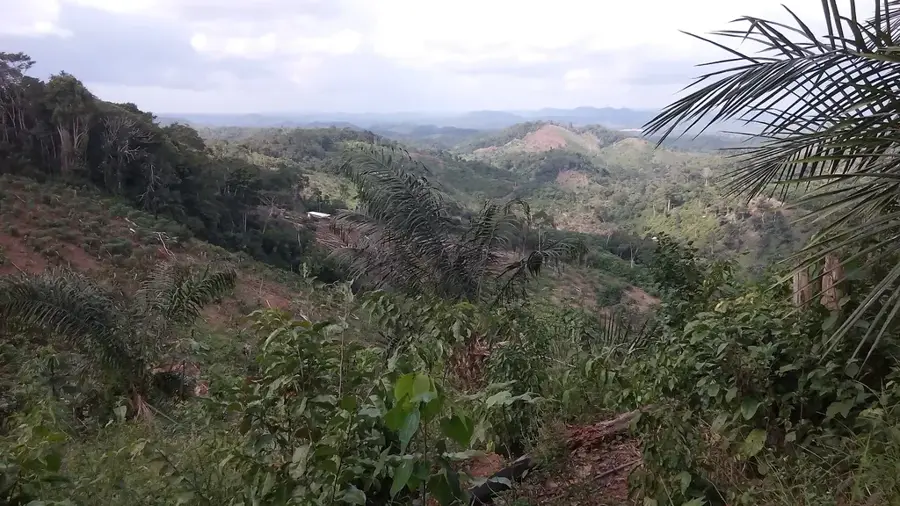
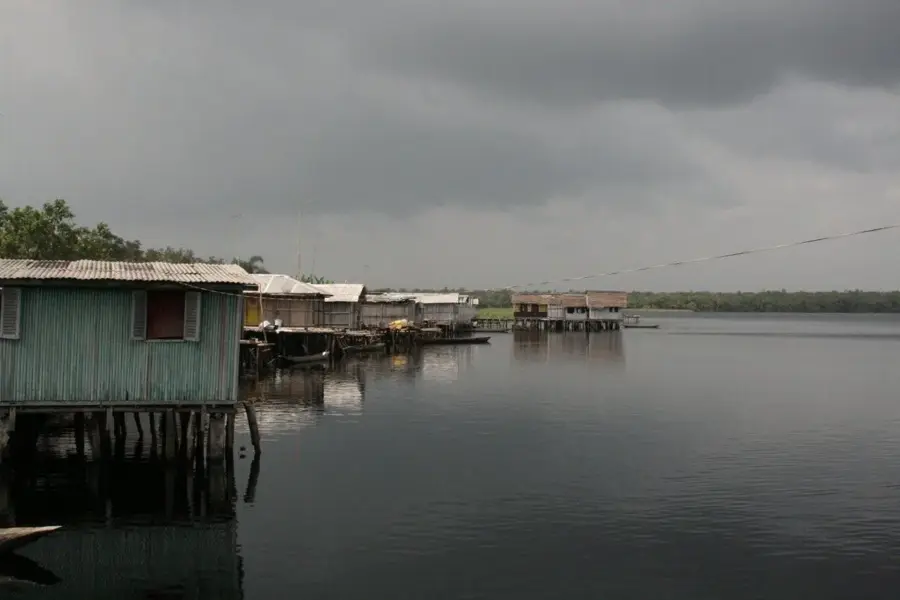
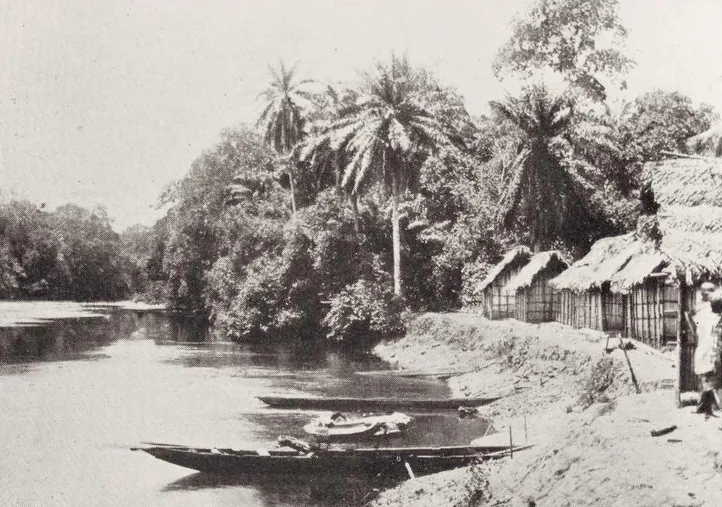
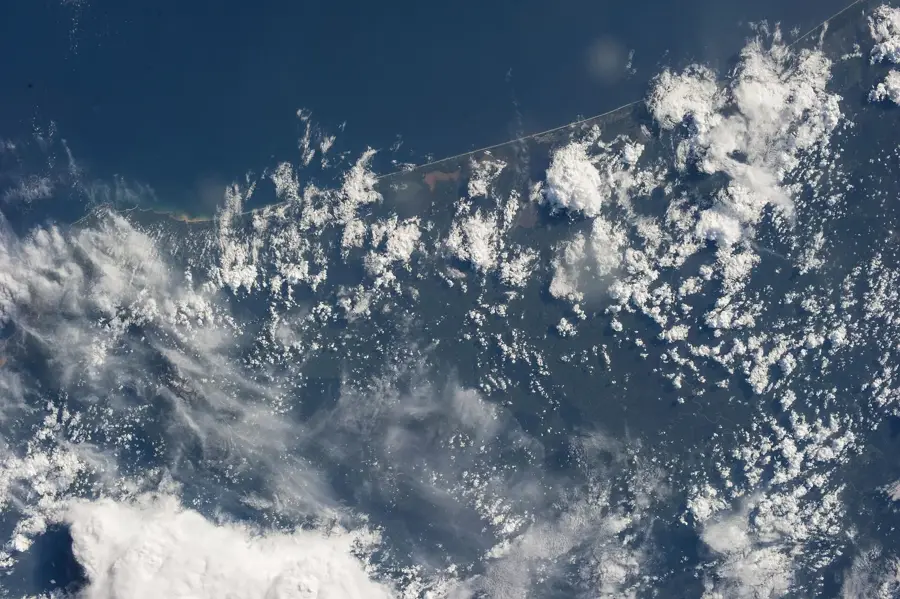
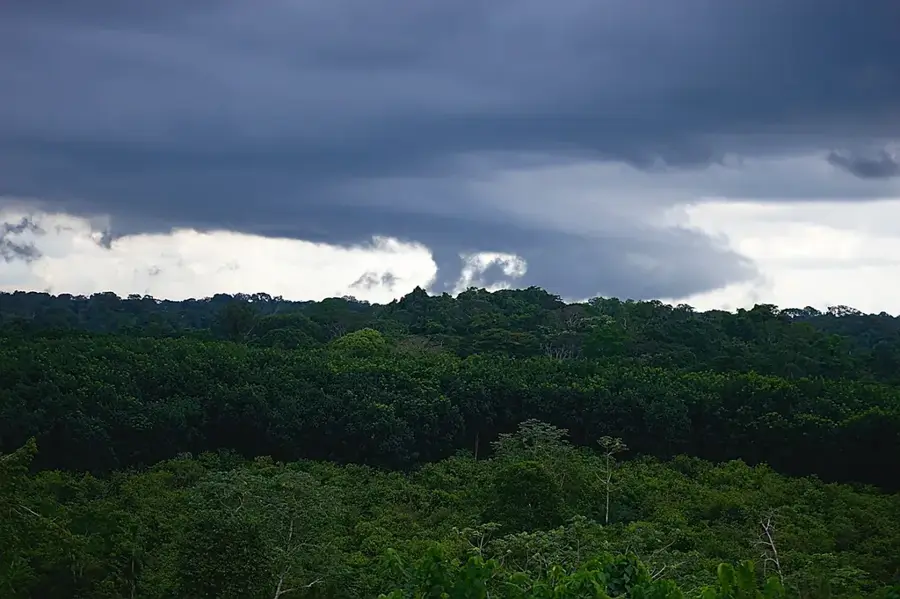
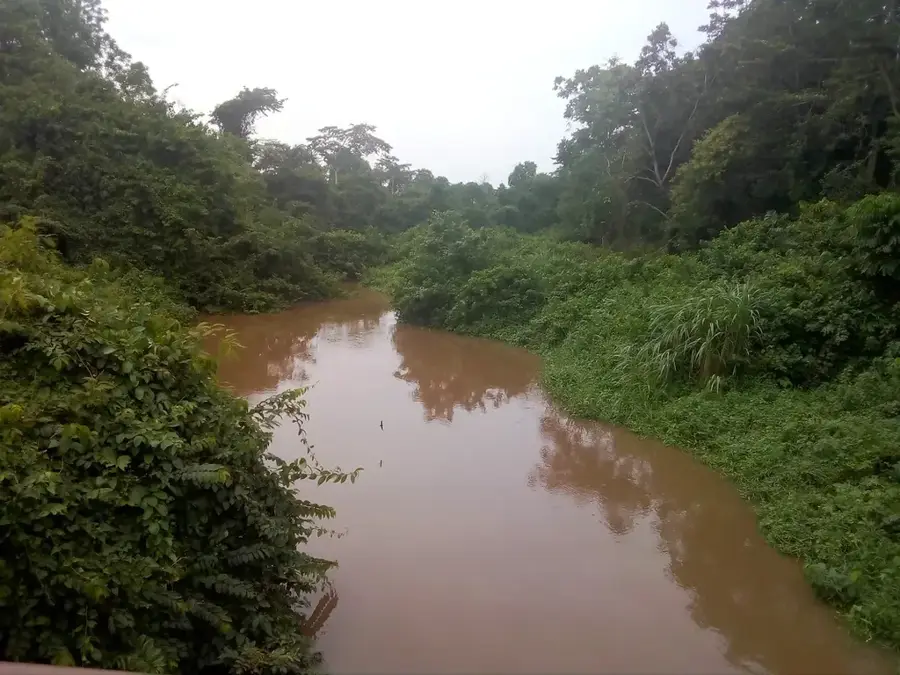
The Tano Basin spans southwestern Ghana and parts of Ivory Coast, forming a critical hydrographic system centered on the Tano River. Flowing for approximately 400 kilometers, the river drains into the Aby Lagoon before reaching the Atlantic Ocean. The basin is characterized by dense tropical rainforests and fertile alluvial soils that have historically supported dense human settlements and agriculture. In the pre-colonial era, the region was a focal point for gold mining and the expansion of Akan forest kingdoms. Currently, the basin is a cornerstone of the regional economy, hosting vast plantations of cocoa, rubber, and oil palm, alongside significant bauxite deposits. Geologically, it sits atop the ancient Birimian System rocks, which are renowned for their rich mineral wealth, including gold and diamonds. With annual rainfall often exceeding 1,500 millimeters, the basin remains one of the most ecologically diverse and economically productive regions in West Africa.

Best time to visit & climate

The most pleasant time to visit is Jan, Aug, Dec.

JanFebMarAprMayJunJulAugSepOctNovDec
Avg °C272827272625242425252627
Rain mm30651351602052691246413322611441

📋 Practical info

🧭
Getting there
The Tano Basin in southwestern Ghana is usually accessed via regional roads from Kumasi or Sunyani heading towards the border with Côte d'Ivoire. Travel is typically undertaken by private 4x4 vehicles or local intercity buses.
📅
Best season
The dry season from November to March is the best time for a visit; during the rainy season from April to October, humidity is extremely high. Paths can become very muddy and difficult to navigate during the peak of the tropical rains.
⛰️
Terrain & paths
The terrain consists of a humid lowland basin with lush vegetation, undulating hills, and numerous small watercourses crossing the area. The ground is often soft, and the jungle growth can be very dense and impenetrable away from main paths.
🎒
What to bring
Lightweight, breathable clothing and waterproof hiking boots are necessary; insect repellent is essential due to the high mosquito presence. A waterproof bag for electronic devices will help protect them from the intense humidity and sudden rain showers.
🅿️
Parking
Secure parking is mostly found in larger towns like Enchi or Asankragua at local guesthouses or police stations. There are few formal parking areas within the basin itself, so it is best to leave vehicles in base towns and use local transport.
⚠️
Safety
High humidity can quickly lead to exhaustion; stay well-hydrated and monitor for any signs of heat-related illness. Be cautious near forested areas regarding tropical insects and be mindful of slippery paths along the banks of small streams.
⏱️
Time needed
Due to the vastness of the area and travel conditions, a stay of 2 to 3 days is recommended to properly experience the region. Many visitors integrate the exploration of the basin into a longer journey through western Ghana.

Geography

Coordinates
5.50000, -2.50000

Facts

  • Total length of the Tano River is roughly 400 km
  • Annual rainfall often exceeds 1,500 mm
  • Drains into the Aby Lagoon on the coast
  • Major region for bauxite and gold extraction
  • Geologically composed of Birimian system rocks
  • Central hub for Ghana's cocoa production

Explore nearby

Notable places around

Route planner — Car & Motorhome

Where do you start? We build the route here, with stops and country notes along the way.

Vehicle
Only stops with (optional):

© OpenStreetMap contributors · OpenRouteService

Sights in the town Tano Basin (1)

Western Region (Ghana)📍 landmark

Western Region is an administrative region of Ghana along the Atlantic coast, known for its mineral resources.

Sights nearby

Frequently asked questions

What is the Tano Basin?
An important river basin in western Ghana, known for agriculture and mineral resources.
What raw materials are extracted there?
There are significant gold deposits and potential for offshore oil and gas extraction.
What is farmed in the Tano Basin?
Cocoa, rubber, and oil palm are the main agricultural products.
Are there tourist destinations along the Tano River?
Some sections offer ecotourism opportunities and boat trips in untouched nature.
What is the landscape like?
Predominantly flat land with dense tropical forest and numerous tributaries.
Tano Basin: where is it located?
Tano Basin is located in Ghana.
Tano Basin: when is the best time to visit?
The most pleasant time to visit is Jan, Aug, Dec.
Tano Basin: why is it worth visiting?
The Tano Basin spans southwestern Ghana and parts of Ivory Coast, forming a critical hydrographic system centered on the Tano River.
View on map → The Top 50 Attractions → OpenStreetMap →
Africa
Explore with Plizio Discover more places in Africa
More places in Ghana →

Nearby cities

History & landmarks

Nature
More places