Plizio Visual Lab
Kumasi
ℹ️Practical info — Kumasi
▾
🌤 Weather — 5 days
📍 Nearby
Sights nearby
💡 Tips
- Kejetia Market is vast and labyrinthine; hiring a local guide can prevent you from getting lost.
- Always negotiate your taxi fare before getting in.
- Respect local Ashanti traditions, especially near the Manhyia Palace.
- Tro-tros (minibuses) are cheap but crowded and lack fixed schedules.
🍽 Food
A Ghanaian staple of pounded cassava. Best experienced in local chop bars around the market areas.
Spicy fried plantain chunks. A popular street food snack, especially easy to find in the evenings.
A hearty rice and bean dish. Frequently served for breakfast or lunch at small roadside stands.
🛍 Shopping · 🧘 Quiet spots
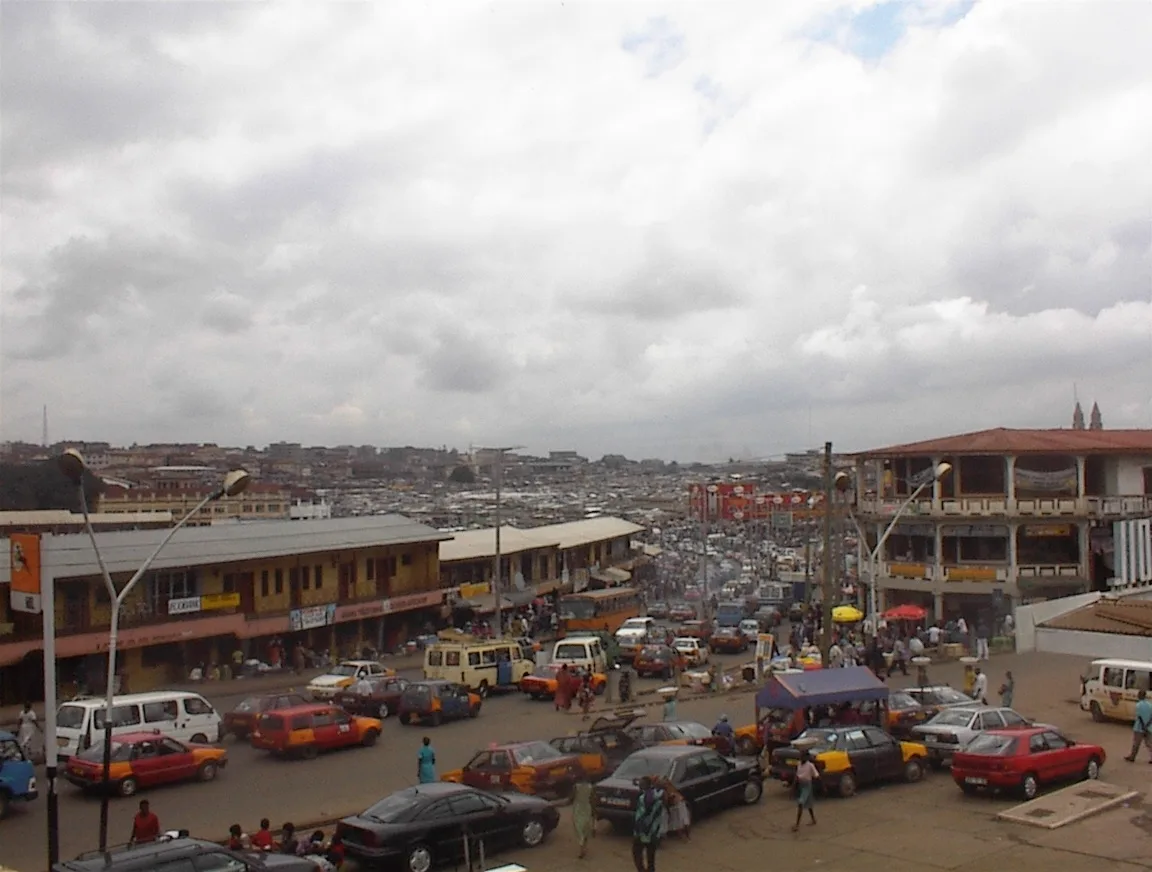
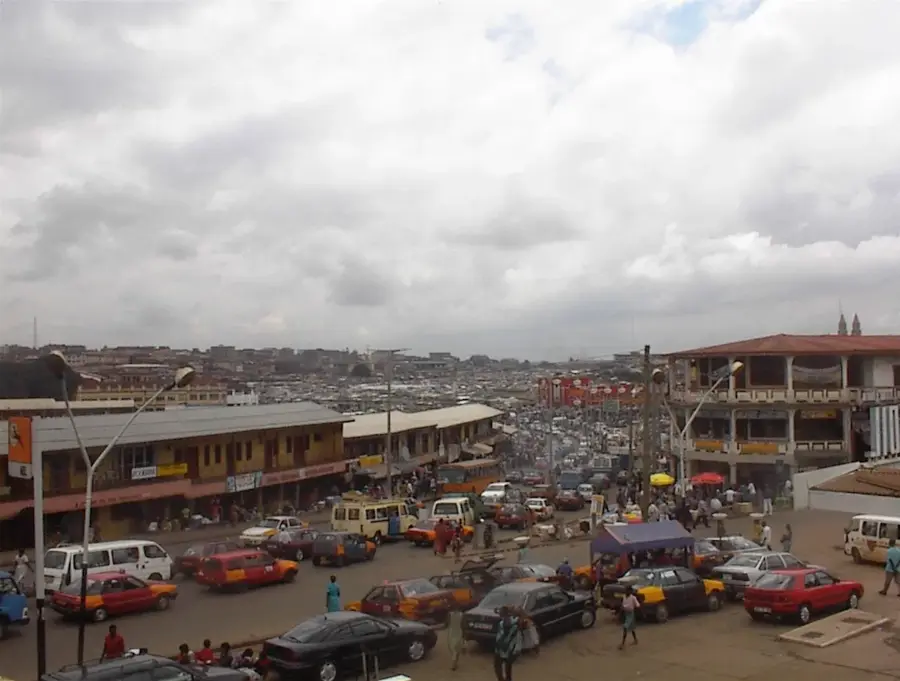
West Africa's largest open-air market, selling everything from fresh produce to colorful fabrics.
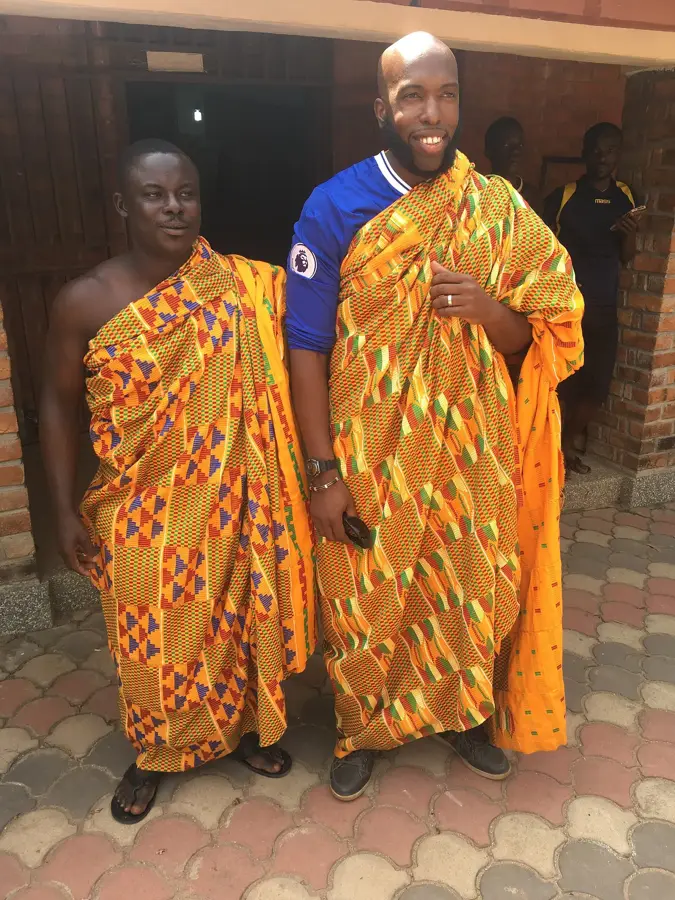
Villages just outside the city famous for the authentic weaving of traditional colorful Kente cloth.
The woodcarving village, first-rate for finding handcrafted masks, stools, and other intricate carvings.
A peaceful and shaded botanical garden located on the university campus.
A crater lake a short drive south of the city, great for a quiet escape and a relaxing boat ride.
Water temperature…
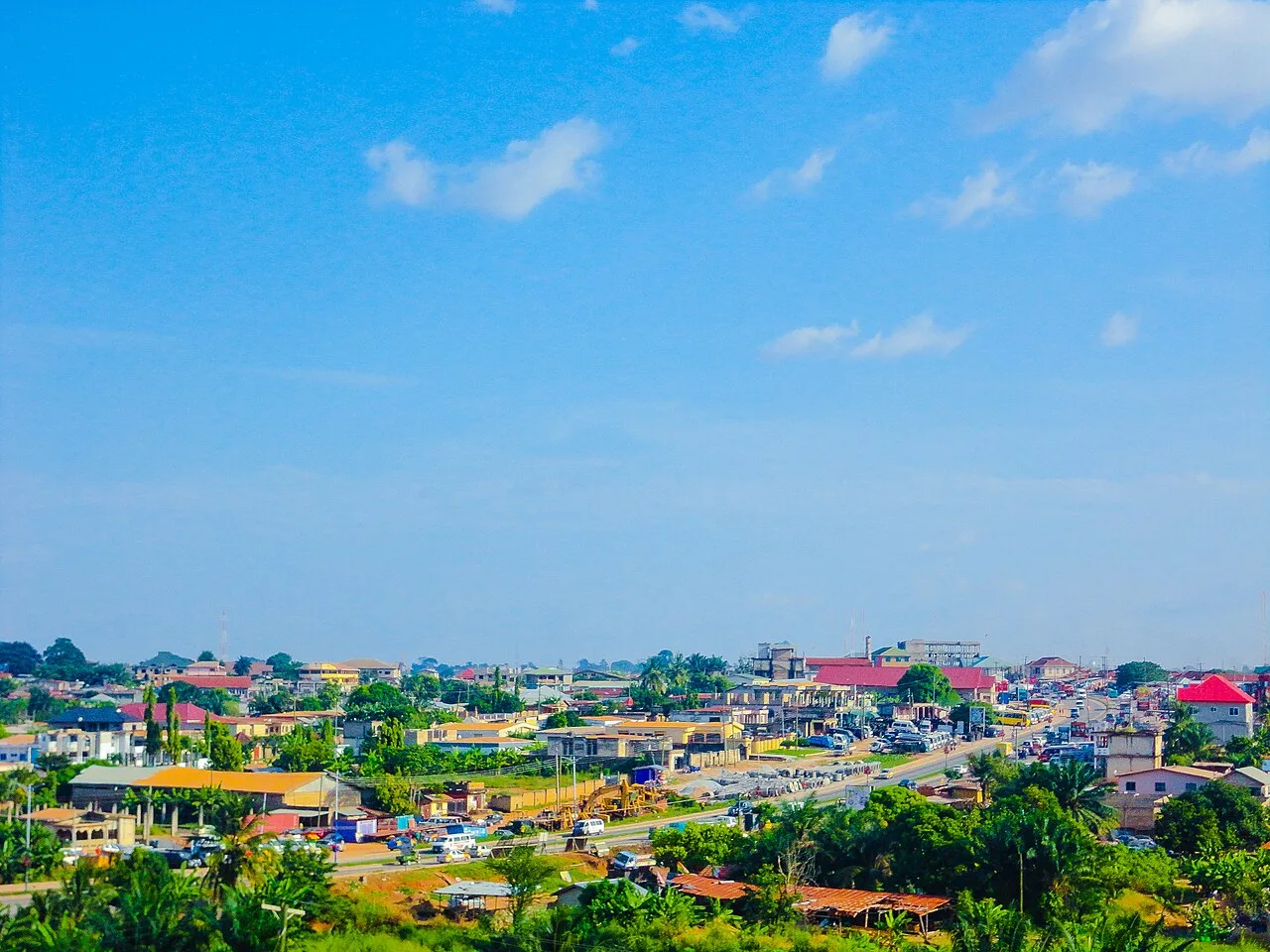
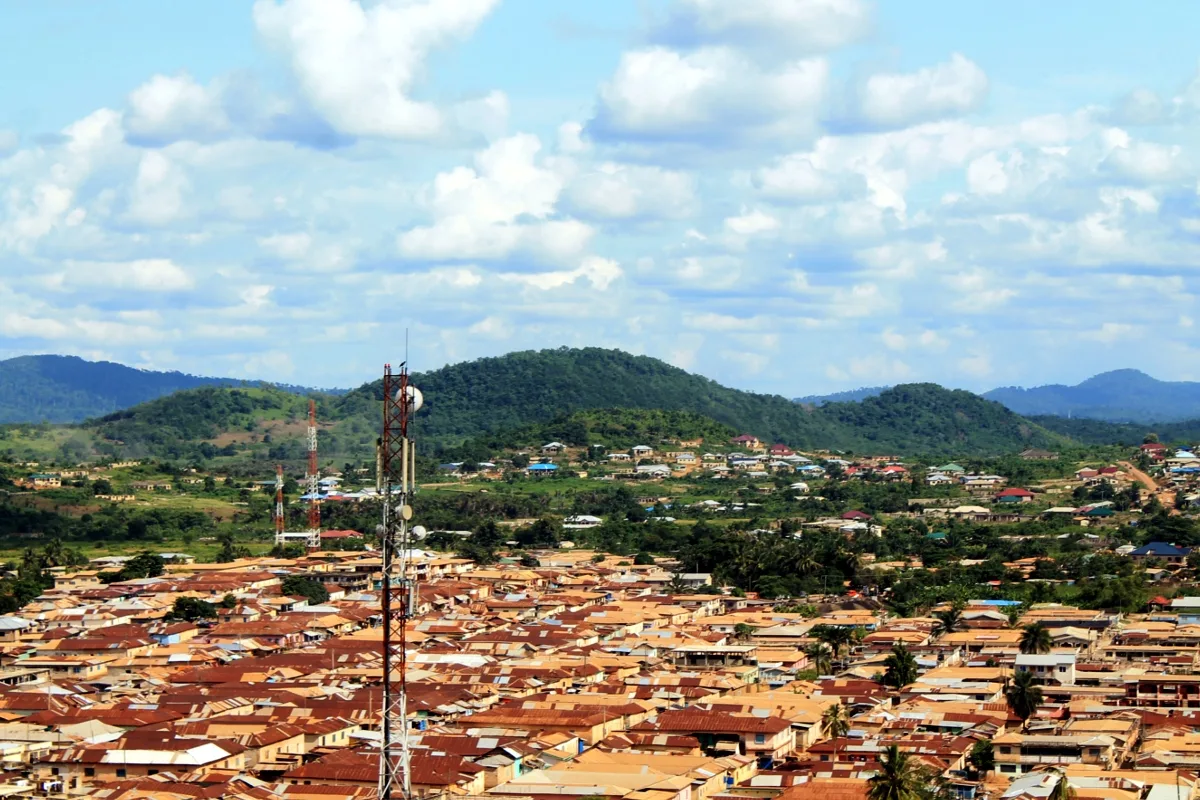
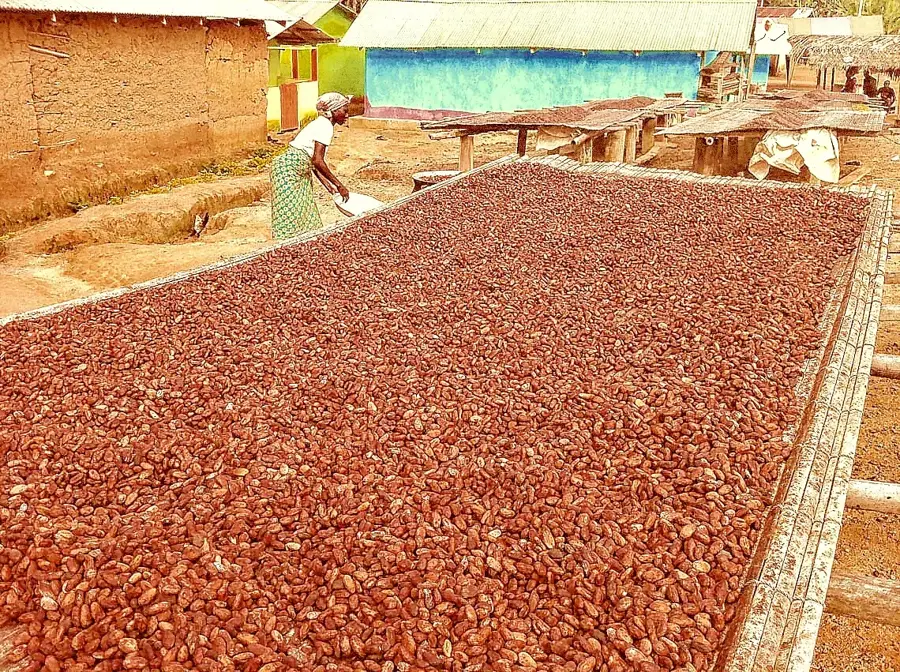
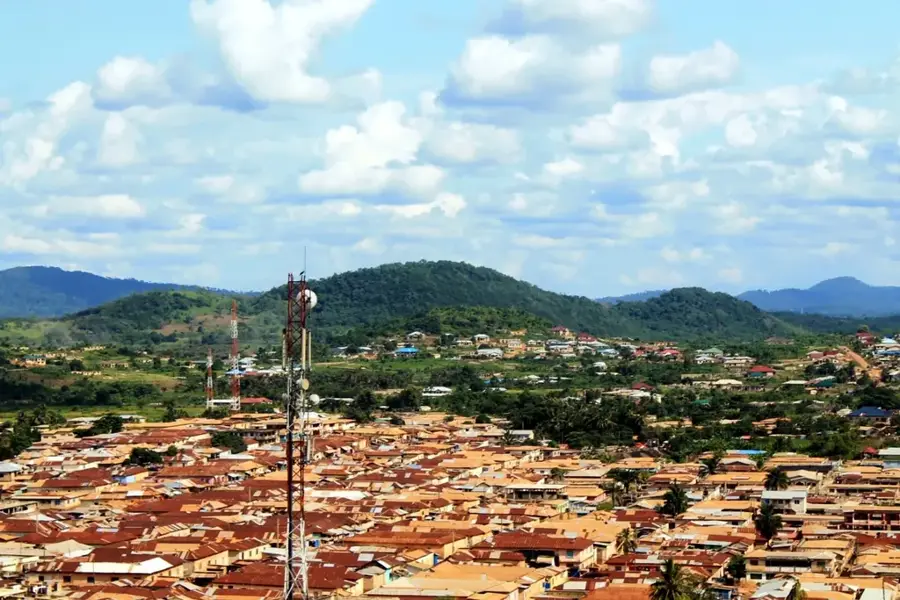
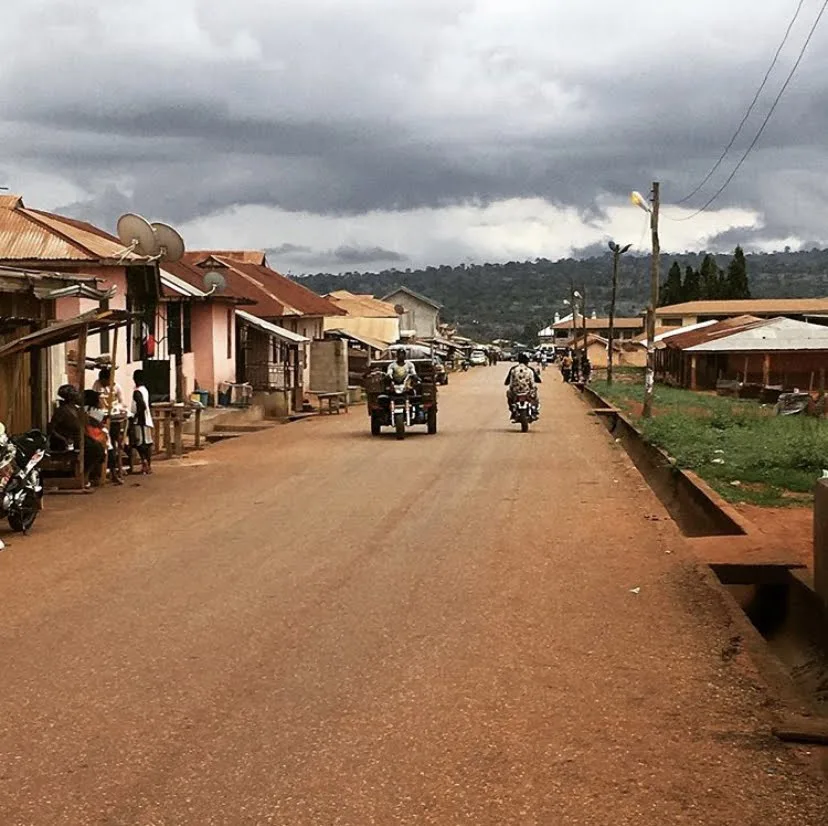
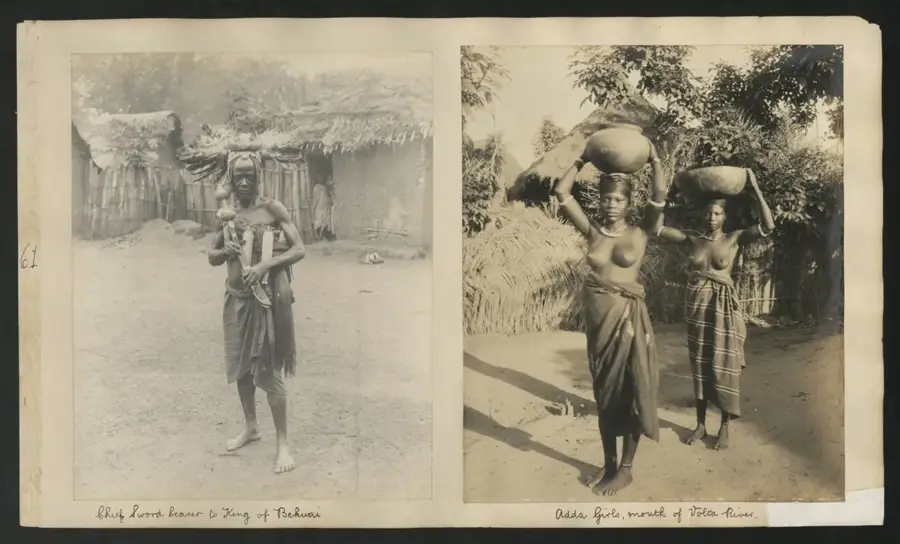
Kumasi is the capital city of the Ashanti Region in Ghana and is famously known as the Garden City due to its diverse species of flowers and plants. Founded around 1680 by King Osei Tutu I, it served as the political and spiritual heart of the powerful Ashanti Empire. The city is the home of the Golden Stool, the ultimate symbol of Ashanti sovereignty and unity, which is said to have descended from the sky. Today, Kumasi is a significant commercial hub, particularly for the trade of cocoa and gold, which are essential to Ghana's national economy. The Kejetia Market is one of the largest open-air markets in West Africa, functioning as a massive center for regional commerce. The Manhyia Palace, the seat of the Asantehene (King), includes a museum that chronicles the extensive history of the Ashanti monarchy. The city is also a bastion of traditional crafts, including the world-renowned Kente cloth weaving.
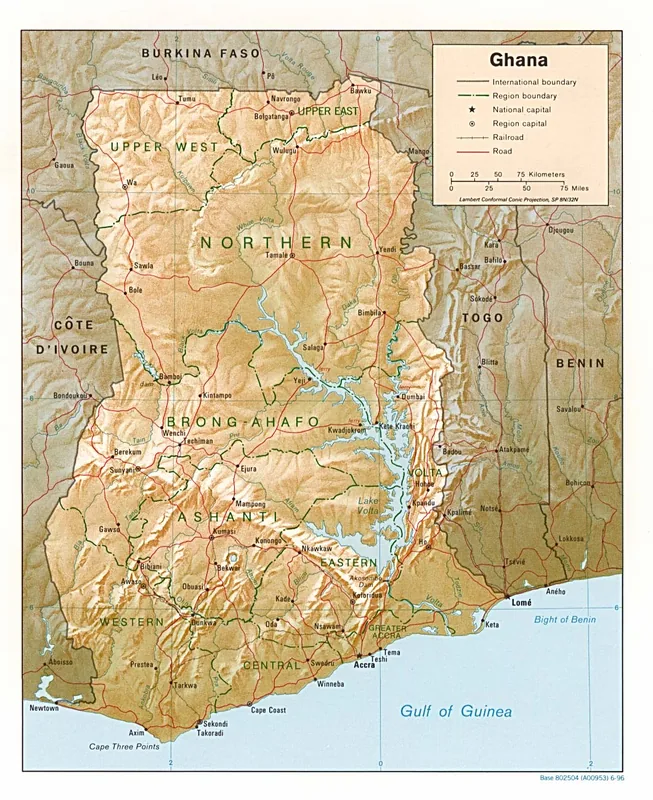
- Location: Ghana
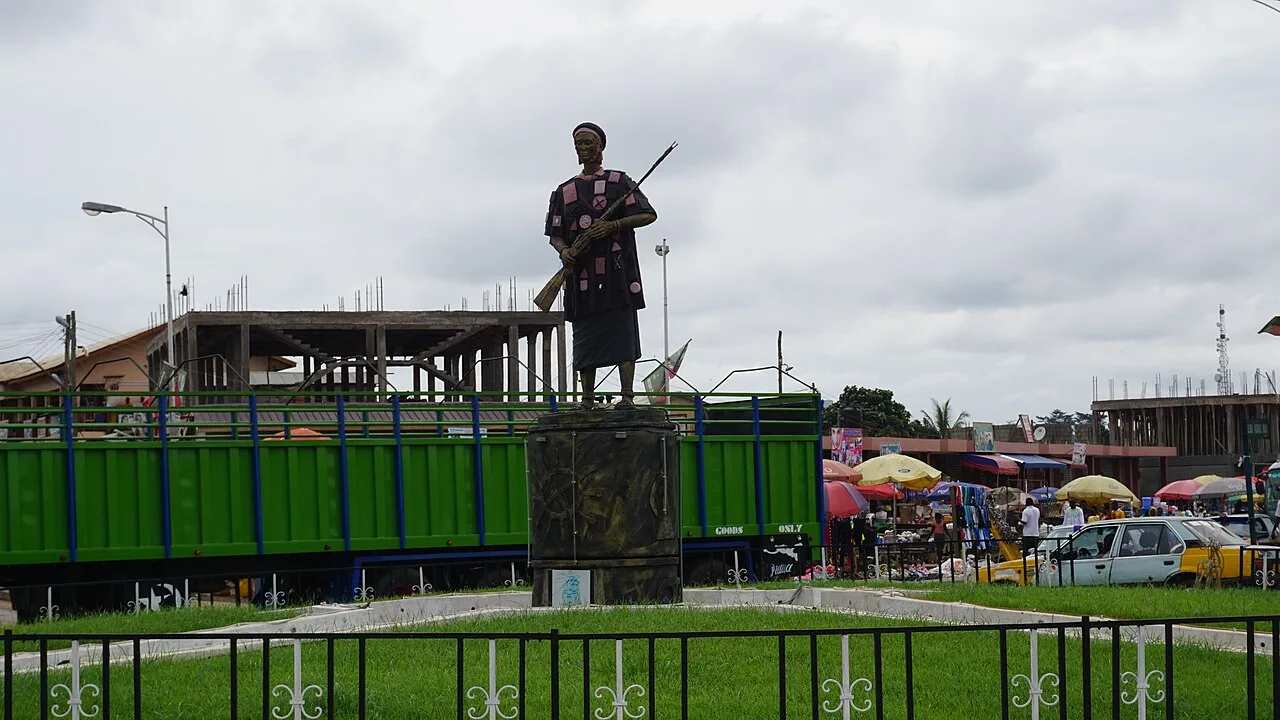
- Top sights: Capt. Robert Sutherland Rattray B. Sc. (Oxon) Sculpture · Sir Donald Stewart Tower and Clock · Ghana Armed Forces Museum
- Nearby: Tafo (5 km)
- Population: ~2.544.530 (2024)
Best time to visit & climate
The most pleasant time to visit is Jan, Aug, Dec.
| Jan | Feb | Mar | Apr | May | Jun | Jul | Aug | Sep | Oct | Nov | Dec | |
|---|---|---|---|---|---|---|---|---|---|---|---|---|
| Avg °C | 26 | 28 | 27 | 27 | 26 | 25 | 24 | 24 | 25 | 25 | 26 | 26 |
| Rain mm | 18 | 48 | 110 | 118 | 163 | 212 | 143 | 83 | 173 | 216 | 87 | 20 |
Geography
Facts
- Kumasi was founded around 1680 by the Ashanti King Osei Tutu I.
- Kejetia Market consists of over 10,000 individual trading stalls.
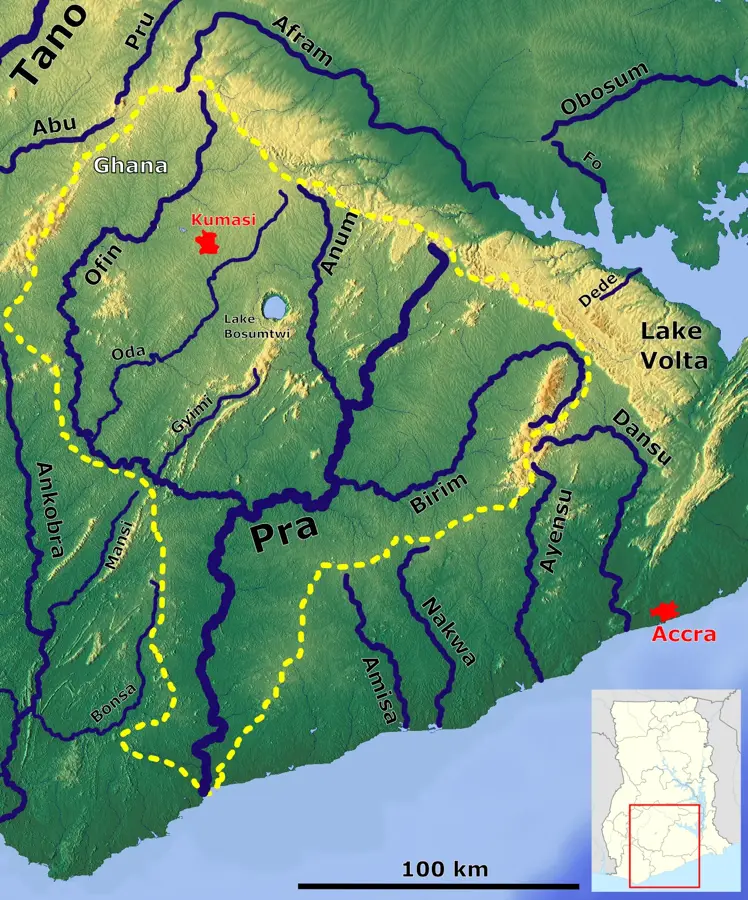
- The city is located approximately 250 kilometers northwest of Accra.
- The Kwame Nkrumah University of Science and Technology was opened in 1952.
- Manhyia Palace Museum preserves artifacts dating back to the 17th century.
- The city is the global center for the production of traditional Kente cloth.
Explore nearby
Notable places around
Route planner — Car & Motorhome
Where do you start? We build the route here, with stops and country notes along the way.
© OpenStreetMap contributors · OpenRouteService
Sights in the town Kumasi (3)
Frequently asked questions
What is Kumasi known for?
What is the name of the big market in Kumasi?
Which palace should I visit?
Can I buy Kente cloth locally?
Is Kumasi safe for tourists?
Kumasi: where is it located?
Kumasi: what is there to see?
Kumasi: when is the best time to visit?
Kumasi: why is it worth visiting?

Nearby cities

History & landmarks
More places