Plizio Visual Lab
Ohrdruf
ℹ️Practical info — Ohrdruf
▾
🌤 Weather — 5 days
📍 Nearby
Sights nearby
💡 Tips
- Visit St. Michael's Church to learn more about the youth of Johann Sebastian Bach.
- The motorhome site at Ehrenstein Castle is quiet and centrally located.
- Visit the Tobiashammer, an impressive technical monument with water-powered hammers.
- Go to the bakery early in the morning to buy traditional Thuringian rolls fresh.
🍽 Food
The real specialty grilled over charcoal, best found at the market square stands.
Handmade potato dumplings, a Sunday staple in traditional inns.
Pork roasted in birch wood smoke, exceptionally aromatic and tender.
🛍 Shopping · 🧘 Quiet spots
Traditional bakers in the city center selling regional sheet cakes.
Look for local crafts that reflect Ohrdruf's history as a toy-making town.
A well-maintained park with water features, well-suited for a quiet reading break.
Just a short drive away, this reservoir has absolute silence in the woods.
Water temperature…
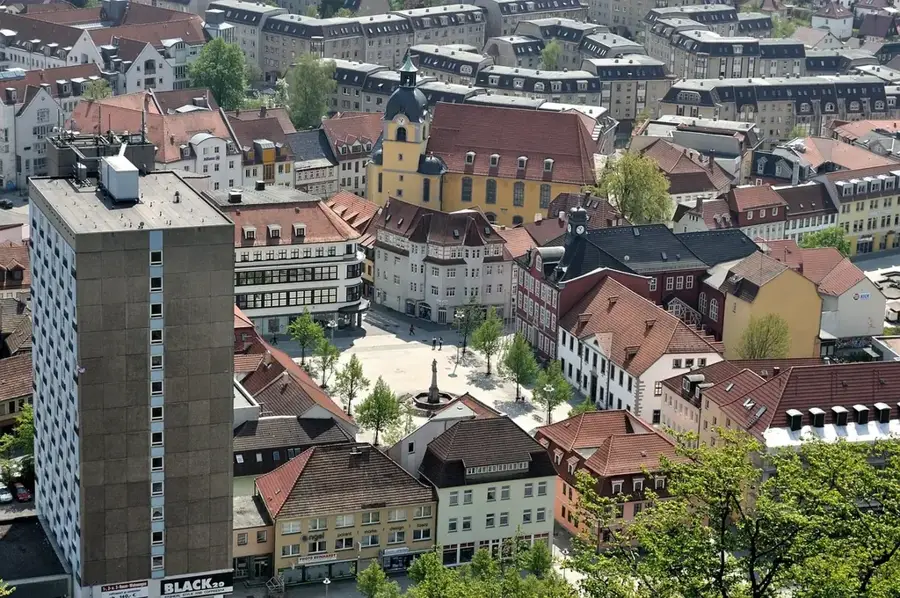
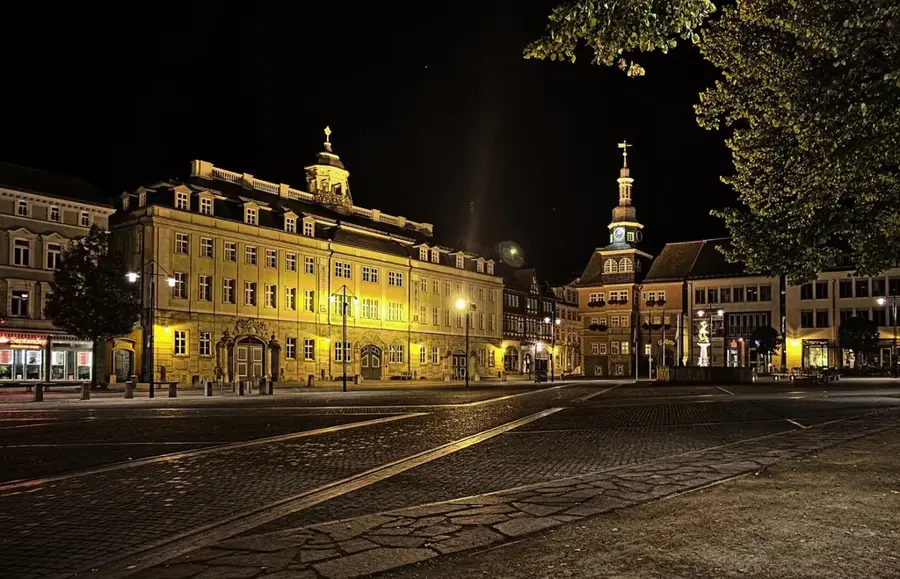
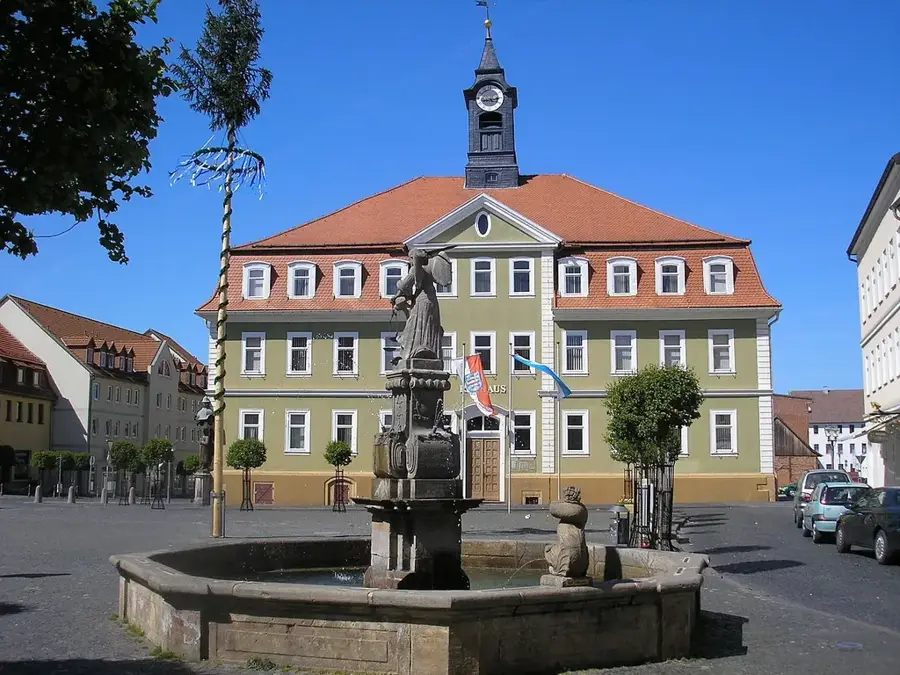
Ohrdruf, situated at the northern fringe of the Thuringian Forest, is a town where profound musical heritage meets industrial innovation. It gained international fame as the home of Johann Sebastian Bach during his formative years; following the death of his parents, the young composer lived here with his brother Johann Christoph from 1695 to 1700, a period critical to his musical development. The town's skyline is dominated by Ehrenstein Castle, a magnificent Renaissance palace that was painstakingly restored after a major fire in 2014. The castle now serves as a cultural hub, housing the town archive and museums dedicated to local history and nature. Historically, Ohrdruf was a titan of the German toy industry, particularly renowned for producing high-quality dolls and rocking horses that were exported globally in the 19th century. Its location on the Ohra river allowed early industries to flourish through water power, supporting mills and foundries. Today, Ohrdruf remains a bustling community that honors its 'Bach City' status while offering visitors a gateway to the hiking trails of the Thuringian Forest. Its blend of architectural beauty and deep cultural roots makes it a significant stop on any tour of Central Germany.
- Location: Thuringia, Germany
- Top sights: Ehrenstein Castle · St. Michael's Church · Tobiashammer
- Nearby: Friedrichroda (12 km)
- Population: ~9.476
Best time to visit & climate
The most pleasant time to visit is Jun–Aug.
| Jan | Feb | Mar | Apr | May | Jun | Jul | Aug | Sep | Oct | Nov | Dec | |
|---|---|---|---|---|---|---|---|---|---|---|---|---|
| Avg °C | -1 | 0 | 3 | 8 | 12 | 16 | 19 | 18 | 14 | 9 | 4 | 0 |
| Rain mm | 62 | 44 | 50 | 39 | 74 | 64 | 81 | 66 | 58 | 54 | 61 | 65 |
Geography
Facts
- Johann Sebastian Bach lived in Ohrdruf from 1695 to 1700.
- Ehrenstein Castle was originally established on the site of an 8th-century monastery.
- The St. Michaelis Church tower is the only surviving part of the church Bach attended.
- In the 19th century, Ohrdruf was a world leader in rocking horse production.
- The Ohrdruf military training area was established as early as 1906.
- The town is located on the historic 'Thuringian City Chain' trade route.
Explore nearby
Notable places around

Route planner — Car & Motorhome
Where do you start? We build the route here, with stops and country notes along the way.
© OpenStreetMap contributors · OpenRouteService
Sights in the town Ohrdruf (8)
Frequently asked questions
What does Johann Sebastian Bach have to do with Ohrdruf?
Is Ehrenstein Castle worth a visit?
What nature destinations are near Ohrdruf?
Are there events for Bach fans?
How to get to Ohrdruf?
Ohrdruf: where is it located?
Ohrdruf: what is there to see?
Ohrdruf: when is the best time to visit?
Ohrdruf: why is it worth visiting?

Nearby cities