Plizio Visual Lab

Geseke

Plizio editorial teamData Sources
City
—°1114
Geseke (Germany)
ℹ️

Practical info — Geseke

🌤 Weather — 5 days

📍 Nearby

Sights nearby

💡 Tips

  • Walk along the historic town walls (Wallanlagen) which form a ring around the old town center, offering a pleasant, shaded route.
  • Look out for remnants of the 'Hellweg', the ancient trading route that runs right through the region.
  • Visit the St. Petri Stiftskirche in the morning to appreciate its Romanesque architecture in a quiet atmosphere.
  • The region is shaped by the cement industry; some of the old, renaturalized limestone quarries are now fascinating natural spaces.

🍽 Food

🍽
Westphalian Pumpernickel

A dark, dense rye bread from the region, often available with ham in local bakeries.

🍽
Pfefferpotthast

A traditional Westphalian meat stew that you can find in traditional inns during the colder months.

🍽
Westphalian Ham

Air-dried or smoked ham, best enjoyed on fresh bread in a traditional local pub.

🛍 Shopping · 🧘 Quiet spots

🛍
Geseke Weekly Market

Head to the market square to buy regional agricultural products straight from Westphalia.

🛍
Bakeries along the Hellweg

Explore the central pedestrian zone for traditional bakeries selling local breads and pastries.

🧘
Wallanlagen (Town Walls)

The green belt built on the remains of the old town fortifications is great for a peaceful walk.

🧘
Renaturalized Quarries (Mythos Stein)

The areas around the old cement quarries outside the center now offer calm nature trails.

Highlights of 2026

1

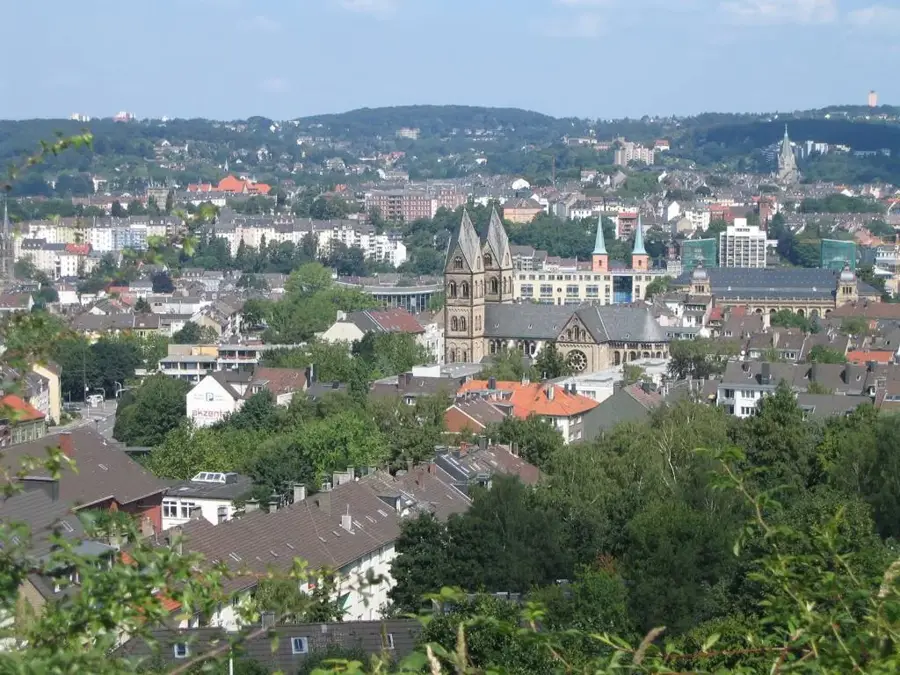
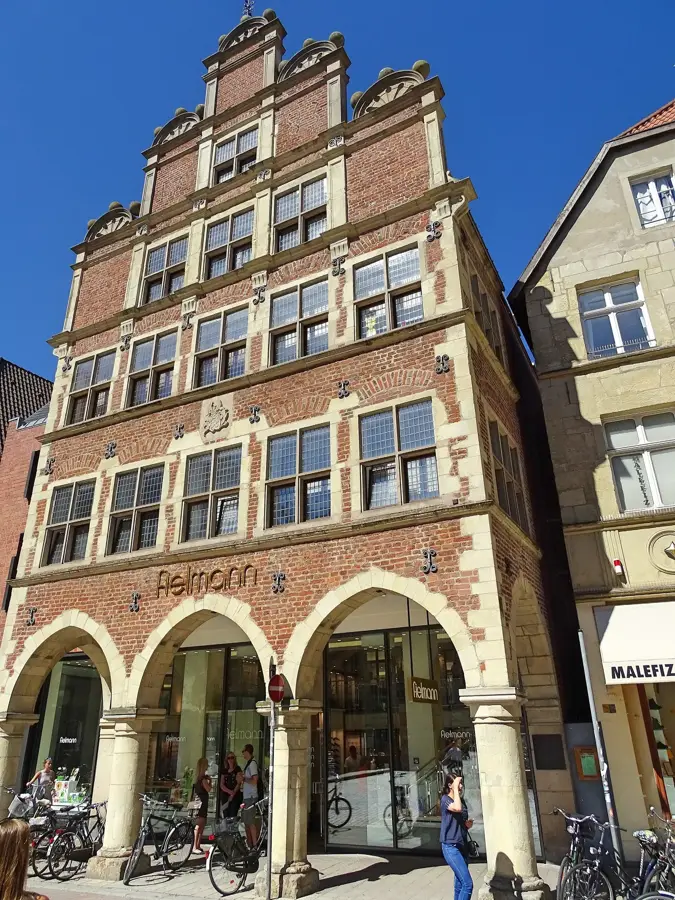
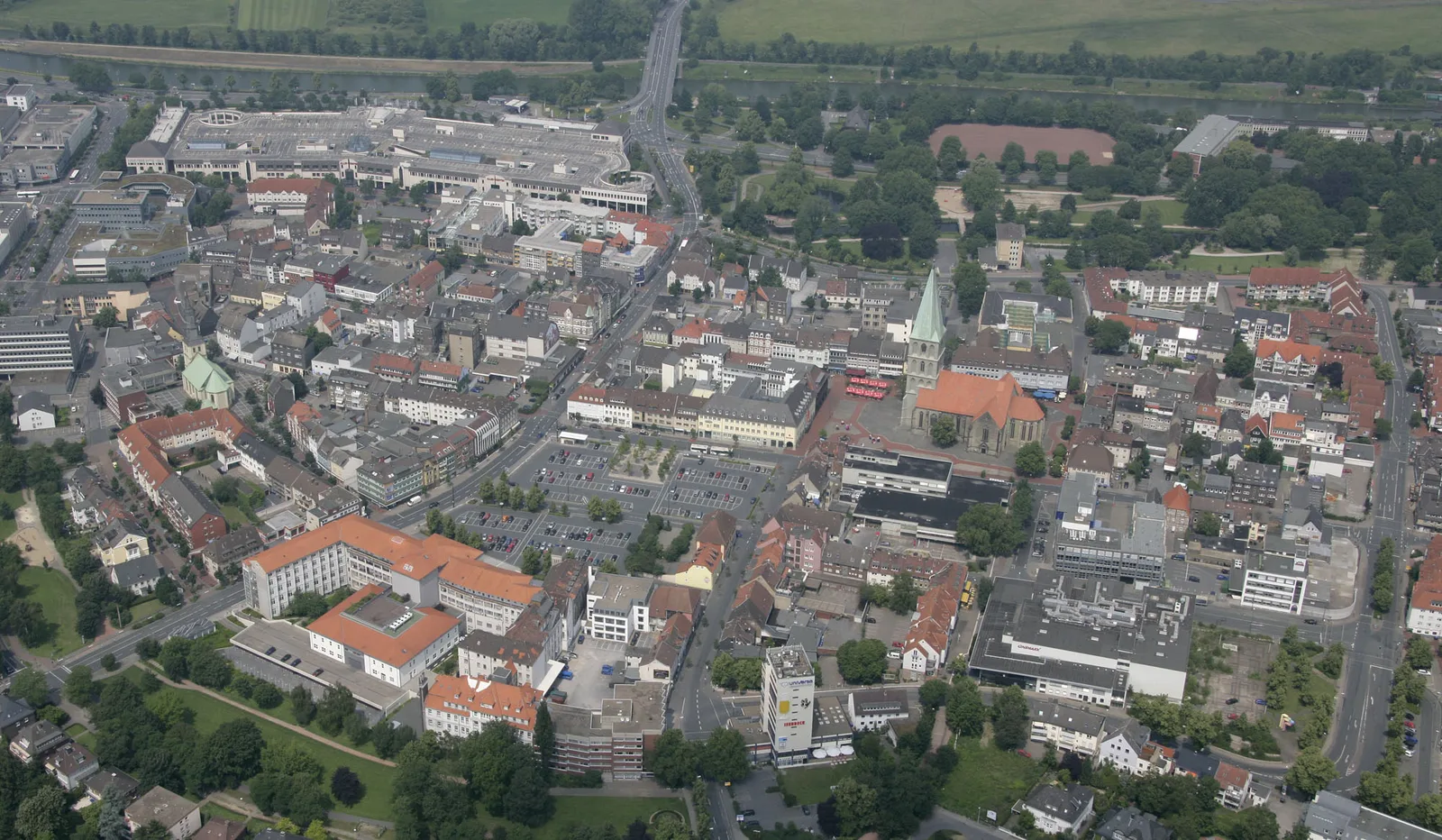
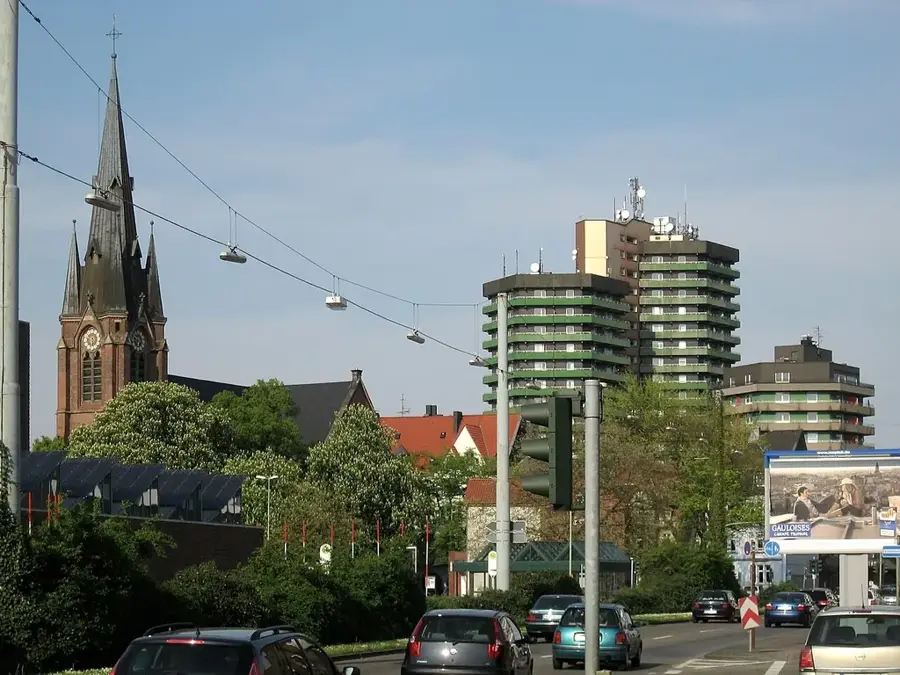
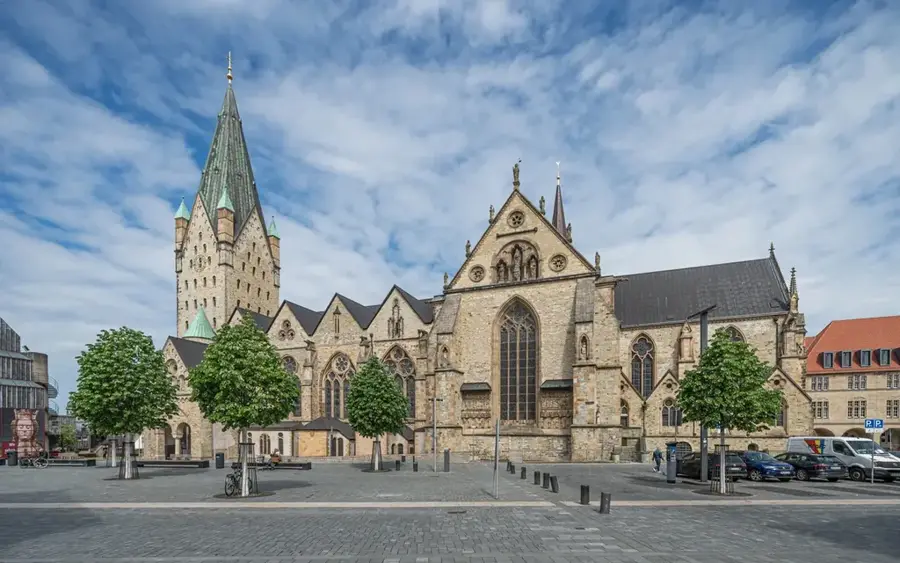
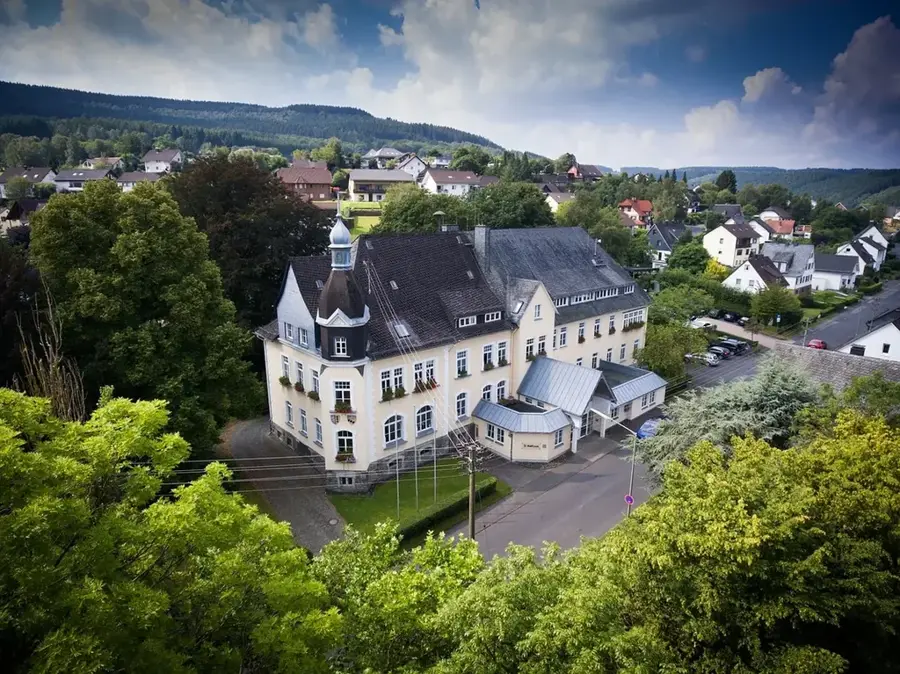
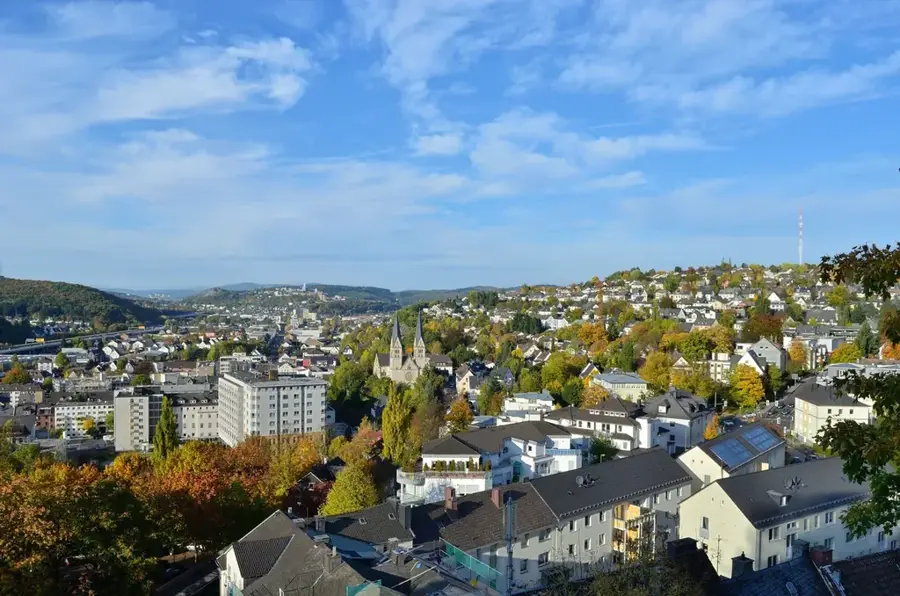
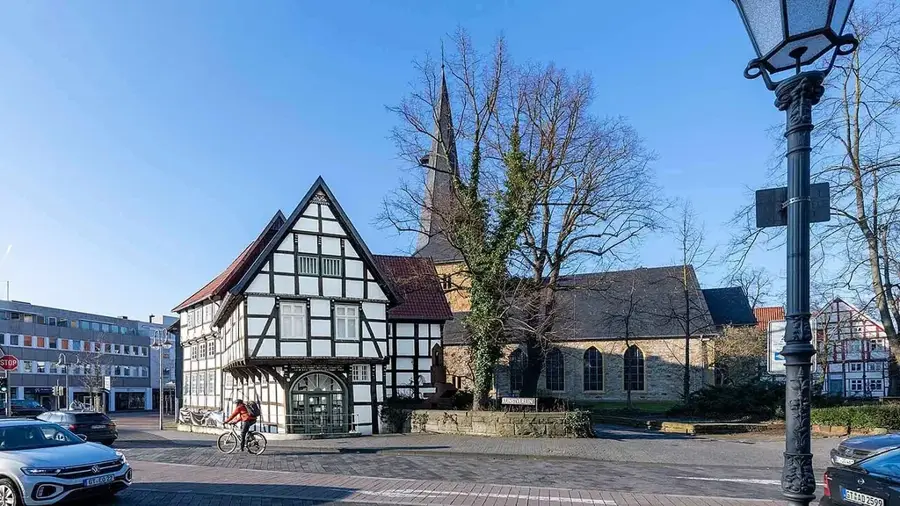
Geseke, situated in the district of Soest in North Rhine-Westphalia, is home to a history spanning over 1,100 years. Its location on the historic 'Hellweg' trading route facilitated its growth as a prominent medieval town. Today, the most visible sign of its past is the 'Wallgarten', a park established on the remains of the old city walls and moats that encircle the historic center. The town's religious heart is the Collegiate Church of St. Cyriacus, an impressive structure showcasing Romanesque and Gothic styles. Economically, Geseke is synonymous with the cement industry; the abundance of limestone in the area led to the establishment of major cement plants in the 19th century, which remain vital to the local economy. The landscape around the city is marked by vast quarries, some of which have been naturalized. Geseke gives a rich community life with traditional festivals, while its rail connections to Paderborn and the Ruhr area make it an attractive location for both residents and business.

Best time to visit & climate

The most pleasant time to visit is Jun–Aug.

JanFebMarAprMayJunJulAugSepOctNovDec
Avg °C01481216181814951
Rain mm775757457168817462607075

Geography

Population
20,602
Coordinates
51.63970, 8.50860

Facts

  • First mentioned: 846 AD
  • Collegiate Church: St. Cyriacus (founded 946)
  • Industry: 3 major cement plants
  • Area: 97.44 km²
  • Hellweg location: between Soest and Paderborn
  • Ramparts: approx. 3 km circular path

Explore nearby

Notable places around

Route planner — Car & Motorhome

Where do you start? We build the route here, with stops and country notes along the way.

Vehicle
Only stops with (optional):

© OpenStreetMap contributors · OpenRouteService

Sights in the town Geseke (11)

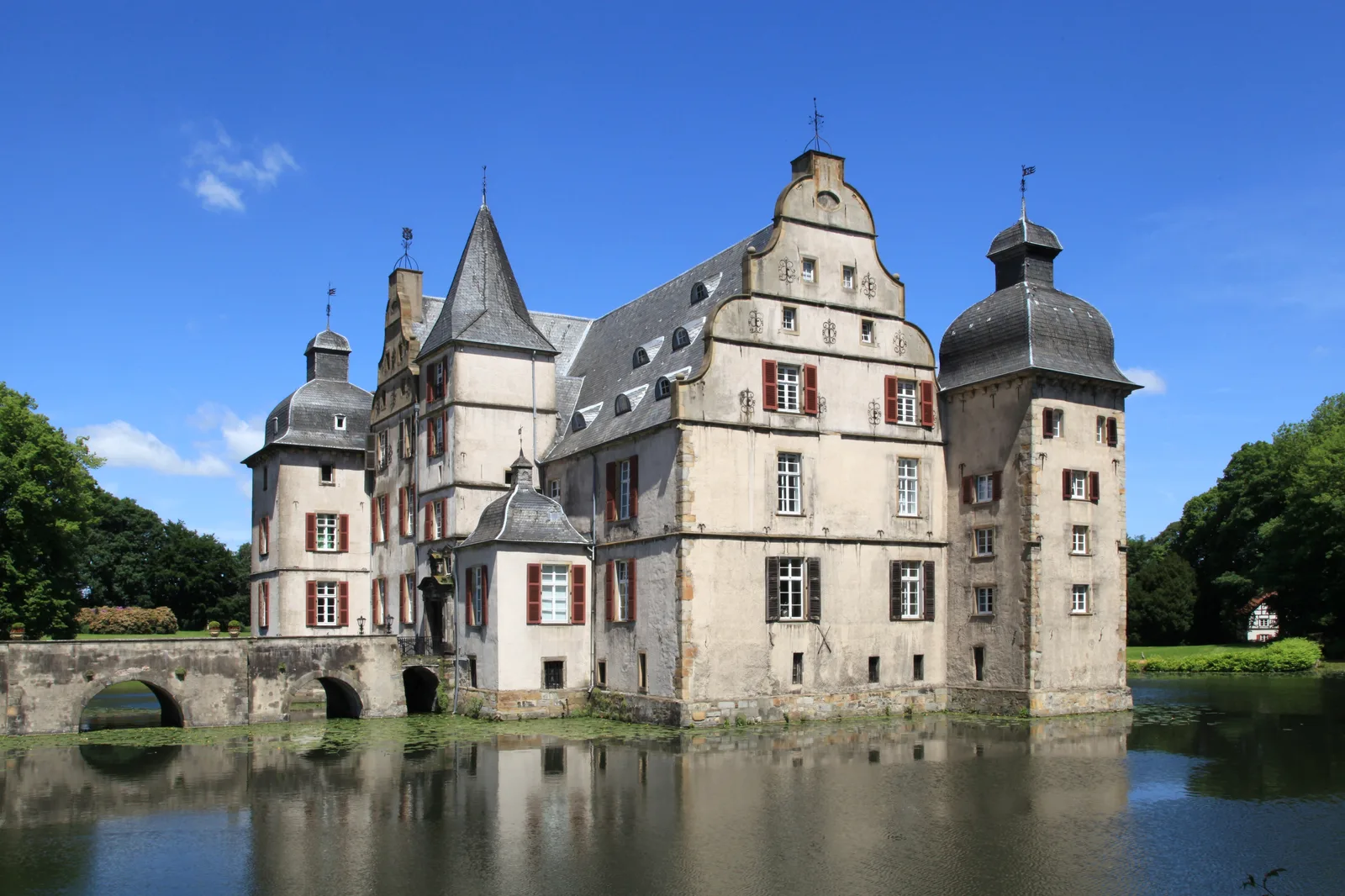
Eringerfeld Castle🏰 castle

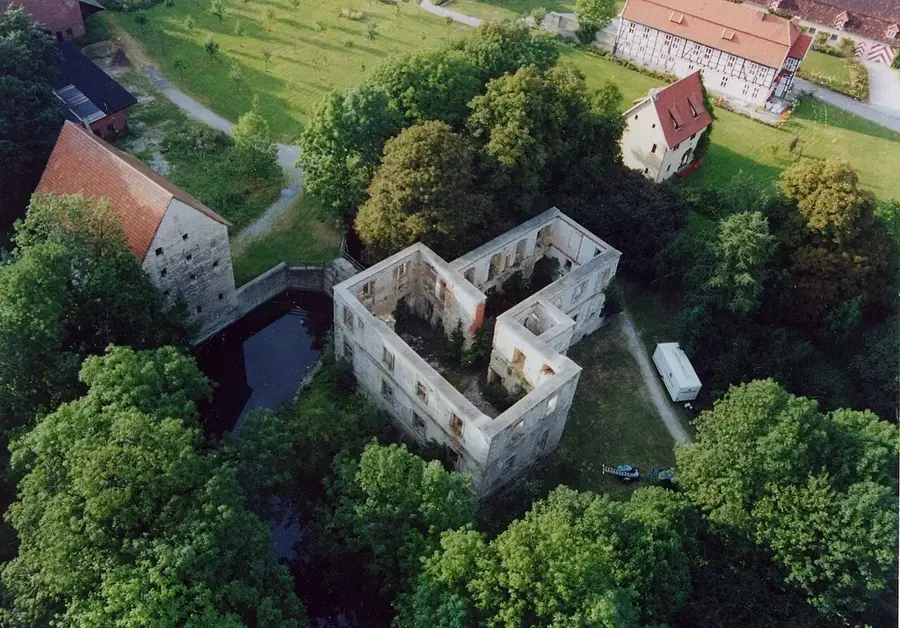
A Baroque moated castle in the district of the same name, now serving as a conference hotel.

St. Peter's Church⛪ church

An impressive hall church in the town center with a prominent tower and historic interior.

Hellweg Museum🏛 museum

Located in the Baroque Dickmann estate, it showcases town history and regional geology.

🕒 We 16:00-19:00; Fr 16:00-19:00; Sa, Su 10:00-18:00🆓

St. Cyriacus Collegiate Church⛪ church

The former church of the Geseke nunnery, an important Romanesque architectural monument.

Old Town Hall

Historic administrative building on the market square, a centerpiece of the old town.

Thoholte House📍 landmark

A magnificent 16th-century half-timbered house now used for cultural purposes.

Stockheimer Bruch🌿 nature

A woodland and wetland area near Geseke serving as an important sanctuary for water birds.

Steinbrüche Gröne🌿 nature

Former stone quarries that have developed into a biotope with rare limestone grassland flora.

Osternheuland - In den Erlen🌿 nature

A protected area with alder carr forests preserving typical Lower Rhine landscape forms.

Rittergut Störmede🏺 historical

A historic manor house in Geseke-Störmede, now serving as a hotel and event venue.

🕒 We-Sa 18:00-23:00; Su 11:00-23:00

Lehrschwimmbecken Störmede👨‍👩‍👧 family

The Lehrschwimmbecken Störmede in Geseke is particularly suitable for beginners and swimming lessons.

Frequently asked questions

What is the landmark of Geseke?
The collegiate church of St. Cyriakus with its Romanesque architecture and distinctive tower defines the cityscape.
Are there nature experiences around Geseke?
Yes, the recultivated limestone quarries offer unique biotopes and hiking trails with wide views.
What can you learn at the Hellweg Museum?
It displays the history of the ancient Hellweg trade route as well as regional customs and crafts.
Is there a water castle nearby?
Eringerfeld Castle is just a few kilometers away and is an impressive Baroque castle with a park area.
What culinary specialty is found in Geseke?
Try Westphalian Pumpernickel or regional game dishes in the traditional restaurants.
Geseke: where is it located?
Geseke is located in North Rhine-Westphalia, Germany.
Geseke: what is there to see?
Highlights include Eringerfeld Castle, St. Peter's Church, Hellweg Museum.
Geseke: when is the best time to visit?
The most pleasant time to visit is Jun, Aug.
Geseke: why is it worth visiting?
Geseke, situated in the district of Soest in North Rhine-Westphalia, is home to a history spanning over 1,100 years.
View on map → The Top 50 Attractions → Most beautiful beaches → OpenStreetMap →
Europe
Explore with Plizio Discover more places in Europe
More places in Germany →

Nearby cities