Plizio Visual Lab
Ndjolé Historical Post

Weather…
Water temperature…
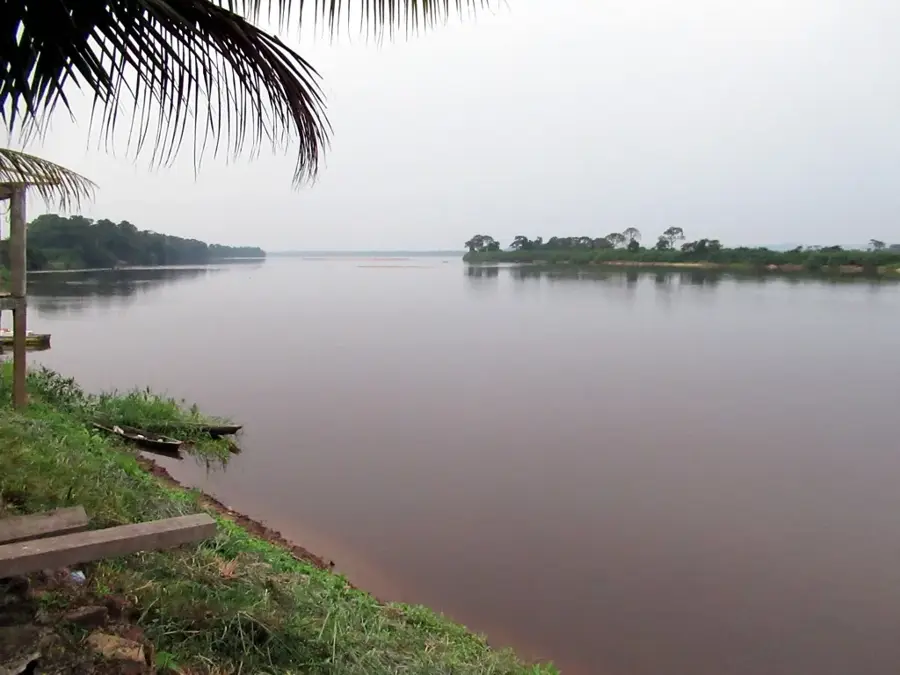
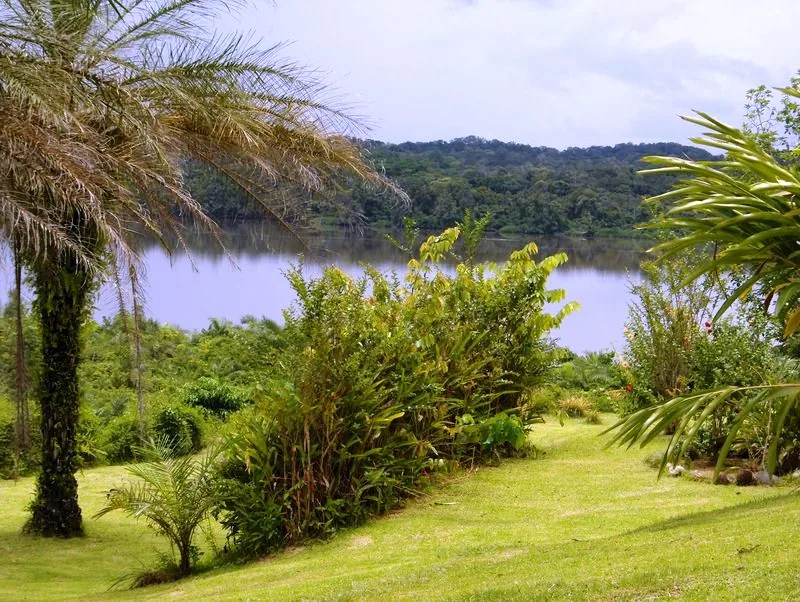
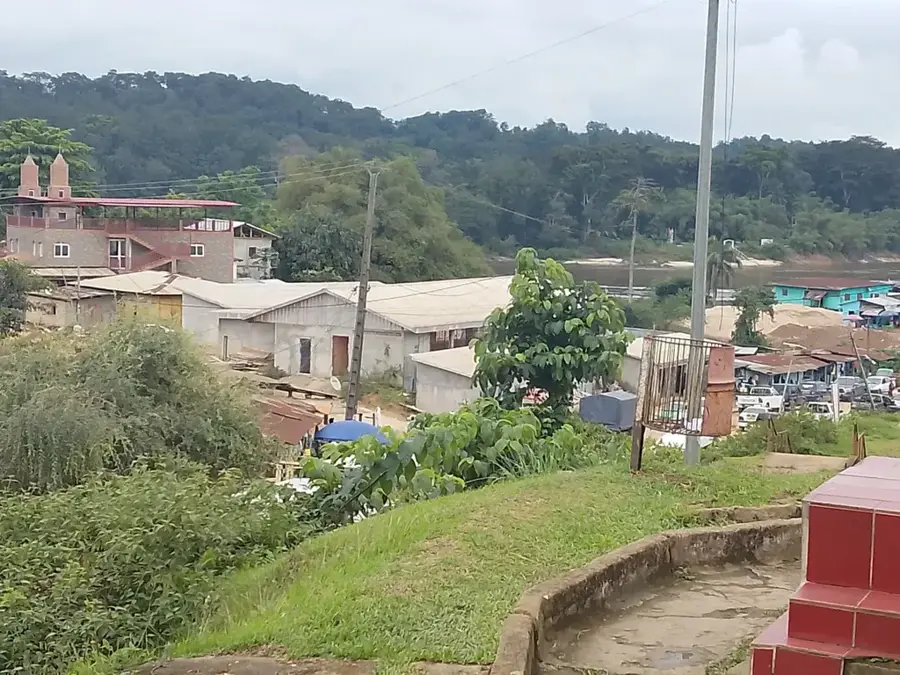
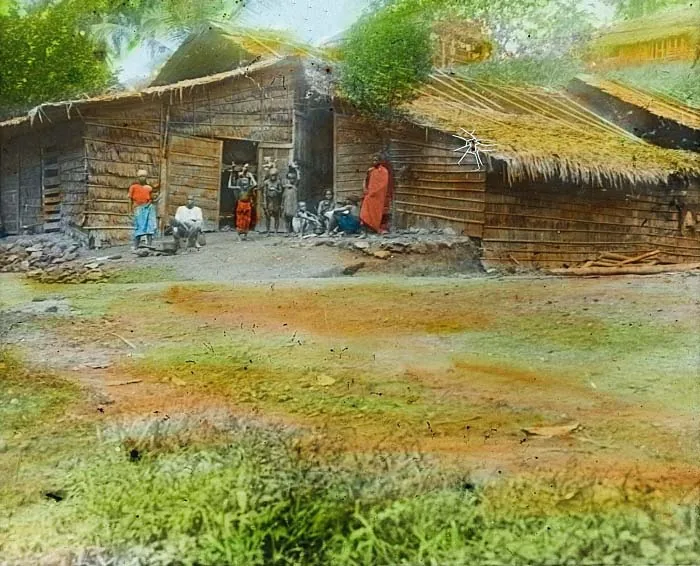
The Ndjolé Historical Post is situated at a strategic bend of the Ogooué River, marking the final navigable point for large vessels traveling inland from the Atlantic. Established in 1883 by the explorer Pierre Savorgnan de Brazza, it served as a crucial logistical base for French expeditions into the African interior. During the late 19th century, Ndjolé blossomed into a bustling commercial hub, primarily facilitating the trade of ivory, rubber, and precious timber. The post remains an important site for understanding the colonial economic structures that shaped modern Gabon. Today, visitors can still observe remnants of colonial architecture and the bustling river activity that continues to drive the local economy of the Moyen-Ogooué province. The town's historical significance is intertwined with its role as a gateway between the coastal regions and the deep rainforest.
- Location: Gabon
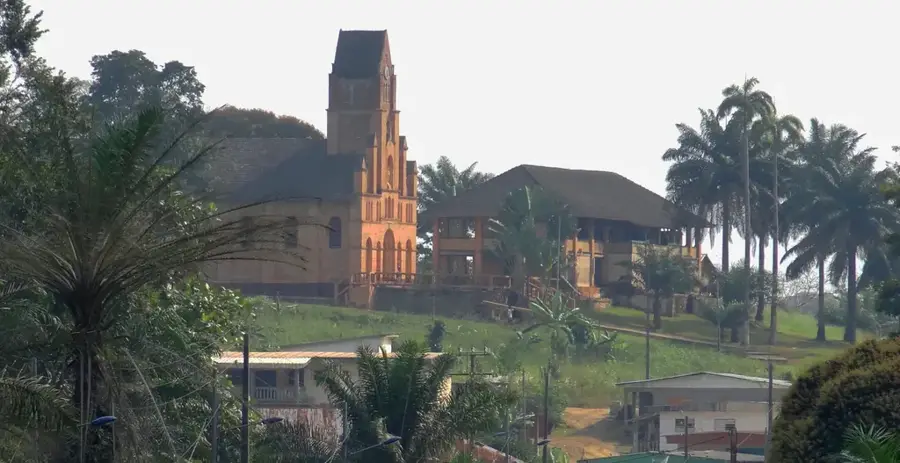
- Top sights: Paroisse Saint Michel de Ndjolé · Almamy Samory Touré
- Nearby: Kango (82 km)
Best time to visit & climate
The most pleasant time to visit is Jun–Aug.
| Jan | Feb | Mar | Apr | May | Jun | Jul | Aug | Sep | Oct | Nov | Dec | |
|---|---|---|---|---|---|---|---|---|---|---|---|---|
| Avg °C | 25 | 26 | 25 | 25 | 25 | 25 | 24 | 24 | 25 | 24 | 25 | 25 |
| Rain mm | 116 | 117 | 206 | 209 | 151 | 44 | 14 | 26 | 100 | 284 | 288 | 151 |
📋 Practical info
Geography
Facts
- Founded in 1883 by the French explorer Pierre Savorgnan de Brazza.
- The final navigable point on the Ogooué River for large steamships.
- Located 225 kilometers southeast of Libreville along the riverbank.
- Major hub for the rubber and ivory trade in the late 19th century.
- Currently one of the most important commercial towns in Moyen-Ogooué.
- Key junction point for both river transport and the national railway.
Explore nearby
Notable places around



Route planner — Car & Motorhome
Where do you start? We build the route here, with stops and country notes along the way.
© OpenStreetMap contributors · OpenRouteService
Sights in the town Ndjolé Historical Post (2)
Sights nearby
Frequently asked questions
What role did Ndjolé play in colonial times?
Can you visit the old fortifications?
Who is buried here?
How do you get from Lambaréné to Ndjolé?
Is there accommodation near the post?
Ndjolé Historical Post: where is it located?
Ndjolé Historical Post: what is there to see?
Ndjolé Historical Post: when is the best time to visit?
Ndjolé Historical Post: why is it worth visiting?

Nearby cities
History & landmarks
Nature
More places