Plizio Visual Lab
Marae Nuupure
Weather…
Water temperature…
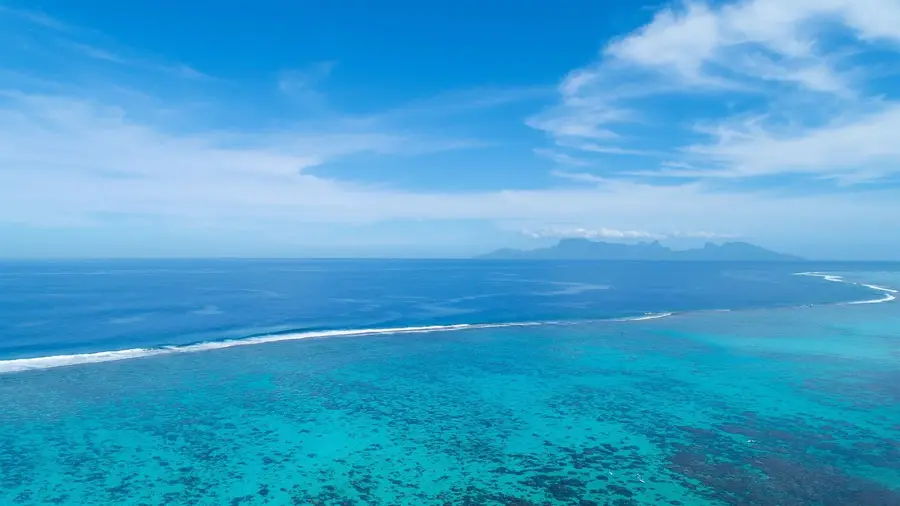
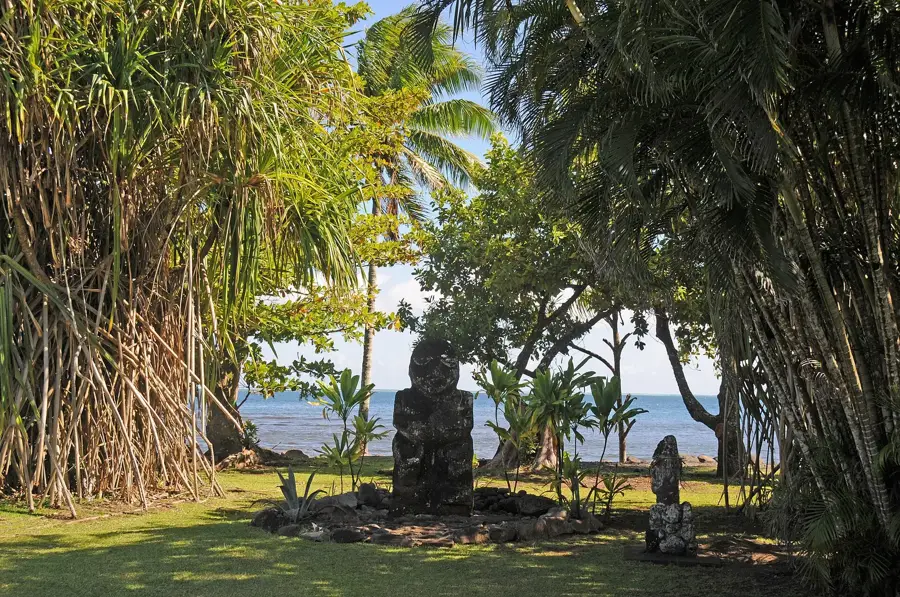
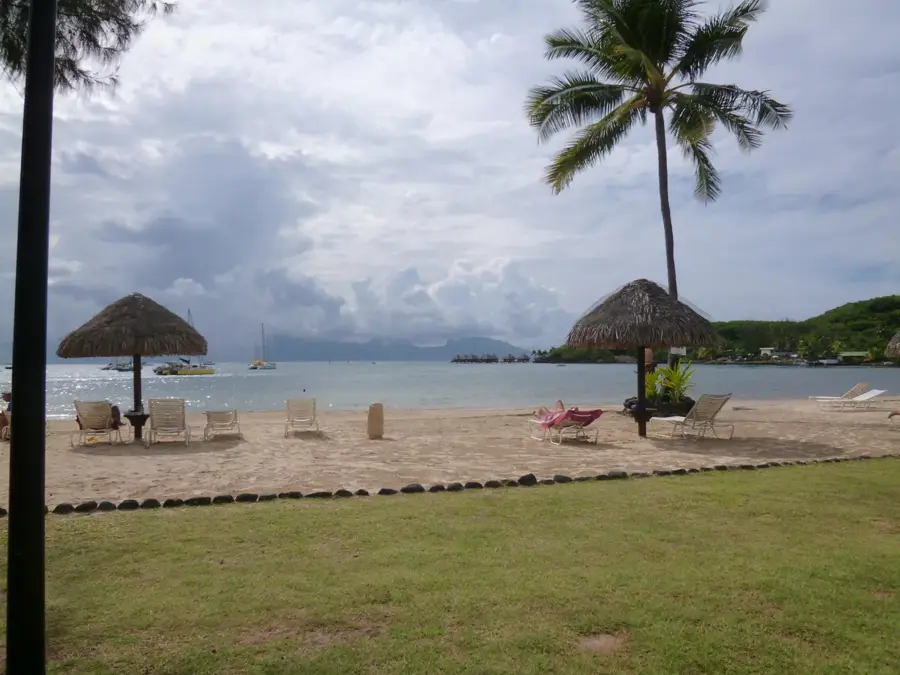
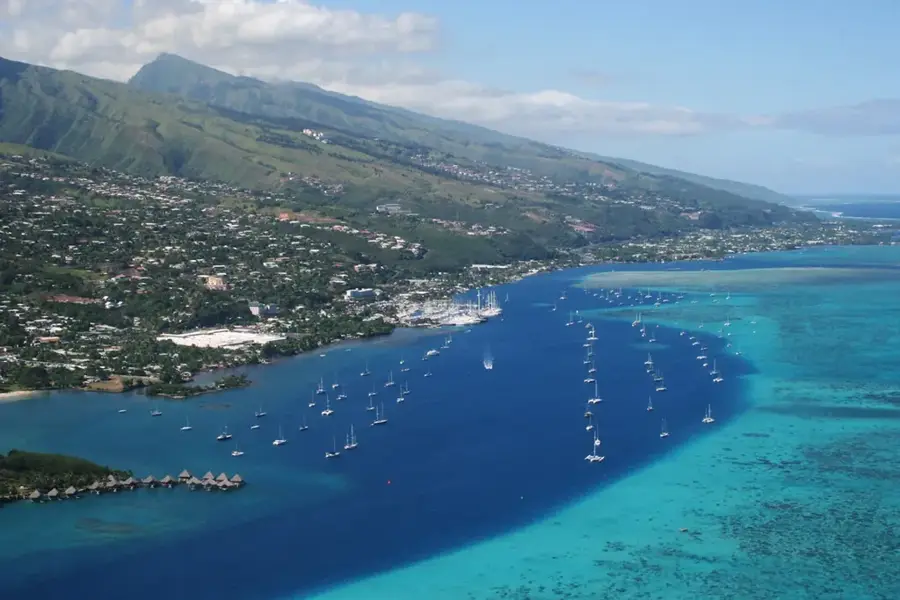
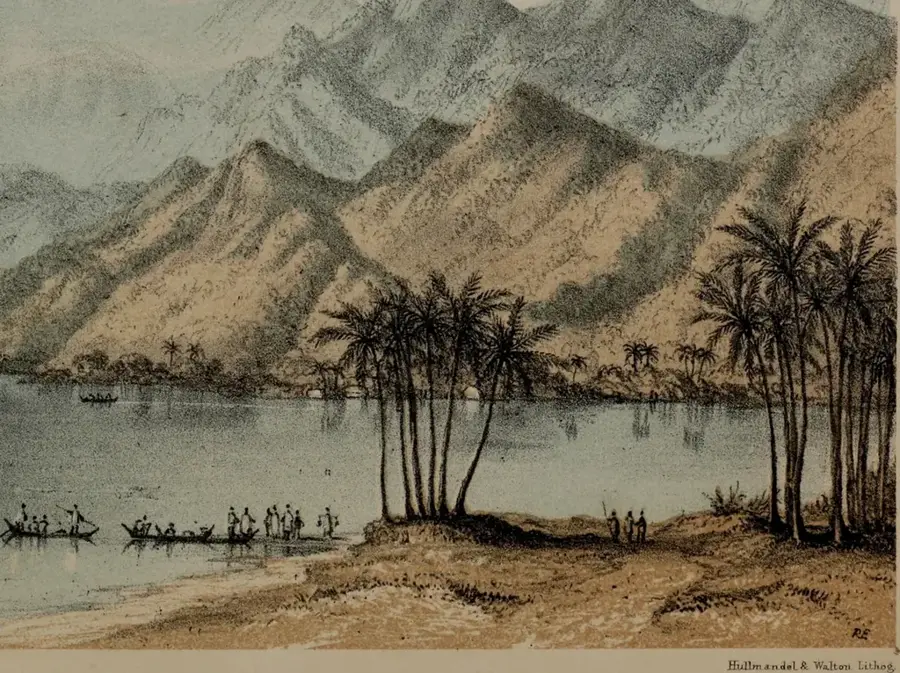
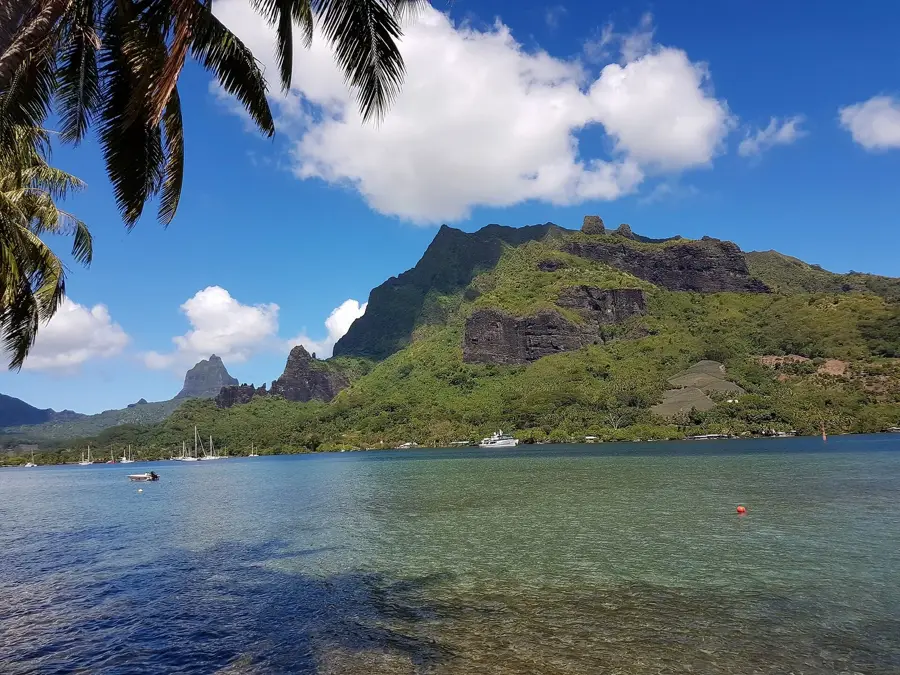
Marae Nuupure is a significant archaeological site located in the commune of Punaauia on the island of Tahiti. Positioned right at the water's edge, this ancient sacred site provides an impressive view across the Pacific toward the neighboring island of Moorea. The structure consists of a large, rectangular stone platform built primarily from coral slabs and basalt rocks. In traditional Polynesian culture, marae served as the focal point for religious ceremonies, community gatherings, and sacred offerings to the gods. Today, Nuupure stands as a protected cultural monument, providing a deep insight into the pre-colonial history and spiritual life of the Tahitian people. The serene coastal setting and the historical weight of the site make it a place of reflection, where visitors can experience the enduring connection between the natural landscape and the ancestral traditions of the region.
- Location: French Polynesia
- Nearby: Paea (4 km)
Best time to visit & climate
The most pleasant time to visit is Jul–Sep.
| Jan | Feb | Mar | Apr | May | Jun | Jul | Aug | Sep | Oct | Nov | Dec | |
|---|---|---|---|---|---|---|---|---|---|---|---|---|
| Avg °C | 27 | 27 | 27 | 27 | 27 | 26 | 25 | 25 | 25 | 26 | 26 | 27 |
| Rain mm | 190 | 175 | 134 | 116 | 90 | 69 | 52 | 47 | 40 | 84 | 113 | 221 |
📋 Practical info
Geography
Facts
- Built in the 16th century
- Platform length: 12 meters
- Width: 8 meters
- Height: 1 meter
- Altar height: 1.5 meters
- Located in Opoa district
Explore nearby
Notable places around



Route planner — Car & Motorhome
Where do you start? We build the route here, with stops and country notes along the way.
© OpenStreetMap contributors · OpenRouteService
Sights nearby
Frequently asked questions
What is the condition?
Is it hard to find?
How much time do I need?
Is it good for kids?
Can I park here?
Marae Nuupure: where is it located?
Marae Nuupure: when is the best time to visit?
Marae Nuupure: why is it worth visiting?
Nearby cities
History & landmarks
More places