Plizio Visual Lab

Massif des Maures
Plizio editorial teamData Sources
Mountain
—°7
Massif des Maures (France)

Weather…

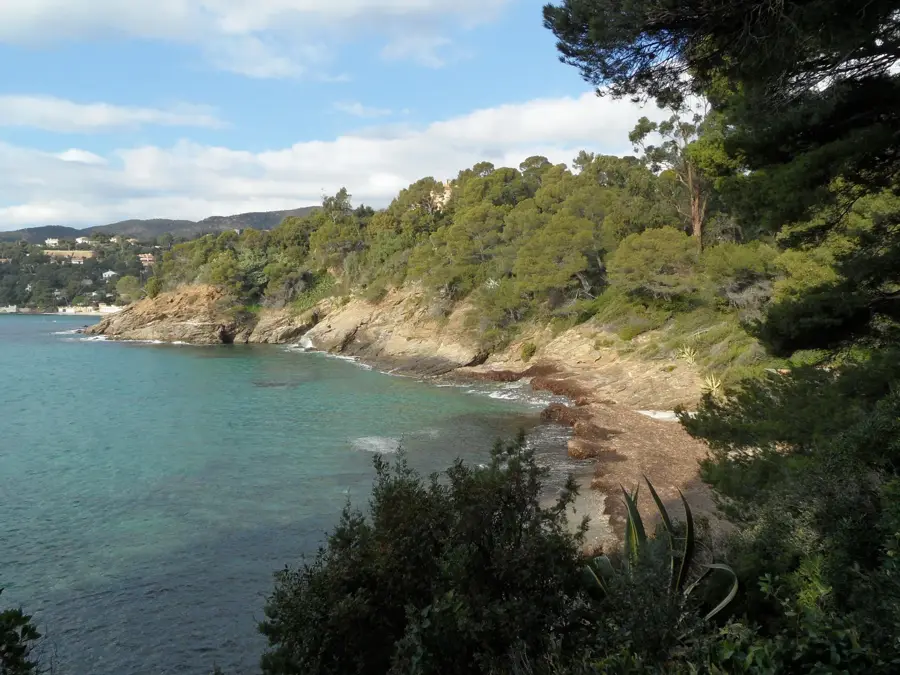
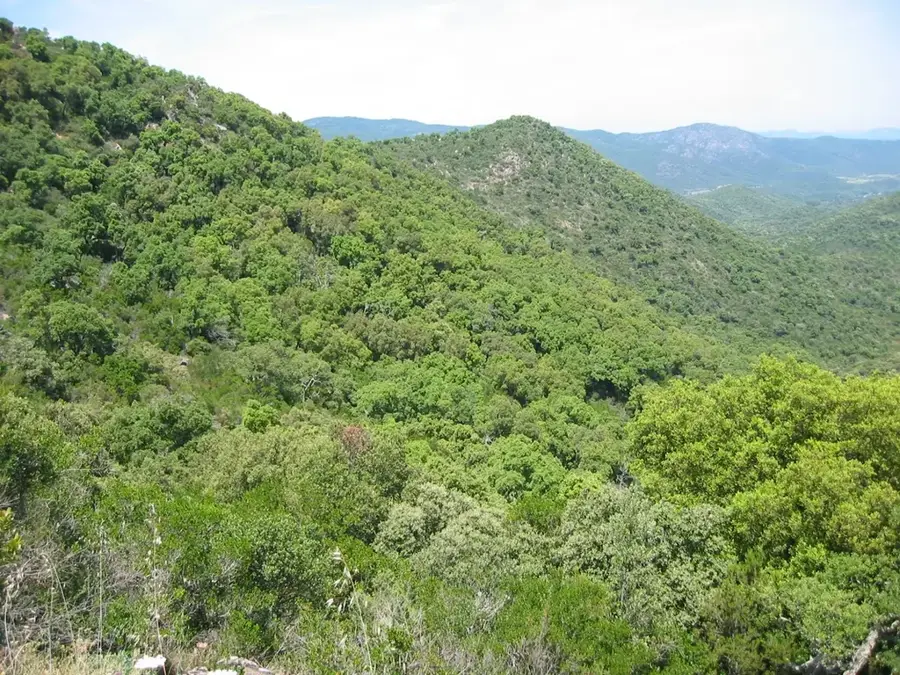
The Massif des Maures is an ancient mountain range in the Var department, stretching between Hyères and Fréjus along the Côte d'Azur coastline. It is one of the wildest and most densely forested areas of Provence, covering approximately 135,000 hectares. Geologically, the massif is composed of very old crystalline rocks such as granite, gneiss, and schist, which distinguishes it clearly from the surrounding limestone ranges. The vegetation is dominated by extensive cork oak and chestnut forests; historically, cork production played a central economic role in the region. The highest point is the Signal de la Sauvette at 776 meters, offering panoramic views over the Îles d'Hyères and the Mediterranean Sea. The area is frequently threatened by forest fires, posing significant challenges for ecological management. Pretty villages like Collobrières are located in its valleys, famous for their chestnut specialties. The region also serves as a refuge for the rare Hermann's tortoise, whose protection is a major local conservation focus.

Best time to visit & climate

The most pleasant time to visit is Jun, Aug, Sep.

JanFebMarAprMayJunJulAugSepOctNovDec
Avg °C56912162225242015106
Rain mm5246504951291420488710972

📋 Practical info

🧭
Getting there
Located conveniently in the Var department, this low mountain range is typically accessed via coastal resort towns like Saint-Tropez or inland rustic villages, utilizing the well-connected regional departmental roads.
📅
Best season
The cooler months of spring and autumn consistently offer the best conditions to explore the dense forests, as the thick vegetation and lower elevations can become uncomfortably hot and dry during the peak summer weeks.
⛰️
Terrain & paths
The area primarily features rolling, accessible hills and gentle ridges composed of ancient crystalline rock, with a large network of mostly moderate dirt trails and wide forest tracks suitable for most walking abilities.
🎒
What to bring
Standard hiking gear is usually perfectly sufficient here; comfortable walking shoes, a wide-brimmed hat for sensible sun protection, and a reliable physical map or offline GPS device for navigating the extensive tracks.
🅿️
Parking
Visitors generally find reliable parking spots in the small inland villages directly bordering the massif, or at specific designated forest entry points and nature reserves scattered throughout the surrounding wider region.
⚠️
Safety
Devastating wildfires are a significant and well-known risk in these dense Mediterranean forests during the dry summer months; recreational access is often strictly regulated or entirely prohibited on days with high wind.
⏱️
Time needed
Recreational visits typically range from a few short hours for a leisurely forest walk under the canopy to a full, active day exploring the hidden river valleys and centuries-old historic villages located in the hills.

Geography

Coordinates
43.25000, 6.33330

Facts

  • The massif covers an area of approximately 135,000 hectares.
  • The highest peak is the Signal de la Sauvette at 776 meters.
  • It is composed of old crystalline rocks like gneiss and schist.
  • The cork oak forests have been managed for centuries.
  • The village of Collobrières is known as the capital of the chestnut.
  • It is a vital conservation area for the Hermann's tortoise.

Explore nearby

Notable places around
Route planner — Car & Motorhome

Where do you start? We build the route here, with stops and country notes along the way.

Vehicle
Only stops with (optional):

© OpenStreetMap contributors · OpenRouteService

Sights in the town Massif des Maures (7)

Musée de la fabrique du marron glacé🏛 museum

A museum dedicated to the tradition of glazed chestnuts.

La Sauvette📍 landmark

Signal de la Sauvette, a summit in the Maures massif with panoramic views.

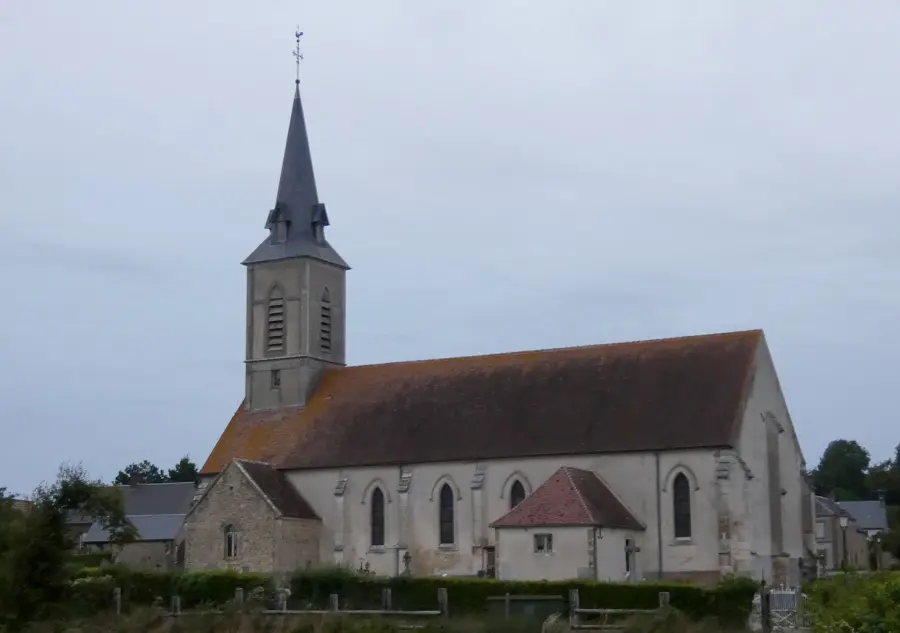
Église Saint-Pons🏺 historical

Historic church Saint-Pons in the Massif des Maures.

arboretum📍 landmark

A botanical collection of trees in the Massif des Maures.

Moulin à vent du Collet🏺 historical

The remains of a historic windmill in the Massif des Maures.

impluvium📍 landmark

This site features a traditional rainwater catchment system located in the Massif des Maures.

Chapelle de la Malière⛪ religious

A traditional place of worship situated in the scenic Massif des Maures region.

Sights nearby

Frequently asked questions

What tree species are typical for the massif?
Cork oaks and chestnut trees characterize the landscape of this mountain range in Provence.
Are there wild animals there?
Yes, it is one of the last refuges for the Hermann's tortoise in France.
How high is the highest point?
The Signal de la Sauvette reaches a height of 780 meters.
Is there a fire risk in summer?
Yes, very high. Many trails are closed during strong winds and drought for safety reasons.
What is a local specialty?
Candied chestnuts (Marrons glacés) from Collobrières are famous far beyond the region.
Massif des Maures: where is it located?
Massif des Maures is located in Provence-Alpes-Côte d'Azur, France.
Massif des Maures: what is there to see?
Highlights include Musée de la fabrique du marron glacé, La Sauvette, Église Saint-Pons.
Massif des Maures: when is the best time to visit?
The most pleasant time to visit is Jun, Aug, Sep.
Massif des Maures: why is it worth visiting?

The Massif des Maures is an ancient mountain range in the Var department, stretching between Hyères and Fréjus along the Côte d'Azur coastline.
View on map → The Top 50 Attractions → Most beautiful beaches → OpenStreetMap →
Europe
Explore with Plizio Discover more places in Europe
More places in France →

Nearby cities