Plizio Visual Lab
Fontainebleau Forest
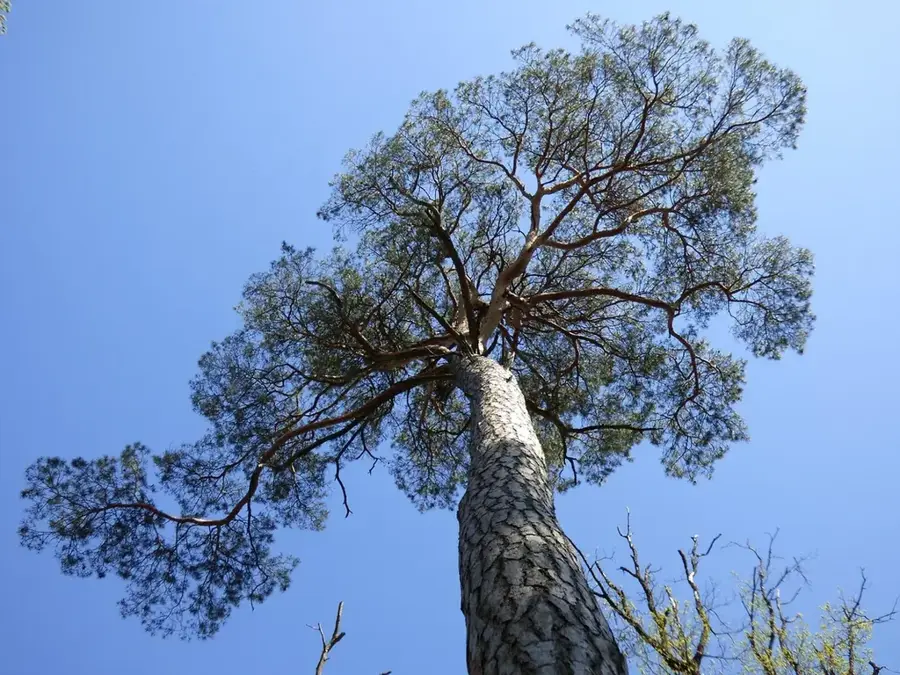
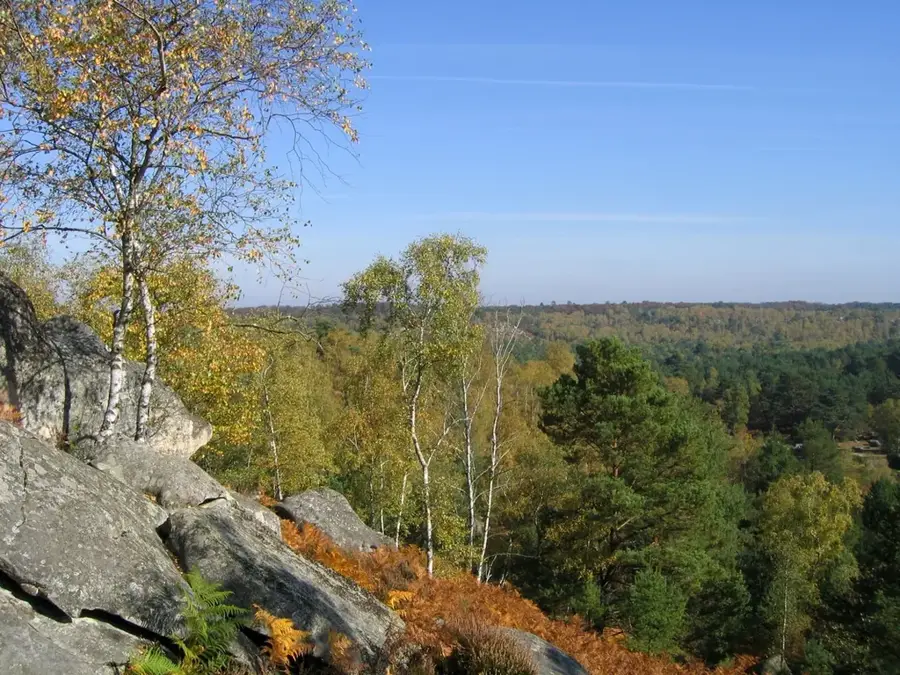
The Forest of Fontainebleau, located about 60 kilometers south of Paris, is one of France's largest and most scenic woodland areas. Covering approximately 25,000 hectares, it is home to exceptional biodiversity and has been recognized as a UNESCO Biosphere Reserve since 1998. The landscape is defined by dense broadleaf forests, expansive heathlands, and unique sandstone rock formations that have made it a world-renowned destination for bouldering. Historically, the forest served for centuries as a royal hunting ground, closely linked to the adjacent Château de Fontainebleau. In the 19th century, it became a major source of inspiration for artists of the Barbizon school, who pioneered plein air painting within its glades. Today, it is a premier recreational area for Parisians and tourists alike, featuring an extensive network of over 1,100 kilometers of marked hiking trails. Conservation efforts in the forest are pioneering, dating back to 1861 when the world's first nature reserves were established here at the urging of concerned local artists.
- Location: Île-de-France, France
- Top sights: artfontainebleau · Théâtre des Sablons · Théâtre Municipal
- Nearby: Champagne-sur-Seine (8 km)
Best time to visit & climate
The most pleasant time to visit is Jun–Aug.
| Jan | Feb | Mar | Apr | May | Jun | Jul | Aug | Sep | Oct | Nov | Dec | |
|---|---|---|---|---|---|---|---|---|---|---|---|---|
| Avg °C | 3 | 4 | 7 | 11 | 14 | 18 | 20 | 19 | 16 | 12 | 7 | 4 |
| Rain mm | 53 | 48 | 52 | 41 | 65 | 60 | 55 | 57 | 42 | 59 | 60 | 66 |
📋 Practical info
Geography
Facts
- Area of approx. 25,000 hectares
- UNESCO Biosphere Reserve since 1998
- Over 1,100 km of marked trails
- World center for bouldering
- World's first nature reserve (1861)
- Home to 5,000 species of fungi
Explore nearby
Notable places around
Route planner — Car & Motorhome
Where do you start? We build the route here, with stops and country notes along the way.
© OpenStreetMap contributors · OpenRouteService
Sights in the town Fontainebleau Forest (10)
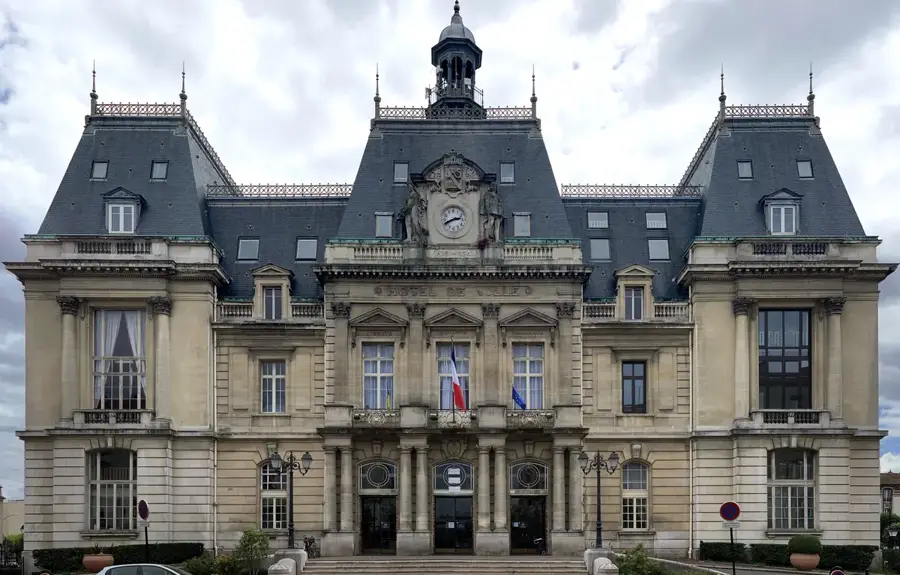
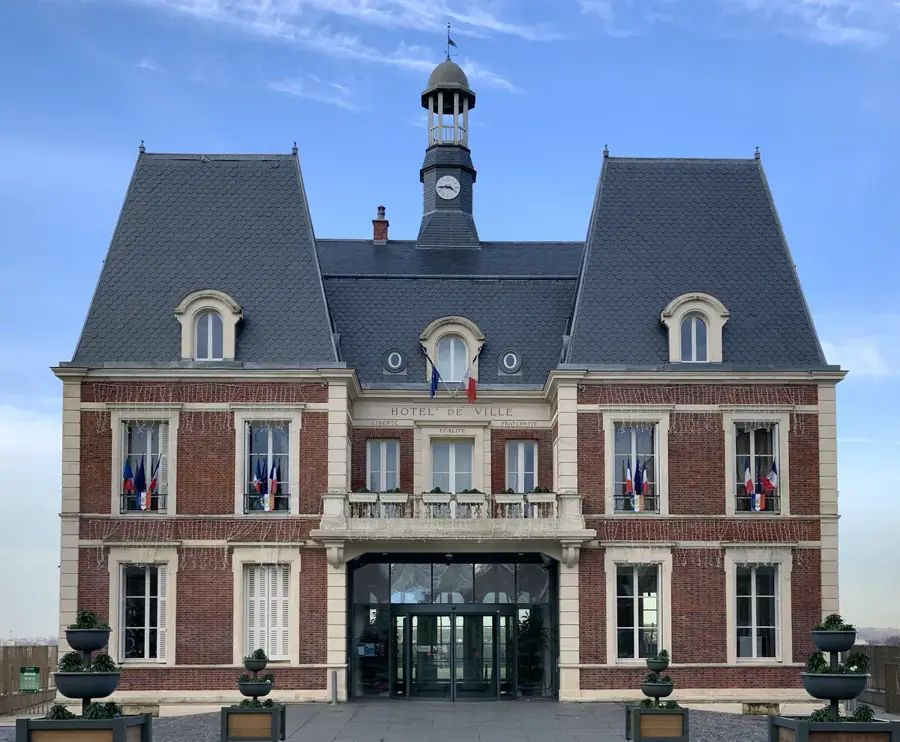
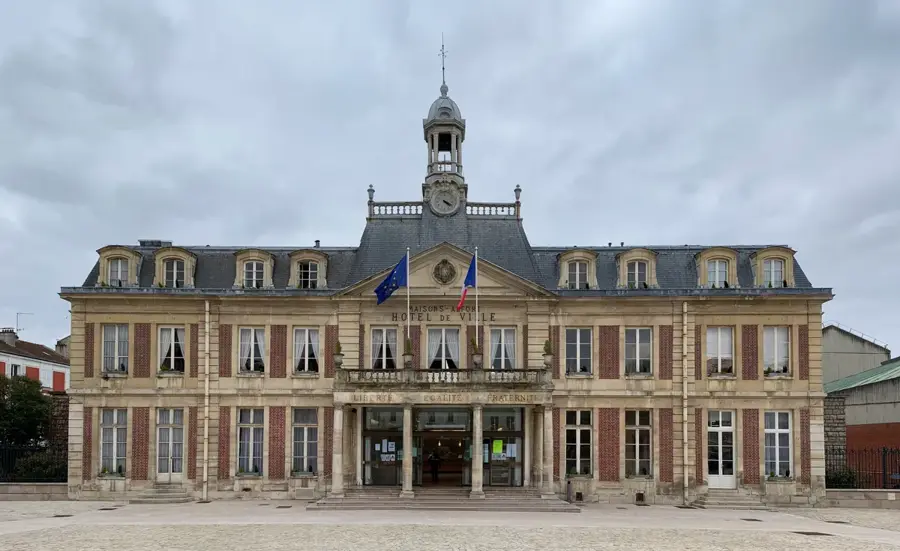
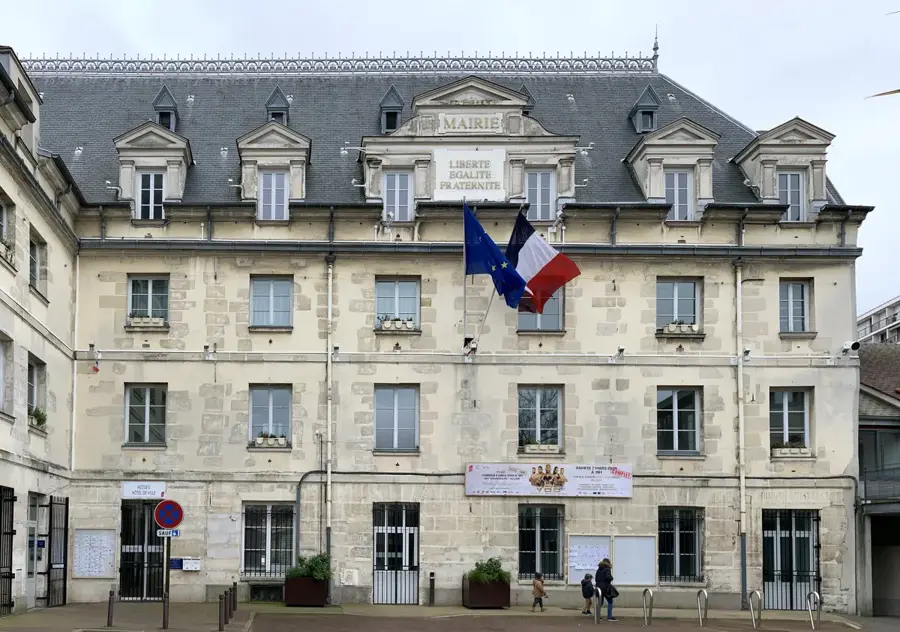
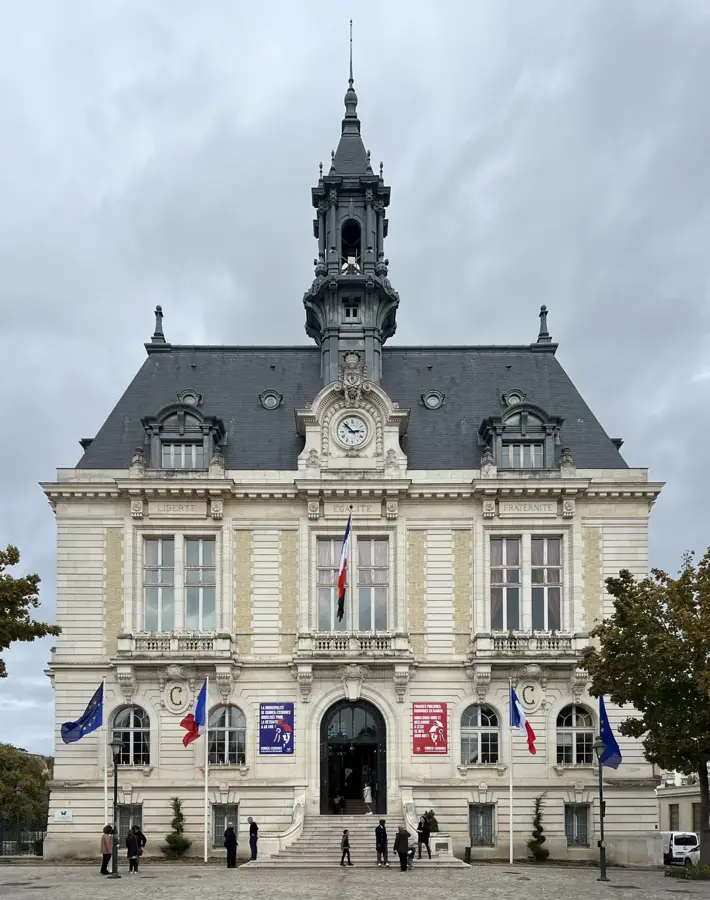
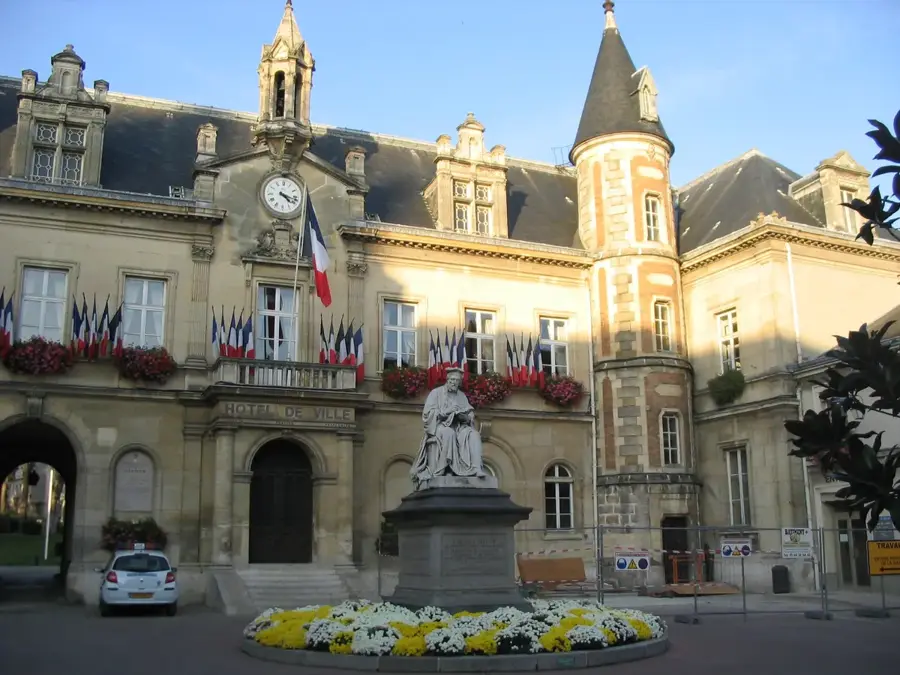
Hôtel de ville de Fontainebleau
Town hall of Fontainebleau, a historic building in the city center.
Escalier Louis XIII
Horseshoe-shaped staircase, a characteristic feature of the Fontainebleau castle.
Palace of Fontainebleau🏰 castle
Palace in Fontainebleau, France, a former royal residence.
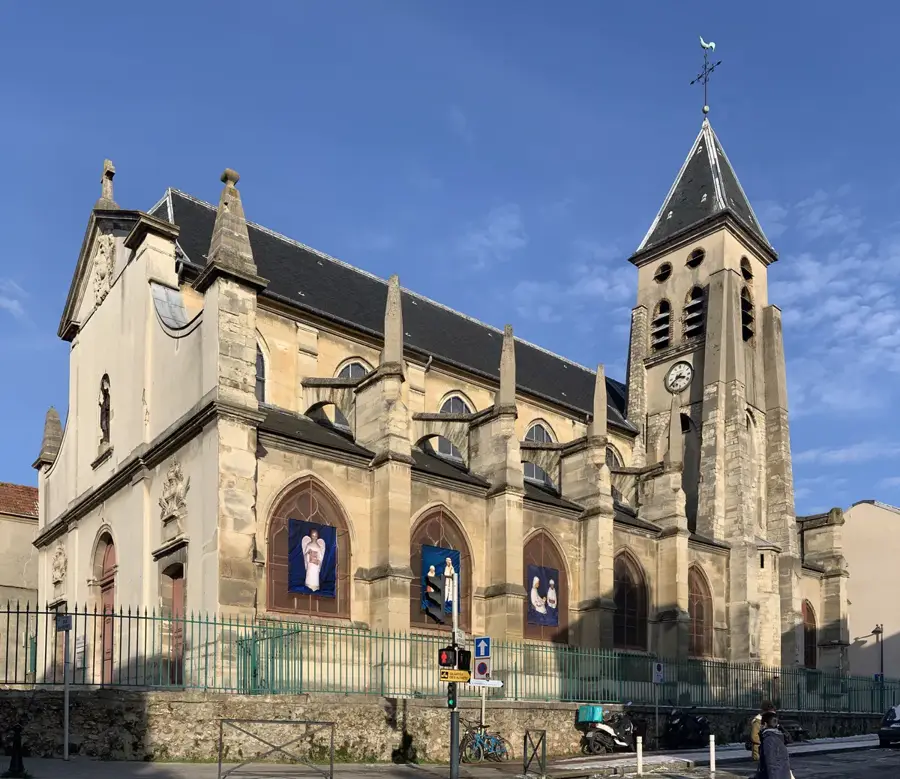
Église Saint-Louis
Catholic religious building in Fontainebleau, France, dedicated to Saint Louis.
Porte du Baptistère
Gate at the Palace of Fontainebleau, leading to the baptistery.
Chapelle Saint-Saturnin
Chapel in the Seine-et-Marne department, a medieval place of worship.
Sights nearby
Frequently asked questions
What is the Fontainebleau Forest world-famous for?
How do you get there from Paris?
Are the hiking trails well-marked?
Is wild camping allowed in the forest?
Which village on the forest edge is worth visiting?
Fontainebleau Forest: where is it located?
Fontainebleau Forest: what is there to see?
Fontainebleau Forest: when is the best time to visit?
Fontainebleau Forest: why is it worth visiting?

Nearby cities