Plizio Visual Lab
Château de Fontainebleau
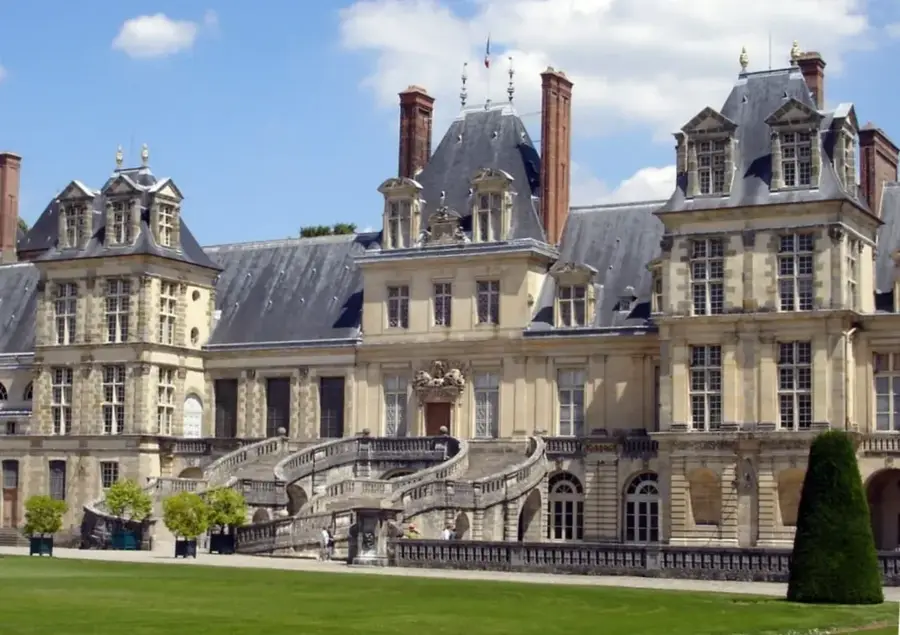
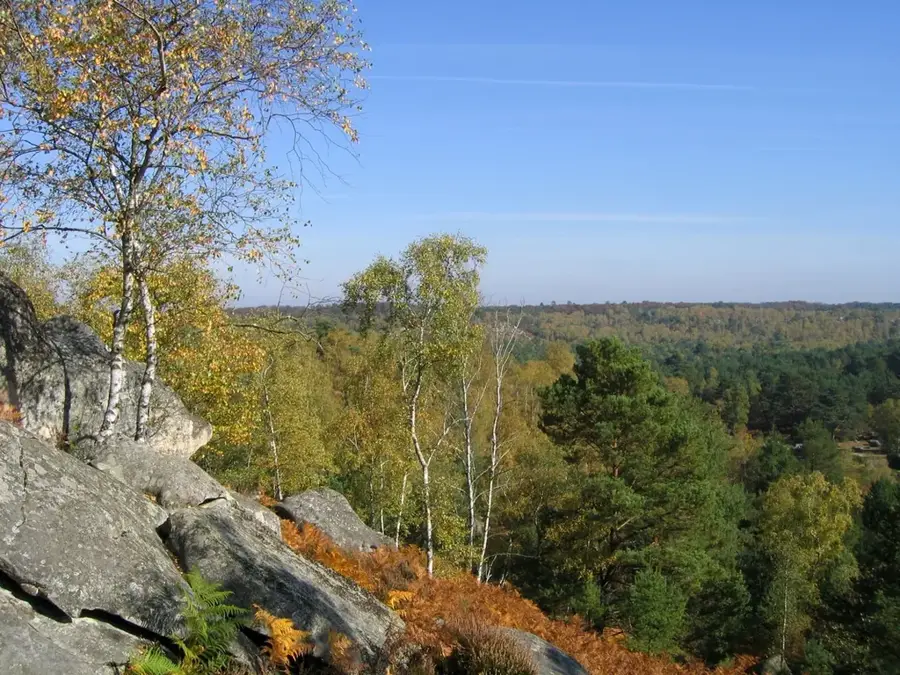
The Château de Fontainebleau is one of the largest and most historically significant royal châteaux in France, with a history spanning over eight centuries. First mentioned in 1137 as a hunting lodge, it was continuously expanded and modified by nearly every French monarch from Louis VII to Napoleon III. A defining era was the reign of Francis I, who commissioned Italian artists to decorate the interiors, leading to the birth of the School of Fontainebleau and the French Renaissance style. The palace contains more than 1,500 rooms and is set within 130 hectares of parkland and gardens, adjacent to a vast forest. It is historically notable as the site where Napoleon I signed his abdication in 1814 on the famous horseshoe-shaped staircase in the Court of Honor. Since 1981, the ensemble has been a UNESCO World Heritage site and currently functions as a national museum showcasing royal apartments and extensive art collections.
- Location: Île-de-France, France
- Top sights: Chapelle de la Trinité · Escalier Louis XIII · Palace of Fontainebleau
- Nearby: Champagne-sur-Seine (8 km)
Best time to visit & climate
The most pleasant time to visit is Jun–Aug.
| Jan | Feb | Mar | Apr | May | Jun | Jul | Aug | Sep | Oct | Nov | Dec | |
|---|---|---|---|---|---|---|---|---|---|---|---|---|
| Avg °C | 3 | 4 | 7 | 11 | 14 | 18 | 20 | 19 | 16 | 12 | 7 | 4 |
| Rain mm | 53 | 48 | 52 | 41 | 65 | 60 | 55 | 57 | 42 | 59 | 60 | 66 |
📋 Practical info
Geography
Facts
- The palace contains a total of more than 1,500 rooms.
- Napoleon I signed his act of abdication here in April 1814.
- The famous horseshoe-shaped staircase was completed in 1632.
- Pope Pius VII was held prisoner in the château between 1812 and 1814.
- The ensemble was added to the UNESCO World Heritage list in 1981.
- The Gallery of Francis I is a masterpiece of the French Renaissance.
Explore nearby
Notable places around
Route planner — Car & Motorhome
Where do you start? We build the route here, with stops and country notes along the way.
© OpenStreetMap contributors · OpenRouteService
Sights in the town Château de Fontainebleau (10)
Théâtre Impérial
Theatre in the Palace of Fontainebleau, built under Napoleon III.
Chapelle Saint-Saturnin
Chapel located in Seine-et-Marne, France.
Porte du Baptistère
Gate at the Palace of Fontainebleau, named after the baptismal font.
Théâtre Municipal
Municipal theatre in Fontainebleau.
Grotte des Pins
Artificial grotto in the park of the Palace of Fontainebleau.
Quartier Henri IV🏰 castle
Historic district with buildings from the time of Henry IV in Fontainebleau.
Sights nearby
Frequently asked questions
Why is Fontainebleau called the 'House of the Centuries'?
What is the most famous exterior feature?
How to reach the castle from Paris?
What can you do in the adjacent forest?
Is the castle accessible for wheelchair users?
Château de Fontainebleau: where is it located?
Château de Fontainebleau: what is there to see?
Château de Fontainebleau: when is the best time to visit?
Château de Fontainebleau: why is it worth visiting?

Nearby cities