Plizio Visual Lab
Basakato

ℹ️Practical info — Basakato
▾
🌤 Weather — 5 days
📍 Nearby
Sights nearby
💡 Tips
- Bring enough cash in XAF (CFA francs) from Malabo, as cards are not accepted here.
- Hire a local guide if you plan to explore the dense surrounding jungle.
- Mosquito repellent and long sleeves are essential, especially at dusk.
- Always ask the village chief or elders for permission before taking portraits of people.
- Shared taxis (bush taxis) from the capital are the most reliable transport.
🍽 Food
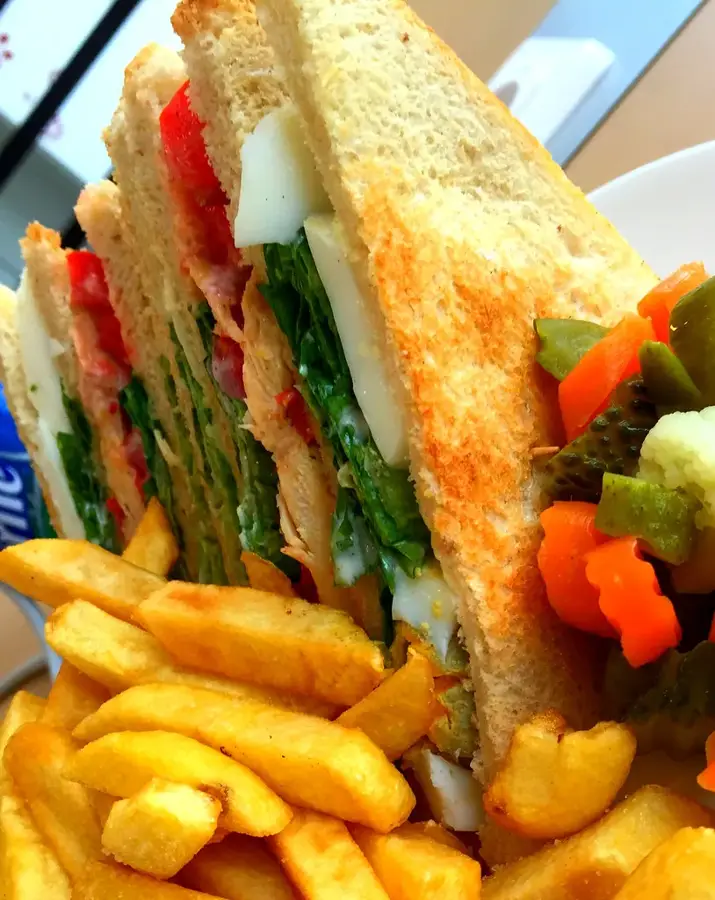
A traditional starchy root dish best tried at local family-run eateries.
Freshly caught and often found at village stalls near the market area.
Buy fresh seasonal fruit directly from roadside vendors in the village.
🛍 Shopping · 🧘 Quiet spots
Buy handmade basketry directly from local artisans in the village.
You can often purchase these raw directly from local farmers.
Provides calm views of the surrounding lush vegetation.
Walk along the paths for a peaceful and scenic nature experience.
Water temperature…
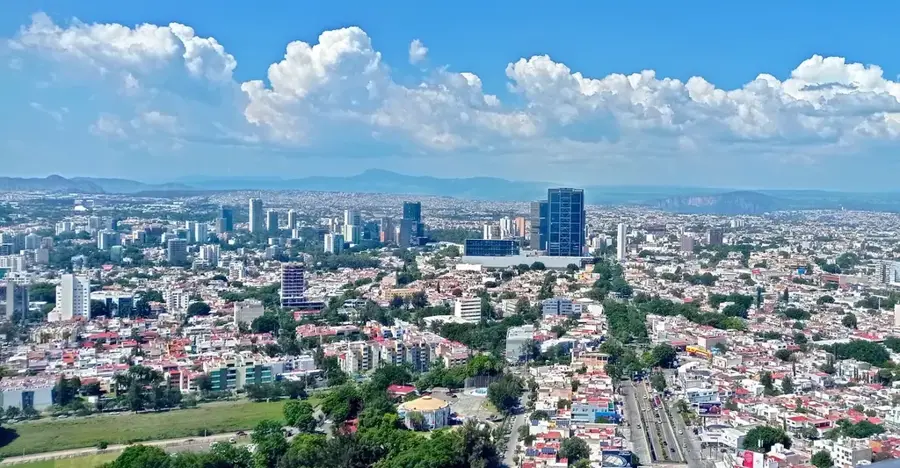
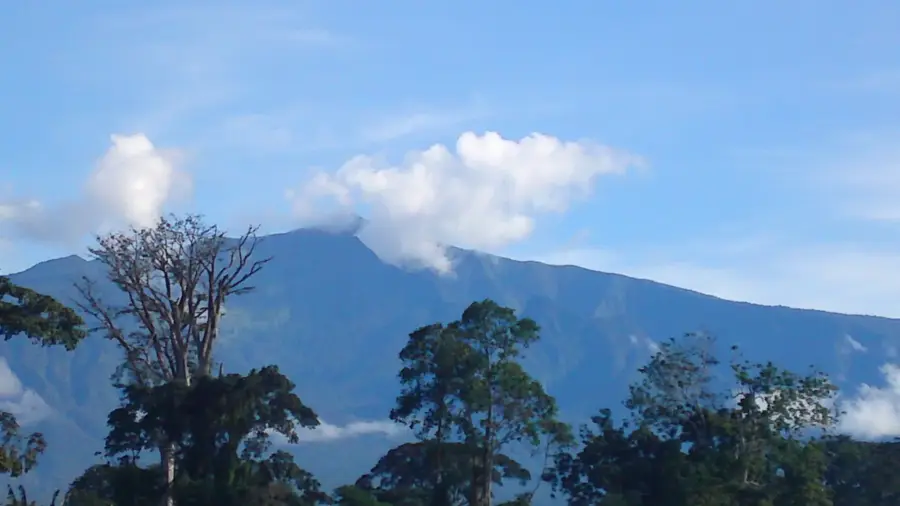
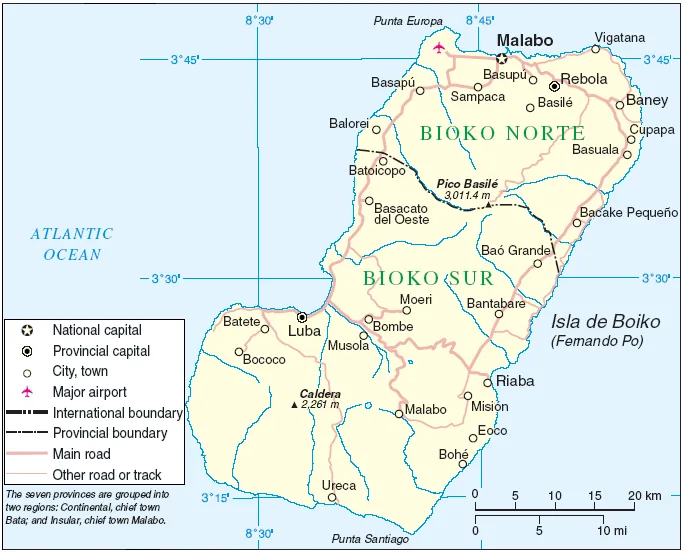
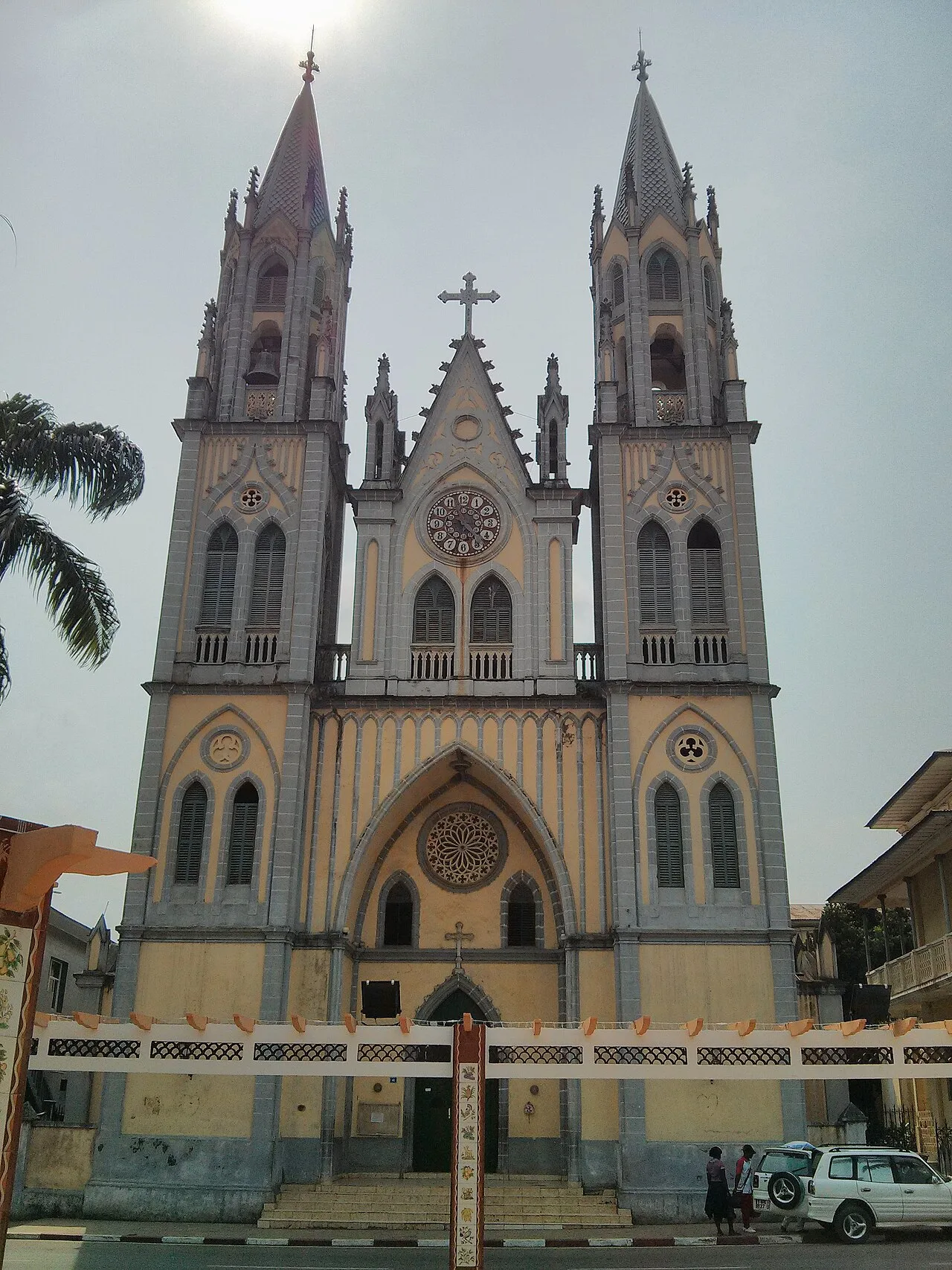
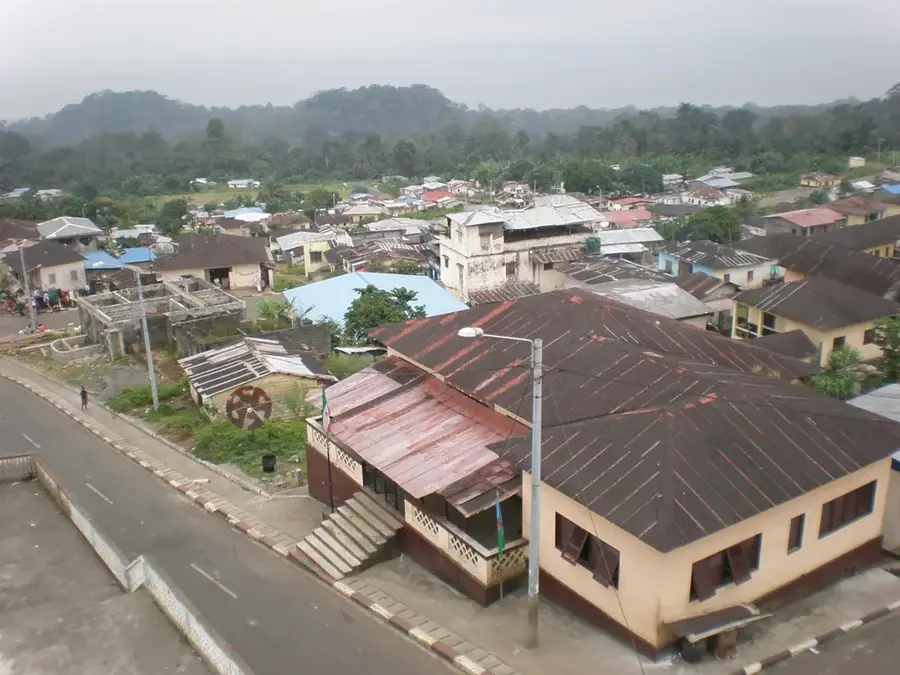
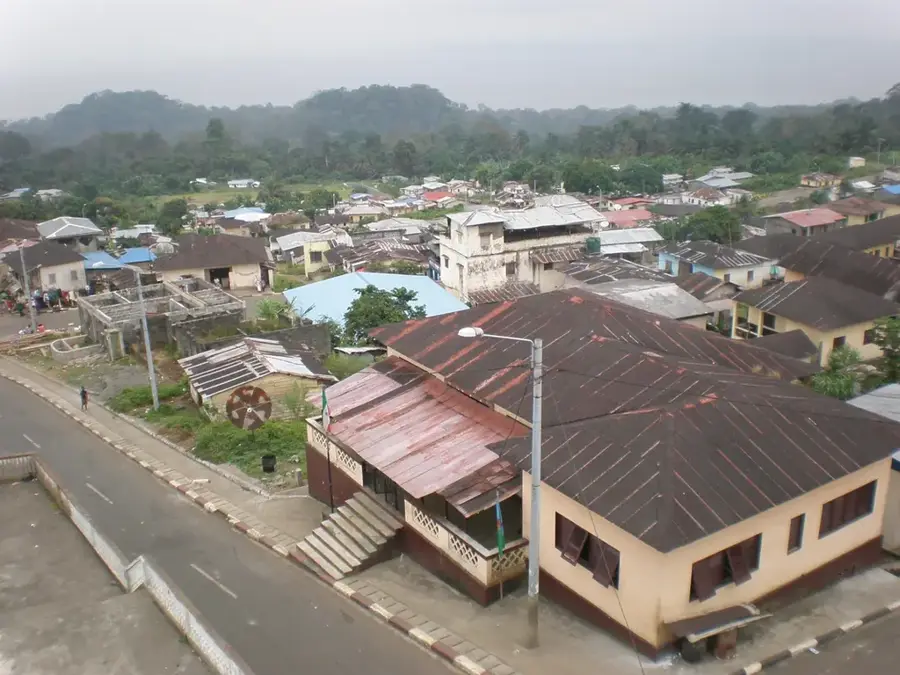
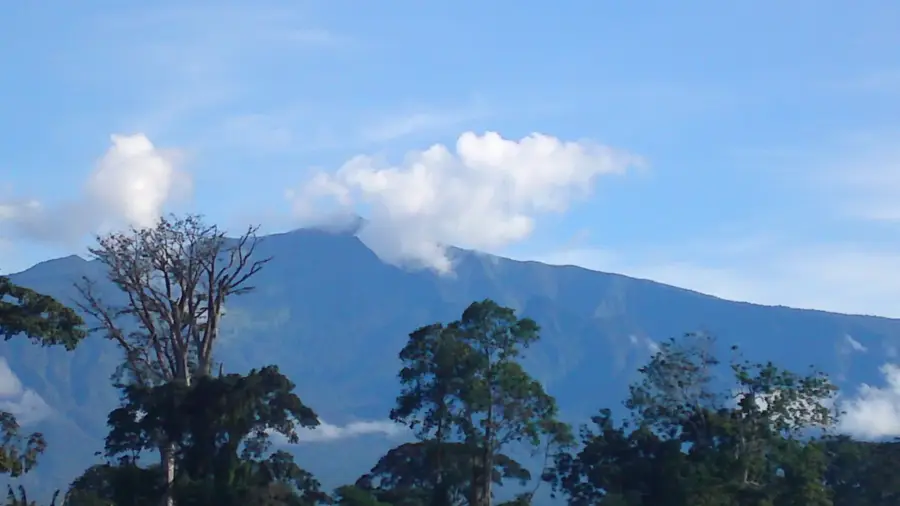
Basakato (often distinguished as Basakato del Oeste or del Este) is a community on Bioko Island in Equatorial Guinea, known for its agricultural traditions and scenic beauty. The settlement is located on the lower slopes of the island's volcanic massifs, benefiting from extremely fertile soils created by past volcanic activity. Historically, the region was a significant center for cocoa cultivation, which formed the economic backbone of the island during the colonial era. The climate is classic equatorial, with high humidity and warm temperatures year-round, encouraging lush vegetation. The inhabitants are predominantly Bubi, whose culture and customs are deeply rooted in the history of the area. Numerous small streams and dense secondary forests surround the town, providing habitats for a wide variety of bird species. Today, Basakato serves as a peaceful residential area with a strong connection to its agrarian roots, while its proximity to the capital, Malabo, influences its local economic dynamics.
- Location: Equatorial Guinea
- Nearby: Basakato del Oeste (8 km)
Best time to visit & climate
The most pleasant time to visit is Jan, Feb, Dec.
| Jan | Feb | Mar | Apr | May | Jun | Jul | Aug | Sep | Oct | Nov | Dec | |
|---|---|---|---|---|---|---|---|---|---|---|---|---|
| Avg °C | 26 | 26 | 27 | 27 | 26 | 25 | 24 | 24 | 25 | 25 | 26 | 26 |
| Rain mm | 32 | 77 | 156 | 202 | 216 | 298 | 306 | 333 | 338 | 243 | 155 | 28 |
Geography
Facts
- Significant center for the Bubi population on Bioko.
- Historical location for large cocoa plantations (fincas).
- Located near the Pico Basile National Park.
- Features fertile volcanic soils enriched with ash.
- Known for local festivals and traditional folk dances.
- Major area for the cultivation of tropical fruits like papaya.
Explore nearby
Notable places around


Route planner — Car & Motorhome
Where do you start? We build the route here, with stops and country notes along the way.
© OpenStreetMap contributors · OpenRouteService
Frequently asked questions
Where exactly is Basakato located?
How do I get from Malabo to Basakato?
What is special about Basakato?
Are there restaurants in Basakato?
When is market day in Basakato?
Basakato: where is it located?
Basakato: when is the best time to visit?
Basakato: why is it worth visiting?

Nearby cities


History & landmarks


More places