Plizio Visual Lab

Siwa Oasis
Plizio editorial teamData Sources
Lake
—°2
Siwa Oasis (Egypt)

Weather…

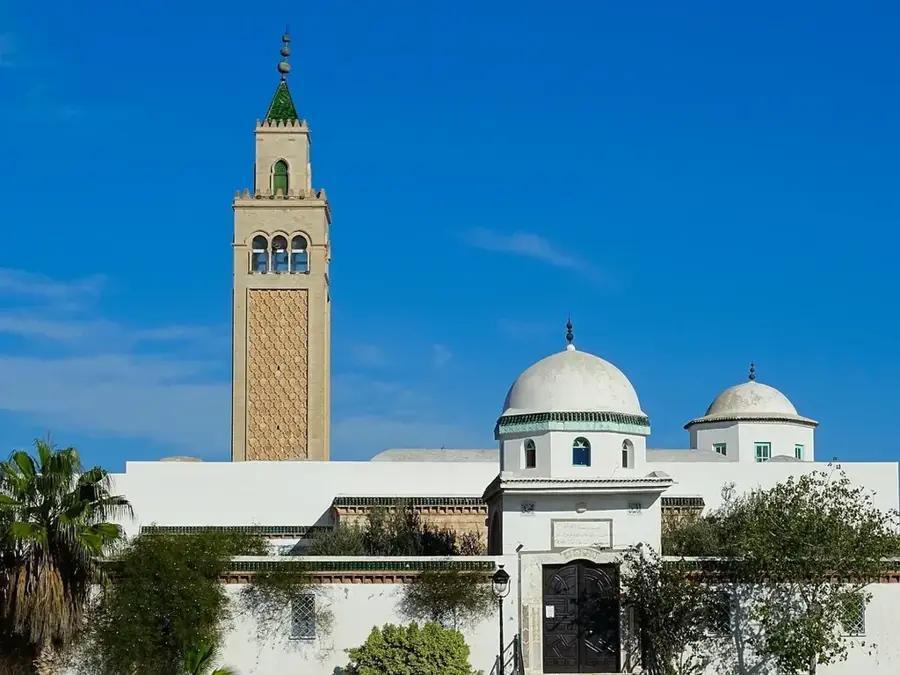
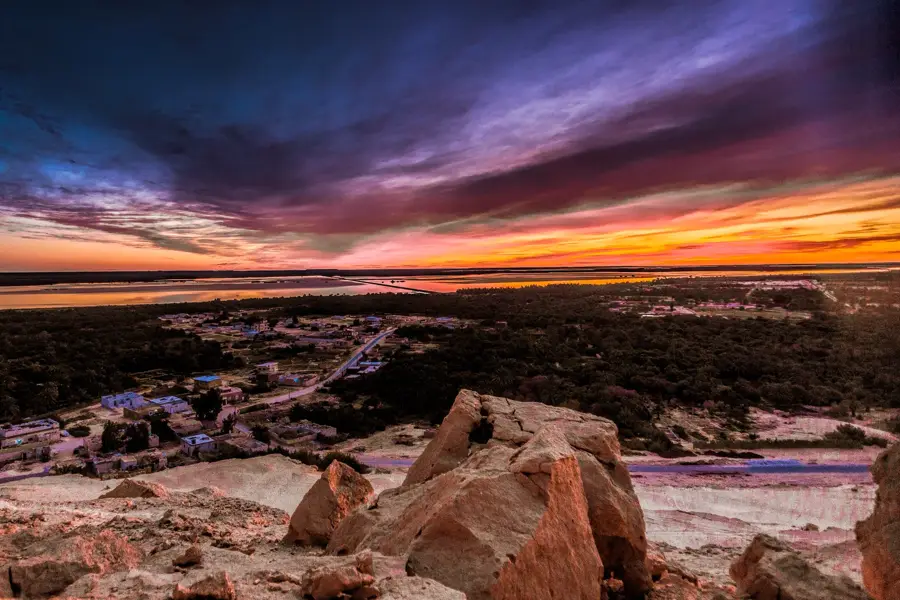
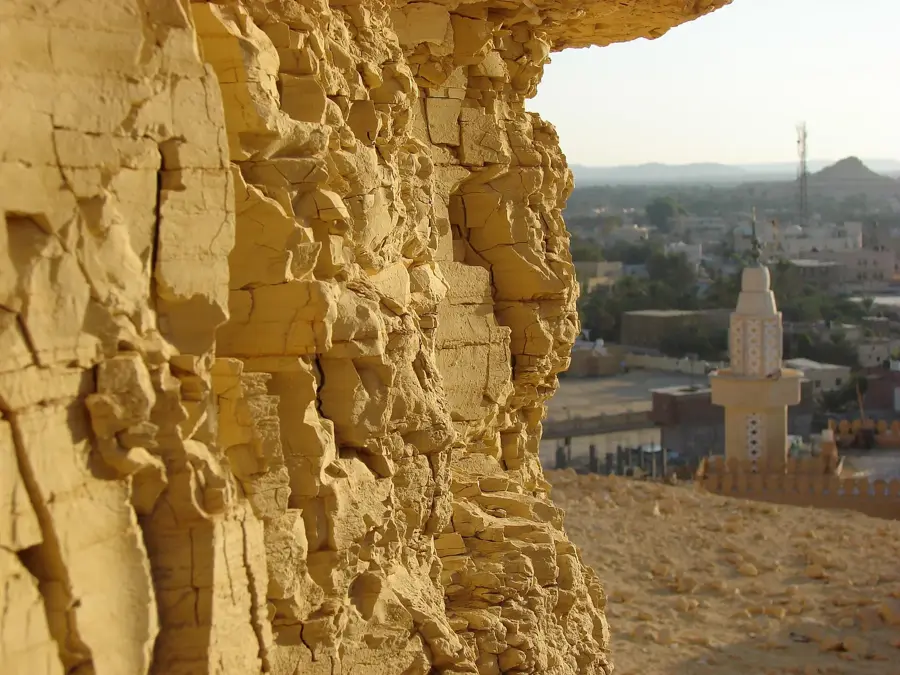
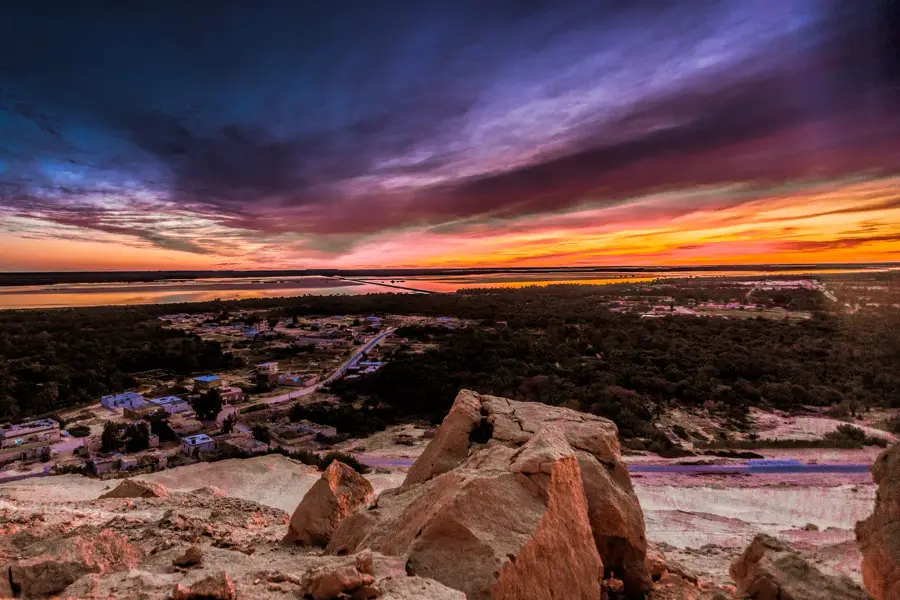
Siwa Oasis is located in northwestern Egypt, tucked away in a deep depression within the Libyan Desert, approximately 50 kilometers from the border with Libya. It is renowned for its unique ethnic identity and the Siwi language, a Berber dialect preserved due to the oasis's long-standing isolation. Historically, Siwa rose to fame as the home of the Oracle of Amun, which Alexander the Great visited in 331 BC to seek confirmation of his divine kingship. The oasis is sustained by more than 200 natural artesian springs, supporting millions of date palms and olive trees that form the backbone of the local economy. The town is characterized by the ruins of the 13th-century Shali fortress, constructed from kershef, a traditional building material made of salt-rich mud. Surrounding the settlement are various salt lakes and ancient archaeological sites, including the Mountain of the Dead, featuring tombs from the 26th Dynasty and the Ptolemaic era. Today, Siwa is a key destination for sustainable tourism and salt production.

Best time to visit & climate

The most pleasant time to visit is Apr, Oct, Nov.

JanFebMarAprMayJunJulAugSepOctNovDec
Avg °C111317212629303028231713
Rain mm651000000235

📋 Practical info

🧭
Getting there
Journeying to this remote desert oasis generally requires a very long overland drive from the major population centers. Travelers typically utilize air-conditioned long-distance buses or private four-wheel-drive vehicles to navigate the seemingly endless desert highways reaching the salt lakes.
📅
Best season
The much cooler winter months, spanning from late autumn to early spring, are widely considered the most pleasant and safe time for a visit. In mid-summer, temperatures in the surrounding desert can become extremely hazardous, making prolonged outdoor activities nearly impossible.
⛰️
Terrain & paths
The harsh landscape immediately surrounding the lakes is dominated by shifting sand dunes and hard, crystallized salt formations directly on the shore. The ground closely bordering the highly saline water is often surprisingly sharp and uneven, demanding careful footing while walking.
🎒
What to bring
An absolutely reliable defense against the sun, consisting of wide-brimmed hats and high-quality sunscreen, is utterly essential in the desert. Due to the extreme salinity, visitors almost always bring abundant fresh water for rinsing off, alongside protective footwear against the sharp salt crystals.
🅿️
Parking
Parking throughout this isolated region tends to be highly informal, often taking place on the edges of the main settlement or near popular access paths. Travelers routinely park their vehicles on designated sandy clearings before walking the final few meters down to the lake shores.
⚠️
Safety
The unrelenting desert heat and the incredibly intense solar radiation present by far the most significant natural risks to any visitors. Dehydration can occur with frightening speed here, and the extremely saline lake water must firmly be kept out of one's eyes at all times.
⏱️
Time needed
Merely exploring the immediate oasis environment and taking a short float in the buoyant salt lakes typically requires at least half a day. However, most travelers ultimately choose to spend several days in the region to truly absorb the deeply unique and isolated desert atmosphere.

Geography

Coordinates
29.20000, 25.50000

Facts

  • Located roughly 560 km away from Cairo
  • Sustained by over 200 natural artesian springs
  • Alexander the Great visited in 331 BC
  • Inhabitants speak Siwi, a unique Berber dialect
  • Shali fortress was established in the 13th century
  • Contains an estimated 300,000 olive trees

Explore nearby

Notable places around

Route planner — Car & Motorhome

Where do you start? We build the route here, with stops and country notes along the way.

Vehicle
Only stops with (optional):

© OpenStreetMap contributors · OpenRouteService

Sights in the town Siwa Oasis (2)

Fort of Shali

Historic mudbrick fortress on a hill in the center of the Siwa Oasis.

House of Siwa🏛 museum

Museum in Siwa, displaying traditional crafts and local culture.

Sights nearby

Frequently asked questions

Can you swim in the salt lakes of Siwa?
Yes, the high salt content makes you float like in the Dead Sea. Be careful with open wounds, it stings significantly!
How far is Siwa from Cairo?
The journey takes about 8 to 10 hours by car or bus via Marsa Matruh (approx. 750 km).
What is Cleopatra's Bath?
It is a natural spring water pool where you can bathe. Despite the name, there is no evidence Cleopatra was ever there.
Is there a dress code in Siwa?
Siwa is very conservative. Shoulders and knees should be covered, especially for women, to respect the local culture.
What is the Siwa Oasis known for?
Known for the Oracle of Ammon (visited by Alexander the Great), its dates, olives, and unique Berber culture.
Siwa Oasis: where is it located?
Siwa Oasis is located in Egypt.
Siwa Oasis: what is there to see?
Highlights include Fort of Shali, House of Siwa.
Siwa Oasis: when is the best time to visit?
The most pleasant time to visit is Apr, Oct, Nov.
Siwa Oasis: why is it worth visiting?
Siwa Oasis is located in northwestern Egypt, tucked away in a deep depression within the Libyan Desert, approximately 50 kilometers from the border with Libya.
View on map → The Top 50 Attractions → OpenStreetMap →
Africa
Explore with Plizio Discover more places in Africa
More places in Egypt →

Nearby cities

History & landmarks

Nature

More places