Plizio Visual Lab
Ali Sabieh Cement Plant
Weather…
Water temperature…
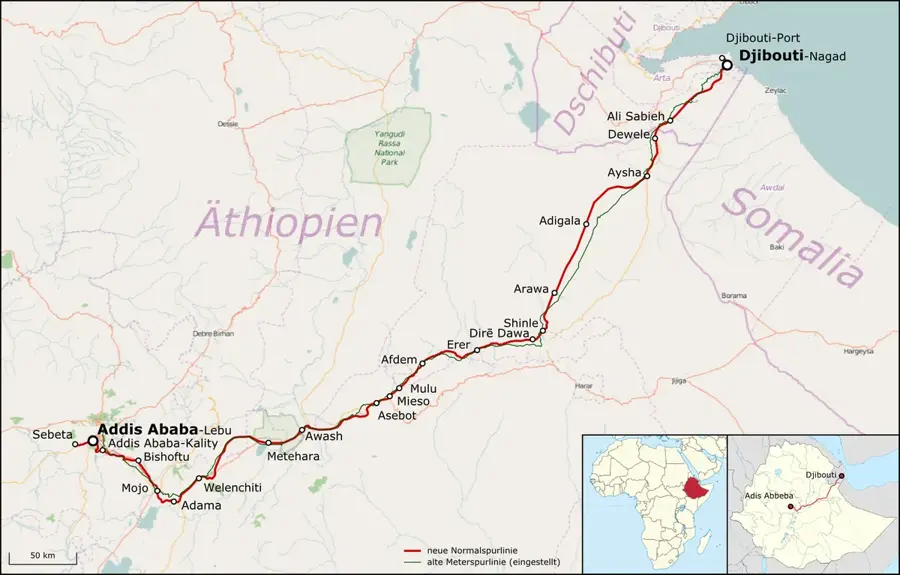
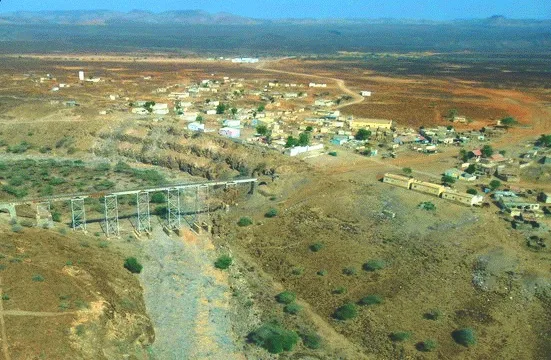
The Ali Sabieh Cement Plant is one of the most significant industrial facilities in southern Djibouti, playing a central role in meeting the national demand for construction materials. The plant was established with Chinese financial backing and technological expertise to reduce the country's reliance on expensive imports. With an annual production capacity of approximately 200,000 tons of cement, the factory supplies numerous large-scale infrastructure projects across the nation, including port and railway developments. The Ali Sabieh region possesses rich limestone deposits, which serve as the primary raw material for production, keeping operational costs competitive. Beyond its economic impact, the plant is a major employer in the region, providing specialized training opportunities for the local workforce. Ongoing modernization efforts aim to improve energy efficiency and minimize the environmental footprint of the manufacturing process. Its strategic location along the main railway line connecting Djibouti City and Addis Ababa ensures excellent logistical access to key markets.
- Location: Djibouti
- Top sights: Dankarrône · Lafta Lissinka · Idaddila‘
- Nearby: Dakka (5 km)
Best time to visit & climate
The most pleasant time to visit is Jan, Feb, Dec.
| Jan | Feb | Mar | Apr | May | Jun | Jul | Aug | Sep | Oct | Nov | Dec | |
|---|---|---|---|---|---|---|---|---|---|---|---|---|
| Avg °C | 23 | 24 | 26 | 28 | 31 | 35 | 35 | 34 | 33 | 28 | 26 | 24 |
| Rain mm | 7 | 7 | 25 | 62 | 23 | 7 | 24 | 35 | 29 | 20 | 11 | 17 |
📋 Practical info
Geography
Facts
- Annual production capacity of approximately 200,000 tons.
- Constructed with the support of Chinese investments.
- Utilizes local limestone deposits from the Ali Sabieh region.
- Key supplier for national port and railway infrastructure.
- Largest industrial employer in the southern region of Djibouti.
- Directly connected to the railway line leading to Ethiopia.
Explore nearby
Notable places around

Route planner — Car & Motorhome
Where do you start? We build the route here, with stops and country notes along the way.
© OpenStreetMap contributors · OpenRouteService
Sights in the town Ali Sabieh Cement Plant (3)
Sights nearby
Frequently asked questions
What does the Ali Sabieh cement plant produce?
Why was the factory built in Ali Sabieh?
Can you visit the cement factory?
How many jobs does the plant provide?
Is the cement plant environmentally friendly?
Ali Sabieh Cement Plant: where is it located?
Ali Sabieh Cement Plant: what is there to see?
Ali Sabieh Cement Plant: when is the best time to visit?
Ali Sabieh Cement Plant: why is it worth visiting?

Nearby cities
More places