Plizio Visual Lab
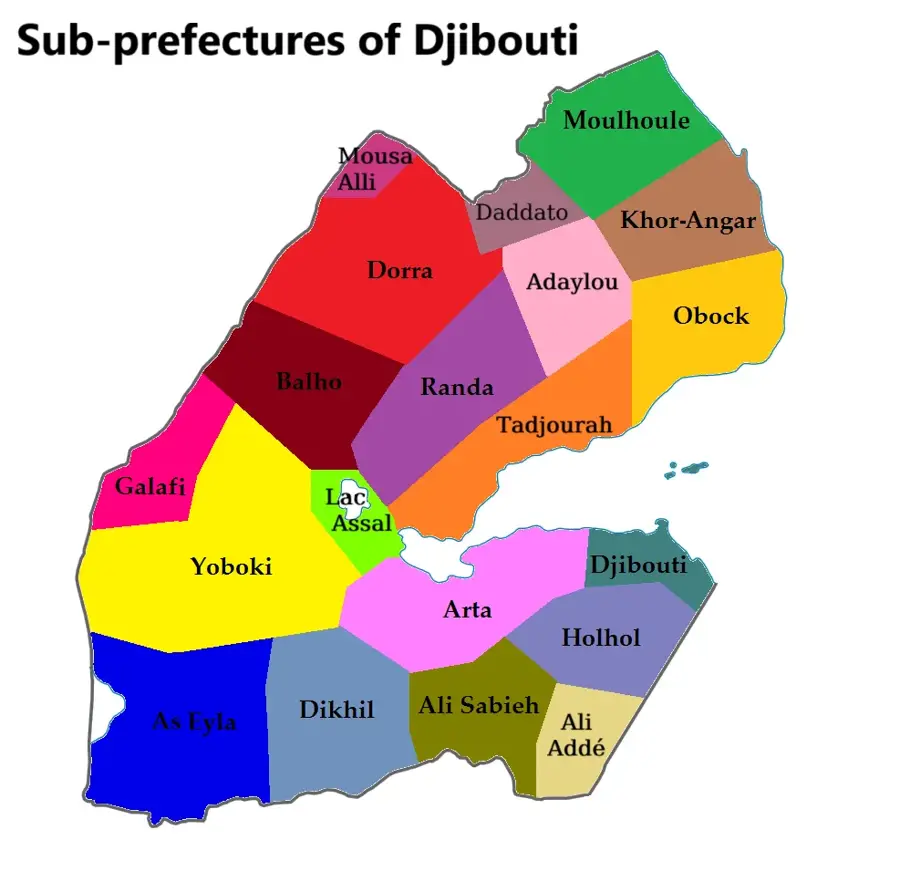
Ali Adde
ℹ️Practical info — Ali Adde
▾
🌤 Weather — 5 days
📍 Nearby
Sights nearby
💡 Tips
- Ali Adde is primarily known for hosting a refugee camp; tourism infrastructure is non-existent, so you must be fully self-sufficient.
- Travel with a robust 4x4 vehicle, as the roads are unpaved, extremely dusty, and challenging to navigate.
- Always carry excessive amounts of drinking water, your own food, and extra fuel, as local supplies are very limited.
- Consult local authorities or NGOs before visiting, as access to certain areas may be restricted or require special permission.
- Respect the privacy and dignity of the local and refugee populations; never take photos without explicit consent.
🍽 Food
Expect only the most basic items like flatbread (lahoh), plain rice, and simple lentil stews at tiny local stalls.
Sweet, heavily spiced milk tea can sometimes be found in small makeshift cafes where locals gather.
For any specialized dietary needs or guaranteed hygiene, you must bring all your own provisions from Djibouti City.
🛍 Shopping · 🧘 Quiet spots
Small, dusty roadside shops offer only the absolute necessities like bottled water and basic dry goods.
You might rarely find small, handmade woven items or beadwork crafted by the local community.
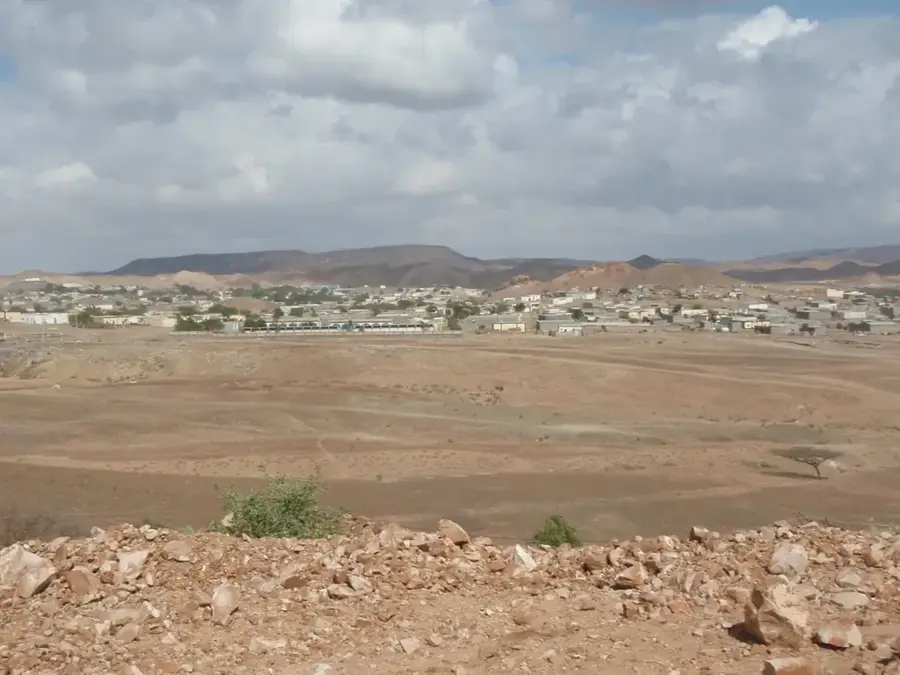
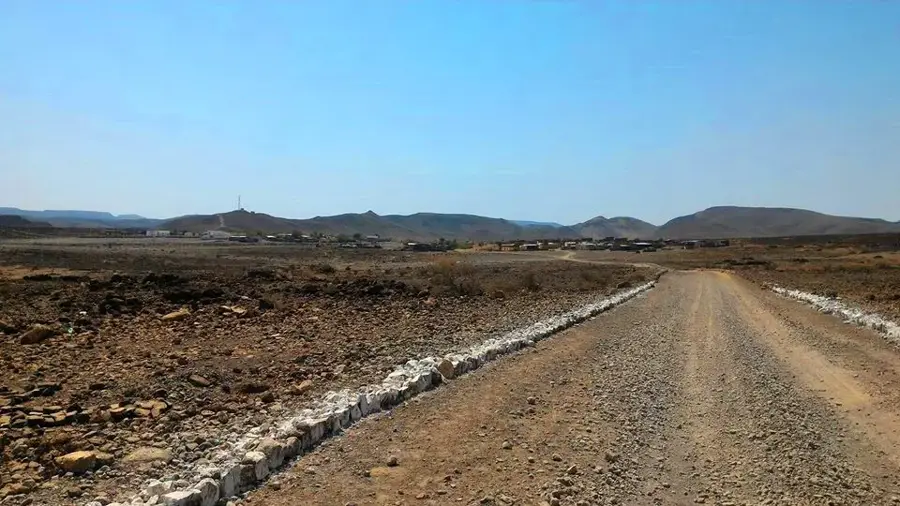
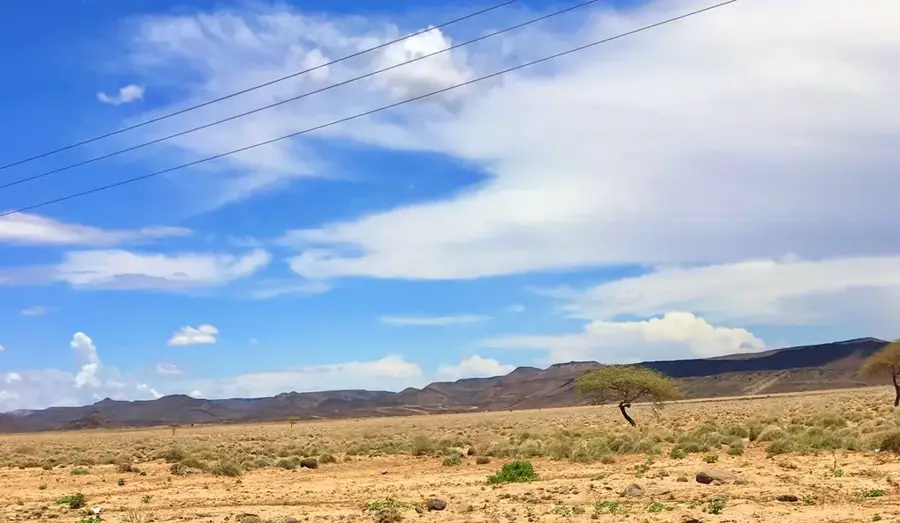
The vast, arid plains outside the settlement area offer a stark, silent environment.
Walking along the dry riverbeds far from the camp provides a moment of isolation in the harsh landscape.
Water temperature…
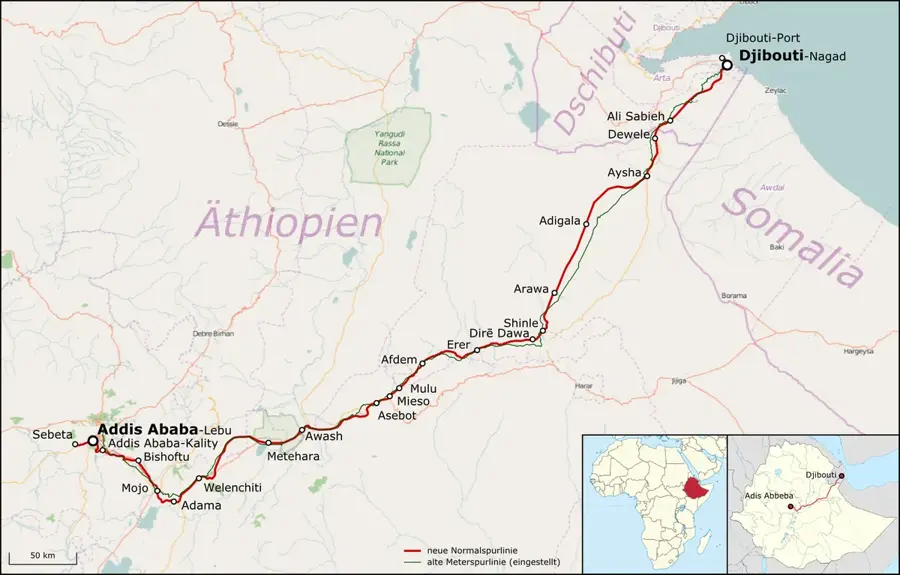
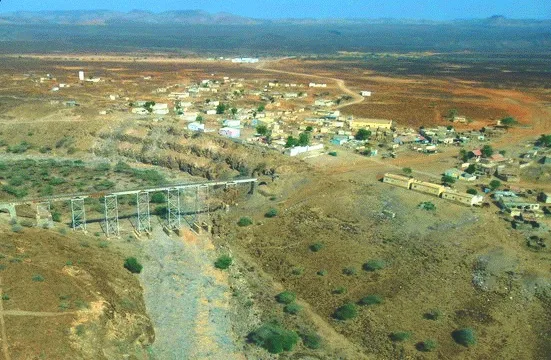
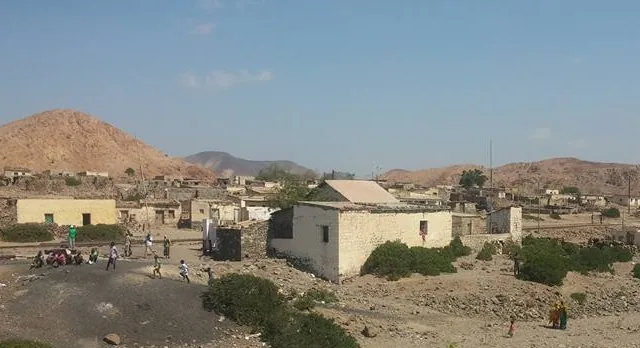
Ali Adde is a town in the Ali Sabieh Region of southern Djibouti, located close to the borders with Ethiopia and Somalia. The town possesses a dual identity: it is a traditional Issa settlement and also the site of one of the longest-standing refugee camps in Africa. The camp was originally established in the early 1990s for Somali refugees and today hosts thousands of individuals, primarily from Somalia and Ethiopia, who have fled conflict and drought. This large refugee population has significantly impacted the town's demographics and economy. The original settlement of Ali Adde is a small center for the local Issa pastoralist population. The presence of international humanitarian organizations to support the camp brings some economic activity and employment to the otherwise remote and resource-scarce region. The environment is semi-arid, and life is defined by water scarcity and high temperatures. Ali Adde thus stands as a symbol of regional instabilities but also of the resilience and hospitality of local communities.
- Location: Djibouti
- Nearby: Guistir (4 km)
- Population: ~3.700 (2025)
Best time to visit & climate
The most pleasant time to visit is Jan, Feb, Dec.
| Jan | Feb | Mar | Apr | May | Jun | Jul | Aug | Sep | Oct | Nov | Dec | |
|---|---|---|---|---|---|---|---|---|---|---|---|---|
| Avg °C | 23 | 24 | 26 | 28 | 31 | 35 | 35 | 34 | 33 | 28 | 26 | 24 |
| Rain mm | 7 | 7 | 25 | 62 | 23 | 7 | 24 | 35 | 29 | 20 | 11 | 17 |
Geography
Facts
- Located in the Ali Sabieh Region, near the border with Ethiopia.
- Has hosted a large refugee camp since the early 1990s.
- The camp is primarily managed by the UNHCR and other NGOs.
- The majority of refugees originate from Somalia and Ethiopia.
- The local population is predominantly from the Issa clan.
- The region is semi-arid with very limited water resources.
Explore nearby
Notable places around


Route planner — Car & Motorhome
Where do you start? We build the route here, with stops and country notes along the way.
© OpenStreetMap contributors · OpenRouteService
Sights in the town Ali Adde (1)
Frequently asked questions
What is known about Ali Adde?
What are the surroundings of Ali Adde like?
Can you visit Ali Adde?
What is the climate like in Ali Adde?
What infrastructure is available locally?
Ali Adde: where is it located?
Ali Adde: when is the best time to visit?
Ali Adde: why is it worth visiting?

Nearby cities
More places