Plizio Visual Lab
Ærø Bakke
Weather…
Water temperature…
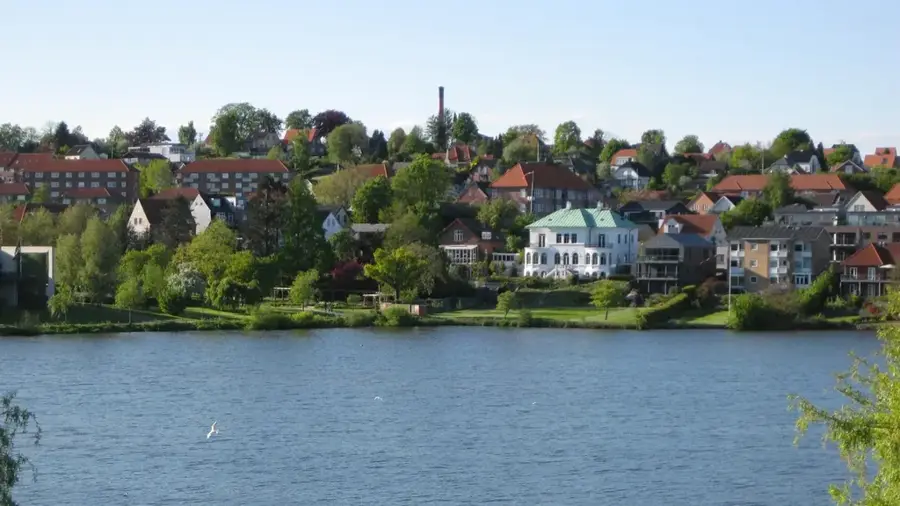
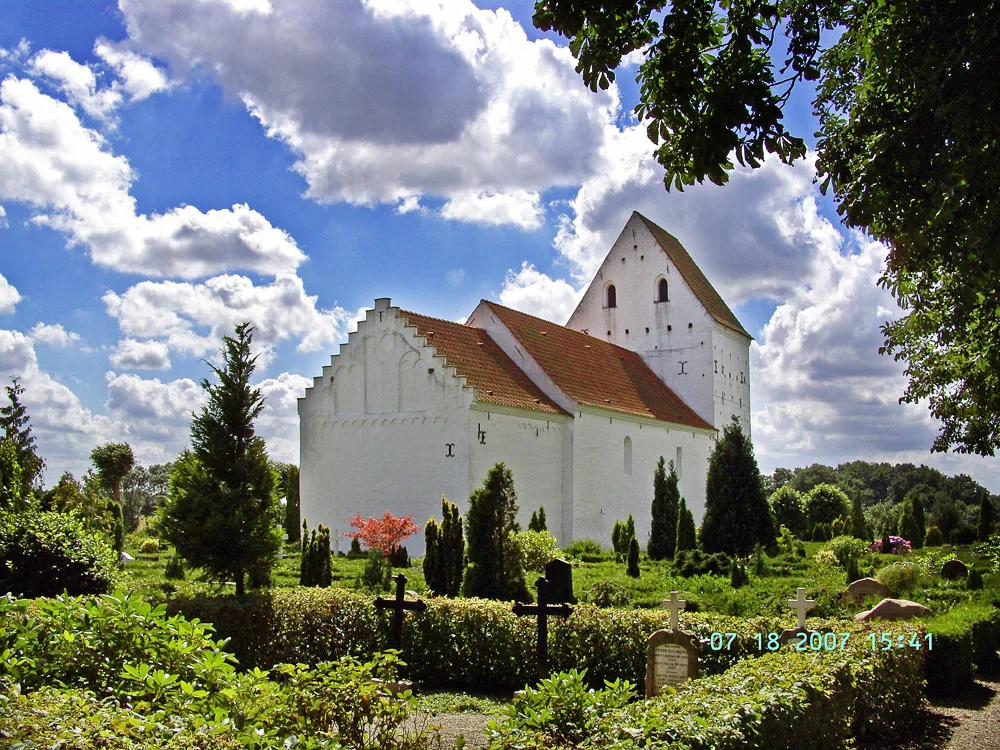
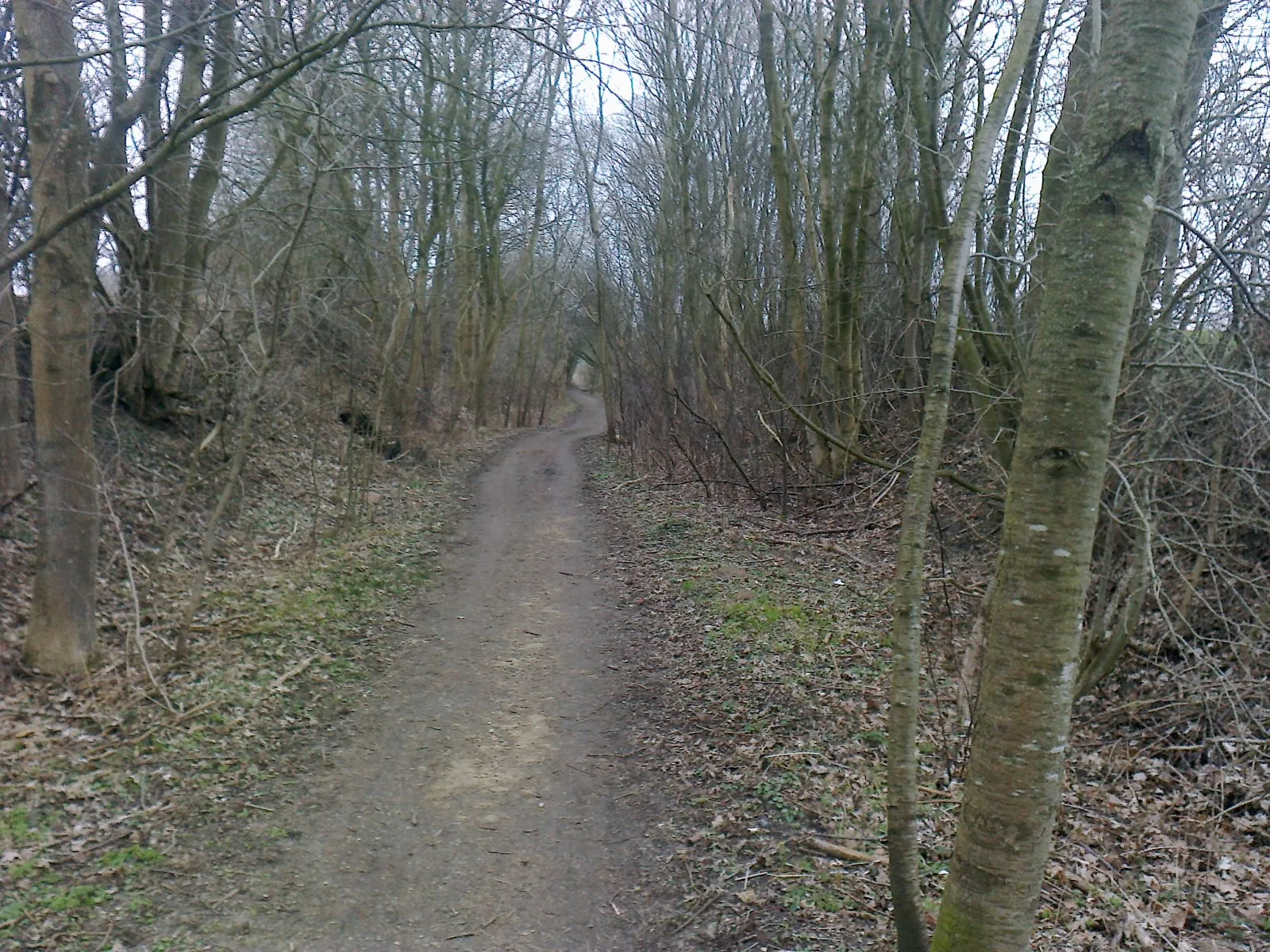
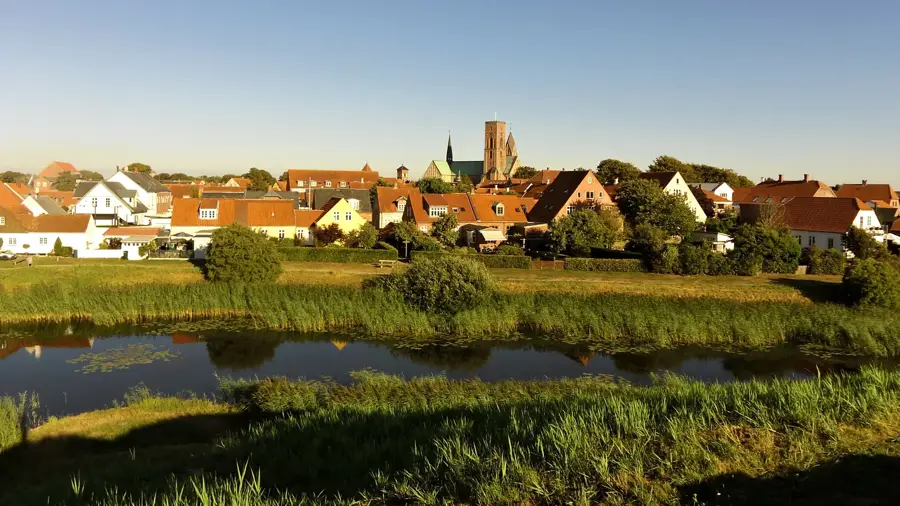
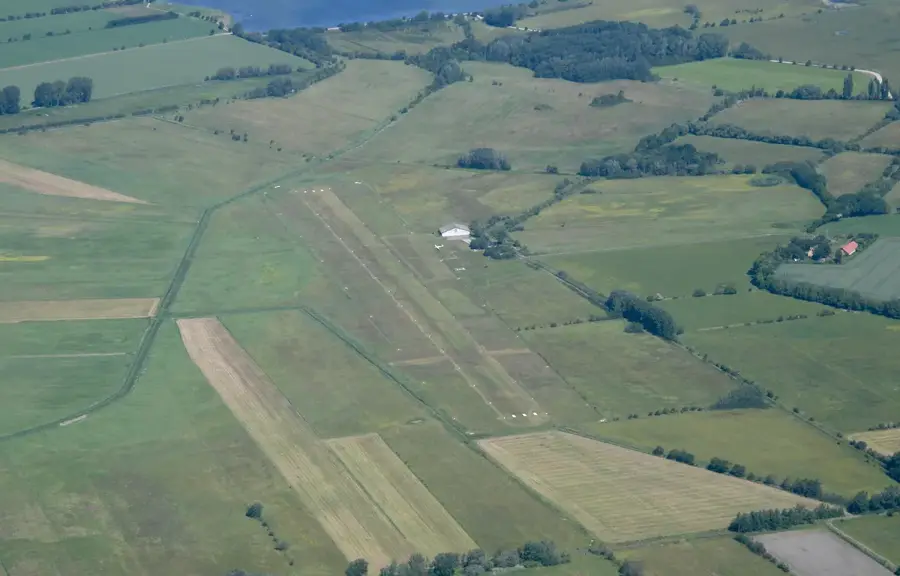
The relief of the island of Ærø in the South Funen Archipelago is a photogenic moraine landscape characterized by its gentle but steady elevations. The island stretches out as a long, narrow ridge, with its highest point, Synneshøj, reaching 61 meters above sea level. This topography was formed by the deposits of massive glacial tongues during the Weichselian glaciation. The relief is particularly impressive on the western coast, where the Voderup Klint cliffs drop almost 30 meters to the sea in a series of natural terraces. In contrast, the terrain flattens out towards the east, transitioning into fertile agricultural fields. Geologically, the island is characterized by clay layers and moraine deposits, which enable intensive land use. The hills provide expansive views over the Baltic Sea and the surrounding islands of the archipelago. The winding roads of Ærø often follow the natural contours of the hills, adding to the special charm of the island's landscape. Furthermore, the relief provides a natural shield for lower-lying villages against harsh westerly winds.
- Location: Denmark
- Top sights: Brynkehøj · Tingstedet · Lindsbjerg Dysse
- Nearby: Ærøskøbing (5 km)
Best time to visit & climate
The most pleasant time to visit is Jul–Sep.
| Jan | Feb | Mar | Apr | May | Jun | Jul | Aug | Sep | Oct | Nov | Dec | |
|---|---|---|---|---|---|---|---|---|---|---|---|---|
| Avg °C | 2 | 1 | 3 | 7 | 12 | 15 | 18 | 18 | 15 | 11 | 7 | 3 |
| Rain mm | 59 | 48 | 43 | 34 | 48 | 66 | 72 | 77 | 56 | 65 | 60 | 61 |
📋 Practical info
Geography
Facts
- Synneshøj is the highest natural elevation on Ærø, at 61 meters.
- Voderup Klint is one of Denmark's largest active coastal landslide areas.
- The island was formed approximately 14,000 years ago from glacial moraines.
- The relief is characterized by the island's unique long and narrow shape.
- The soil composition consists primarily of calcareous glacial till.
- From the hills, one can see as far as Schleswig-Holstein on clear days.
Explore nearby
Notable places around
Route planner — Car & Motorhome
Where do you start? We build the route here, with stops and country notes along the way.
© OpenStreetMap contributors · OpenRouteService
Sights in the town Ærø Bakke (3)
Sights nearby
Frequently asked questions
Where is Ærø Bakke?
What is Voderup Klint?
What is special about Ærøskøbing?
Can you reach Ærø by car?
Is there a bathing beach?
Ærø Bakke: where is it located?
Ærø Bakke: what is there to see?
Ærø Bakke: when is the best time to visit?
Ærø Bakke: why is it worth visiting?

Nearby cities