Plizio Visual Lab
Læsø
ℹ️Practical info — Læsø
▾
🌤 Weather — 5 days
📍 Nearby
Sights nearby
💡 Tips
- Book the ferry from Frederikshavn well in advance, especially during the summer months.
- Rent a bicycle upon arrival; the island is flat and excellent for cycling between sights.
- Visit the historical saltworks in the morning to see the traditional boiling process before the crowds arrive.
- Be respectful when viewing the seaweed-roofed houses, as many are private homes.
🍽 Food
Try this local crustacean delicacy at the seafood restaurants in the harbors of Vesterø or Østerby.
Look for local cafes serving caramel ice cream sprinkled with the famous coarse Læsø salt.
Buy freshly caught or smoked fish directly from the local fishmongers at the harbor.
🛍 Shopping · 🧘 Quiet spots
Buy the famous coarse salt packaged in canvas bags directly from the saltworks shop.
Look for warm sweaters and hand-spun yarn in the small craft shops scattered around the island.
A peaceful nature reserve on the eastern tip, excellent for bird watching and quiet walks.
A remote sandy beach on the north coast, first-rate for hunting for amber after a storm.
Water temperature…
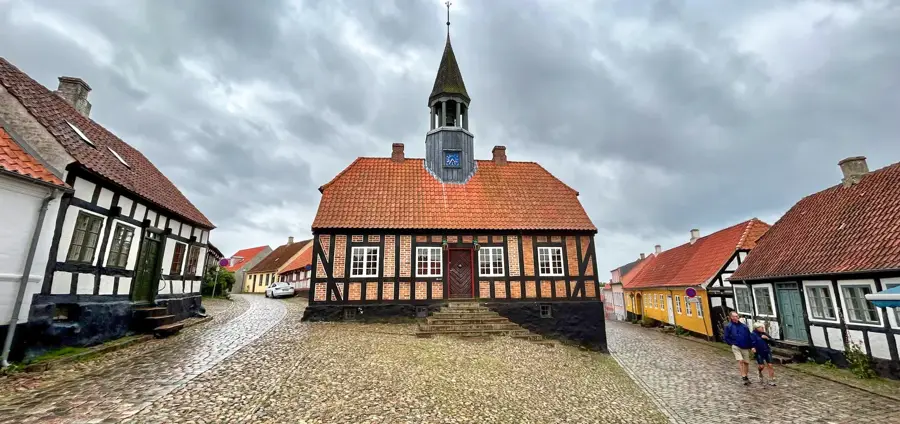
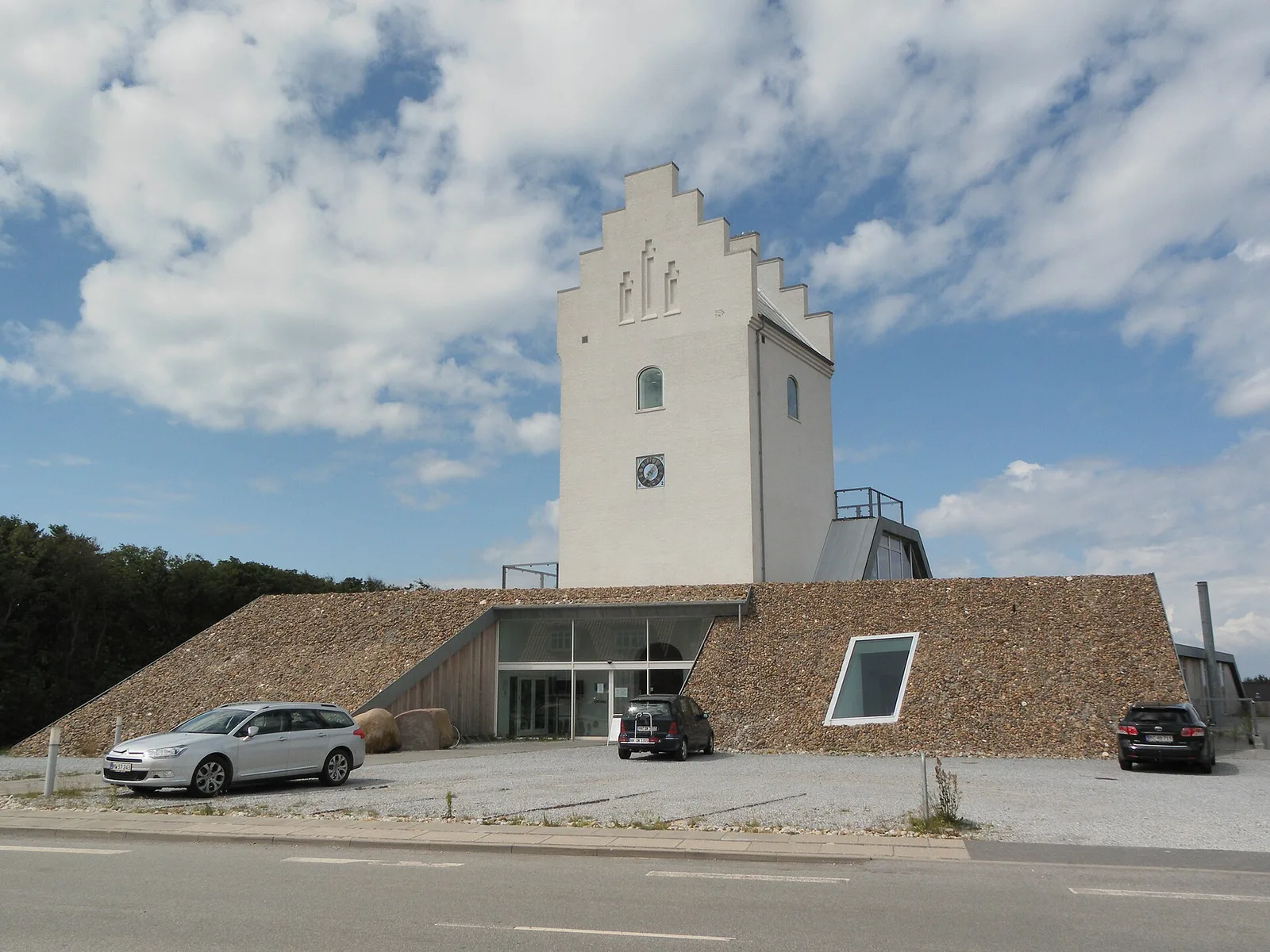
Læsø is the largest island in the Kattegat, best known for its historic salt production. At the Læsø Saltworks (Saltsyderi), salt is produced using medieval open-pan techniques, boiling hypersaline groundwater. Visitors can watch the master salters at work in reconstructed thatched huts and purchase the famous flaky sea salt, which is a staple in high-end Scandinavian cuisine. The island's architectural signature is its seaweed-thatched houses (Tangtage). Originating in the 17th century due to a lack of timber, these roofs are made from dried eelgrass, which becomes salt-crusted and incredibly durable, lasting up to 300 years. Only 19 of these heavy, unique structures remain today, with 'Museumsgården' serving as a prime example for visitors. Læsø is also the 'scampi capital' of Denmark, celebrated for its fresh Norway lobsters (Jomfruhummer). The island's flat, sandy terrain and vast heathlands are great for horseback riding on Icelandic horses or cycling. The ferry connection from Frederikshavn takes about 90 minutes and delivers visitors to Vesterø, the island's main harbor village.
- Location: Denmark
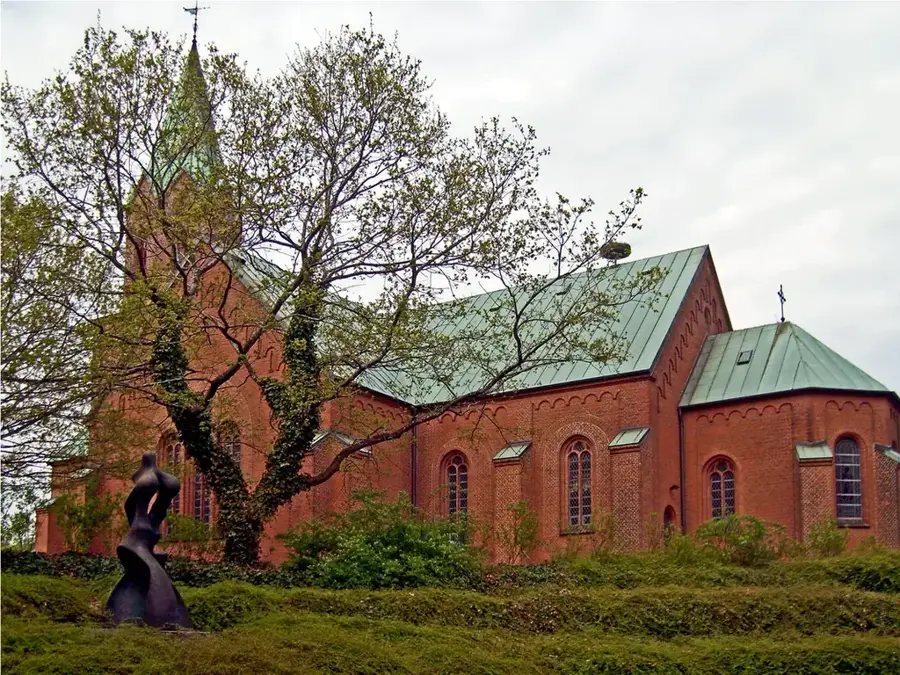
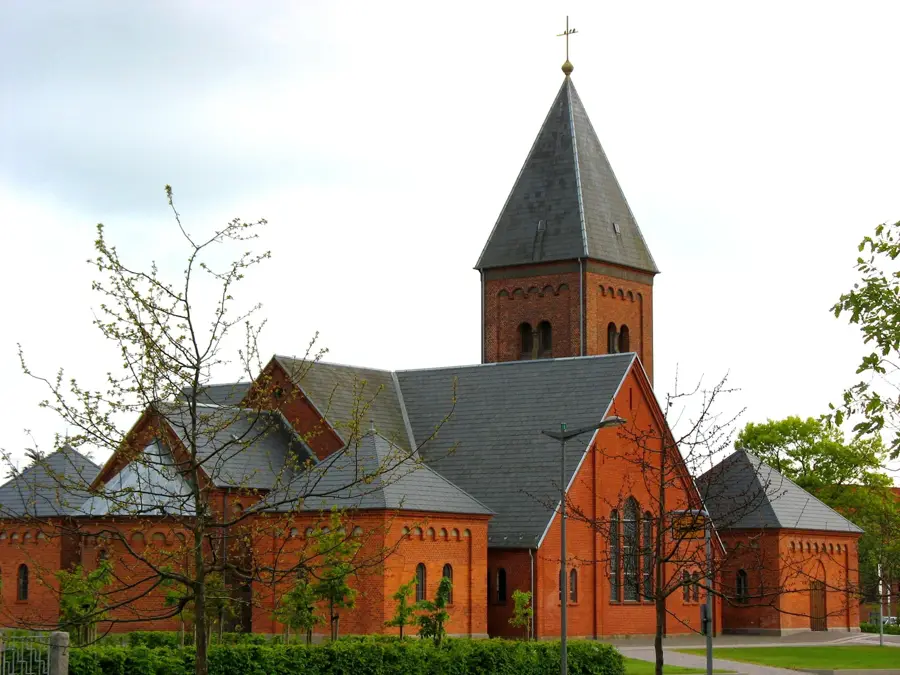
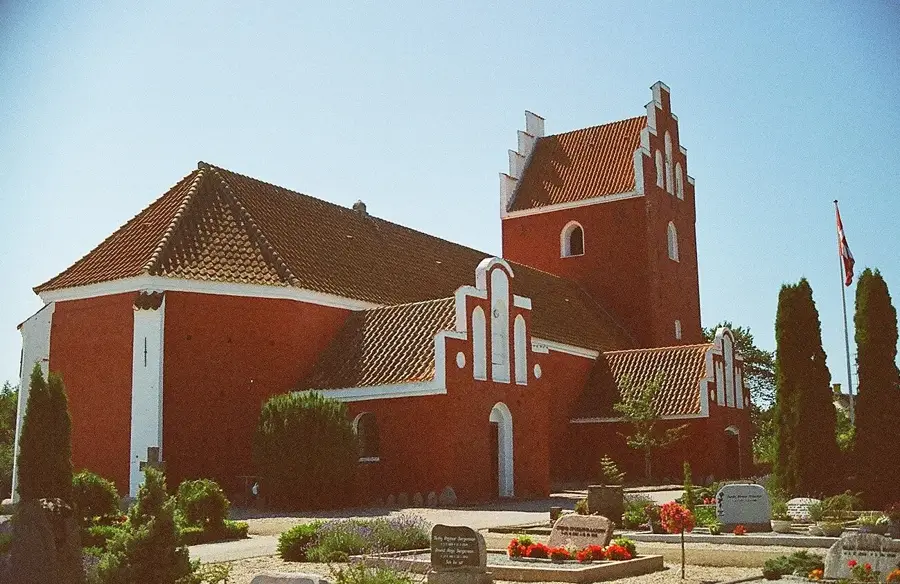
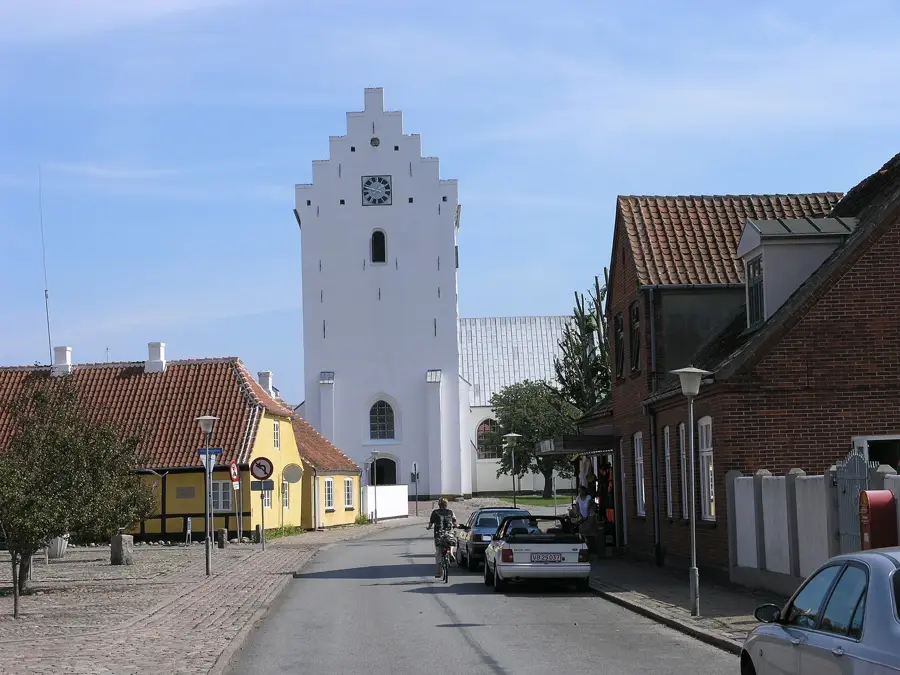
- Top sights: Læsø Salt Museum · Museumshuset · Byrum Kirke
- Nearby: Vesterø Havn (6 km)
- Population: ~444
Geography
Facts
- Largest island in the Kattegat sea.
- Salt is boiled using 12th-century methods.
- Unique seaweed roofs can last for 300 years.
- Only 19 original seaweed-thatched houses remain.
- Denmark's leading provider of Norway lobster.
- Over 80% of the island is protected nature.
- Famed for Icelandic horse riding trails.
- Accessed via ferry from Frederikshavn (90 min).
Explore nearby
Notable places around
Route planner — Car & Motorhome
Where do you start? We build the route here, with stops and country notes along the way.
© OpenStreetMap contributors · OpenRouteService
Sights in the town Læsø (6)
Frequently asked questions
What is the island of Læsø famous for?
Can you visit the salt works on Læsø?
What is culinarily typical for Læsø?
How do you reach Læsø?
Are there wellness offers on Læsø?
Læsø: where is it located?
Læsø: what is there to see?
Læsø: why is it worth visiting?

Nearby cities