
Plizio Visual Lab

Limassol Lowlands

Plizio editorial teamData Sources
valley
—°10
Limassol Lowlands (Cyprus)

Weather…

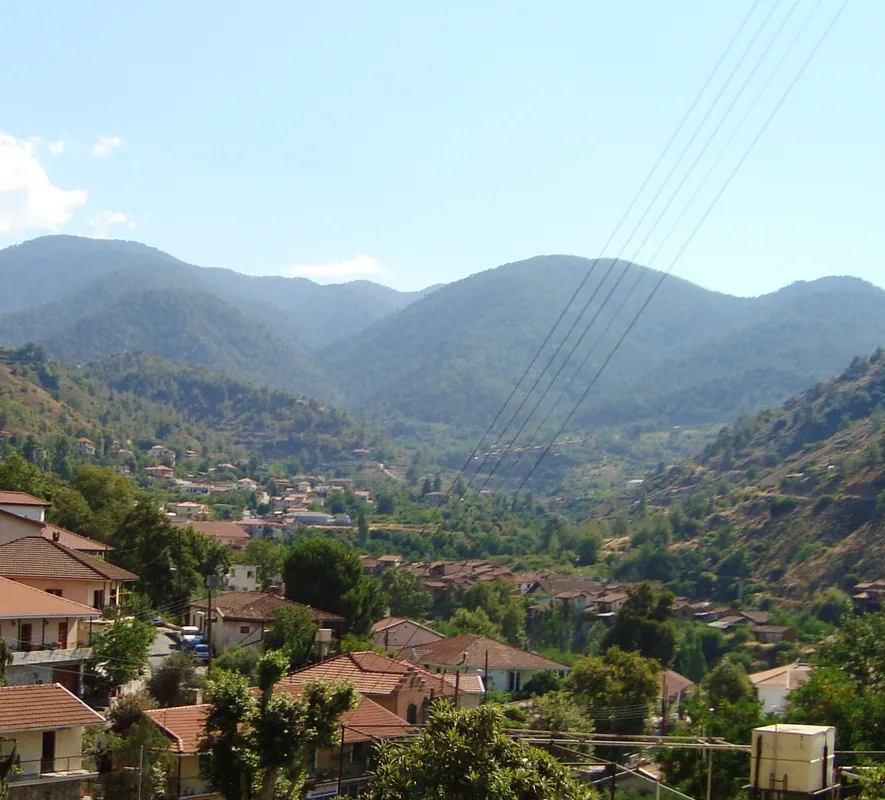
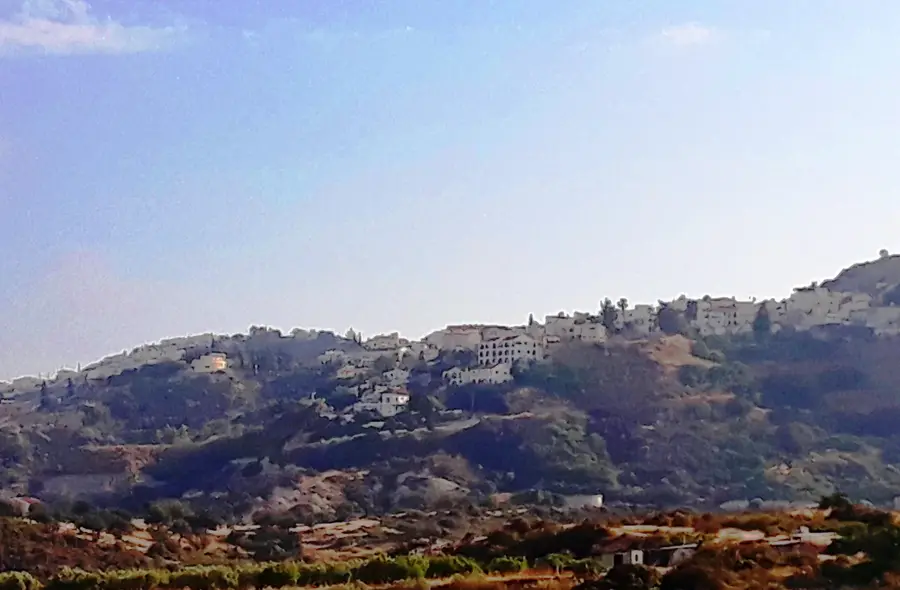
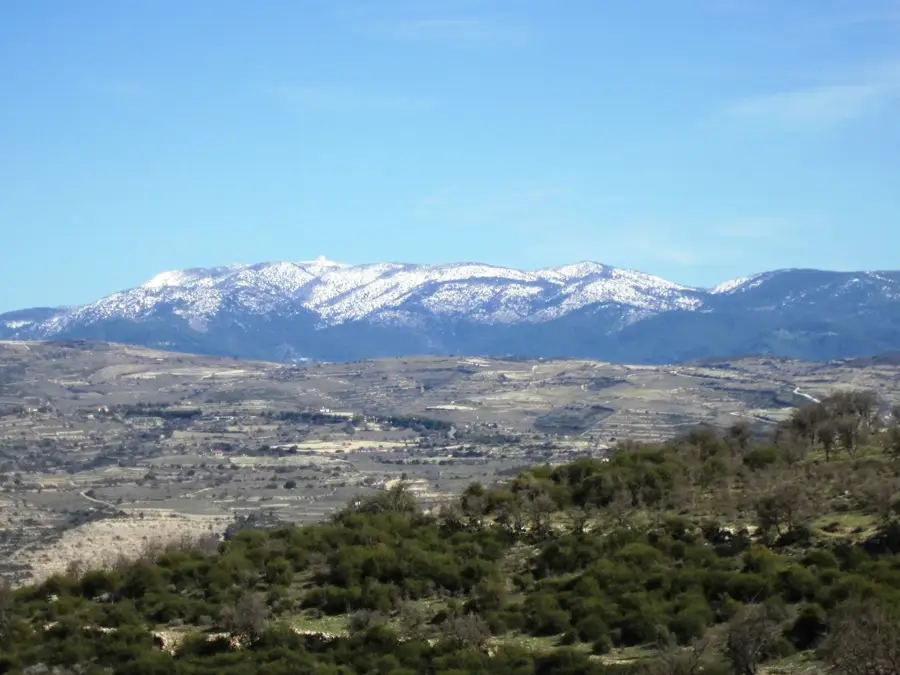
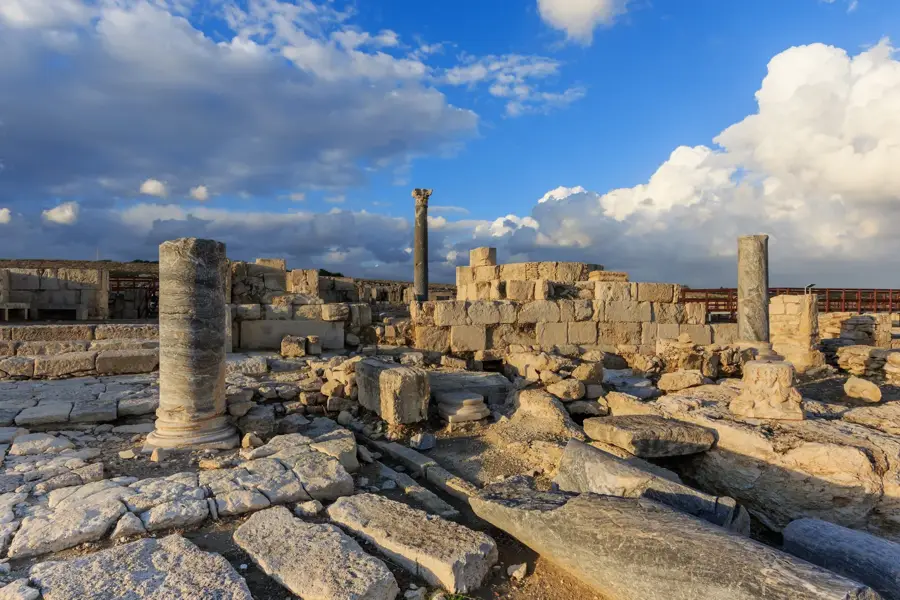
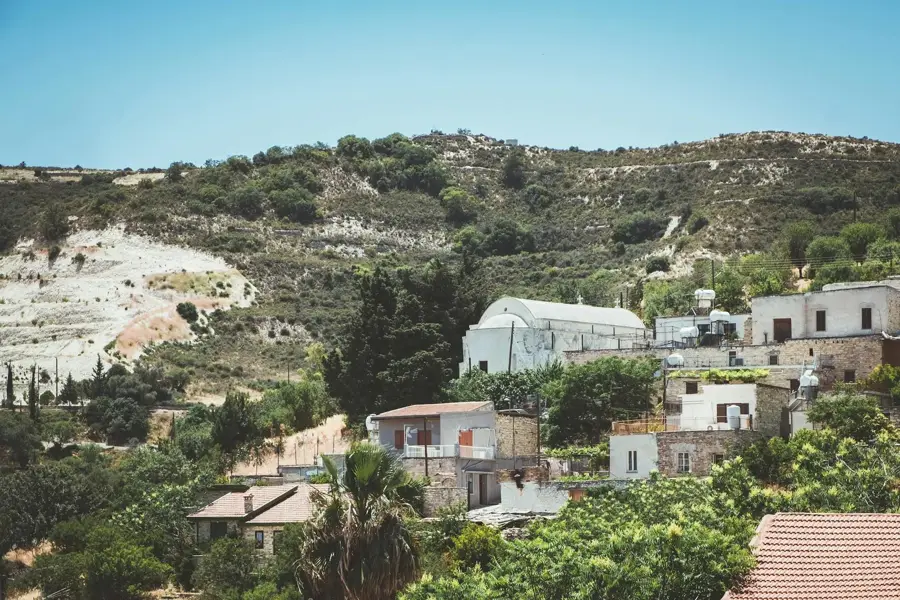
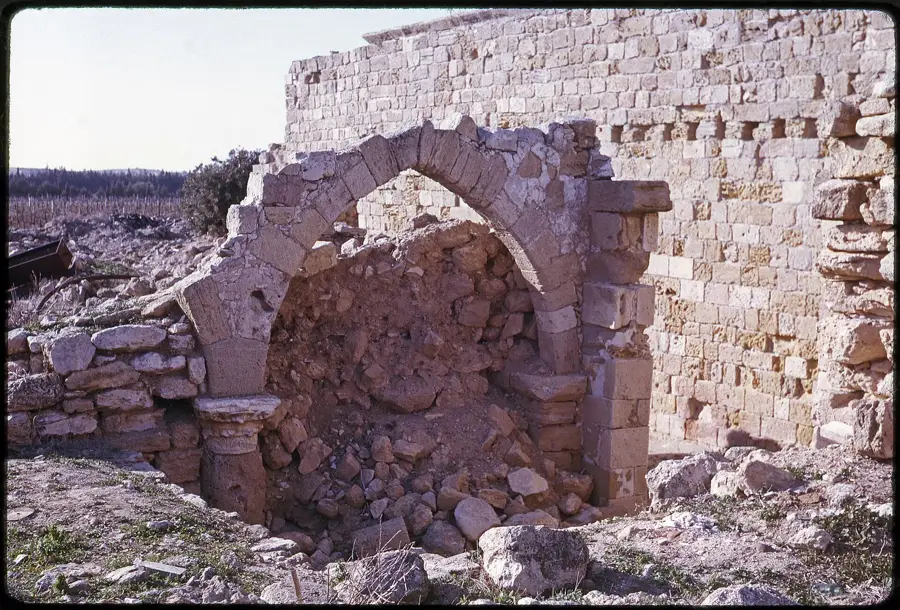
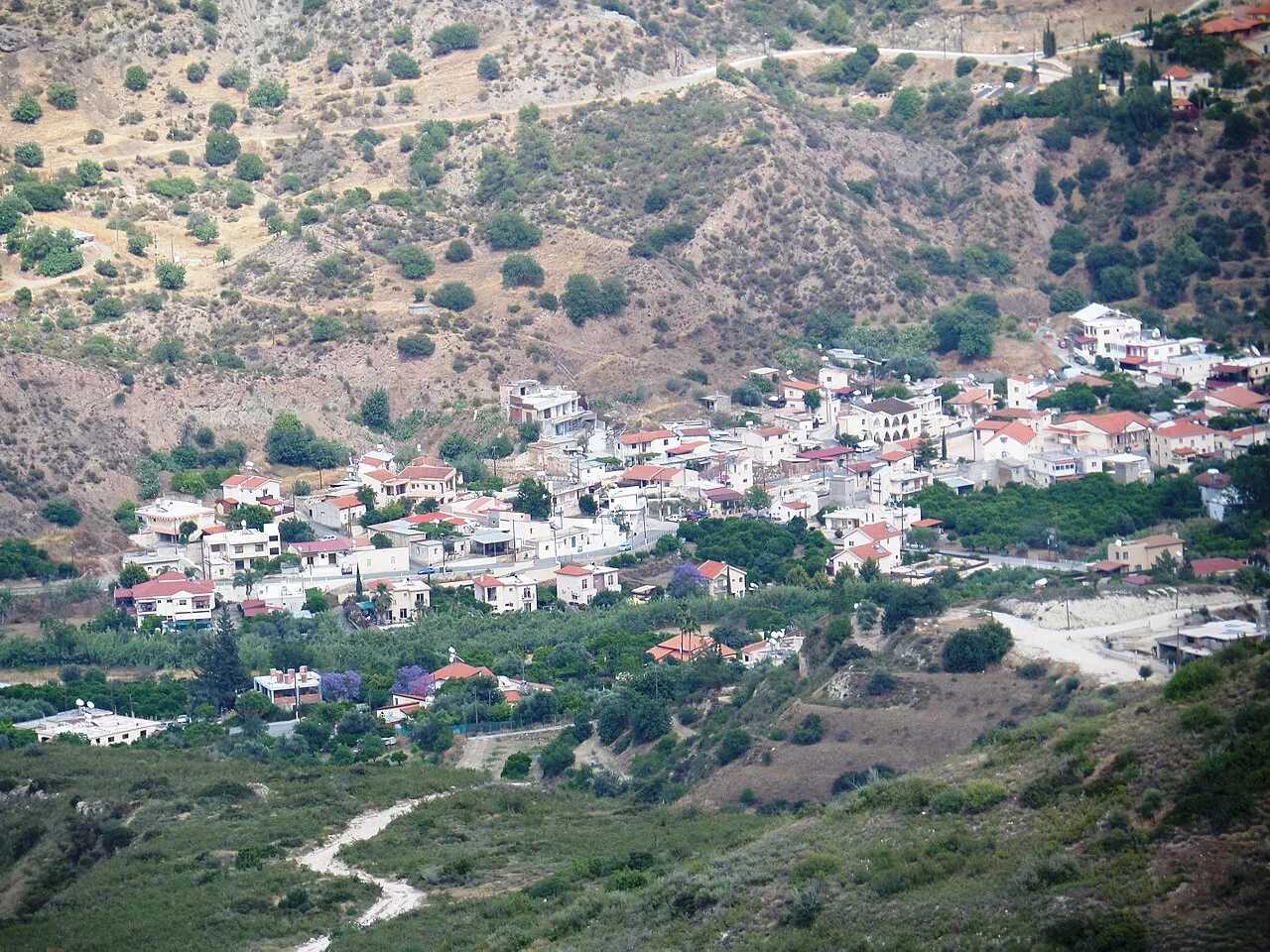
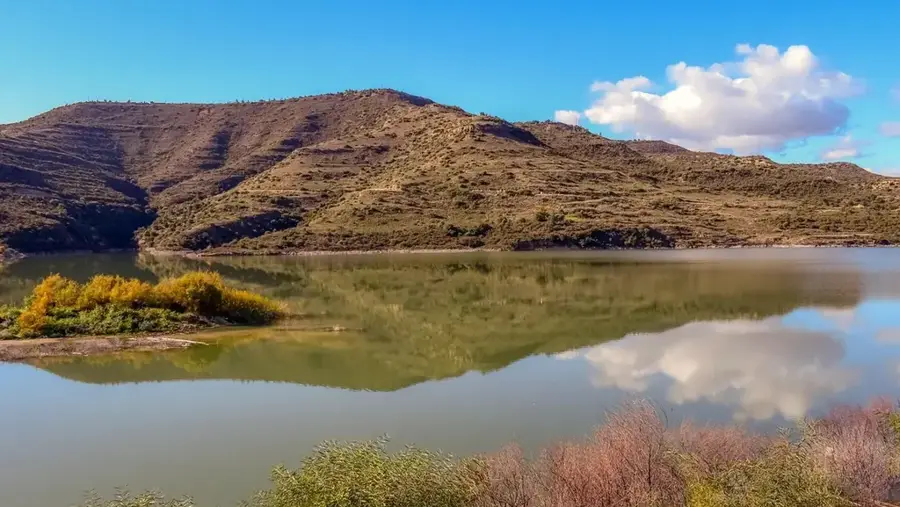
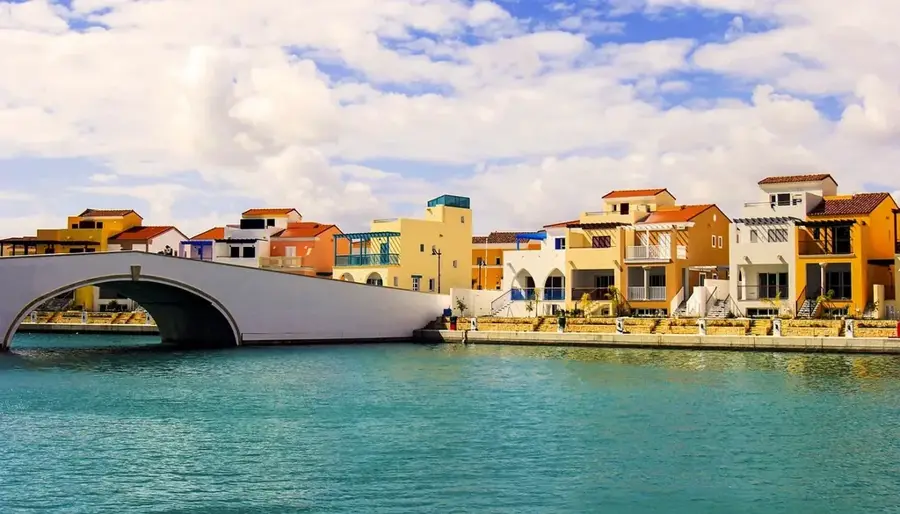
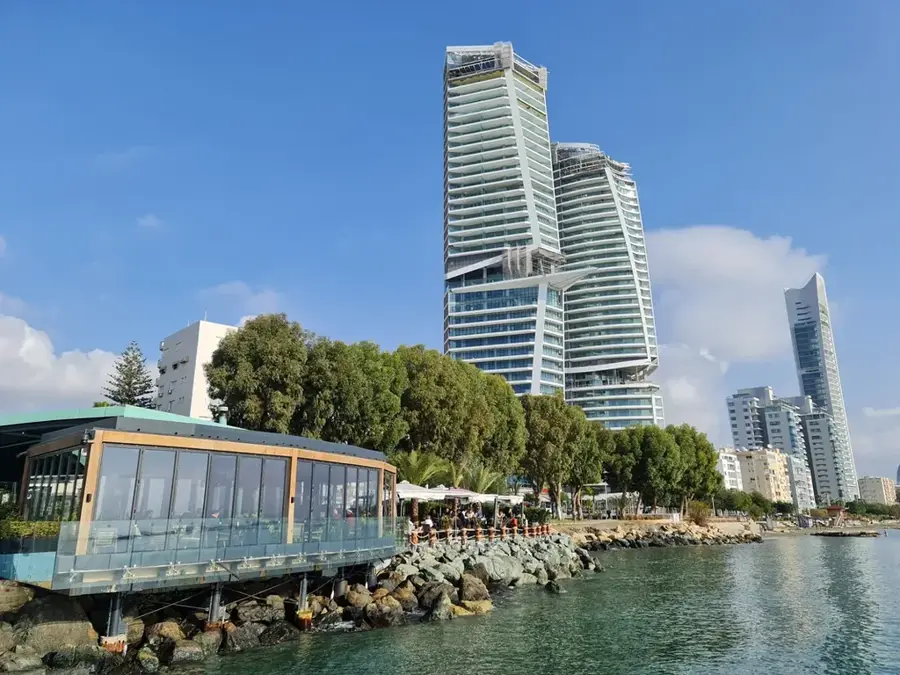
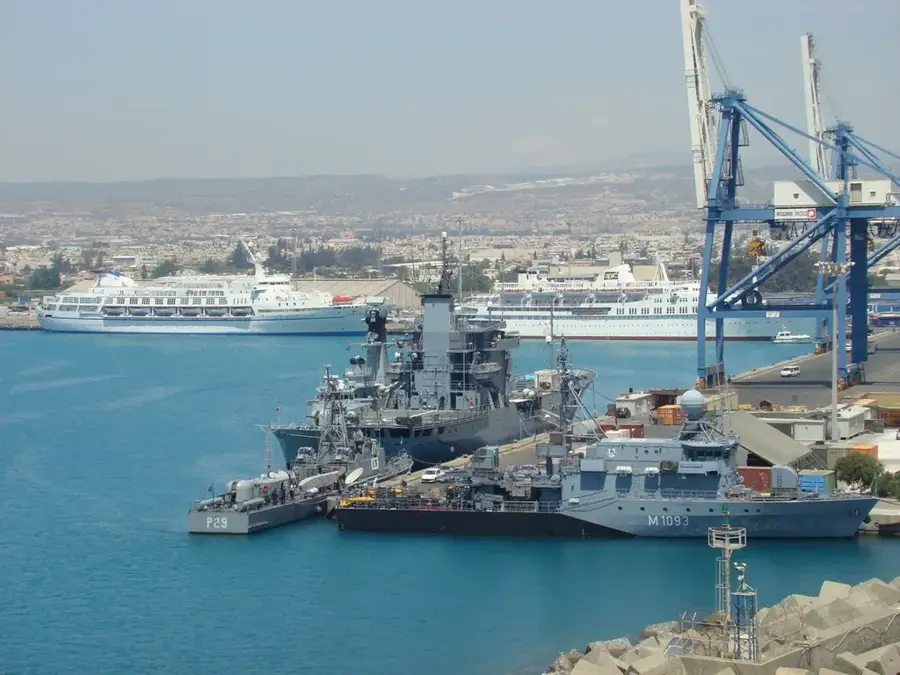
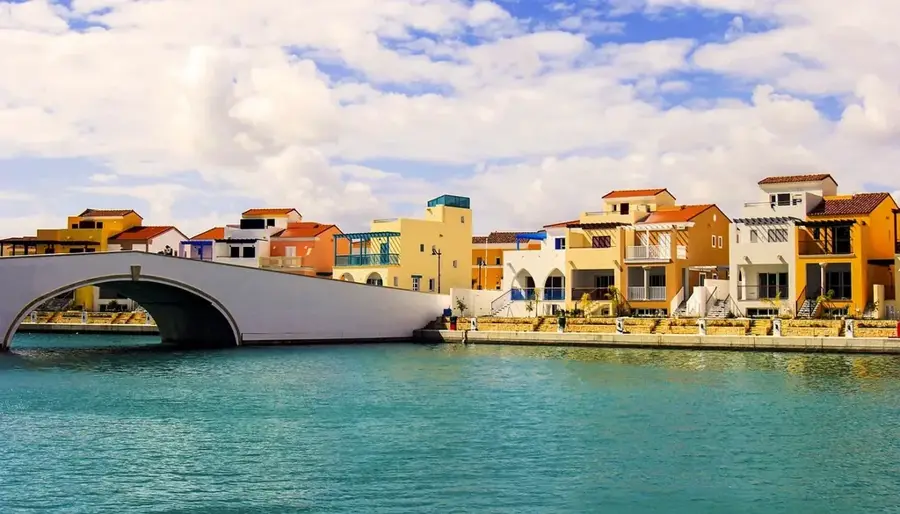
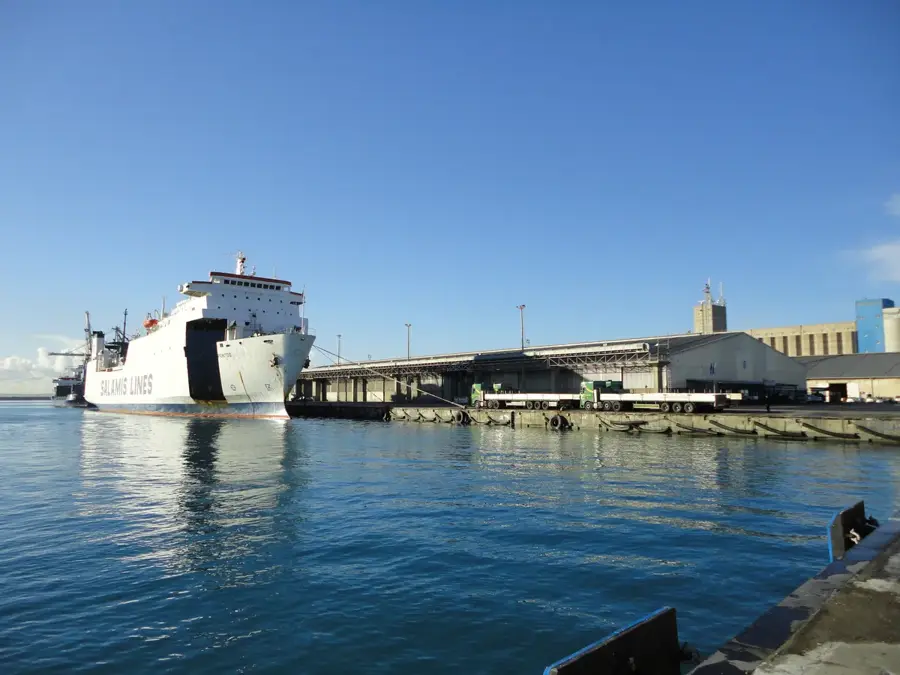
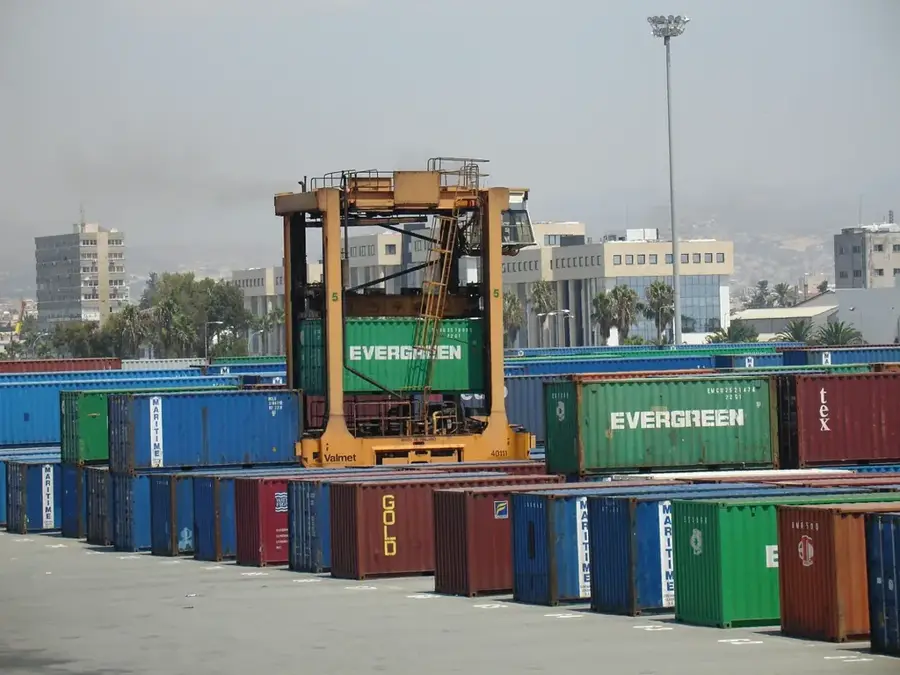
The Limassol Lowlands stretch along the central southern coast of Cyprus, encompassing the fertile hinterland and the Akrotiri Peninsula. Geographically, the region is characterized by broad alluvial plains and the Akrotiri Salt Lake, which is the largest inland body of water on the island. Historically, this area was the site of significant eras, from the ancient city-kingdoms of Amathus and Kourion to the medieval presence of the Order of St. John at Kolossi Castle. The lowlands are the economic heart of southern Cyprus, known for their extensive citrus groves and wine production. The Port of Limassol, one of the busiest in the Mediterranean, highlights the region's maritime importance. Ecologically, the Akrotiri wetlands are of global importance for bird conservation. The climate is typically Mediterranean with hot, dry summers and mild winters, which favors intensive agriculture. Despite industrial development, the region remains an important archaeological and cultural center.

Best time to visit & climate

The most pleasant time to visit is May, Oct, Nov.

JanFebMarAprMayJunJulAugSepOctNovDec
Avg °C141415182125282826242016
Rain mm93613417113115194190

📋 Practical info

🧭
Getting there
The fertile lowland region is typically accessed via the main coastal roads driving outwards from Limassol town, offering straightforward routes straight into the agricultural belts.
📅
Best season
Spring and autumn are usually the best periods to visit, allowing travelers to comfortably avoid the intense summer heat while enjoying the green, blossoming coastal landscapes.
⛰️
Terrain & paths
The natural landscape consists mostly of flat and gently rolling terrain, making it generally very easy and relaxing for walking or cycling along the quiet rural country lanes.
🎒
What to bring
Standard comfortable walking shoes, reliable sun protection, and plenty of drinking water are usually completely sufficient for extensively exploring these open, sunny coastal plains.
🅿️
Parking
Visitors can generally find convenient parking spaces in the various scenic coastal villages or safely near local agricultural estates scattered widely across the lowlands.
⚠️
Safety
Standard precautions against the strong Mediterranean sun and staying strictly on public paths to respect private agricultural lands are highly recommended throughout this farming area.
⏱️
Time needed
A typical, relaxing visit ranges from a short, scenic coastal drive to several hours of slowly and peacefully exploring the rural villages and their surrounding fertile farming fields.

Geography

Coordinates
34.68330, 33.03330

Facts

  • The Akrotiri Salt Lake has an area of approximately 10.65 square kilometers.
  • Kolossi Castle was built in its current form in 1454.
  • The ancient theater of Kourion can accommodate up to 3,500 spectators.
  • Over 200 bird species have been identified in the Akrotiri wetlands.
  • Limassol is the hub of the Cypriot wine industry (KEO, LOEL).
  • The peninsula hosts one of the most important British military bases (SBA).

Explore nearby

Notable places around

Route planner — Car & Motorhome

Where do you start? We build the route here, with stops and country notes along the way.

Vehicle
Only stops with (optional):

© OpenStreetMap contributors · OpenRouteService

Sights in the town Limassol Lowlands (10)

Art Strokes Gallery

Contemporary art gallery with rotating exhibitions of local and international artists.

🕒 Mo-Fr 10:00-13:00, 15:00-19:00; Sa 09:00-13:00

Makarious III

Monument to Archbishop Makarios III, first president of Cyprus, in Limassol.

Stin Agonizomeni Mathitiosa Neolaia

Monument commemorating the student youth who fought in the independence struggle.

Limassol Water Tower

Historic water tower from the early 20th century, a city landmark.

Laniteio Theatre

School theatre, used for performances and cultural events.

Pattihio Municipal Theatre

Municipal theatre with a modern stage, seating around 600.

NeMe Arts Centre

Arts centre with exhibition spaces, studios, and contemporary art events.

Diatehnon Arts & Culture

Cultural centre with gallery, workshops, and space for art projects.

Rialto

Theatre in Limassol, venue for plays, music, and dance performances.

Cornado Fine Arts Centre

Fine arts gallery, hosting regular exhibitions.

Sights nearby

Frequently asked questions

What is grown in the Limassol Lowlands?
The region is known for growing citrus fruits, grapevines, and carobs.
Are there archaeological sites?
Ancient Kourion, with its impressive theater, is located on the edge of these lowlands.
Can the region be explored by bike?
Yes, the flat terrain is excellent for bike tours through the plantations.
When do the citrus trees bloom?
Blooming is usually in spring (March/April), when the air is scented with citrus blossoms.
Are the lowlands very hot in summer?
Yes, temperatures over 35 degrees are common; early morning activities are advised.
Limassol Lowlands: where is it located?
Limassol Lowlands is located in Cyprus.
Limassol Lowlands: what is there to see?
Highlights include Art Strokes Gallery, Makarious III, Stin Agonizomeni Mathitiosa Neolaia.
Limassol Lowlands: when is the best time to visit?
The most pleasant time to visit is May, Oct, Nov.
Limassol Lowlands: why is it worth visiting?
The Limassol Lowlands stretch along the central southern coast of Cyprus, encompassing the fertile hinterland and the Akrotiri Peninsula.
View on map → The Top 50 Attractions → Most beautiful beaches → OpenStreetMap →
Europe
Explore with Plizio Discover more places in Europe
More places in Cyprus →

Nearby cities

History & landmarks

Nature

More places