Plizio Visual Lab
Santiago de Cuba Cathedral
Weather…
Water temperature…
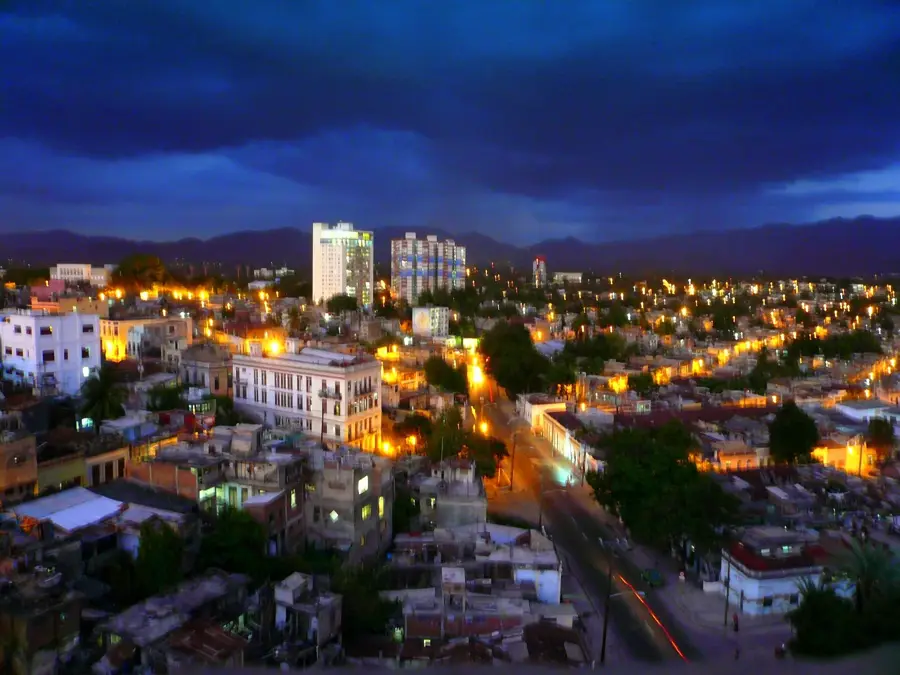
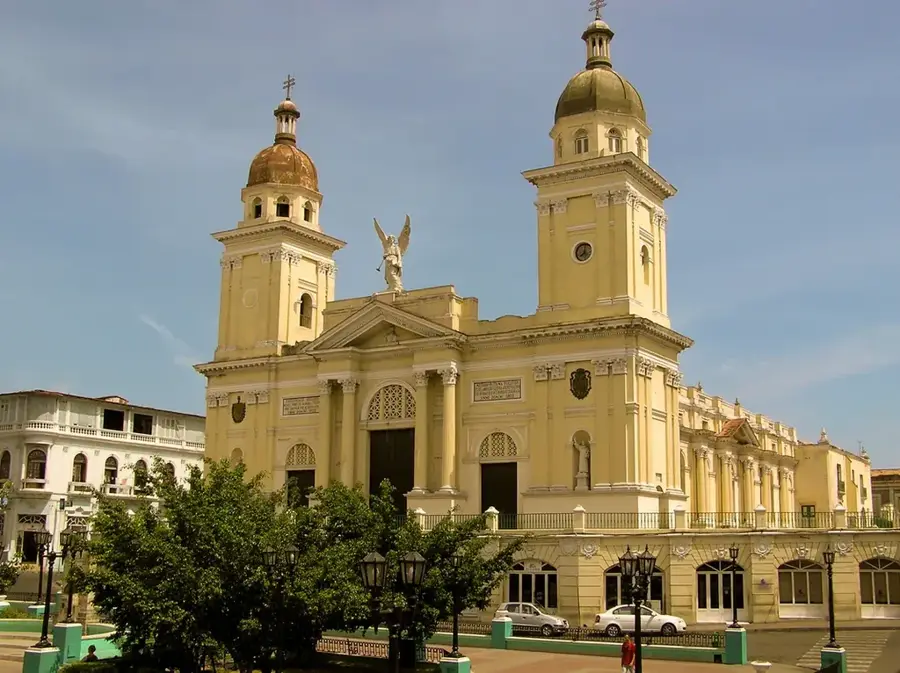
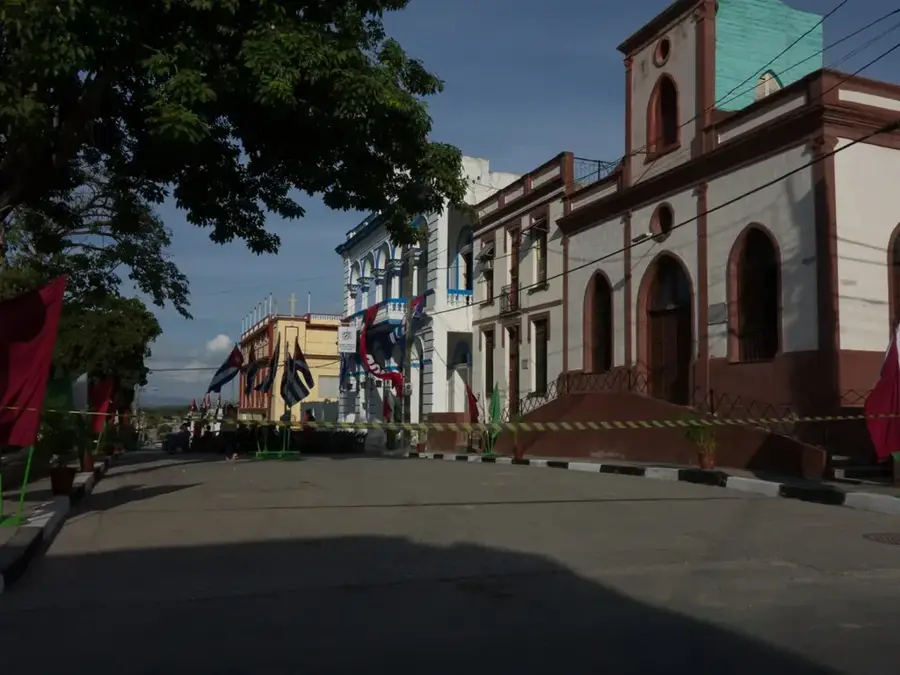
The Santiago de Cuba Cathedral, officially the Catedral de Nuestra Señora de la Asunción, is the preeminent religious structure in the city and the seat of the Primate Archbishop of Cuba. The current building facing Parque Céspedes was completed in 1922, though it stands on a site where four previous cathedrals have existed since 1522, all victims of earthquakes, pirate raids, or fires. Its architecture follows a Neoclassical style, characterized by two prominent bell towers and a central dome topped with a statue of the Archangel Gabriel. Inside, the cathedral houses significant religious artworks, a museum of ecclesiastical art, and the remains of several important figures in Cuban history. The ornate facade serves as a major architectural landmark for Cuba's second-largest city. The cathedral remains a vital center for religious and cultural activities in the Oriente region, reflecting the long-standing Spanish colonial influence on the island.
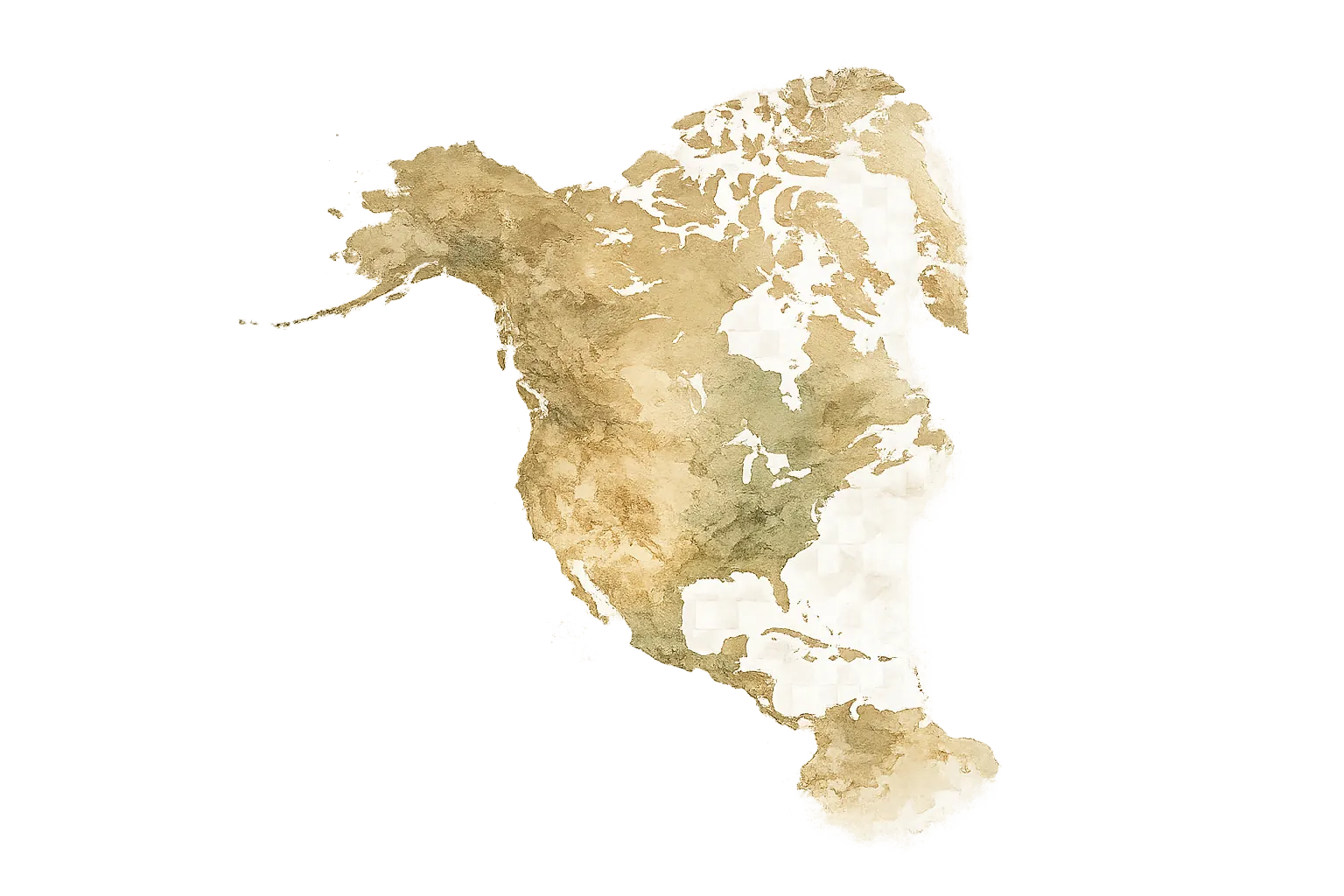
- Location: Cuba
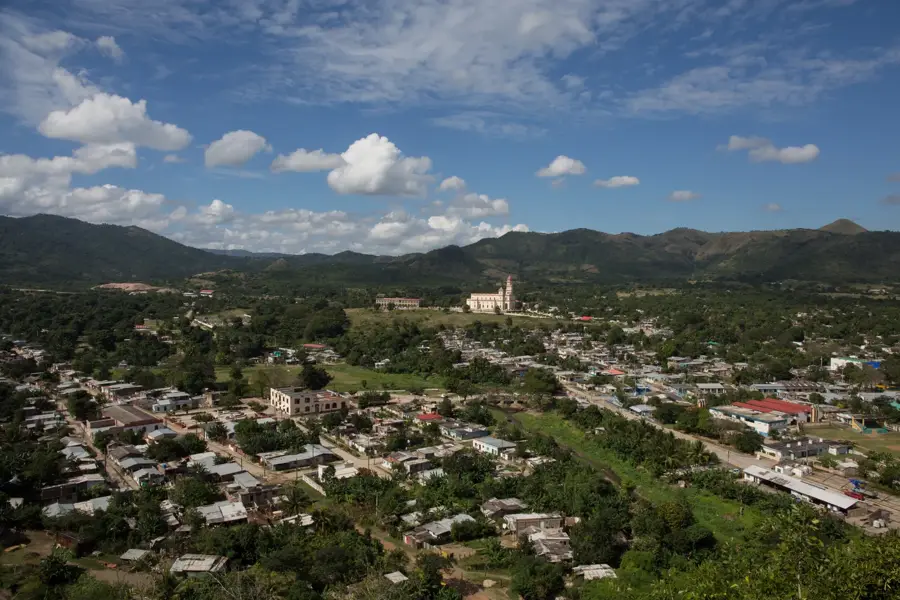
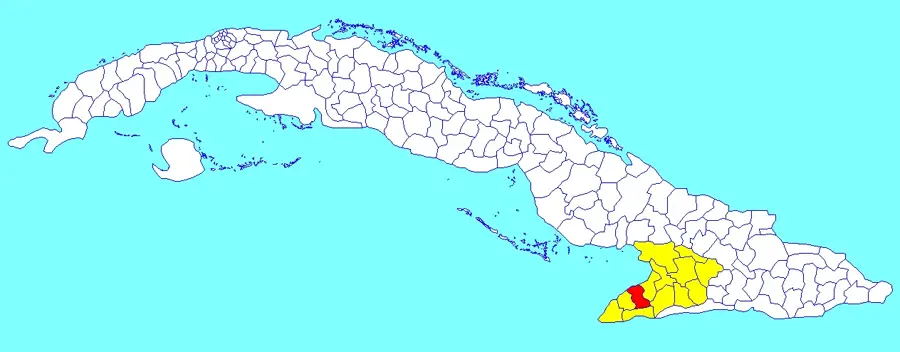
- Nearby: San Luis (6 km)
Best time to visit & climate
The most pleasant time to visit is Jan–Mar.
| Jan | Feb | Mar | Apr | May | Jun | Jul | Aug | Sep | Oct | Nov | Dec | |
|---|---|---|---|---|---|---|---|---|---|---|---|---|
| Avg °C | 25 | 25 | 26 | 27 | 27 | 28 | 28 | 29 | 28 | 27 | 26 | 25 |
| Rain mm | 13 | 12 | 14 | 32 | 60 | 54 | 37 | 45 | 56 | 87 | 36 | 17 |
📋 Practical info
Geography
Facts
- The original church was established on this site in 1522.
- The current structure is the fifth cathedral to be built on this plot.
- Pope Pius XI elevated the church to the status of minor basilica in 1922.
- The facade features statues of Christopher Columbus and Father Las Casas.
- The cathedral was designated as a National Monument of Cuba in 1958.
- The ceiling frescoes were painted by the Italian artist Giovanni Terreni.
Explore nearby
Notable places around



Route planner — Car & Motorhome
Where do you start? We build the route here, with stops and country notes along the way.
© OpenStreetMap contributors · OpenRouteService
Sights nearby
Frequently asked questions
Where is the Santiago de Cuba Cathedral located?
Can you visit the church museum?
Can you climb the bell towers?
How many times was the cathedral rebuilt?
Are there services that tourists can attend?
Santiago de Cuba Cathedral: where is it located?
Santiago de Cuba Cathedral: when is the best time to visit?
Santiago de Cuba Cathedral: why is it worth visiting?
Nearby cities

History & landmarks
Nature
More places