Plizio Visual Lab
Ruins of French Coffee Plantations
Weather…
Water temperature…
The ruins of French coffee plantations in southeastern Cuba are a remarkable testament to the 19th-century agricultural history of the Caribbean. Following the Haitian Revolution, many French settlers fled to Cuba and established advanced coffee estates in the rugged terrain of the Sierra Maestra and Guantánamo mountains. These sites, with 'La Isabelica' being one of the best-preserved examples, feature sophisticated drying floors (secaderos), irrigation systems, and grand manor houses. The architecture reflects a unique blend of functional industrial design and the refined lifestyle of the planters. These estates relied heavily on enslaved labor, and the remains of the slave quarters provide a poignant insight into the social stratification of the era. Recognized for their cultural and historical significance, the 'Archaeological Landscape of the First Coffee Plantations in South-East Cuba' was designated a UNESCO World Heritage site in 2000. The ruins showcase the adaptation of European farming techniques to difficult tropical mountain environments.
- Location: Cuba
- Nearby: San Luis (8 km)
Best time to visit & climate
The most pleasant time to visit is Jan–Mar.
| Jan | Feb | Mar | Apr | May | Jun | Jul | Aug | Sep | Oct | Nov | Dec | |
|---|---|---|---|---|---|---|---|---|---|---|---|---|
| Avg °C | 25 | 25 | 26 | 27 | 27 | 28 | 28 | 29 | 28 | 27 | 26 | 25 |
| Rain mm | 13 | 12 | 14 | 32 | 60 | 54 | 37 | 45 | 56 | 87 | 36 | 17 |
📋 Practical info
Geography
Facts
- Designated a UNESCO World Heritage site in 2000
- Established by French settlers fleeing the Haitian Revolution
- Comprises 171 identified historic coffee estates in the region
- 'La Isabelica' is the most famous and accessible plantation
- Features massive 'secaderos' or drying floors for coffee beans
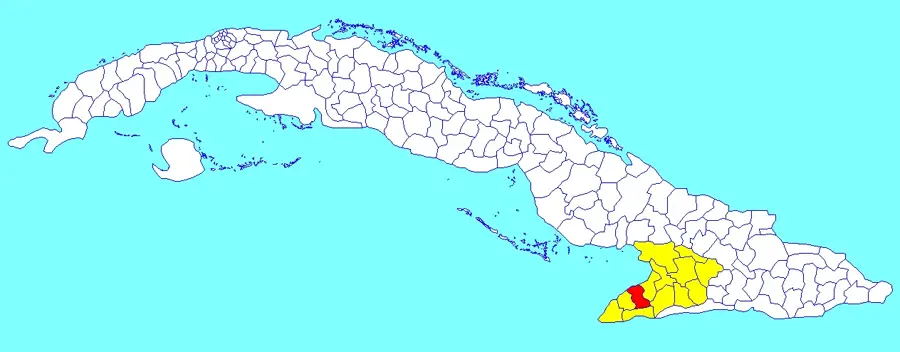
- Located across the provinces of Santiago de Cuba and Guantánamo
Explore nearby
Notable places around



Route planner — Car & Motorhome
Where do you start? We build the route here, with stops and country notes along the way.
© OpenStreetMap contributors · OpenRouteService
Sights nearby
Frequently asked questions
Why are there French ruins here?
Which ruin is best preserved?
Do you have to hike there?
What can you see there?
Are the ruins World Heritage sites?
Ruins of French Coffee Plantations: where is it located?
Ruins of French Coffee Plantations: when is the best time to visit?
Ruins of French Coffee Plantations: why is it worth visiting?

Nearby cities



History & landmarks

Nature
More places