Plizio Visual Lab
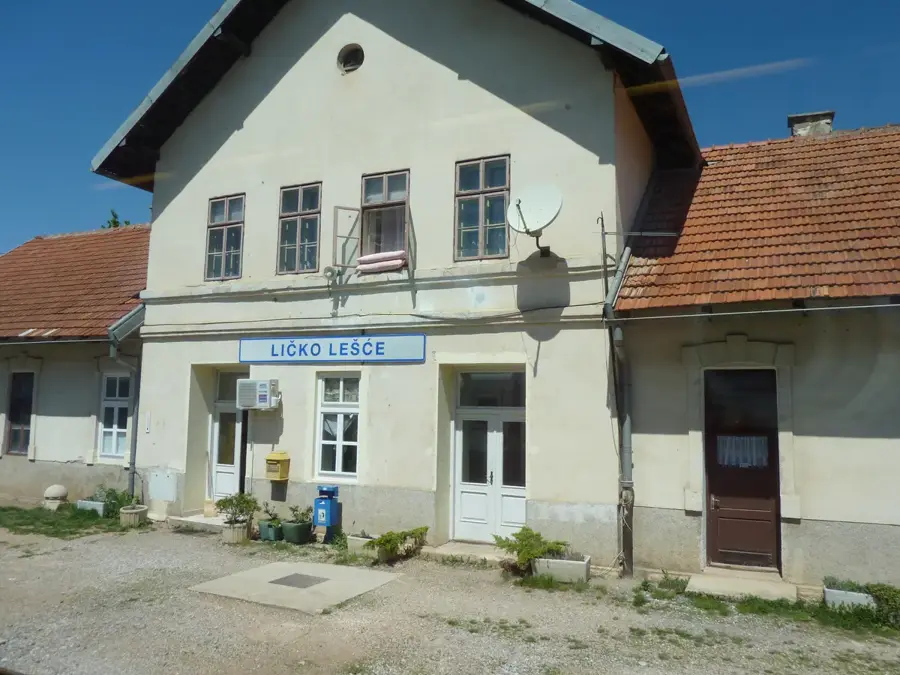
Ličko Lešće
ℹ️Practical info — Ličko Lešće
▾
🌤 Weather — 5 days
📍 Nearby
Sights nearby
💡 Tips
- Visit the Center for Indigenous Fish Species in Ličko Lešće to learn about the unique Gacka river ecosystem.
- Taste the water directly at the springs in Sinac; it is known as some of the purest drinking water in Europe.
- Rent a transparent kayak in Prozor to observe the underwater world of the Gacka river in total silence.
- Always stay on marked paths and roads, as some surrounding areas are still marked with mine warnings.
- Visit the ancient watermills at Majerovo Vrilo early in the morning when the mist hangs over the emerald water.
🍽 Food
Try it grilled or as a pâté at Hotel Gacka; the fish is literally 'alive until ordered' from their own pool.
A unique, creamy local fresh cheese typical of the Lika region, well-suited with roasted potato halves.
Lamb prepared under the 'peka' (iron bell) is exceptionally tender here due to the high-quality mountain pastures.
🛍 Shopping · 🧘 Quiet spots
Buy flour ground by the traditional waterwheels directly from the millers at Majerovo Vrilo in Sinac.
Follow the 'Honey Trail' signs to find local producers selling authentic forest and meadow honey.
A famous 'squeaky' cheese from Lika, best bought directly from small family farms in the valley.
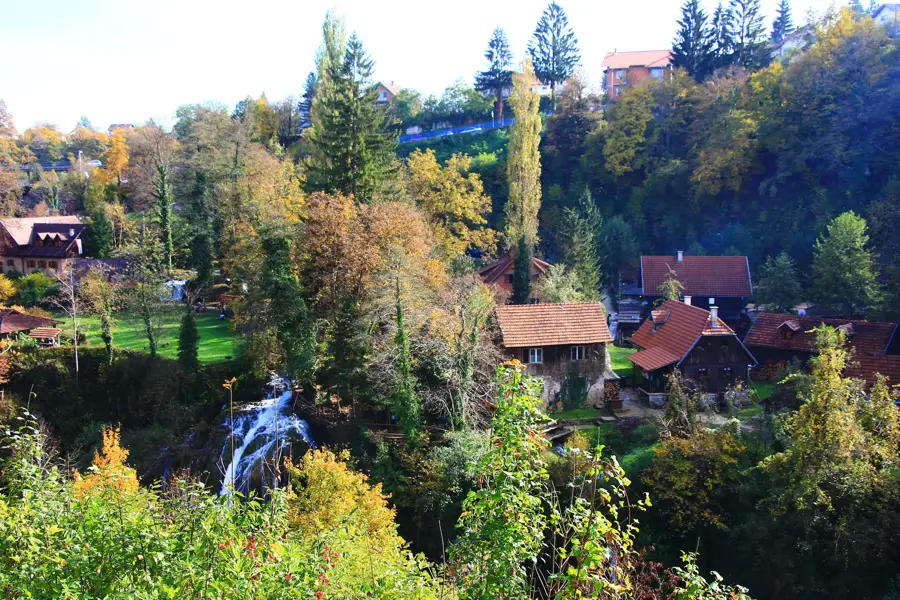
The most easy on the eye of the Gacka springs, offering a peaceful atmosphere with old wooden mills.
A short trail leads to this archaeological site with a quiet lookout point over the entire valley.
Water temperature…
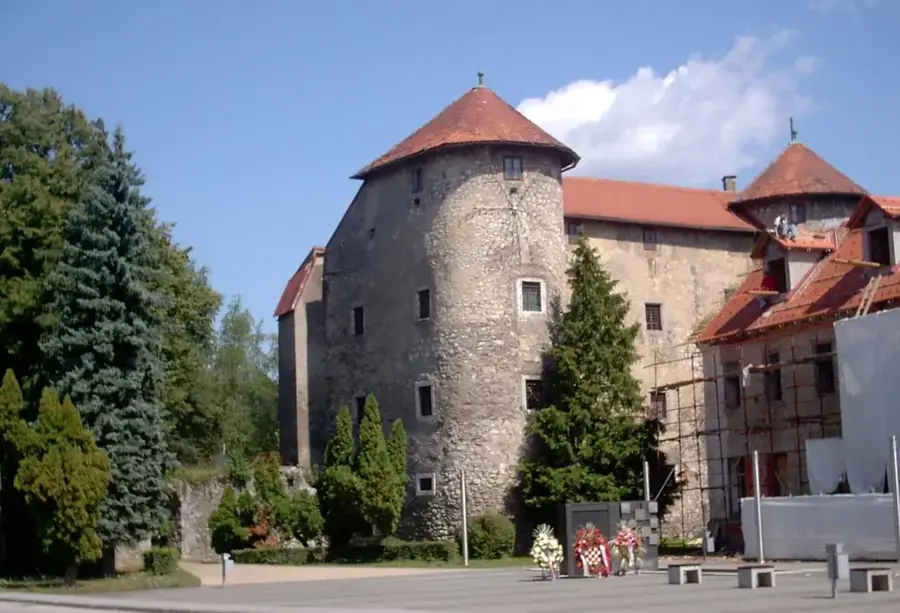
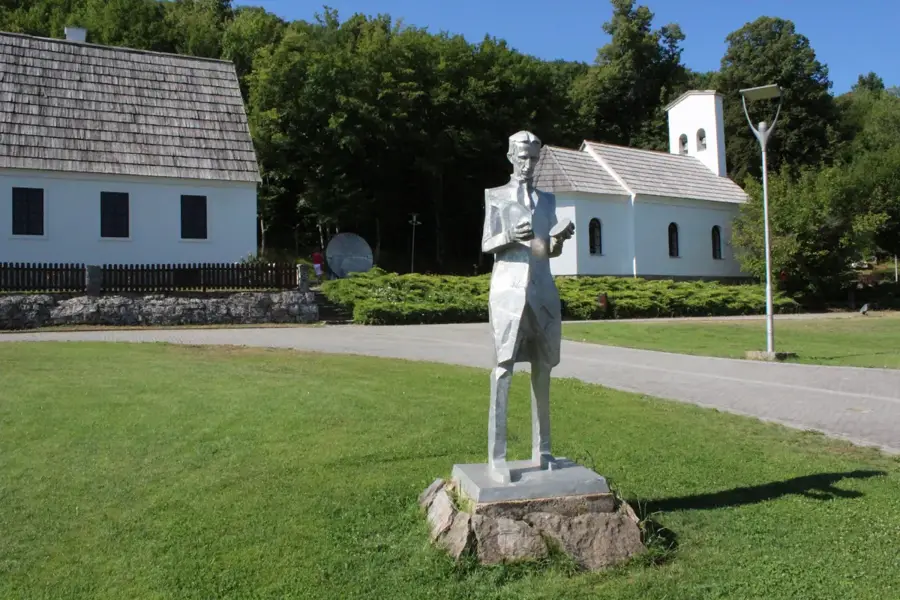
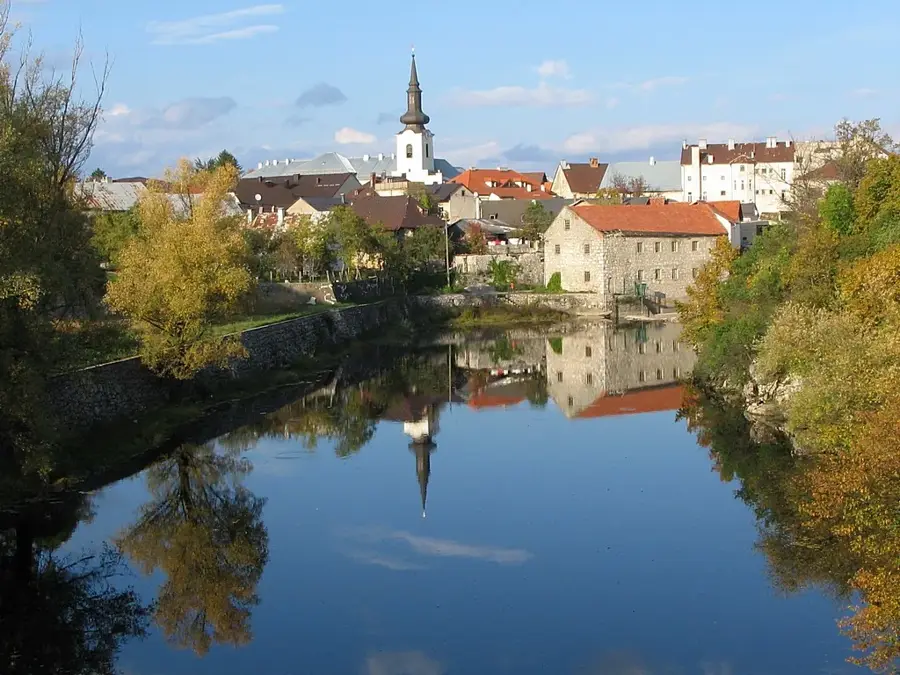
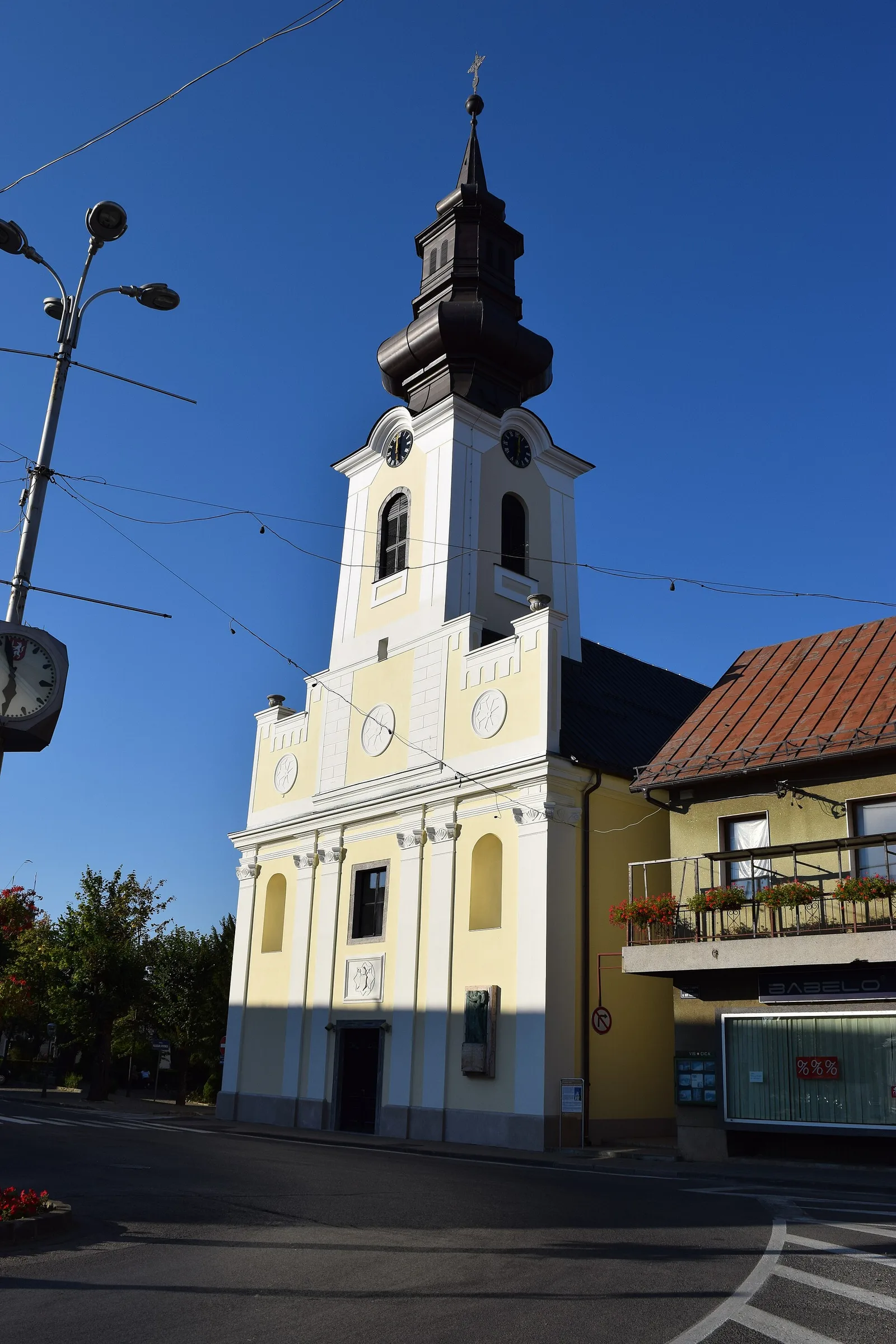
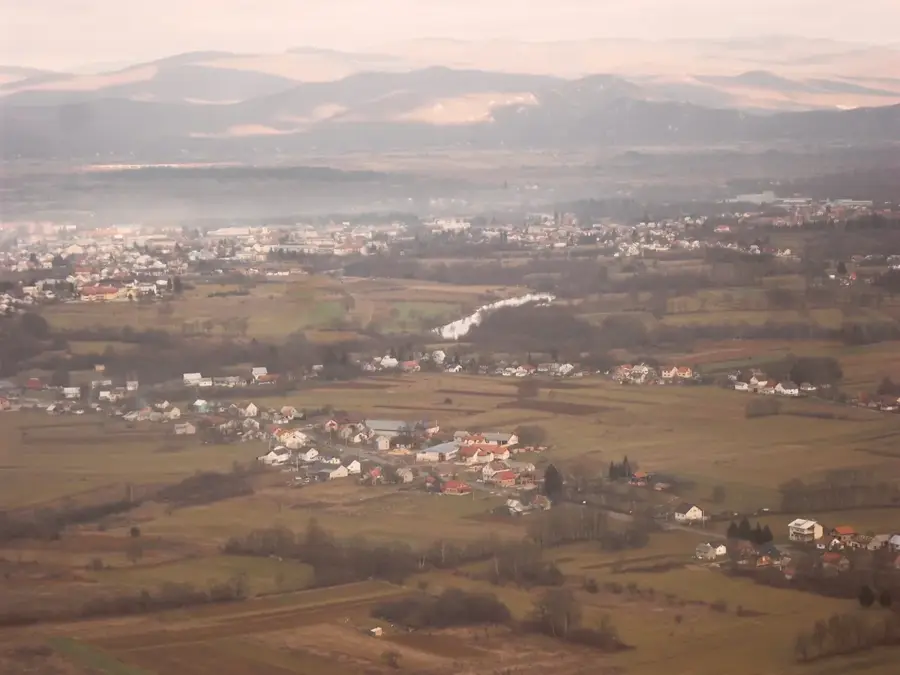
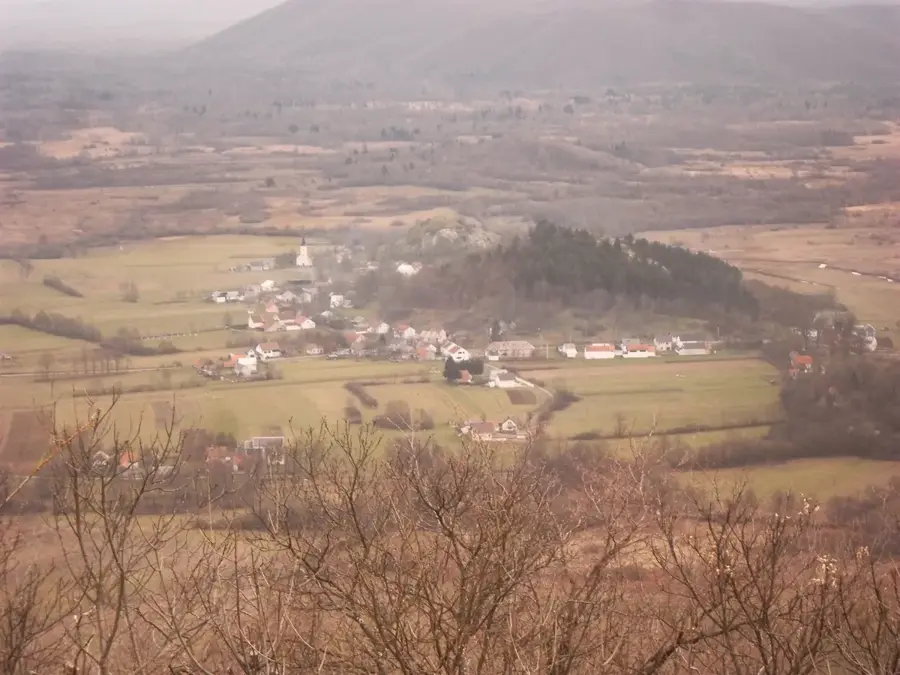
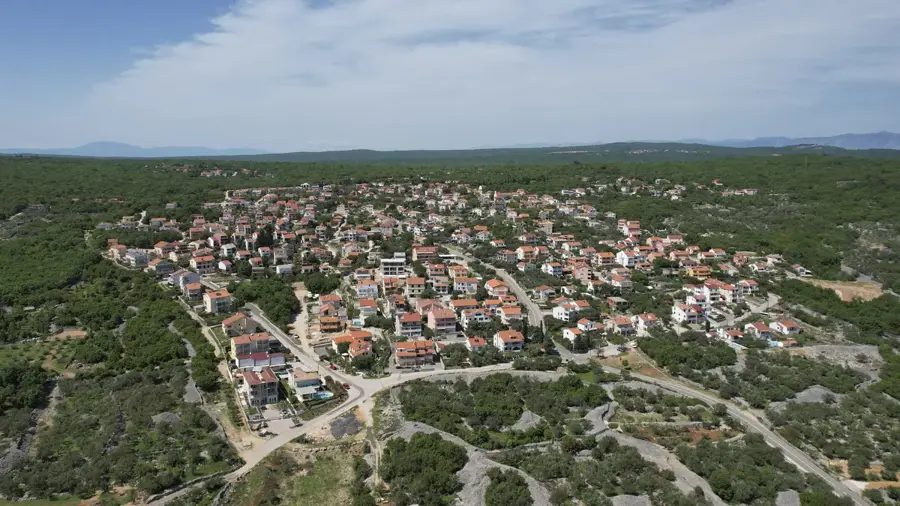
Ličko Lešće is tucked away in the heart of the Lika region within the Gacka Valley, home to one of the cleanest rivers in Europe. The village is a premier destination for fly fishing enthusiasts, drawn by the world-famous Gacka trout and the river's exceptional water quality. The area provides a tranquil escape with rolling green hills and a deep connection to Croatian rural traditions. Nearby, the Majerovo vrilo spring features historic watermills where locals still grind flour using traditional methods. The village is also home to the Church of St. Rosalia and the Pećina archaeological site, which reveals human habitation dating back to the Stone Age. The surrounding landscape is excellent for cycling and hiking, offering paths that meander along the crystal-clear riverbanks. Local cuisine is a highlight, featuring fresh river trout, Lika potatoes, and the traditional 'škripavac' cheese. Visitors can also explore the Gacka Museum in nearby Otočac to learn about the region's rich heritage. The village is conveniently located near the A1 motorway, making it a well-suited stopover for those traveling between Zagreb and the Adriatic coast. The peaceful flow of the Gacka River also provides opportunities for kayaking in calm waters, suitable for all ages. With its pristine environment and hospitable locals, Ličko Lešće represents the authentic spirit of the Croatian highlands. It is a great destination for eco-conscious travelers seeking untouched nature.
- Location: Croatia
- Nearby: Prozor (7 km)
- Population: ~571
Best time to visit & climate
The most pleasant time to visit is Jun–Aug.
| Jan | Feb | Mar | Apr | May | Jun | Jul | Aug | Sep | Oct | Nov | Dec | |
|---|---|---|---|---|---|---|---|---|---|---|---|---|
| Avg °C | 0 | 1 | 5 | 10 | 14 | 18 | 21 | 21 | 15 | 11 | 6 | 1 |
| Rain mm | 95 | 103 | 89 | 94 | 109 | 86 | 69 | 85 | 140 | 124 | 141 | 111 |
Geography
Facts
- Gacka Valley
- Purest river water
- Fly fishing hub
- Historic watermills
- Famous trout
- Lika region
- Church of St. Rosalia
- Pećina archeological site
Explore nearby
Notable places around
Route planner — Car & Motorhome
Where do you start? We build the route here, with stops and country notes along the way.
© OpenStreetMap contributors · OpenRouteService
Frequently asked questions
Where is Ličko Lešće located?
What is the Gacka River known for?
What can you visit in the village?
How far is Plitvice Lakes National Park?
Are there hiking possibilities nearby?
Ličko Lešće: where is it located?
Ličko Lešće: when is the best time to visit?
Ličko Lešće: why is it worth visiting?

Nearby cities