Plizio Visual Lab
Cista Velika
ℹ️Practical info — Cista Velika
▾
🌤 Weather — 5 days
📍 Nearby
Sights nearby
💡 Tips
- Visit the UNESCO-protected Crljivica necropolis early in the morning to photograph the medieval tombstones in the best light.
- Wear sturdy walking shoes when exploring archaeological sites, as the terrain in the Dalmatian hinterland is rocky and uneven.
- Timing: If you visit on August 16th, you can experience the local heritage festival with traditional music and costumes.
- Carry enough water when hiking to the seven medieval wells, as there is very little natural shade in the karst landscape.
- Look for the remnants of the ancient Roman road that once connected Salona with Narona nearby.
🍽 Food
Purchase high-quality honey made from wild herbs directly from local producers along the main road.
Hearty meat dishes slow-cooked under a bell are the local specialty; ask for them in nearby village taverns.
Look for locally gathered sage or mountain mint teas, famous for their intense aroma and health benefits.
🛍 Shopping · 🧘 Quiet spots
Look for handwritten signs for 'Med' (honey) or 'Ulje' (oil) in front of family homes for the freshest products.
The nearby town of Imotski has a larger selection of local cheeses and artisanal handicrafts.
A quiet, contemplative spot in a karst sinkhole that was once the primary water source for the village.
A peaceful landmark overlooking the village, providing a great viewpoint and a moment of reflection.
Water temperature…
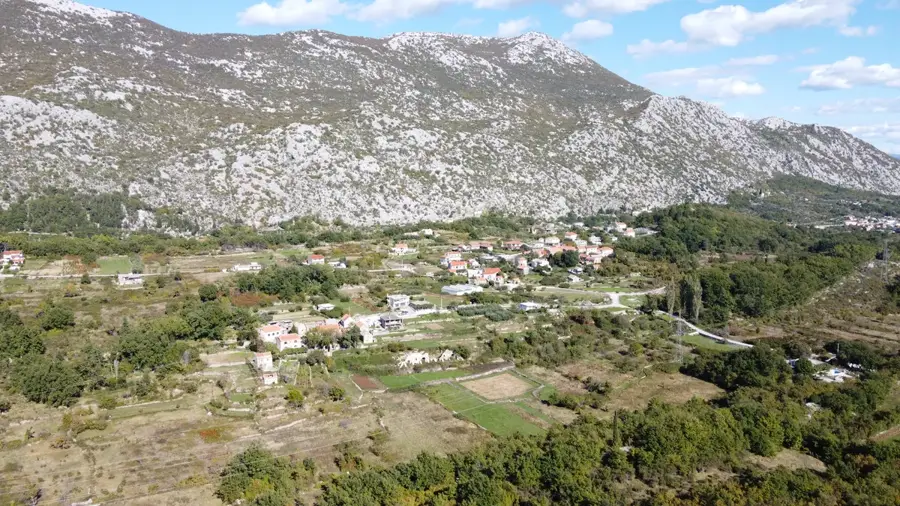
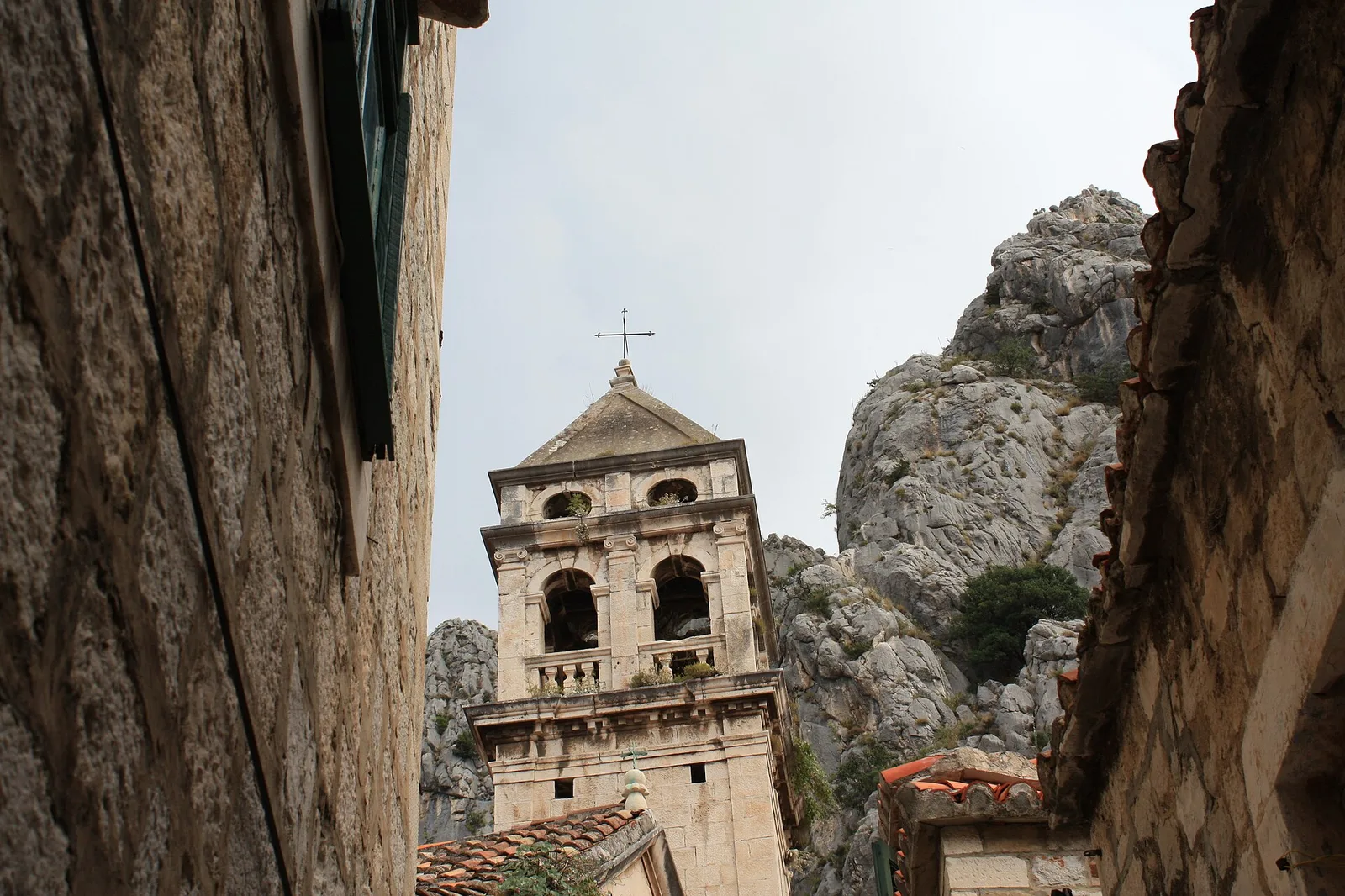
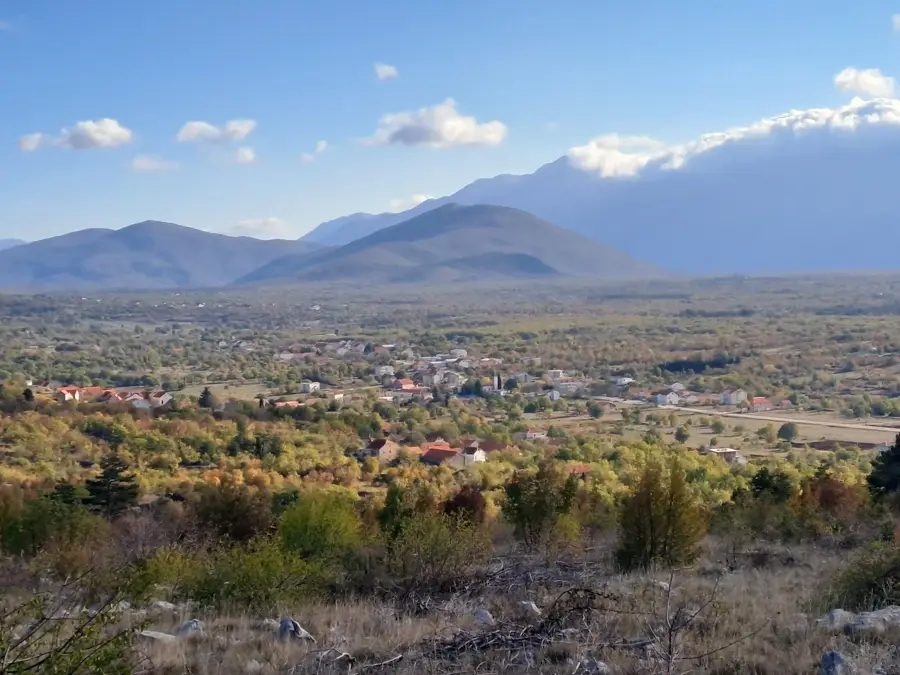
Cista Velika is located in the Imotska Krajina region of the Dalmatian hinterland, on a route that served as an important Roman road in ancient times. The village is a true treasure trove for those interested in archaeology. Of particular note is the 'Crikvine' site, where remains of an early Christian basilica and an impressive collection of stećci, medieval monumental tombstones that are part of the UNESCO World Heritage, can be found. The landscape is characterized by typical karst phenomena such as deep wells and cisterns, which were once vital for the local population. Cista Velika proudly preserves its traditions, including the unique 'ganga' singing, deeply rooted in the culture of Zagora. A visit gives the chance to experience authentic rural life in Dalmatia, far from the coastal tourist paths, yet with fascinating historical depth.
- Location: Croatia
- Top sights: Crkvine · Visočica · Zadužbina
- Nearby: Kreševo, Šestanovac (6 km)
- Population: ~441
Best time to visit & climate
The most pleasant time to visit is Jun–Aug.
| Jan | Feb | Mar | Apr | May | Jun | Jul | Aug | Sep | Oct | Nov | Dec | |
|---|---|---|---|---|---|---|---|---|---|---|---|---|
| Avg °C | 3 | 4 | 7 | 11 | 15 | 20 | 24 | 24 | 18 | 13 | 9 | 4 |
| Rain mm | 93 | 88 | 80 | 68 | 57 | 50 | 28 | 38 | 80 | 87 | 123 | 117 |
Geography
Facts
- UNESCO stećci tombstones
- Crikvine archaeological site
- On the ancient Roman road
- Traditional ganga singing
- Typical karst wells
- Dalmatska Zagora region
- Located near Imotski
- Rich folk culture
Explore nearby
Notable places around
Route planner — Car & Motorhome
Where do you start? We build the route here, with stops and country notes along the way.
© OpenStreetMap contributors · OpenRouteService
Sights in the town Cista Velika (3)
Frequently asked questions
Why is Cista Velika historically important?
Where is the village located?
What can you see nearby?
When is the patron saint feast?
What traditional games are there?
Cista Velika: where is it located?
Cista Velika: what is there to see?
Cista Velika: when is the best time to visit?
Cista Velika: why is it worth visiting?

Nearby cities