Plizio Visual Lab
Kélo
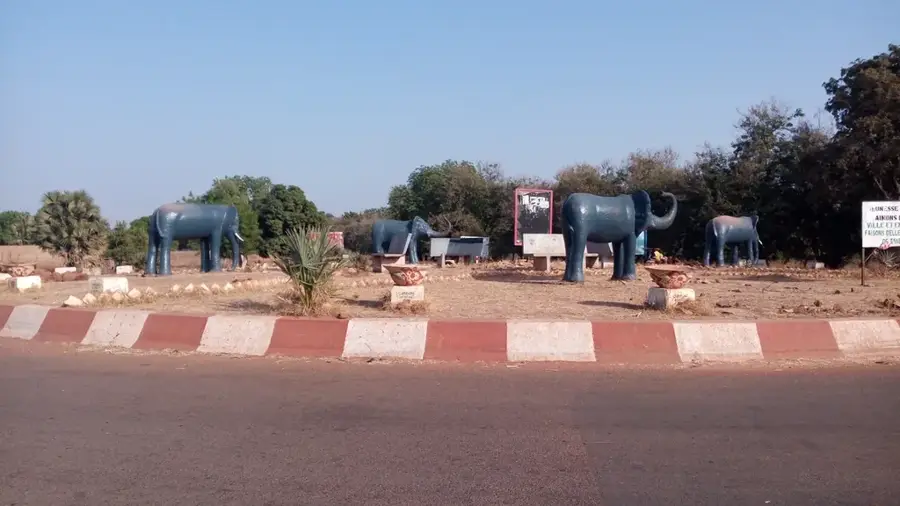
ℹ️Practical info — Kélo
▾
🌤 Weather — 5 days
📍 Nearby
Sights nearby
💡 Tips
- Plan your visit during the dry season (November to May), as unpaved roads in the region become extremely muddy and difficult to navigate during the rains.
- French and local Arabic are the main languages; learning a few basic greetings will help you connect with the locals.
- Carry sufficient cash in CFA francs, as ATMs can be unreliable or completely absent in smaller regional towns.
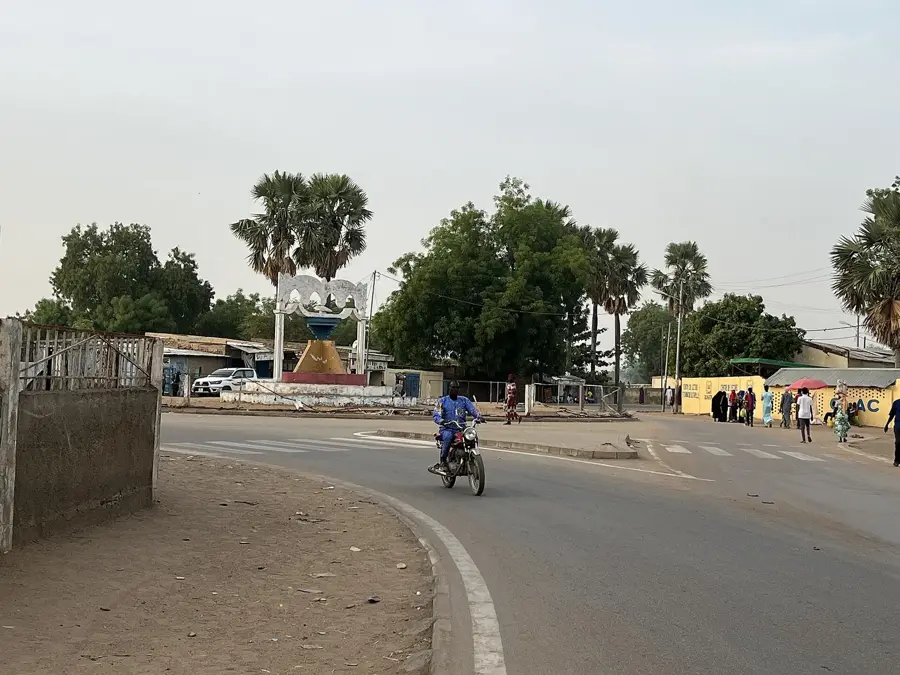
- The town is an agricultural hub; mornings at the main crossroads are bustling with farmers bringing in cotton and peanuts.
🍽 Food
A staple millet or sorghum dough served with various rich, savory sauces made from okra or peanuts.
Try the rich, local meat stews thickened and flavored with locally grown peanuts.
When available, try this Nile perch, often grilled or stewed, sourced from regional rivers.
🛍 Shopping · 🧘 Quiet spots
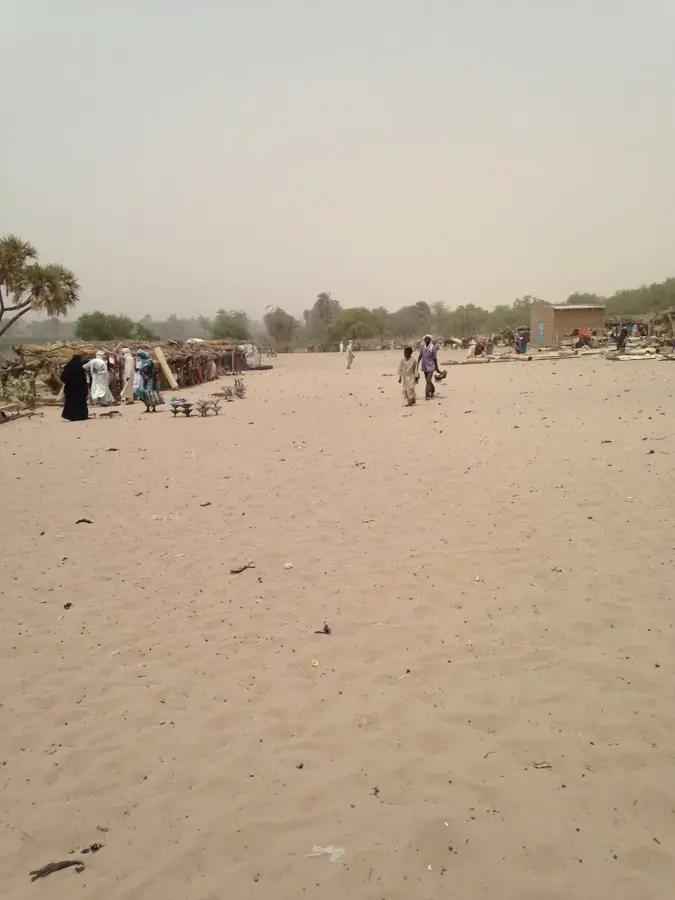
Explore the bustling central market for fresh local produce, particularly groundnuts and cotton products.
Look for colorful printed textiles and fabrics sold by merchants in the town center.
Take a walk to the outskirts of town where the vast peanut and cotton fields offer a peaceful, open landscape.
The quieter edges of Kélo provide a glimpse into traditional rural Chadian life without the bustle of the center.
Water temperature…
Kélo is a significant city in southwestern Chad and serves as the administrative center for the Tandjilé Ouest prefecture. Located in one of the nation's most fertile agricultural zones, the city acts as a major hub for crop production and trade. It is particularly well-known for large-scale rice and cotton farming, with cotton being a critical component of Chad's national export economy. Kélo's strategic position along the main highway connecting the capital, N'Djamena, with the southern economic centers like Moundou, makes it an indispensable transit point for traders and travelers alike. Over recent decades, the city has seen steady population growth, leading to the expansion of its local markets and infrastructure. Despite its economic importance, Kélo maintains a strong connection to its rural roots, with daily life closely following seasonal harvest cycles and the rhythms of nearby river systems. The region's ethnic diversity enriches the local culture, creating a dynamic social environment focused on trade and community.
- Location: Chad
- Nearby: Gounou Gaya (41 km)
Best time to visit & climate
The most pleasant time to visit is Jan, Nov, Dec.
| Jan | Feb | Mar | Apr | May | Jun | Jul | Aug | Sep | Oct | Nov | Dec | |
|---|---|---|---|---|---|---|---|---|---|---|---|---|
| Avg °C | 26 | 30 | 32 | 33 | 31 | 29 | 26 | 25 | 26 | 27 | 27 | 26 |
| Rain mm | 0 | 0 | 3 | 37 | 94 | 145 | 217 | 254 | 190 | 74 | 2 | 0 |
Geography
Facts
- Key economic hub of the Tandjilé region.
- Main marketplace for Chad's domestic rice trade.
- Located on the strategic National Highway 1.
- Features a significant cotton ginning factory.
- Population has grown substantially since the 1993 census.
- Crucial transit point between the Logone and Chari river areas.
Explore nearby
Notable places around


Route planner — Car & Motorhome
Where do you start? We build the route here, with stops and country notes along the way.
© OpenStreetMap contributors · OpenRouteService
Frequently asked questions
What kind of city is Kélo?
What do you do here as a visitor?
Are accommodations expensive?
How is the infrastructure?
Are there modern cafes?
Kélo: where is it located?
Kélo: when is the best time to visit?
Kélo: why is it worth visiting?

Nearby cities