Plizio Visual Lab
Logone River Rice Paddies
Weather…
Water temperature…
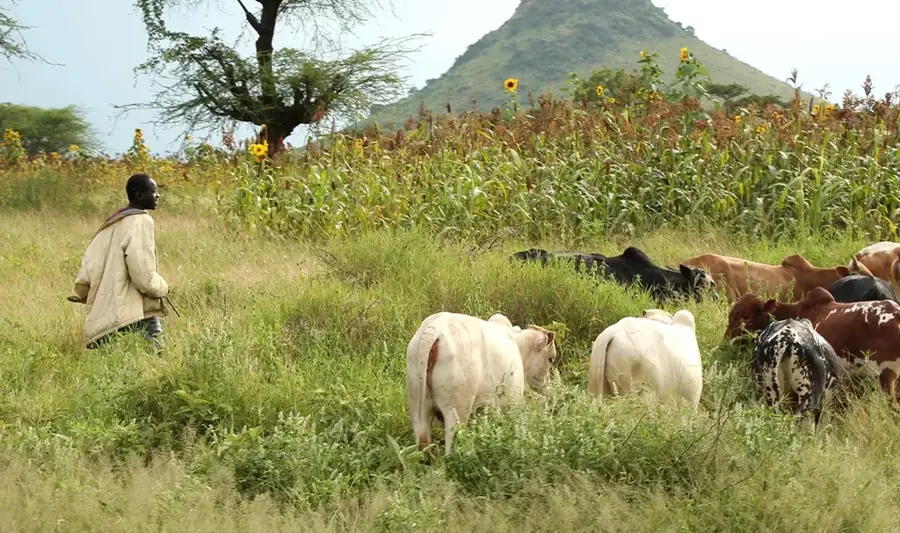
Rice cultivation along the Logone River is one of the most vital agricultural activities in southwestern Chad. The river's fertile floodplains provide well-suited conditions for wet rice farming, which largely depends on seasonal rainfall and the fluctuating water levels of the Logone. Historically, cultivation was intensified during the colonial era to bolster regional food security. Farmers employ traditional irrigation techniques, often dividing fields into small plots that are flooded during the high-water season. This form of agriculture serves as the economic backbone for thousands of families in the Mayo-Kebbi and Logone Occidental regions. Harvesting typically occurs between November and January once the floodwaters have receded. In recent years, modern irrigation projects have been initiated to increase yields and reduce dependency on unpredictable weather patterns. Despite these technological advancements, manual labor remains the dominant factor in the production process across most of the river basin.
- Location: Chad
- Nearby: Moundou (11 km)
Best time to visit & climate
The most pleasant time to visit is Jan, Nov, Dec.
| Jan | Feb | Mar | Apr | May | Jun | Jul | Aug | Sep | Oct | Nov | Dec | |
|---|---|---|---|---|---|---|---|---|---|---|---|---|
| Avg °C | 26 | 29 | 32 | 32 | 30 | 27 | 26 | 25 | 25 | 26 | 27 | 26 |
| Rain mm | 0 | 0 | 5 | 40 | 98 | 136 | 223 | 262 | 191 | 82 | 4 | 0 |
📋 Practical info
Geography
Facts
- Main cultivation area is in southwestern Chad
- Rice grows in the fertile Logone floodplains
- Traditional flood irrigation is widely used
- Harvest season runs from November to January
- Provides a food staple for thousands of families
- Yield improvement projects are currently active
Explore nearby
Notable places around


Route planner — Car & Motorhome
Where do you start? We build the route here, with stops and country notes along the way.
© OpenStreetMap contributors · OpenRouteService
Sights nearby
Frequently asked questions
Why are the rice plantations so important?
Can the fields be visited?
When is the rice harvested?
Is there local rice food?
Is it safe for travelers?
Logone River Rice Paddies: where is it located?
Logone River Rice Paddies: when is the best time to visit?
Logone River Rice Paddies: why is it worth visiting?

Nearby cities
History & landmarks
More places