Plizio Visual Lab

Ouagadougou Plateau
Plizio editorial teamData Sources
Relief
—°5
Ouagadougou Plateau (Burkina Faso)

Weather…

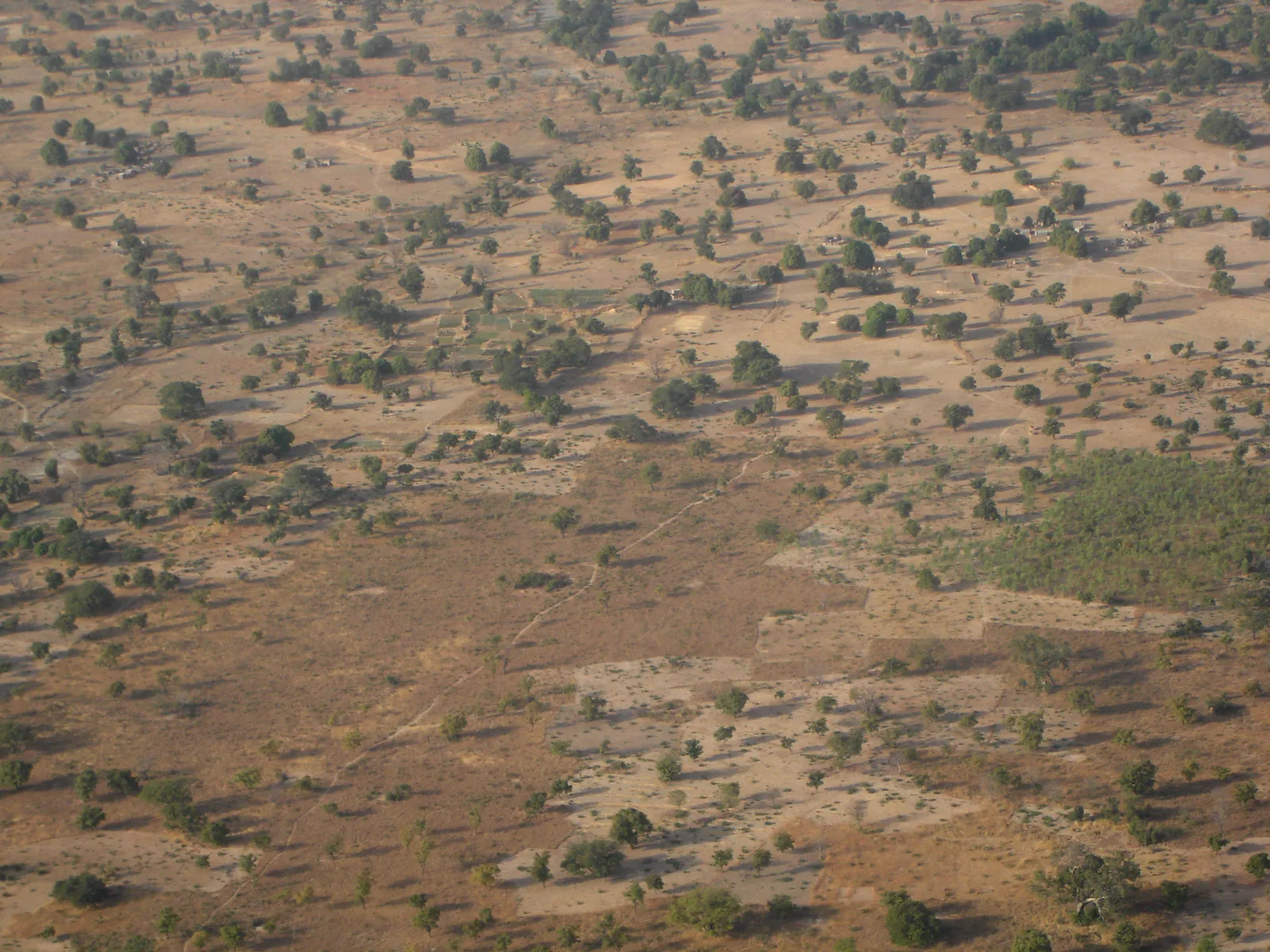
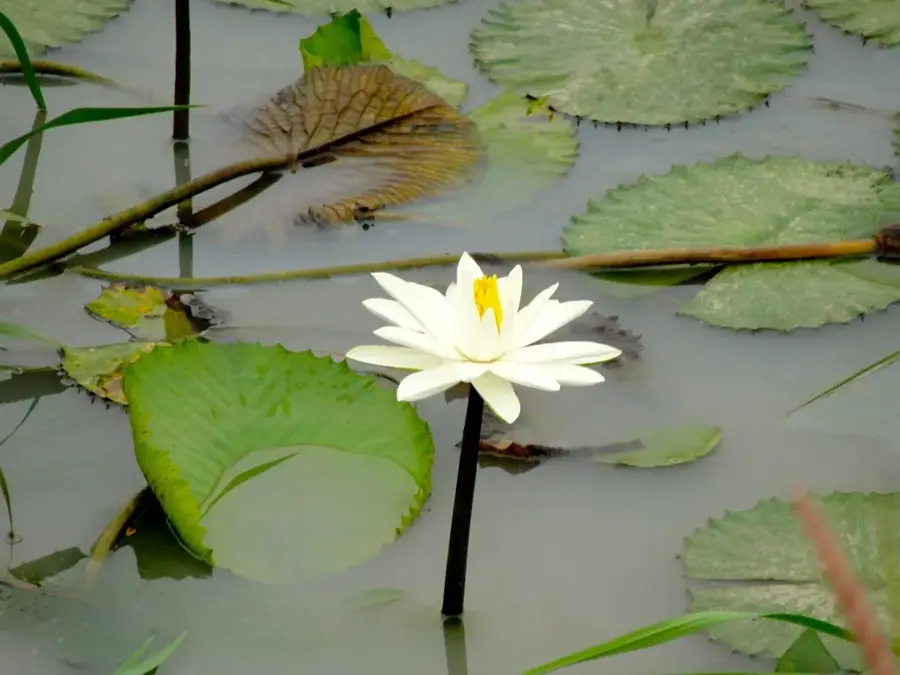
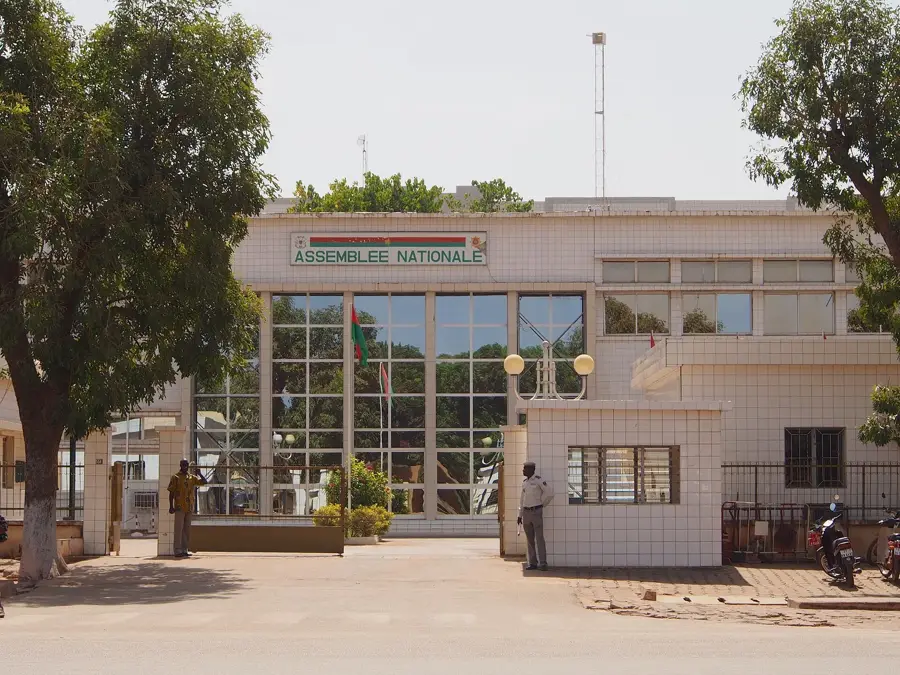
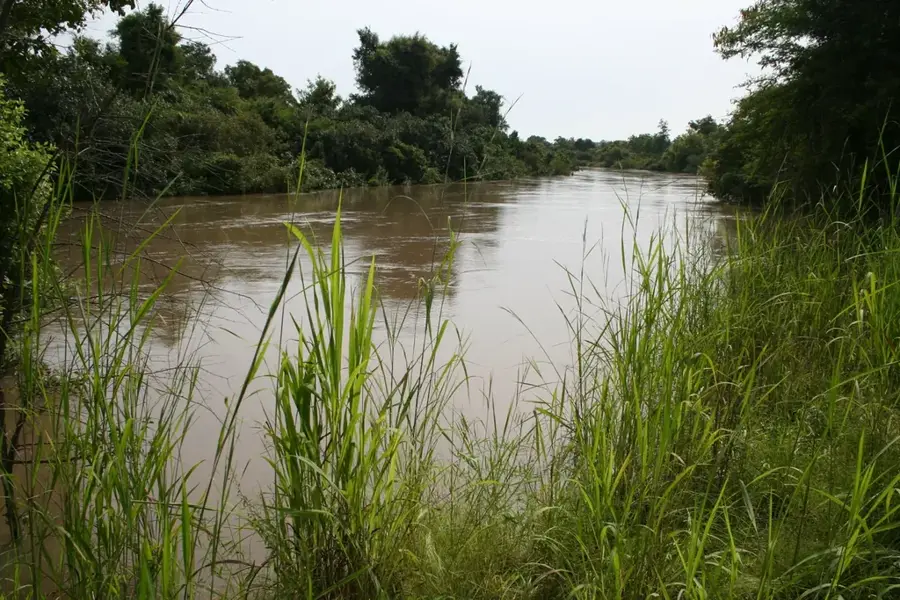
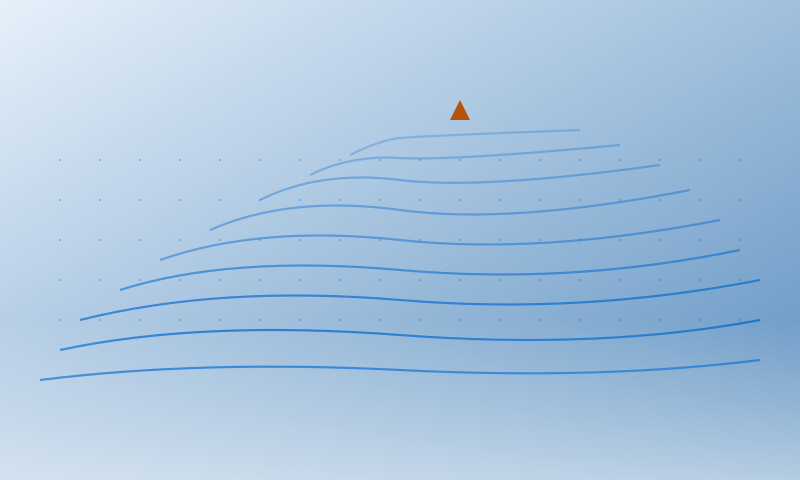
The Ouagadougou Plateau constitutes the geographical and political heart of Burkina Faso. It is a vast, slightly convex highland situated at an average elevation of 300 meters, forming part of the central Mossi Plateau. Geologically, the region is characterized by a crystalline basement complex covered by a hard lateritic crust, which is interrupted only in the valleys by deeper alluvial soils. The relief is exceptionally uniform, a factor that significantly facilitated the expansion of the capital city, Ouagadougou, in all cardinal directions. The region acts as a central watershed between the White Volta (Nakambé) and the Red Volta (Nazinon) rivers. Historically, the plateau was the epicenter of the Mossi Kingdom of Wogodogo, established in the 15th century. Despite rapid urbanization, remnants of Sudanian savanna with acacia and neem trees persist in the outskirts, while the city's artificial reservoirs remain its most vital hydrological features.

Best time to visit & climate

The most pleasant time to visit is Jan, Nov, Dec.

JanFebMarAprMayJunJulAugSepOctNovDec
Avg °C232730323230272627282623
Rain mm11326631071782451474510

📋 Practical info

🧭
Getting there
Being centrally located around the capital, access is relatively straightforward via the network of paved and unpaved roads radiating from the city. Public transport connects the major hubs, but renting a private vehicle gives more freedom.
📅
Best season
The relatively cooler months from November to February are usually the most comfortable time for outdoor exploration on the plateau. Avoid the peak of the hot dry season, when temperatures can become dangerously oppressive during the day.
⛰️
Terrain & paths
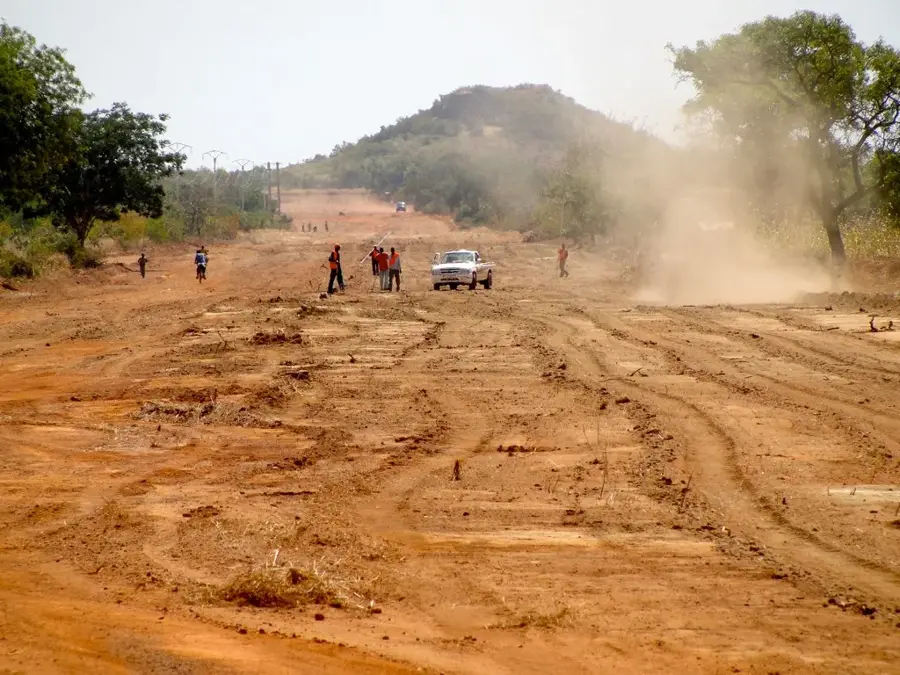
The central relief features predominantly flat to gently undulating laterite landscapes, occasionally dotted with characteristic trees and shrubs. The paths are mostly dusty red dirt tracks that turn into thick mud during the summer rains.
🎒
What to bring
Lightweight, comfortable walking shoes are sufficient for the generally even terrain. Sunscreen, a wide hat to shield against the relentless glare, and an adequate daily supply of bottled water are considered standard essentials for this area.
🅿️
Parking
Finding a spot to park is rarely an issue; vehicles can be safely left in designated lots within the capital or alongside rural roads in the wider plateau area. Always lock your car and avoid leaving any valuables visible inside.
⚠️
Safety
Heat exhaustion is the primary safety concern, so schedule any strenuous outdoor activities for the early morning or late afternoon. Stay hydrated constantly, and be cautious of heavy traffic when transitioning between the city and rural tracks.
⏱️
Time needed
Explorations can be as brief as a few hours driving through the scenic outskirts of the capital. However, a full-day trip allows for a deeper appreciation of the transition from urban environments to the sprawling, historic flatlands.

Geography

Coordinates
12.37000, -1.52000

Facts

  • The plateau maintains a consistent average elevation of 300 meters.
  • It functions as a watershed between the Nakambé and Nazinon rivers.
  • The geology is founded on the West African crystalline shield.
  • Ouagadougou, the nation's capital, is centrally located on the plateau.
  • The area has been the seat of Mossi political power since the 15th century.
  • Large man-made reservoirs are critical for the region's water security.

Explore nearby

Notable places around

Route planner — Car & Motorhome

Where do you start? We build the route here, with stops and country notes along the way.

Vehicle
Only stops with (optional):

© OpenStreetMap contributors · OpenRouteService

Sights in the town Ouagadougou Plateau (5)

Place Naaba Koom📍 landmark

This public square near the railway station is adorned with a towering bronze statue of a woman welcoming travelers with water.

Grande Mosquée⛪ religious

This grand central mosque features striking modern Islamic architecture and serves as a major gathering place for the city's Muslim community.

Musée de la Musique de Ouagadougou🏛 museum

Housed in a distinct mud-brick building with Sahelian architectural elements, this museum exhibits traditional Burkinabé musical instruments.

Grand Marché🎭 culture

Rebuilt after a fire with designs by DLM Architectes, this sprawling central market is a bustling hub for textiles, crafts, and fresh produce.

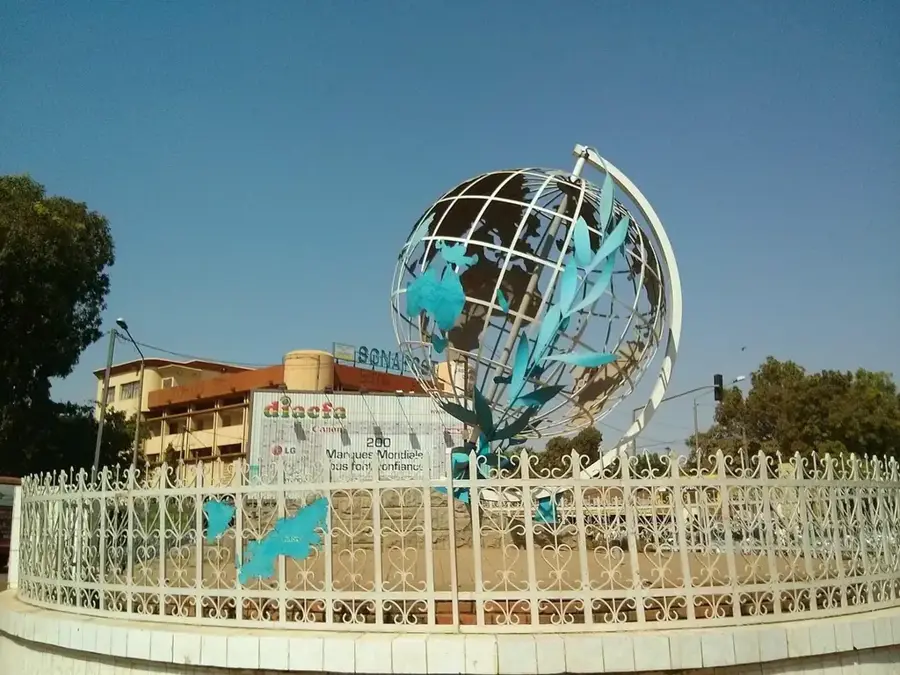
Rond-Point des Nations Unis📍 landmark

This major city roundabout features a prominent globe-like monument symbolizing international unity.

🕒 24/7

Sights nearby

Frequently asked questions

What is the Ouagadougou Plateau?
A central plateau where the capital of Burkina Faso is located.
What vegetation predominates?
A park savanna with many useful trees like mango and neem.
Are there water reservoirs?
Yes, there are several reservoirs important for the city's water supply.
What is the altitude of the plateau?
It is at an average altitude of about 300 meters above sea level.
Is the terrain suitable for cycling?
The flat topography makes cycling very popular and easy.
Ouagadougou Plateau: where is it located?
Ouagadougou Plateau is located in Burkina Faso.
Ouagadougou Plateau: what is there to see?
Highlights include Place Naaba Koom, Grande Mosquée, Musée de la Musique de Ouagadougou.
Ouagadougou Plateau: when is the best time to visit?
The most pleasant time to visit is Jan, Nov, Dec.
Ouagadougou Plateau: why is it worth visiting?

The Ouagadougou Plateau constitutes the geographical and political heart of Burkina Faso.
View on map → The Top 50 Attractions → OpenStreetMap →
Africa
Explore with Plizio Discover more places in Africa
More places in Burkina Faso →

Nearby cities

History & landmarks
Nature
More places