Plizio Visual Lab

Goiás Velho
Plizio editorial teamData Sources
Historical site
—°14
Goiás Velho (Brazil)

Weather…

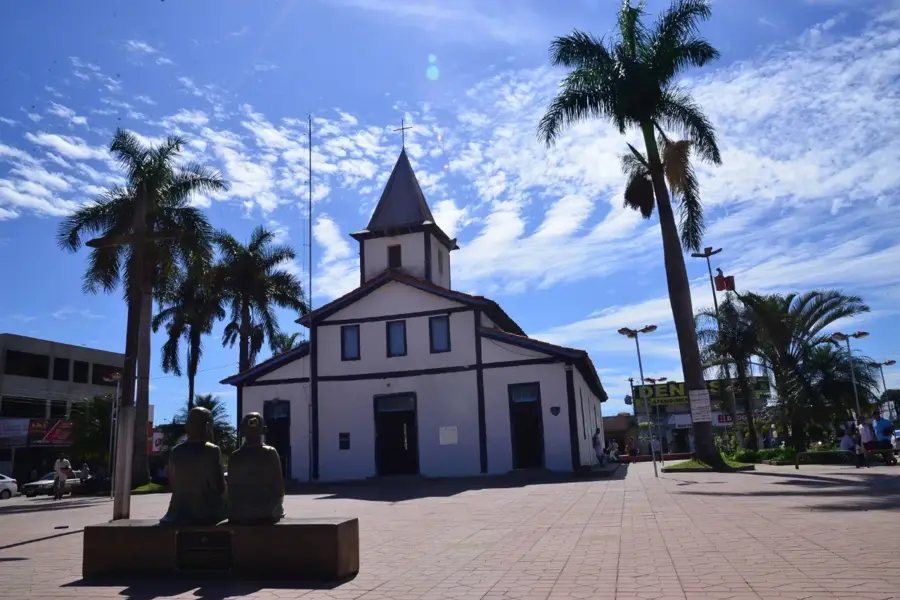
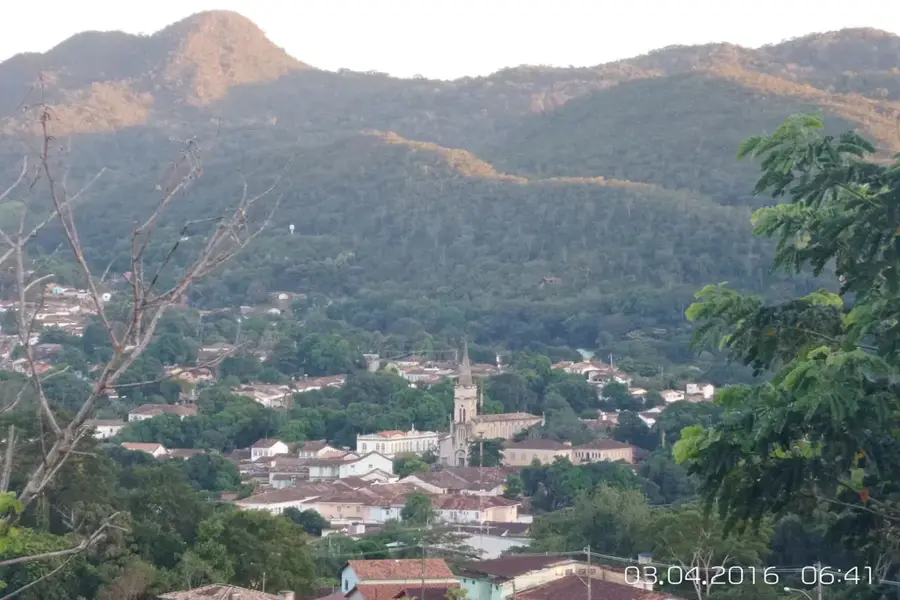
Goiás Velho, officially known as the City of Goiás, was the original capital of the state of Goiás and was founded in 1727 during the gold rush. The town is an outstanding example of the occupation and development of the Brazilian interior in the 18th and 19th centuries. Its urban layout organically adapted to the hilly topography along the banks of the Rio Vermelho and has remained largely unchanged since colonial times. In 2001, Goiás Velho was designated a UNESCO World Heritage Site. The town is deeply connected to the life of the poet Cora Coralina, whose riverside home is now one of Brazil's most visited literary museums. A major cultural highlight is the "Fogaréu" procession during Holy Week, where hooded figures march through the dark streets carrying torches. The architecture features simple mud-brick (adobe) construction and colorful wooden details typical of the regional colonial style. Despite losing its status as capital to Goiânia in 1937, Goiás has preserved its significance as a cultural guardian of Central-West Brazilian traditions.

Best time to visit & climate

The most pleasant time to visit is May–Jul.

JanFebMarAprMayJunJulAugSepOctNovDec
Avg °C242424232221222528272524
Rain mm270214204911883739131198240

📋 Practical info

🚪
Visiting
The historic center of Goiás Velho is freely accessible for walking tours through its colonial streets. Most churches and museums are open to visitors, but opening hours vary locally.
🕒
Typical hours
Churches and museums typically open around 9:00 AM to 5:00 PM, but exact hours are not fixed. Check locally at tourist information for precise timings.
📷
Photography
Photography is allowed in public streets and squares, though some churches may restrict it. A permit is often required for tripod or flash use indoors.
⏱️
Time needed
Allow at least half a day to walk through the historic center. If you plan to visit all museums, set aside a full day.
Combine with
Combine your visit with Chapada dos Veadeiros National Park, known for its waterfalls. The nearby town of Pirenópolis is also worth seeing for more colonial architecture.
🧭
Getting there
Goiás Velho is reachable by bus from Goiânia, taking about 2.5 hours. Alternatively, drive via highway BR-153.
💡
Insider tip
Arrive early in the morning to avoid crowds and capture the best light for photos. Be sure to try the local dish “Empadão Goiano” at a traditional restaurant.

Geography

Coordinates
-15.93440, -50.13880

Facts

  • Designated a UNESCO World Heritage Site in 2001
  • Founded in the year 1727 by Bartolomeu Bueno da Silva
  • Served as the capital of the state of Goiás until 1937
  • Home of the renowned poet Cora Coralina (1889–1985)
  • The Fogaréu procession is held annually during Holy Week
  • The Rio Vermelho (Red River) flows through the town center

Explore nearby

Notable places around
Route planner — Car & Motorhome

Where do you start? We build the route here, with stops and country notes along the way.

Vehicle
Only stops with (optional):

© OpenStreetMap contributors · OpenRouteService

Sights in the town Goiás Velho (14)

Espaço Cultural Vila Esperança🎭 culture

A cultural space dedicated to preserving Afro-Brazilian traditions in the historic city of Goiás.

Venerável Irmandade do Senhor Bom Jesus dos Passos⛪ religious

A historic Catholic brotherhood and place of worship dating back to the colonial era of Goiás.

União da Capoeira Angola Pró-Adolescente🎭 culture

A cultural space in Goiás focused on teaching traditional Capoeira Angola to youth.

Museu de Arte Sacra da Boa Morte🏛 museum

A museum of sacred art housed in the historic Church of the Good Death in Goiás.

Museu das Bandeiras🏛 museum

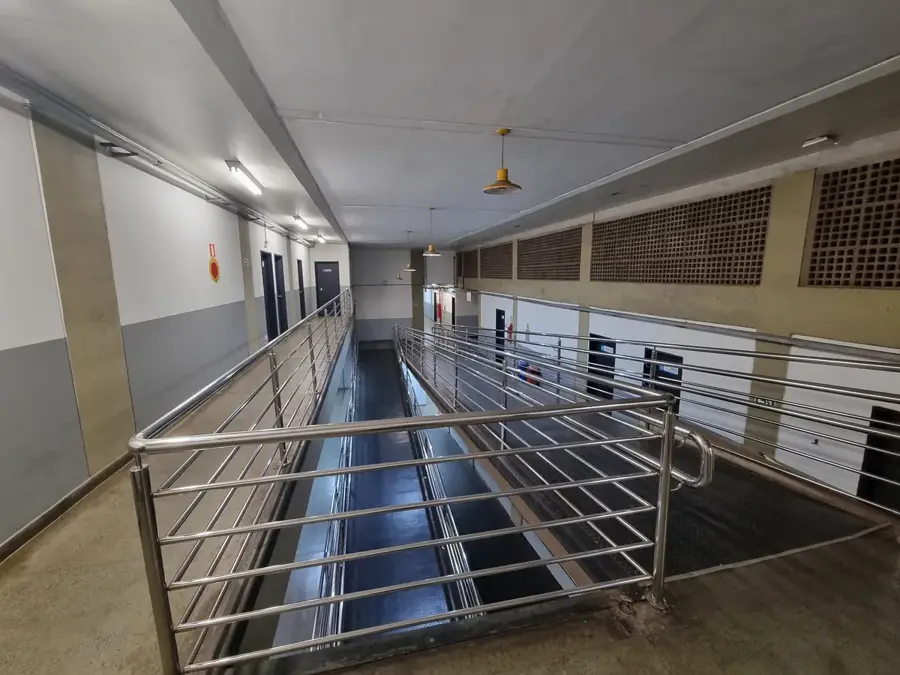
A museum housed in a former 18th-century prison building that showcases the history of the Bandeirantes expeditions.

Chafariz🏺 historical

A historic public fountain from the colonial era featuring characteristic Baroque stonework.

Mirante de Goiás🌿 nature

A viewpoint offering a sweeping vista over the colonial tile roofs of the historic town of Goiás.

Museu da Abadia🏛 museum

A local museum in Goiás preserving historical relics and documents from the local abbey.

Praia Natural de Areia🎡 recreation

A natural sandy beach on the banks of the Rio Vermelho, which flows through the historic city of Goiás.

Igreja Santa Bárbara⛪ religious

A historic hilltop church in Goiás, reachable via a steep stone staircase.

Igreja São João Batista📍 landmark

A historic colonial church in the center of Goiás dedicated to Saint John the Baptist.

Igreja do Rosário📍 landmark

A colonial-style Catholic stone church originally built by and for the enslaved population in Goiás.

Igreja Messiânica Mundial do Brasil⛪ religious

This church in Goiás is a place of worship for the World Messianic Church of Brazil.

Igreja de Nossa Senhora Aparecida📍 landmark

This Christian church in Goiás is dedicated to the patron saint of Brazil, Our Lady of Aparecida.

Sights nearby

Frequently asked questions

Who is Cora Coralina?
A famous poet from Goiás Velho; her house is now a museum.
What is the Procissão do Fogaréu?
An impressive Easter procession with torches at midnight.
Is the city a World Heritage site?
Yes, the historic center is a UNESCO World Heritage site.
What is the typical food?
Empadão Goiano, a hearty pie with various fillings.
When is the best time to visit?
Between May and August, when there's less rain and it's pleasantly warm.
Goiás Velho: where is it located?
Goiás Velho is located in Brazil.
Goiás Velho: what is there to see?
Highlights include Espaço Cultural Vila Esperança, Venerável Irmandade do Senhor Bom Jesus dos Passos, União da Capoeira Angola Pró-Adolescente.
Goiás Velho: when is the best time to visit?
The most pleasant time to visit is May, Jul.
Goiás Velho: why is it worth visiting?
Goiás Velho, officially known as the City of Goiás, was the original capital of the state of Goiás and was founded in 1727 during the gold rush.
View on map → The Top 50 Attractions → OpenStreetMap →
South America
Explore with Plizio Discover more places in South America
More places in Brazil →

Nearby cities

More places