Plizio Visual Lab

Ouénou-Kouandé Forest

Plizio editorial teamData Sources
Forest
—°
Ouénou-Kouandé Forest (Benin)

Weather…

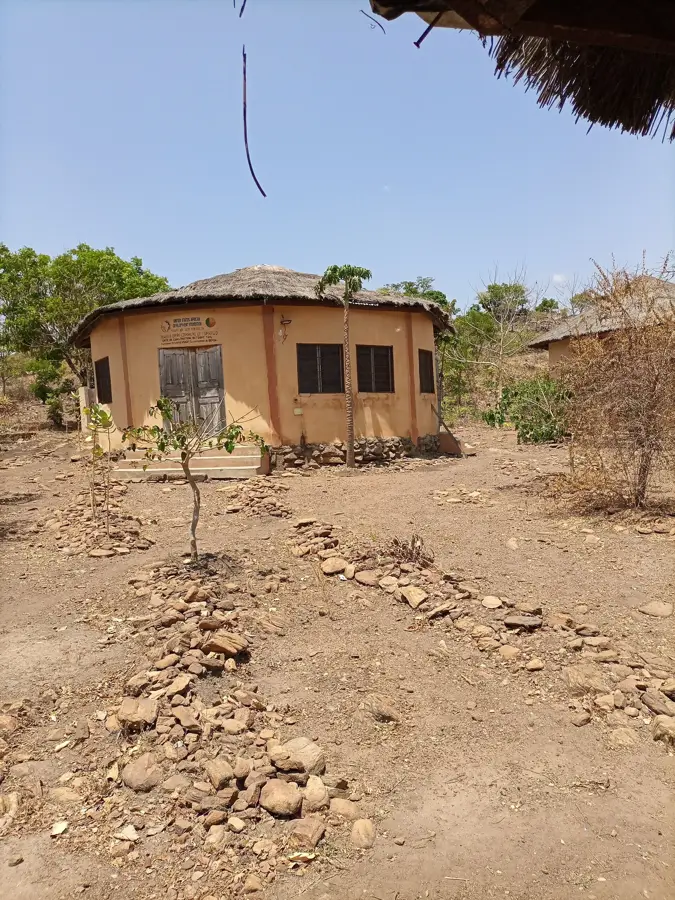
The Ouénou-Kouandé Forest in northern Benin is a significant protected area spanning parts of the Borgou and Atakora departments. This forested zone plays a crucial role in regional environmental protection, serving as a biological corridor for numerous animal species, including primates and antelopes. The vegetation consists of a mix of dry forests and wooded savannas, adapted to the region's seasonal rainfall fluctuations. Geomorphologically, the area is characterized by gentle undulations and isolated elevations that are part of the Atakora Mountains' foothills. Forest conservation is vital for regulating the local microclimate and maintaining soil fertility in a region increasingly threatened by desertification. The local population utilizes the forest's peripheries sustainably for collecting non-timber forest products, while state authorities oversee strict protection regulations to preserve biodiversity.

📋 Practical info

🧭
Getting there
Access to the forest area is primarily through the town of Kouandé in the Atakora region of northwestern Benin. From there, unpaved tracks and rural paths lead into the forested, hilly landscapes.
📅
Best season
The best time for hiking is the drier phase from November to February when the climate is slightly cooler. During the heavy rainy season, forest paths can become extremely muddy and frequently impassable.
⛰️
Terrain & paths
The landscape features a hilly topography mixed with dense tree stands and savanna elements. Trails are wild, frequently uneven, sometimes stony, and require a reasonable level of fitness in certain sections.
🎒
What to bring
High-quality, closed hiking boots are essential for navigating the rough terrain within the forest. Furthermore, ample drinking water, a first aid kit, and reliable mosquito repellent are strongly advised.
🅿️
Parking
Since there is no official infrastructure in the forest, vehicles are typically parked in the starting town of Kouandé. From there, continuing with a local guide or a four-wheel-drive vehicle is recommended.
⚠️
Safety
If possible, the forest should never be entered without an experienced local guide. The dense undergrowth makes orientation highly difficult, and visitors should also remain respectful of native wildlife.
⏱️
Time needed
An extensive exploration of the hilly forest landscape usually requires a half to a full day. For birdwatchers or those planning long hikes, careful advance planning is definitely worthwhile.

Geography

Coordinates
10.25000, 2.05000

Facts

  • Located in northern Benin (Borgou and Atakora)
  • Serves as a vital biological migration corridor
  • Consists primarily of dry forests and savannas
  • Designated as a 'Forêt Classée' since the 20th century
  • Regulates the water balance of local river systems
  • Home to endangered West African primate species

Explore nearby

Notable places around

Route planner — Car & Motorhome

Where do you start? We build the route here, with stops and country notes along the way.

Vehicle
Only stops with (optional):

© OpenStreetMap contributors · OpenRouteService

Sights nearby

Frequently asked questions

Where is the Ouénou-Kouandé forest located?
In northwestern Benin, near the city of Kouandé.
What is the main function of this forest?
It serves as a water protection area and for the conservation of local fauna.
What animals can be found here?
Various antelope species and a variety of reptiles.
Can you visit the forest?
Visits are possible, but there is no tourist infrastructure.
What is the terrain like?
Hilly and covered with dry forest.
Ouénou-Kouandé Forest: where is it located?
Ouénou-Kouandé Forest is located in Benin.
Ouénou-Kouandé Forest: why is it worth visiting?

The Ouénou-Kouandé Forest in northern Benin is a significant protected area spanning parts of the Borgou and Atakora departments.
View on map → The Top 50 Attractions → OpenStreetMap →
Africa
Explore with Plizio Discover more places in Africa
More places in Benin →

History & landmarks

Nature

More places