Plizio Visual Lab

Artois Hills
Plizio editorial teamData Sources
Mountain
—°4
Artois Hills (Belgium)

Weather…

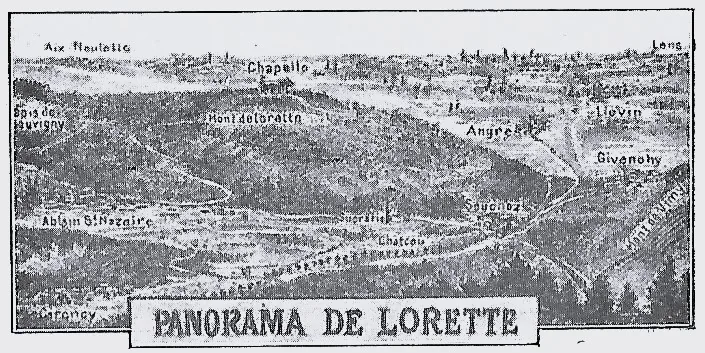
The Artois Hills represent a significant geological formation that primarily stretches through northern France, yet its northern reaches also shape the landscape of Belgium's southwestern borderlands. These limestone ridges were formed during the Cretaceous period and act as a natural barrier between the coastal plain of Flanders and the Paris Basin. Historically, the region's strategic elevation made it a frequent site for military engagements, most notably during World War I, when the front lines followed these contours into the province of Hainaut. Today, the area is predominantly recognized for its agricultural output and characteristic bocage landscape of hedgerows. The gentle slopes reach elevations of approximately 200 meters, offering expansive views over the surrounding valleys of the Lys and Scheldt rivers. Geologically, these hills are closely related to the North and South Downs in England, forming part of the same vast anticlinal system. The local flora is characterized by lime-loving species that thrive on the mineral-rich, well-drained soils of the plateau.

Best time to visit & climate

The most pleasant time to visit is Jun–Aug.

JanFebMarAprMayJunJulAugSepOctNovDec
Avg °C346913161817151174
Rain mm625553416159667354707777

📋 Practical info

🧭
Getting there
This gentle rolling landscape in the western border region is typically easily accessible via major routes heading towards the coastal plain. The drive to the most popular trailheads generally follows highly scenic, well-maintained country roads.
📅
Best season
As these hills form the transition to the coastal plain, a fresh breeze is typical here, making summer hikes surprisingly comfortable. Spring is generally a particularly welcoming season to visit, as the animated nature across the gentle slopes awakens.
⛰️
Terrain & paths
The terrain is generally characterized by gently rolling hills that completely lack extreme or exhausting inclines. Walkers and hikers will typically find well-developed, wide paths that blend harmoniously into the inviting and open landscape.
🎒
What to bring
Light, comfortable walking shoes are usually completely sufficient for exploring these rounded, gentle hills. However, due to the proximity to the frequently windy coastal plain, it is generally highly advisable to carry a light, wind-resistant jacket.
🅿️
Parking
There are typically ample parking options in the adjacent small villages surrounding the main entry points to the hills. Finding a parking space is generally a straightforward affair, ensuring a completely relaxed start to your outdoor experience.
⚠️
Safety
Hiking in this very gentle transition zone generally poses no specific significant dangers, making the area highly suitable for families. Basic caution when sharing the wider paths with occasional agricultural machinery is typically entirely sufficient.
⏱️
Time needed
For a relaxed walk over the gentle hilltops looking down towards the plain, visitors should generally plan for about two hours. Those wishing to traverse the entire easy on the eye region can typically easily extend their visit into a hearty half-day trip.

Geography

Coordinates
50.40000, 2.50000

Facts

  • The highest point of the Artois ridge reaches an elevation of approximately 212 meters.
  • Geologically, the area is composed of limestone and chalk formations from the Upper Cretaceous.
  • The hills form a major watershed between the Somme and Scheldt river basins.
  • In 1917, the region was the site of the significant Battle of Arras during WWI.
  • Extensive coal seams of the Northern French basin are located beneath these hills.
  • The relief was significantly shaped by tectonic uplift during the Tertiary period.

Explore nearby

Notable places around

Route planner — Car & Motorhome

Where do you start? We build the route here, with stops and country notes along the way.

Vehicle
Only stops with (optional):

© OpenStreetMap contributors · OpenRouteService

Sights in the town Artois Hills (4)

Église Saint-Léger

Catholic church in Pas-de-Calais, France, dedicated to Saint Leodegar.

Église Sainte-Anne

Church dedicated to Saint Anne, located in Pas-de-Calais, France.

Église Saint-Vaast

Church honoring Saint Vedast, situated in Pas-de-Calais, France.

Le château de Chelers🏰 castle

Castle in the village of Chelers, surrounded by fields and woodland.

Sights nearby

Frequently asked questions

Where are the Artois Hills located?
They are mainly located in northern France but extend into the far southwest of Belgium.
What role did they play in history?
The region was the site of heavy fighting during World War I; many monuments commemorate this.
What is the landscape like there?
It is a gently rolling agricultural landscape with small valleys and wide views.
What activities are recommended here?
Mainly cycling on quiet country roads and hiking to historical memorial sites.
When is the best time for a visit?
Spring and early summer are well-suited when the fields are in bloom and the weather is mild.
Artois Hills: where is it located?
Artois Hills is located in Belgium.
Artois Hills: what is there to see?
Highlights include Église Saint-Léger, Église Sainte-Anne, Église Saint-Vaast.
Artois Hills: when is the best time to visit?
The most pleasant time to visit is Jun, Aug.
Artois Hills: why is it worth visiting?

The Artois Hills represent a significant geological formation that primarily stretches through northern France, yet its northern reaches also shape the landscape of Belgium's southwestern borderlands.
View on map → The Top 50 Attractions → OpenStreetMap →
Europe
Explore with Plizio Discover more places in Europe
More places in Belgium →

Nearby cities