Plizio Visual Lab

Pico Teneriffe
Plizio editorial teamData Sources
peak
—°
Pico Teneriffe (Barbados)

Weather…

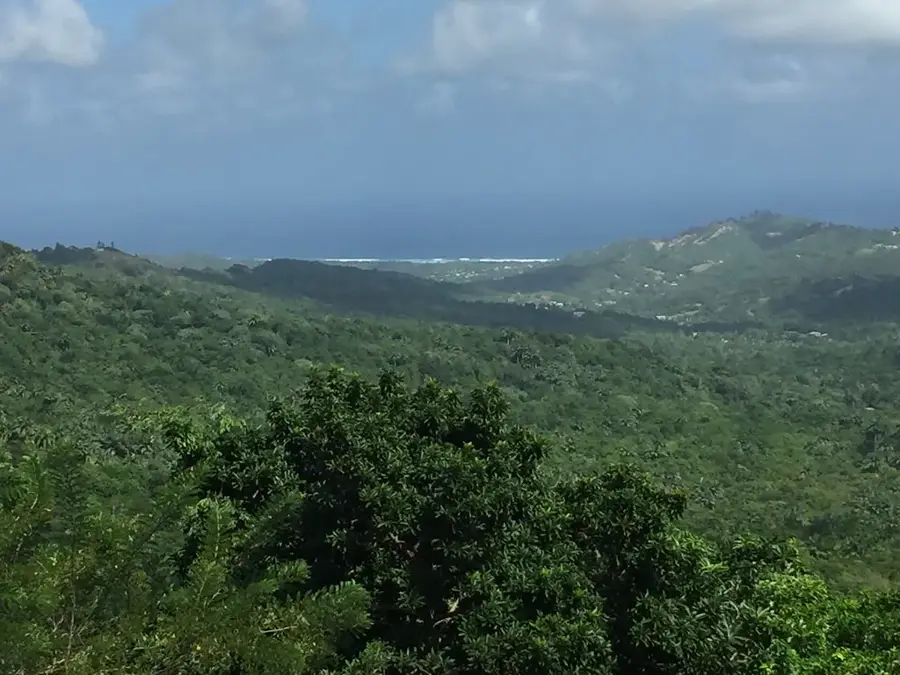
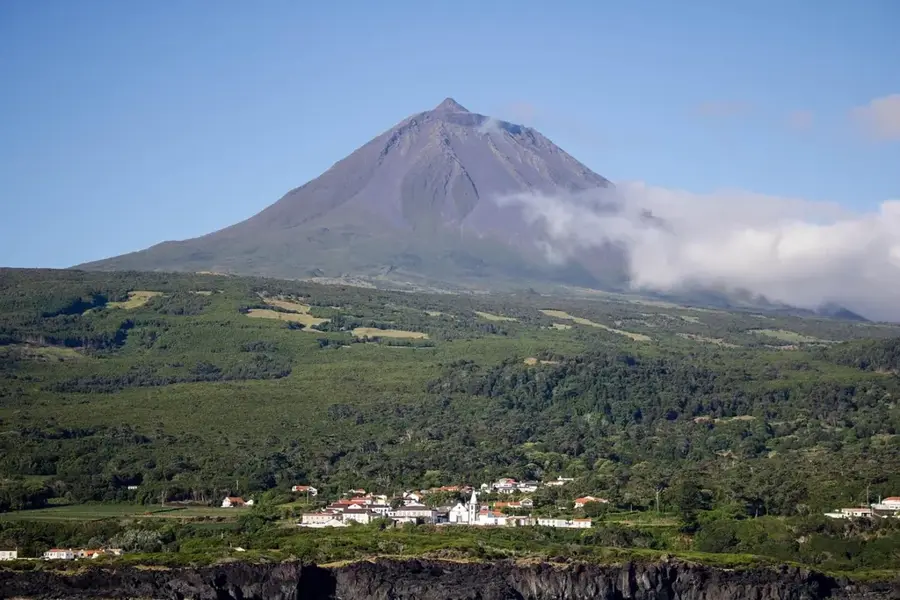
Pico Teneriffe is a prominent limestone pinnacle located on the rugged northeast coast of Barbados, within the parish of Saint Peter. Rising nearly 100 meters directly from the Atlantic shoreline, it stands as a stark geographical landmark that differs significantly from the island's more typical low-lying coral formations. The peak was named by early colonial settlers who believed its jagged silhouette resembled the Teide volcano on the island of Tenerife in the Canaries. Geologically, it is part of the Scotland District, a region characterized by its folded rock layers and susceptibility to erosion, creating a landscape of steep ridges and deep valleys. The site gives a commanding view of the northern coastline, where the heavy Atlantic surf crashes against the base of the cliffs. While the ascent is challenging due to the loose limestone surface, the area remains a popular stop for those exploring the untamed beauty of the island's windward side, providing a dramatic backdrop for the surrounding coastal villages.

Best time to visit & climate

The most pleasant time to visit is Jan, Nov, Dec.

JanFebMarAprMayJunJulAugSepOctNovDec
Avg °C222630333331282727282623
Rain mm102938971782551212510

📋 Practical info

🧭
Getting there
This striking limestone pinnacle on the northeastern coast of Barbados is typically reached via unpaved coastal paths originating from nearby rural settlements. Travelers usually find that a rental car or private transport is the most practical way to access this relatively remote coastal area.
📅
Best season
The most optimal time for an excursion is generally during the drier months between December and May, when weather patterns are reliably stable. Outside of this prime window, frequent tropical showers and stronger coastal winds might temporarily obscure the dramatic ocean views.
⛰️
Terrain & paths
The immediate surroundings of the prominent peak feature a rugged, unyielding coastline and uneven limestone surfaces that demand careful footing. Since there are no formal maintained trails leading directly up the steep rock face, visitors mostly navigate the adjacent panoramic viewpoints.
🎒
What to bring
Sturdy, closed-toe footwear with robust traction is strictly advised to safely traverse the unpredictable rocky ground near the cliffs. Explorers should also ensure they carry a sufficient supply of drinking water, reliable sun protection, and a light windbreaker to counter the strong sea breezes.
🅿️
Parking
Visitors typically leave their vehicles along the wider shoulders of the approaching coastal roads or within the neighboring small residential communities. There are generally no formalized, paved parking facilities situated directly at the base of this unspoiled natural landmark.
⚠️
Safety
It is crucial to maintain a generous and safe distance from the cliff edges, as the coastal limestone can be brittle and prone to unexpected erosion. Caution must be significantly heightened during periods of high winds or rain, which inevitably make the jagged rocks quite slippery and hazardous.
⏱️
Time needed
A typical visit focused on appreciating the sheer scale of the peak and enjoying the dramatic ocean scenery usually lasts roughly one to two hours. Visitors aiming to undertake an extended walking exploration of the adjoining wild coastline can easily turn the stop into a half-day adventure.

Geography

Coordinates
13.26670, -5.56670

Facts

  • Height: 200 m
  • Slope: 20°
  • Fossils: over 10 species
  • Flora: 50 plant species
  • Distance to coast: 1 km
  • Usage: birdwatching

Explore nearby

Notable places around

Route planner — Car & Motorhome

Where do you start? We build the route here, with stops and country notes along the way.

Vehicle
Only stops with (optional):

© OpenStreetMap contributors · OpenRouteService

Sights nearby

Frequently asked questions

What is Pico Teneriffe?
It is a prominent, pyramid-shaped cliff on the northeast coast of the island.
Is climbing the cliff allowed?
Climbing it is dangerous due to loose rocks and steep slopes and is not recommended.
Why is it called Pico Teneriffe?
It is believed that early settlers named it after the island of Tenerife, the first European land they saw.
What can you see from there?
You have a fantastic view of the wild Atlantic Ocean and the northern coastal sections.
Is there easy access?
Access is via dirt roads; there is no developed parking lot directly at the cliff.
Pico Teneriffe: where is it located?
Pico Teneriffe is located in Barbados.
Pico Teneriffe: when is the best time to visit?
The most pleasant time to visit is Jan, Nov, Dec.
Pico Teneriffe: why is it worth visiting?

Pico Teneriffe is a prominent limestone pinnacle located on the rugged northeast coast of Barbados, within the parish of Saint Peter.
View on map → The Top 50 Attractions → OpenStreetMap →
North America
Explore with Plizio Discover more places in North America

Nearby cities