Plizio Visual Lab
Malanje
ℹ️Practical info — Malanje
▾
🌤 Weather — 5 days
📍 Nearby
Sights nearby
💡 Tips
- Use Malanje as your base for day trips to the spectacular Kalandula Falls and Pedras Negras.
- Renting a 4x4 vehicle is highly recommended for traveling outside the city limits due to road conditions.
- Bring plenty of cash (Kwanzas) with you, as ATMs in the region can frequently run out of money or be out of service.
- Check local stations for up-to-date railway schedules if you plan to travel to Luanda by train.
🍽 Food
A traditional chicken stew made with palm oil. Try it at the small, authentic eateries around town.
A dense cassava flour side dish, found in almost every traditional diner and eaten with hearty sauces.
Often served freshly grilled. Look for it in the simple local restaurants near the markets.
🛍 Shopping · 🧘 Quiet spots
The town's central market. Great for seeing fresh regional produce and observing animated local daily life.
Keep an eye out for roadside or market stalls selling traditional wooden carvings and woven baskets.
A small central park within the city, excellent for taking a quick, shaded rest during your walk.
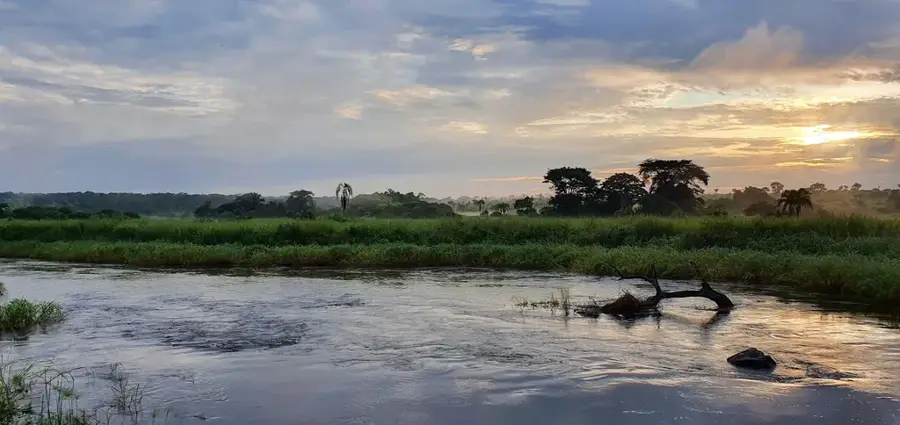
Head out of the main center towards the river for nature observation in a much quieter setting.
Water temperature…
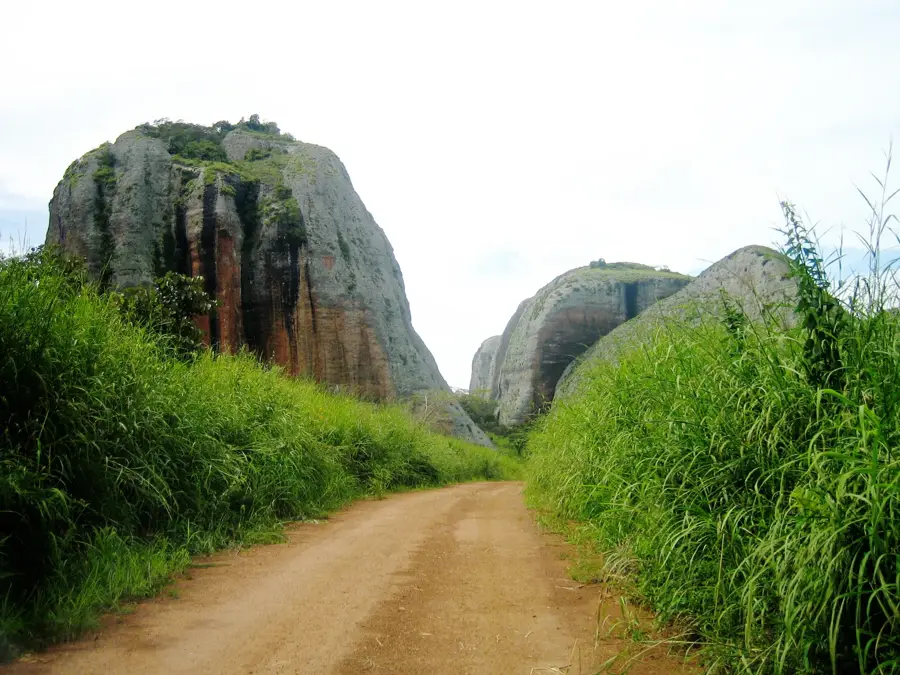
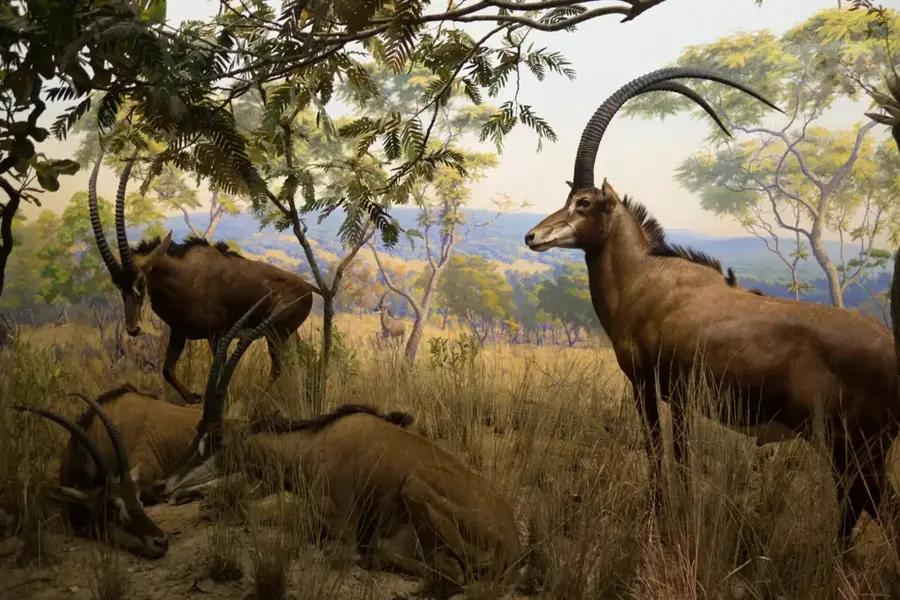
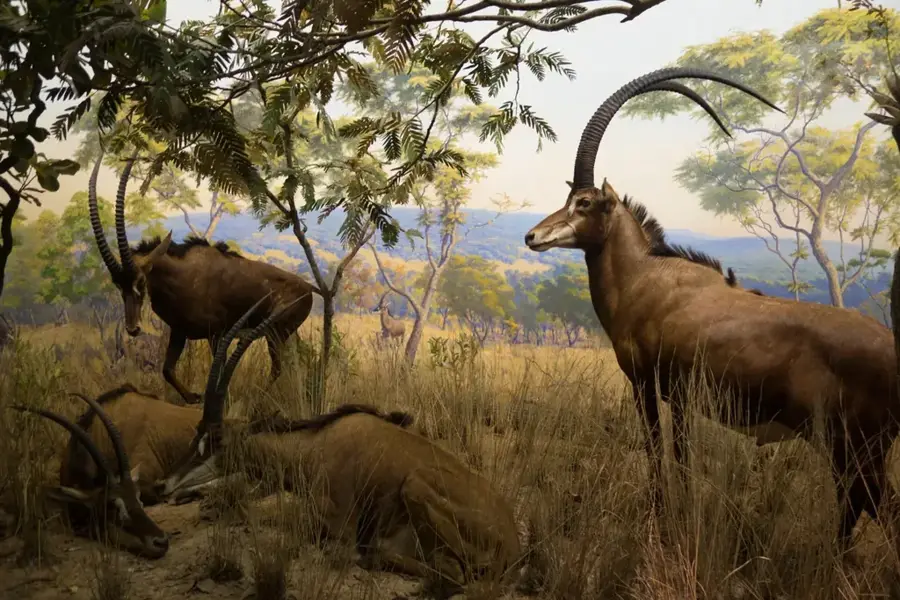
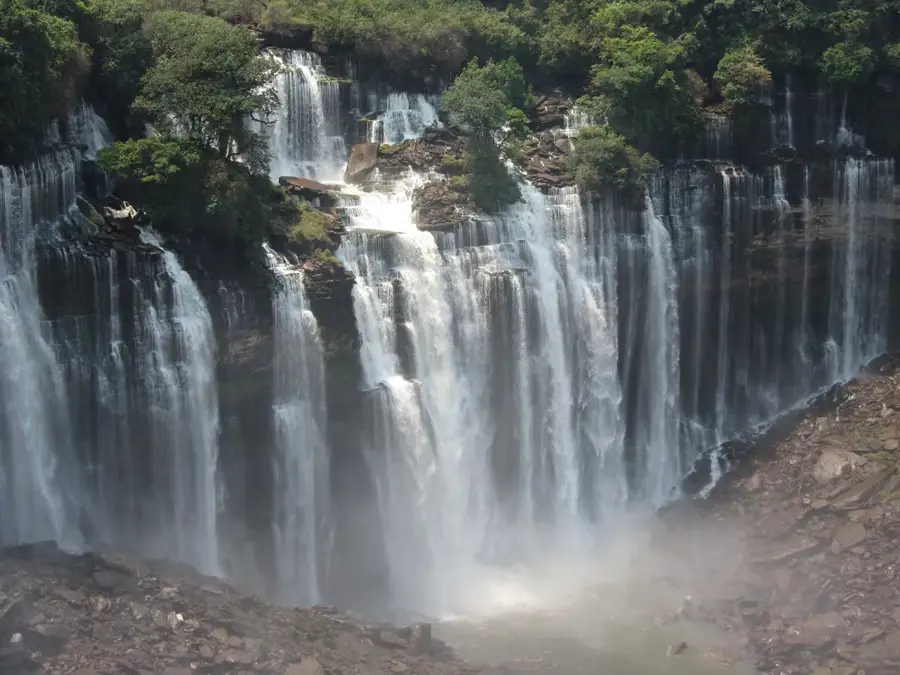
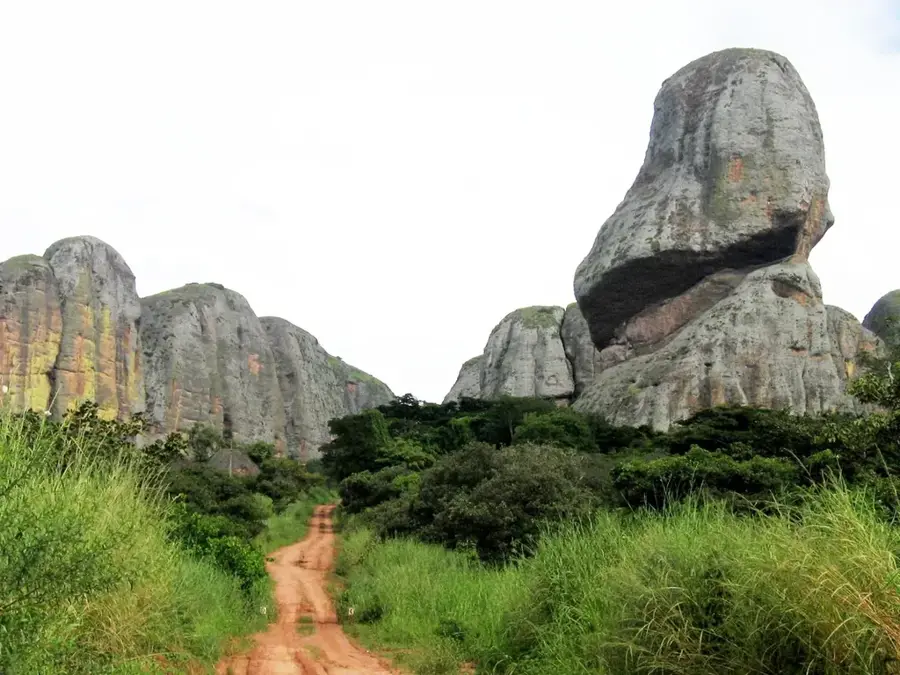
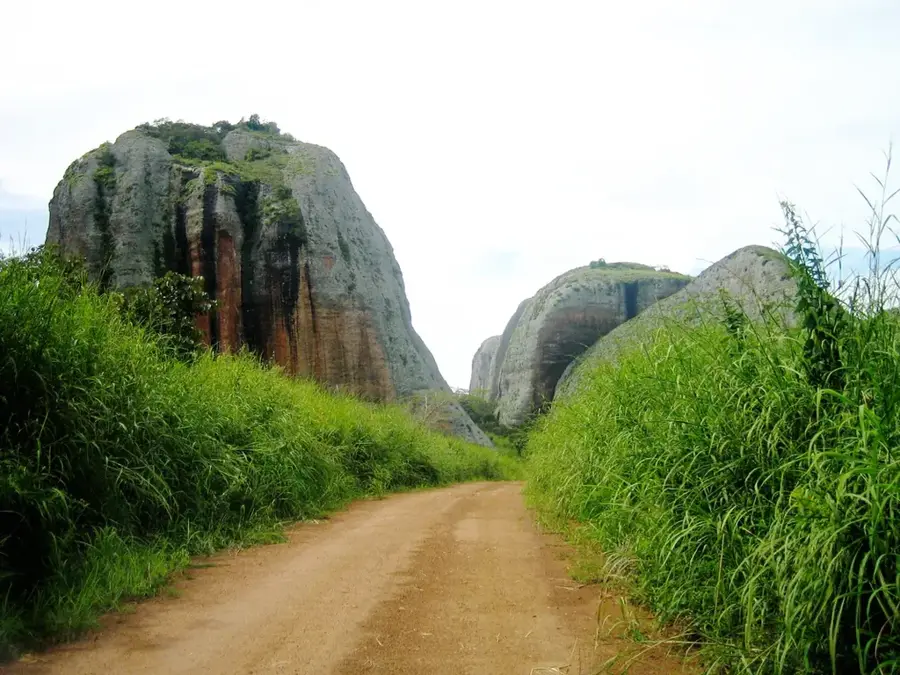
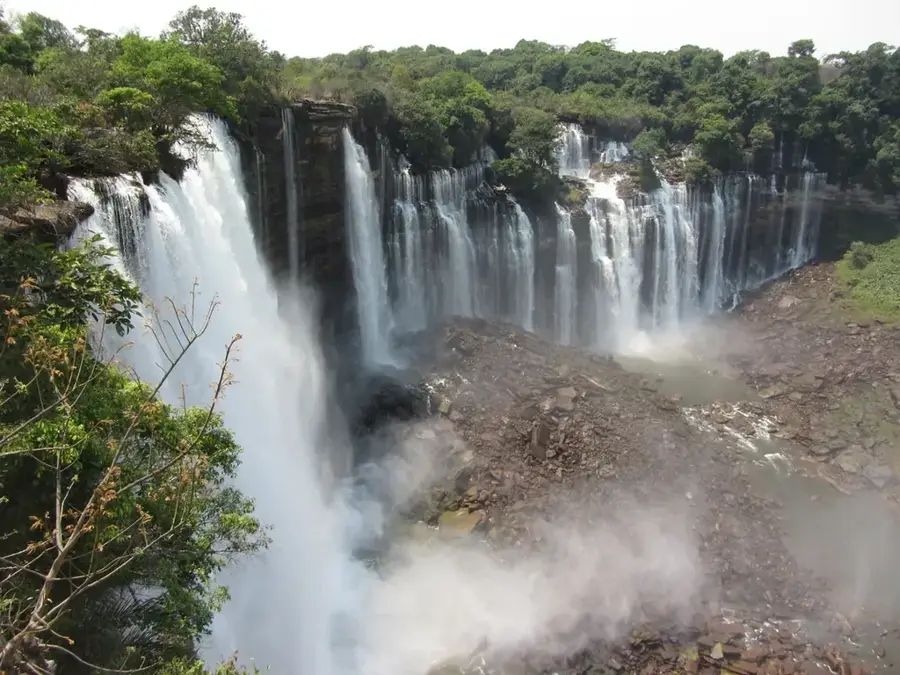
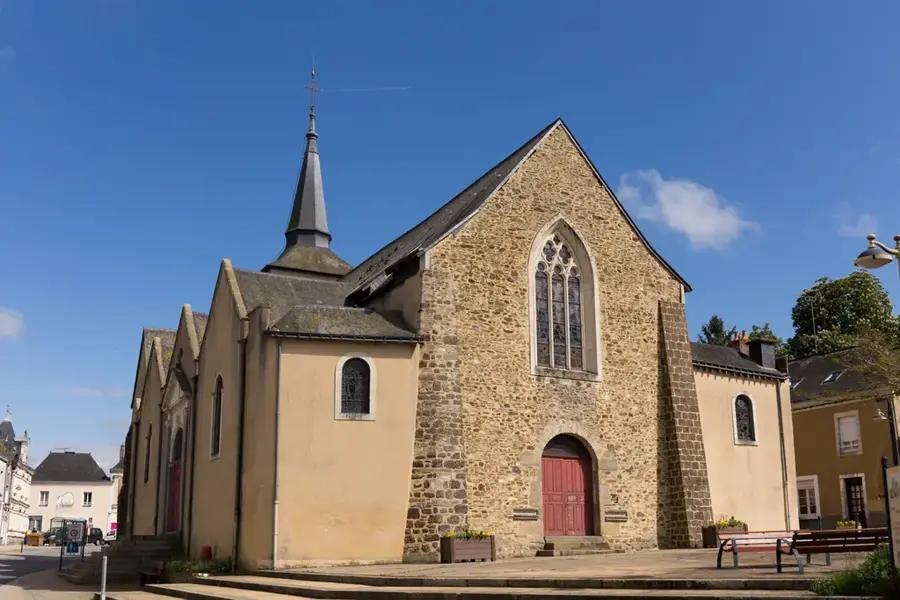
Malanje, the administrative capital of Malanje Province in north-central Angola, is a historic city situated on a plateau at an altitude of approximately 1,150 meters. Established as a trading post in 1852, the city grew significantly during the colonial era as the gateway to the interior and a major agricultural hub. Known for its fertile lands, Malanje was once the heart of Angola's cotton, maize, and tobacco production. The city is the eastern terminus of the Luanda Railway (Caminho de Ferro de Luanda), which historically and currently links the central highlands to the capital city of Luanda on the Atlantic coast. Architecturally, Malanje features a blend of colonial heritage, seen in its Catholic cathedral and old administrative buildings, and modern residential expansions. The area surrounding Malanje is home to some of Angola's most iconic natural landmarks. The Kalandula Falls, located about 80 kilometers from the city, are among the most impressive waterfalls in Africa, standing 105 meters tall and stretching 400 meters wide. Another nearby geological marvel is the Pedras Negras (Black Rocks) of Pungo Andongo, a series of massive monolithic rock formations that hold deep cultural and historical significance, tied to the 17th-century resistance of Queen Nzinga of Ndongo and Matamba. Culturally, Malanje is a stronghold of the Kimbundu-speaking Ambundu people, whose music and traditions are central to the local identity. The city also serves as a base for exploring the Cangandala National Park, which is the last natural refuge of the Giant Sable Antelope (Palanca Negra Gigante), a critically endangered species and the national symbol of Angola. With its modern airport and improving road networks, Malanje is increasingly becoming a focal point for eco-tourism and regional commerce, bridging the gap between the coastal urban centers and the vast interior provinces.
- Location: Angola
- Top sights: Malanje Province · Archdiocese of Malanje · Estádio 1º de Maio (Malanje)
- Nearby: Calandula (62 km)
- Population: ~455.000 (2026)
Best time to visit & climate
The most pleasant time to visit is Jun–Aug.
| Jan | Feb | Mar | Apr | May | Jun | Jul | Aug | Sep | Oct | Nov | Dec | |
|---|---|---|---|---|---|---|---|---|---|---|---|---|
| Avg °C | 23 | 23 | 23 | 23 | 24 | 22 | 22 | 24 | 25 | 24 | 23 | 22 |
| Rain mm | 91 | 101 | 137 | 95 | 15 | 2 | 0 | 4 | 31 | 109 | 164 | 123 |
Geography
Facts
- Malanje is located at an altitude of 1,150 meters above sea level.
- The city serves as the final stop for the Luanda Railway line.
- Kalandula Falls, nearby, are the second largest in Africa by volume.
- Pungo Andongo's Black Rocks are massive monoliths of volcanic origin.
- Malanje was established as a Portuguese military and trade outpost in 1852.
- The city's airport (IATA: MEG) connects the region directly to Luanda.
- Giant Sable Antelope (Palanca Negra) is only found in this province.
- The rainy season in Malanje lasts from October through April.
Explore nearby
Notable places around
Route planner — Car & Motorhome
Where do you start? We build the route here, with stops and country notes along the way.
© OpenStreetMap contributors · OpenRouteService
Sights in the town Malanje (3)
Frequently asked questions
How many days should you stay in Malanje?
When is the best time to travel there?
What is Malanje known for?
Is the city suitable for families?
What is the best way to get around?
Malanje: where is it located?
Malanje: what is there to see?
Malanje: when is the best time to visit?
Malanje: why is it worth visiting?

Nearby cities
More places