Plizio Visual Lab
Cabinda
ℹ️Practical info — Cabinda
▾
🌤 Weather — 5 days
📍 Nearby
Sights nearby
💡 Tips
- Always carry a copy of your passport and any special permits, as there may be checkpoints.
- Taking photos of military or government facilities is strictly forbidden.
- Traffic can be chaotic; use licensed taxis or drivers recommended by hotels.
- Knowledge of Portuguese is essential, as English is rarely spoken.
🍽 Food
The Angolan national dish of chicken, palm oil, and garlic, served in good restaurants in the city center.
A feast of grilled fish, beans, and cassava, best at coastal eateries.
Cassava porridge, the traditional side dish to almost all meals, ask for it in local churrasqueiras.
🛍 Shopping · 🧘 Quiet spots
Look for colorful African fabrics (Samakaka) in the main market.
Local artisans offer hand-carved figures and masks.
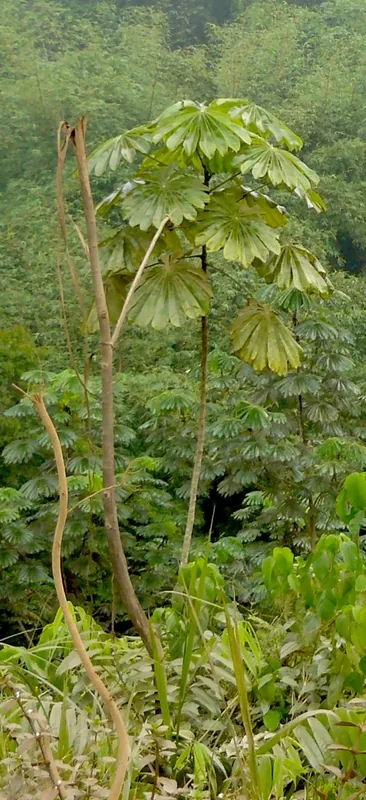
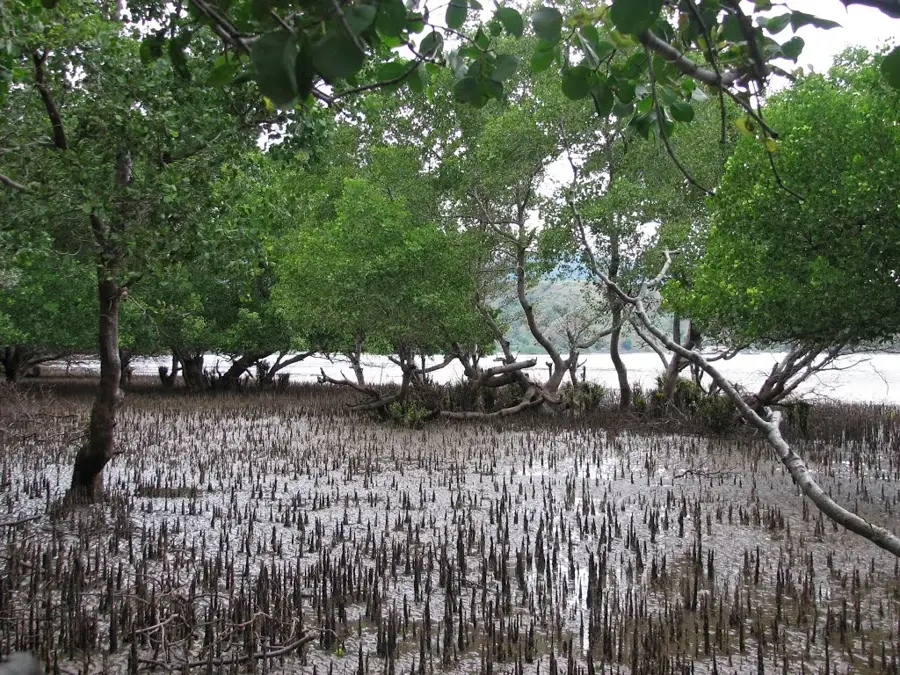
Just outside the city, this dense rainforest features tranquility and sweeping nature.
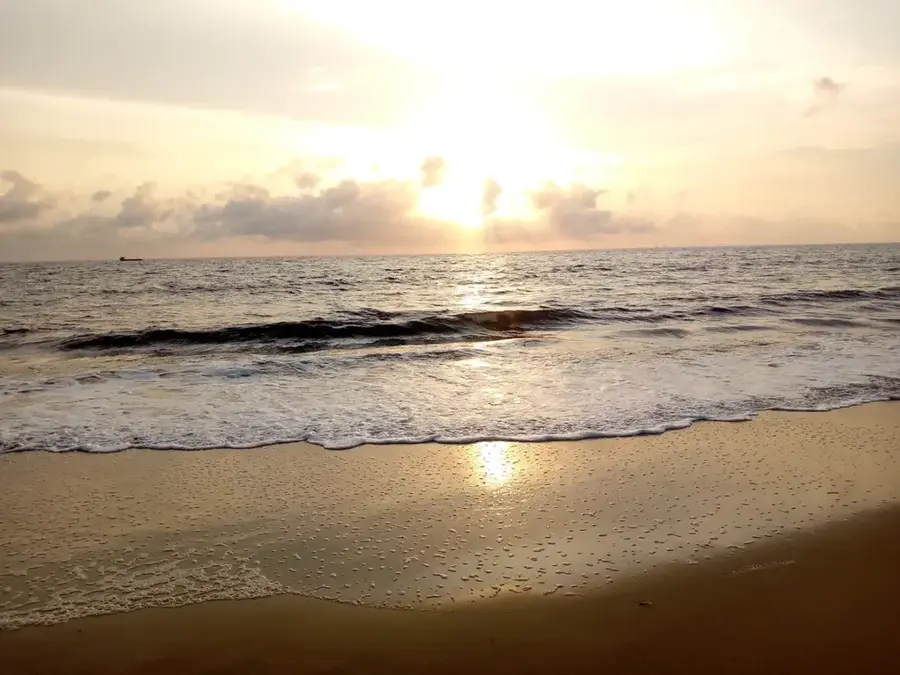
A walk along the Atlantic coast in the early morning is relatively peaceful.
Water temperature…
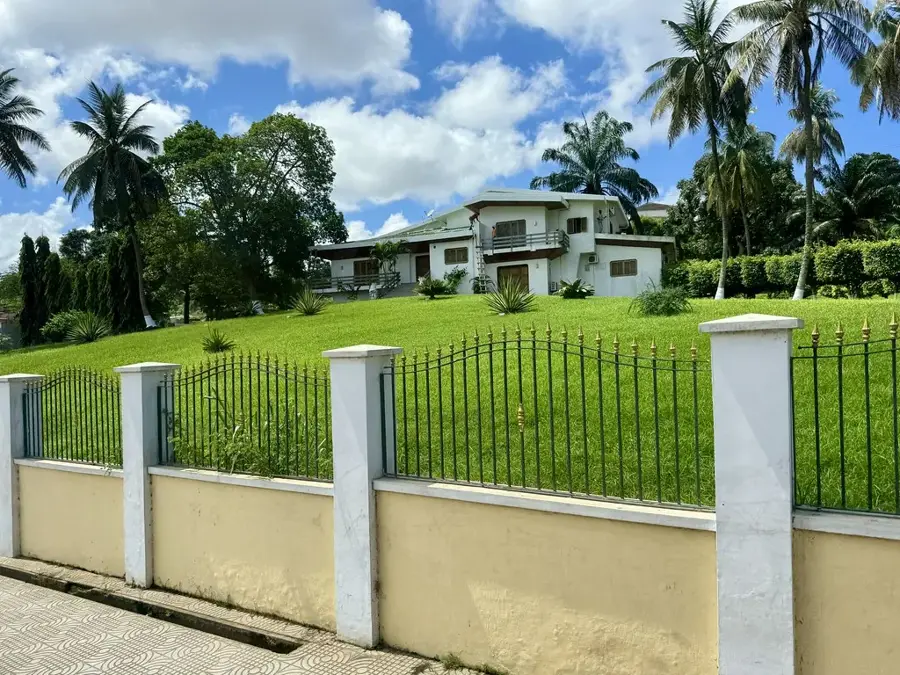
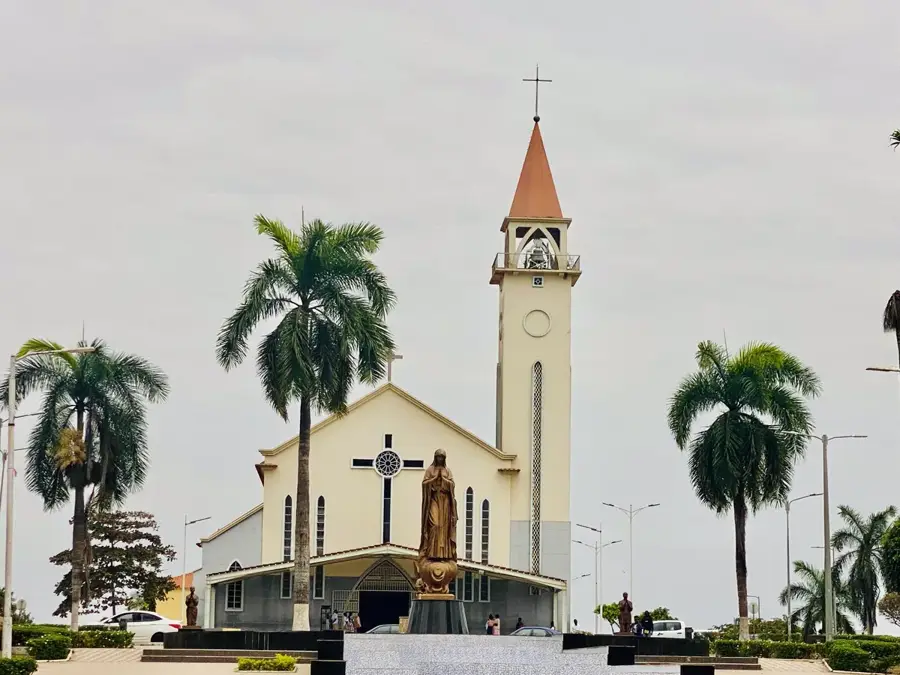
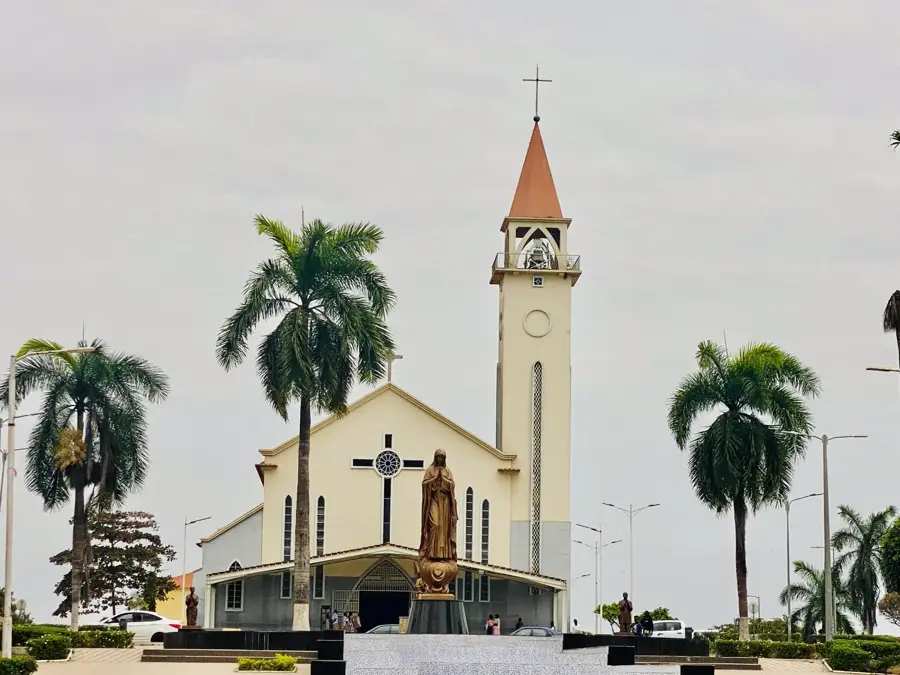
Cabinda is the capital of the Angolan province of the same name, uniquely positioned as an exclave separated from the rest of the country by a strip of territory belonging to the Democratic Republic of the Congo. This geographic isolation has defined its historical trajectory and its vital role in the contemporary Angolan state. Historically, the region came under international focus with the 1885 Treaty of Simulambuco, which established it as a Portuguese protectorate rather than a direct colony, a distinction that remains a point of pride for many locals. Today, the city serves as the epicenter of Angola's booming petroleum industry, with vast offshore oil fields contributing significantly to the national treasury. The presence of global energy giants has transformed the urban landscape, leading to the construction of high-end residential areas and advanced logistics centers, such as the Malongo oil terminal. Despite its industrial significance, Cabinda retains its coastal charm, with the Atlantic Ocean providing both a livelihood for local fishermen and a scenic backdrop for the city's emerging tourism sector. The local culture is deeply rooted in the traditions of the Bakongo people, whose linguistic and artistic influences are evident in the city's music and traditional ceremonies. Education and public health have seen substantial investments in recent years, with the expansion of the University of Cabinda and new hospital facilities. To the north of the city lies the Mayombe Forest, often called the 'Green Sea' of Africa, which features immense potential for scientific research and eco-friendly exploration. As Cabinda continues to navigate the complexities of its enclave status, it stands as a strategic gateway for trade and a powerhouse of resource extraction, balancing its industrial might with a rich cultural heritage and a desire for sustainable urban growth.
- Location: Angola
- Nearby: Soyo (66 km)
- Population: ~550.000 (2026)
Best time to visit & climate
The most pleasant time to visit is Jun–Aug.
| Jan | Feb | Mar | Apr | May | Jun | Jul | Aug | Sep | Oct | Nov | Dec | |
|---|---|---|---|---|---|---|---|---|---|---|---|---|
| Avg °C | 27 | 28 | 28 | 27 | 26 | 24 | 22 | 22 | 23 | 25 | 26 | 26 |
| Rain mm | 123 | 128 | 129 | 104 | 63 | 1 | 0 | 2 | 8 | 62 | 131 | 112 |
Geography
Facts
- Cabinda was originally known as Tchiowa by the local inhabitants.
- The province contributes nearly $2 billion annually to the national budget.
- Offshore Block 0 is one of the world's most productive oil concessions.
- The city's elevation is approximately 20 meters above sea level.
- Cabinda is separated from mainland Angola by a 60km strip of DRC territory.
- The Lukula River flows near the city into the Atlantic Ocean.
- History includes a period under the Kingdom of Ngoyo.
- The local economy is diversifying into timber and phosphate mining.
Explore nearby
Notable places around


Route planner — Car & Motorhome
Where do you start? We build the route here, with stops and country notes along the way.
© OpenStreetMap contributors · OpenRouteService
Sights in the town Cabinda (1)
Frequently asked questions
How many days do you need for Cabinda?
When is the best time to visit?
What is Cabinda known for?
Is Cabinda family-friendly?
What is the best way to get around?
Cabinda: where is it located?
Cabinda: when is the best time to visit?
Cabinda: why is it worth visiting?

Nearby cities
History & landmarks
Nature
More places