Plizio Visual Lab
Vatican Observatory
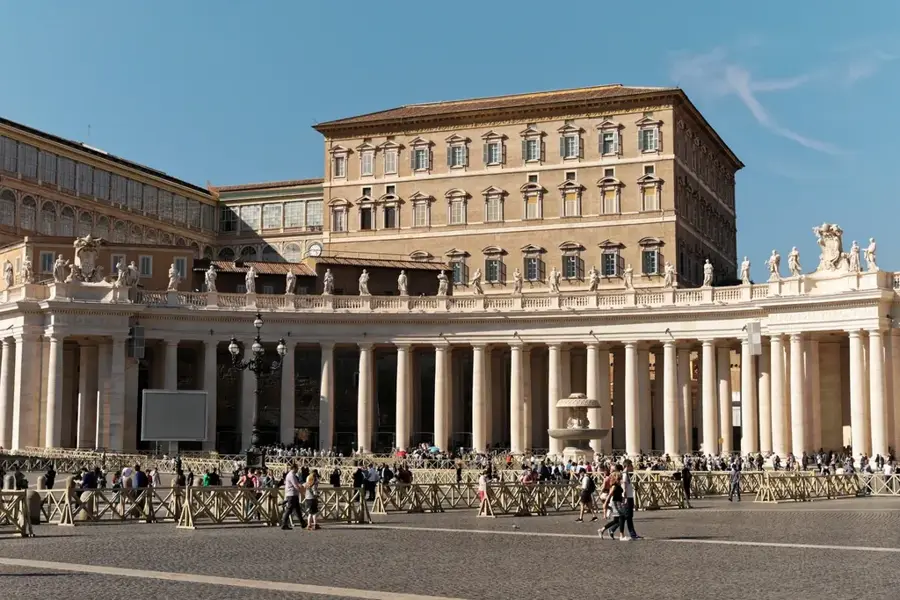
The Vatican Observatory, or Specola Vaticana, is one of the world's oldest astronomical research institutions, with roots dating back to the late 16th century. Its origin is tied to the Gregorian calendar reform of 1582, commissioned by Pope Gregory XIII, which required sophisticated astronomical calculations. Originally based in the Tower of the Winds within the Vatican, it moved to the Apostolic Palace and later, in 1935, to Castel Gandolfo to escape Rome's urban light pollution. Today, the observatory maintains its headquarters in Italy while operating the Vatican Advanced Technology Telescope (VATT) in Arizona, USA. Jesuit astronomers at the institute conduct research in diverse fields such as cosmology, planetary sciences, and stellar evolution. The observatory stands as a testament to the Catholic Church's long-standing support for scientific inquiry and the harmony between faith and reason. Its archives contain invaluable historical manuscripts and rare early editions of works by Copernicus, Galileo, and Newton.
- Location: Vatican City, Vatican
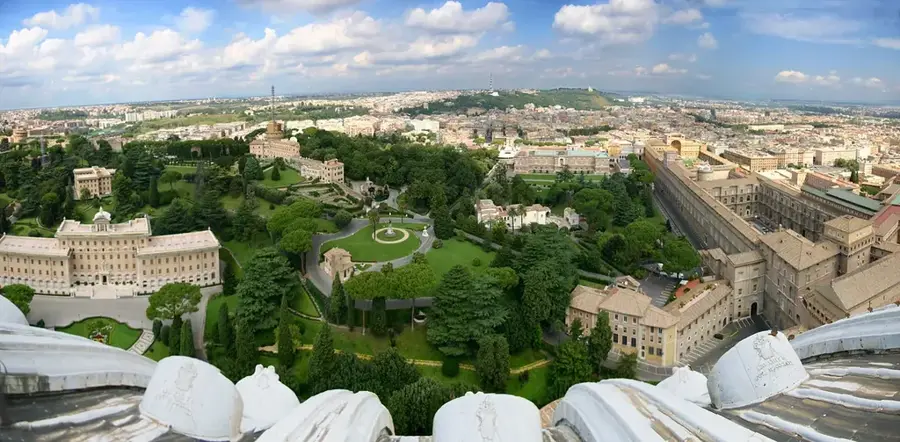
- Top sights: Santa Maria delle Grazie al Trionfale · Lourdes Grotto · Vatican Hill
Best time to visit & climate
The most pleasant time to visit is May, Jun, Sep.
| Jan | Feb | Mar | Apr | May | Jun | Jul | Aug | Sep | Oct | Nov | Dec | |
|---|---|---|---|---|---|---|---|---|---|---|---|---|
| Avg °C | 7 | 8 | 10 | 14 | 18 | 23 | 26 | 26 | 21 | 17 | 12 | 8 |
| Rain mm | 73 | 77 | 69 | 56 | 57 | 34 | 26 | 26 | 70 | 82 | 114 | 92 |
📋 Practical info
Geography
Facts
- Established in 1582 to assist in the creation of the Gregorian calendar.
- Relocated to Castel Gandolfo in 1935 due to Rome's increasing light pollution.
- Managed by the Jesuit Order since 1906, producing numerous scientific papers.
- Operates the VATT telescope in Arizona, which saw first light in 1993.
- Houses a world-class collection of over 1,000 meteorite fragments.
- The archives include a rare 1543 first edition of Copernicus's major work.
Explore nearby
Notable places around
Route planner — Car & Motorhome
Where do you start? We build the route here, with stops and country notes along the way.
© OpenStreetMap contributors · OpenRouteService
Sights in the town Vatican Observatory (10)
St Mary's Church
Church building in Vatican City.
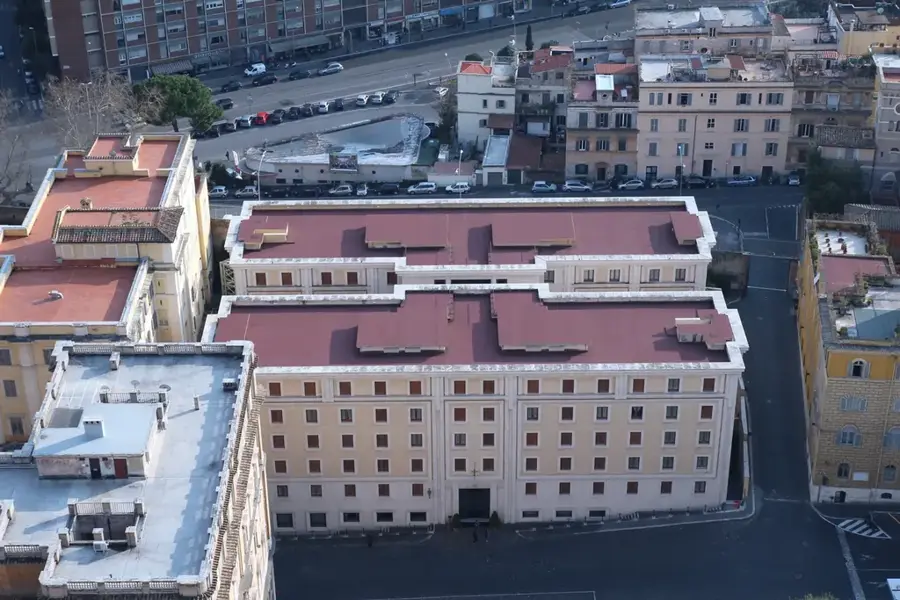
Pius IV House
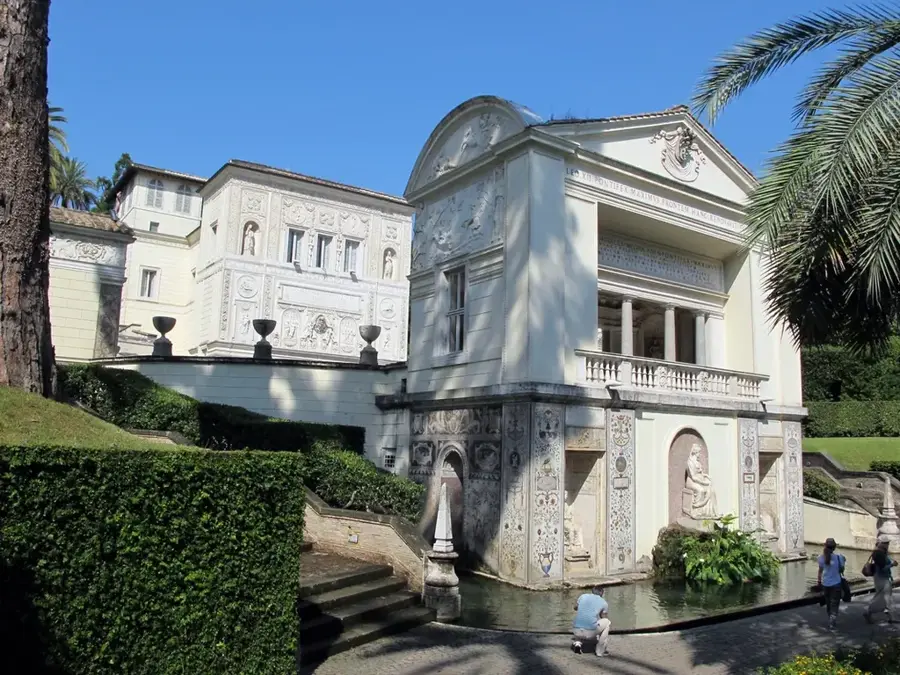
Seat of the Pontifical Academy of Sciences.
Museo Gregoriano Profano🏛 museum
Museum of profane art and antiquities.
Vatican Art Gallery🏛 museum
Branch of the Vatican Museums displaying paintings.
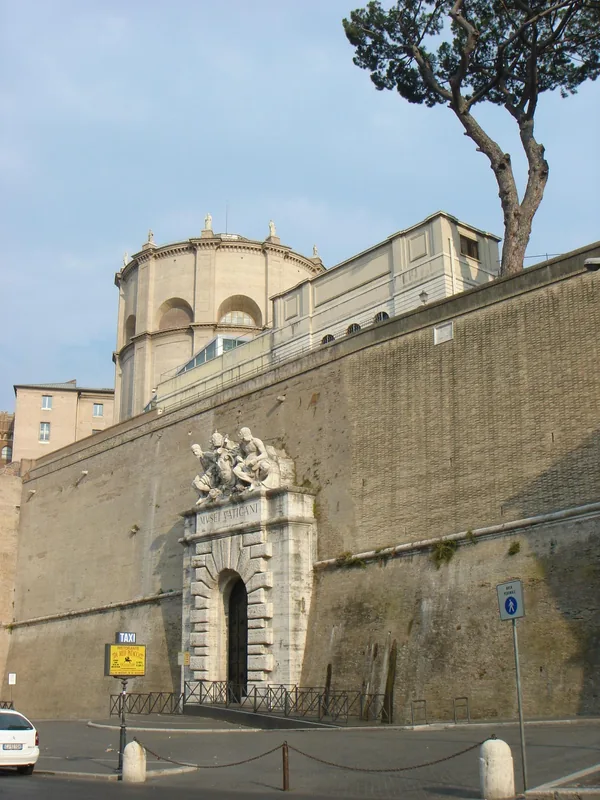
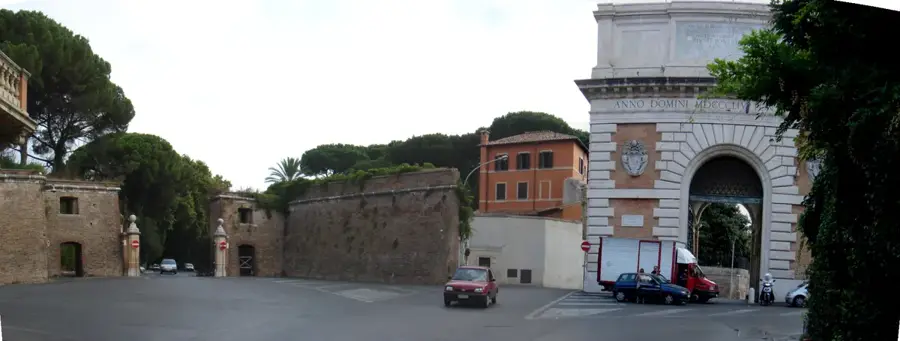
Porta Pertusa
City gate in Rome, Italy.
Vatican Museums🏛 museum
Museums of the Vatican City with renowned collections.
Sights nearby
Frequently asked questions
Where is the observatory located today?
Why is there a Vatican observatory?
Can visitors use the telescopes?
Which Pope founded the modern observatory?
Are there telescopes in the core of Vatican City?
Vatican Observatory: where is it located?
Vatican Observatory: what is there to see?
Vatican Observatory: when is the best time to visit?
Vatican Observatory: why is it worth visiting?

History & landmarks