Plizio Visual Lab

Bering Sea
Plizio editorial teamData Sources
Sea
—°
Bering Sea (United States)

Weather…

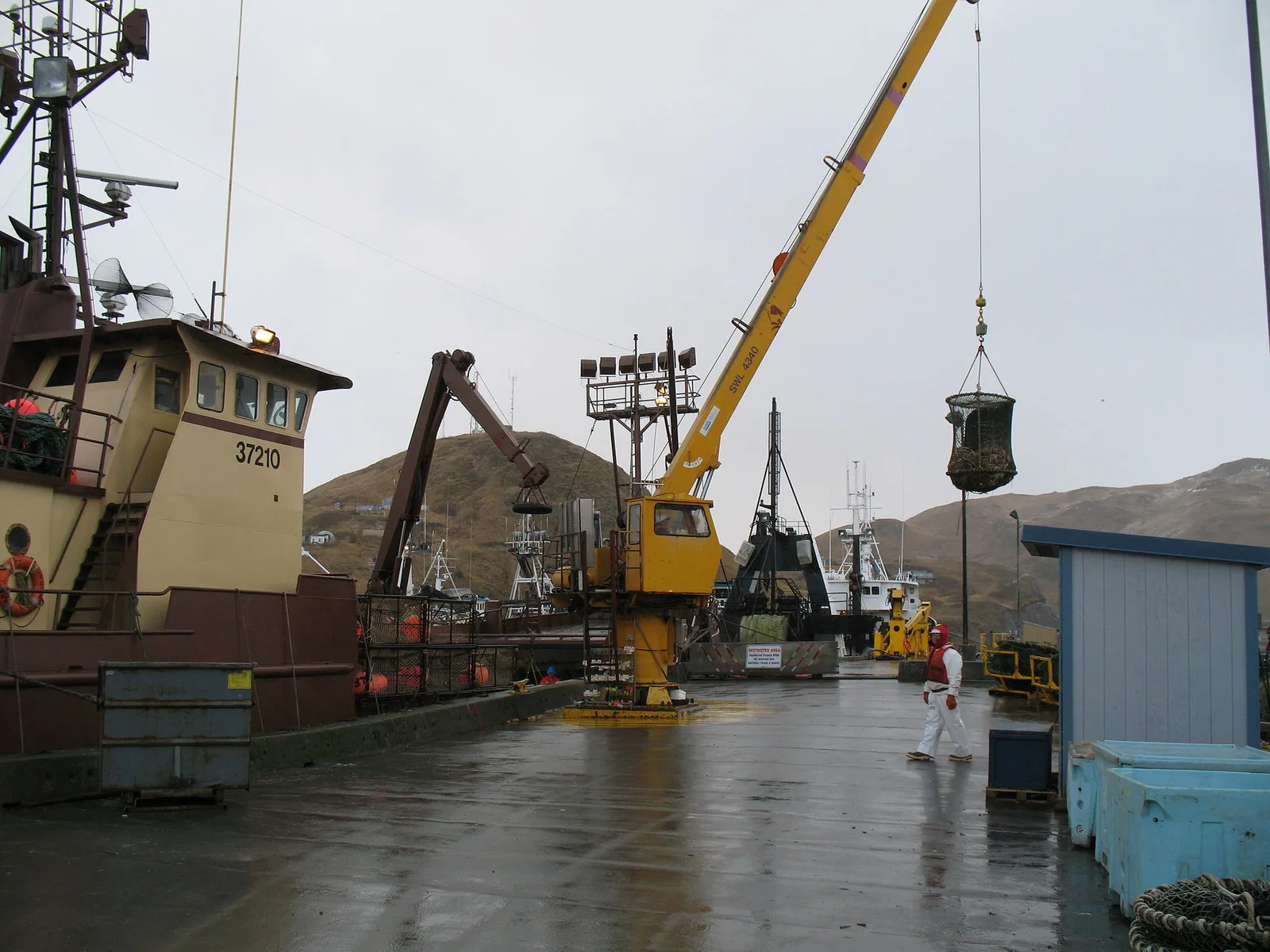
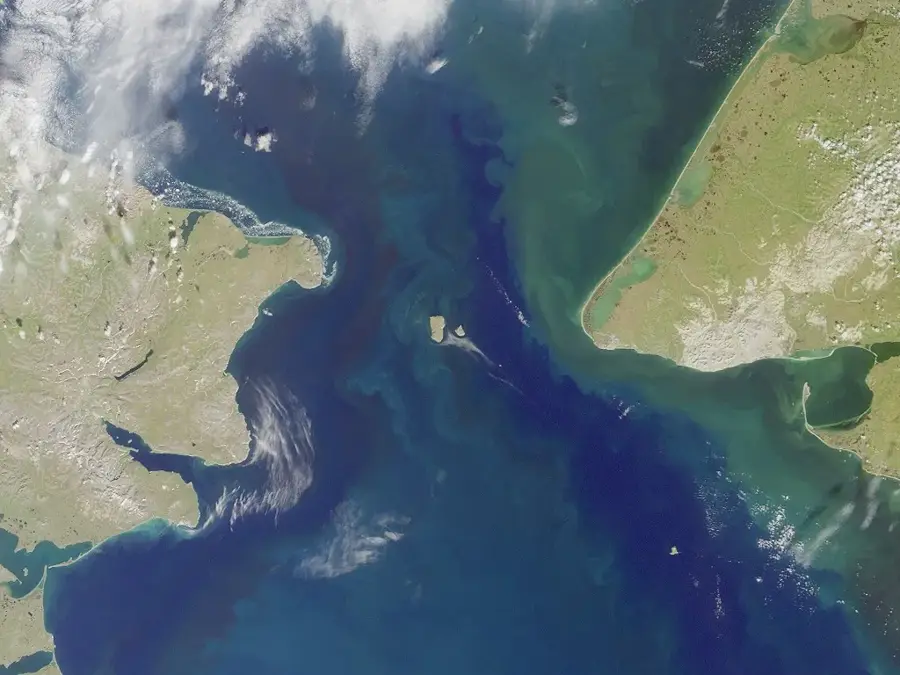
The Bering Sea is a marginal sea of the Northern Pacific Ocean, positioned between the continents of North America and Asia. It is bounded to the south by the Aleutian Islands and to the north by the Bering Strait, which connects it to the Arctic Ocean. Spanning approximately 770,000 square miles, the sea is characterized by one of the widest continental shelves in the world. This geographical feature promotes high biological productivity, making the Bering Sea one of the most productive commercial fishing grounds globally, particularly for king crab and pollock. Historically, the region is famous for the Bering Land Bridge, which allowed early humans to migrate from Siberia into Alaska during the last ice age. Today, the sea is a focal point for climate research as seasonal ice coverage significantly influences global ocean currents and maritime biodiversity.

Best time to visit & climate

The most pleasant time to visit is Jul–Sep.

JanFebMarAprMayJunJulAugSepOctNovDec
Avg °C-2-2-3-1258109631
Rain mm657059564347749693968986

📋 Practical info

🧭
Getting there
The Bering Sea is mostly accessed by standard tourists via organized expedition cruises, which typically depart from prominent ports like Nome in Alaska or strategically target the vast Aleutian Island chain.
📅
Best season
The harsh ambient conditions restrict mainstream tourism almost entirely to the short summer months from June to August, when the sea ice reliably recedes and temperatures become marginally more pleasant.
⛰️
Terrain & paths
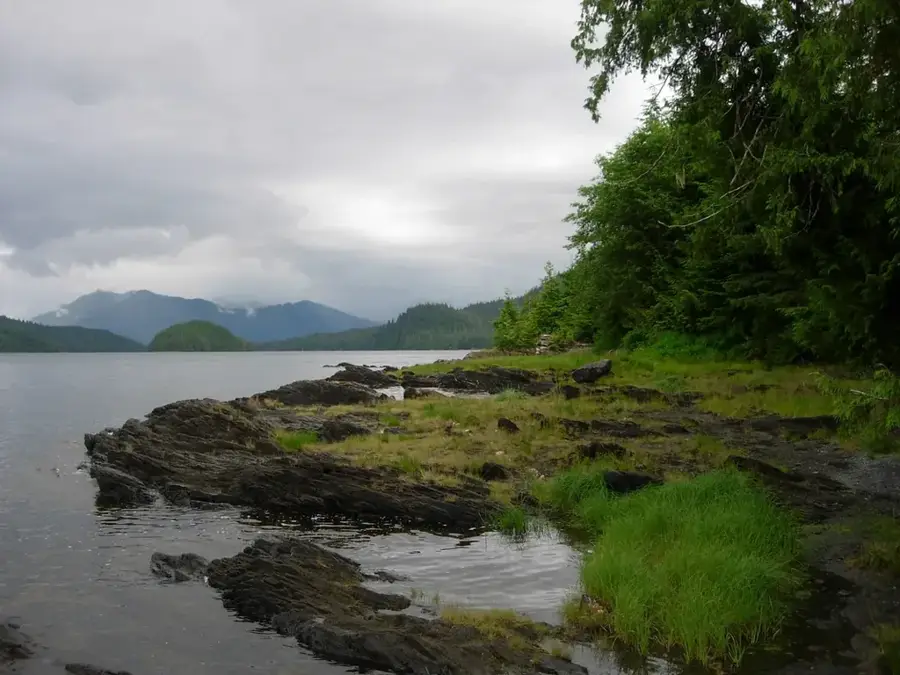
Visitors should expect rough, frequently extremely stormy open water that is beautifully fringed by dramatic, rocky coastlines and isolated, windswept volcanic islands sporting only very sparse vegetation.
🎒
What to bring
High-quality seasickness medication is absolutely essential, paired tightly with windproof and waterproof expedition gear, multiple warm base layers, and an excellent camera for documenting passing whales.
🅿️
Parking
This is entirely a maritime destination; parking is only relevant at the mainland departure ports, where long-term secure parking for expedition cruise passengers is usually very well organized and safe.
⚠️
Safety
The Bering Sea is globally notorious for its sudden, violent storms and freezing waters; passengers must strictly follow the safety instructions issued by the ship's crew at all times, without any exceptions.
⏱️
Time needed
Standard expedition cruises navigating through the Bering Sea generally last anywhere from one to three weeks, depending heavily on the specific itinerary and the planned landings on the remote Arctic islands.

Geography

Coordinates
58.00000, -172.00000

Facts

  • Total surface area is approximately 770,000 square miles.
  • The Bering Strait is only 51 miles (82 km) wide at its narrowest point.
  • Contains the widest continental shelf in the world.
  • Produces nearly 50% of all commercial fish caught in the US.
  • Maximum depth reaches approximately 13,622 feet (4,151 meters).
  • Home to more than 30 species of marine mammals.

Route planner — Car & Motorhome

Where do you start? We build the route here, with stops and country notes along the way.

Vehicle
Only stops with (optional):

© OpenStreetMap contributors · OpenRouteService

Sights nearby

Frequently asked questions

Can you take cruises there?
Yes, expedition cruises travel through the Bering Strait in summer.
What is the weather like?
Extremely volatile, cold, and often stormy, even in summer.
Are there polar bears there?
Yes, they can be found, especially further north toward the Arctic.
Is the area tourist-developed?
Barely; it is one of the most remote and rugged regions in the world.
What is the best time to travel?
July and August are the only somewhat accessible months.
Bering Sea: where is it located?
Bering Sea is located in United States.
Bering Sea: when is the best time to visit?
The most pleasant time to visit is Jul, Sep.
Bering Sea: why is it worth visiting?
The Bering Sea is a marginal sea of the Northern Pacific Ocean, positioned between the continents of North America and Asia.
View on map → The Top 50 Attractions → OpenStreetMap →
North America
Explore with Plizio Discover more places in North America
More places in United States →

Nearby cities

History & landmarks

More places