Plizio Visual Lab
Nariva Swamp
Weather…
Water temperature…
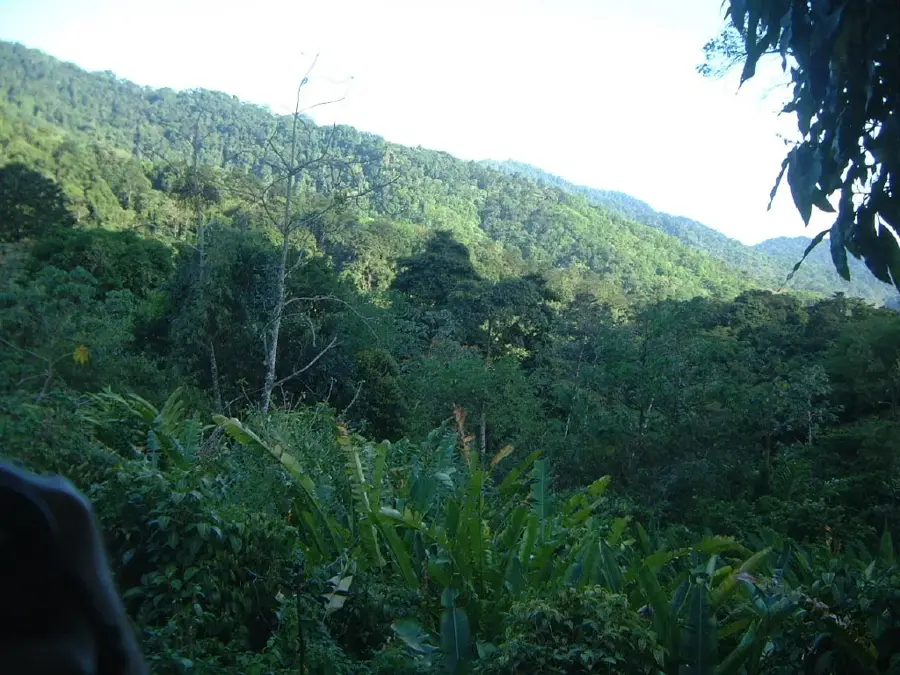
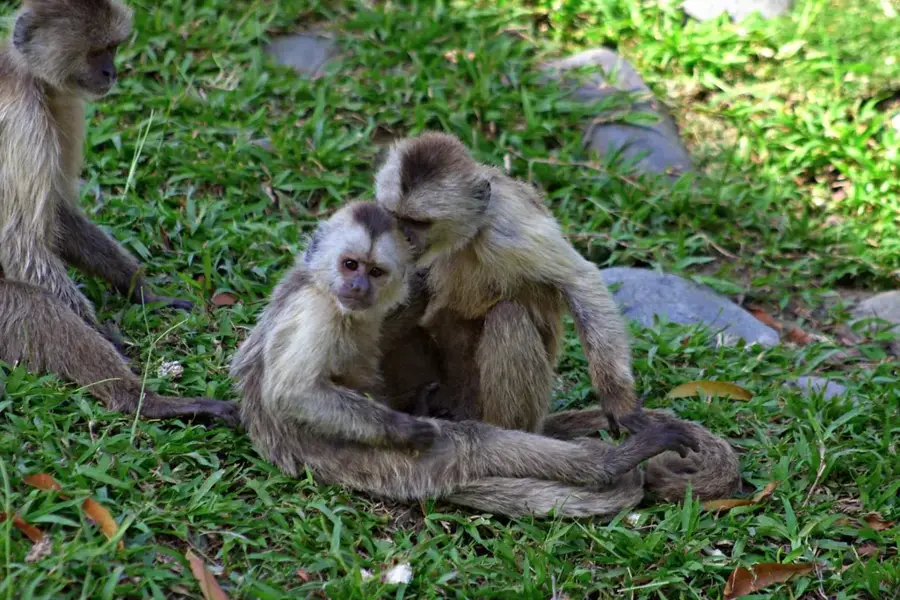
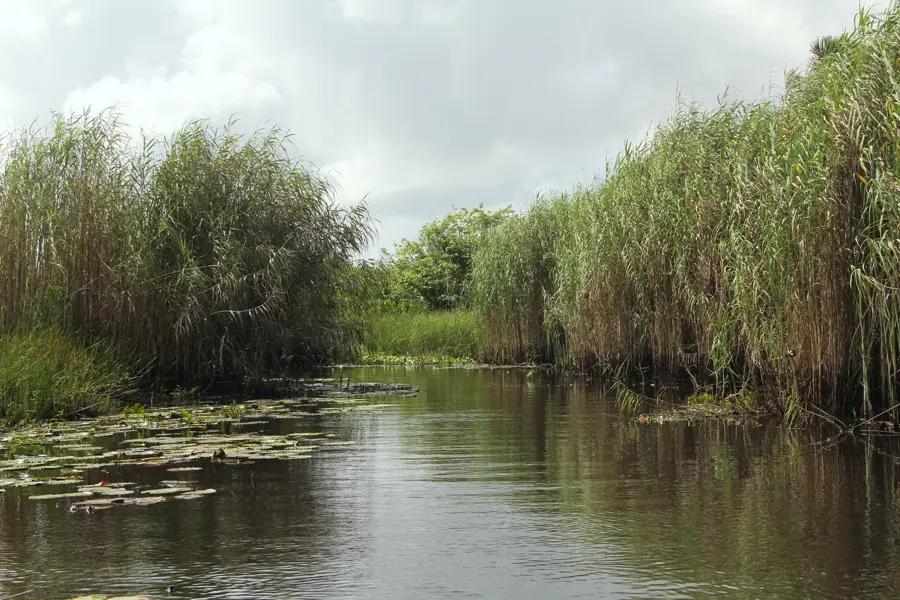
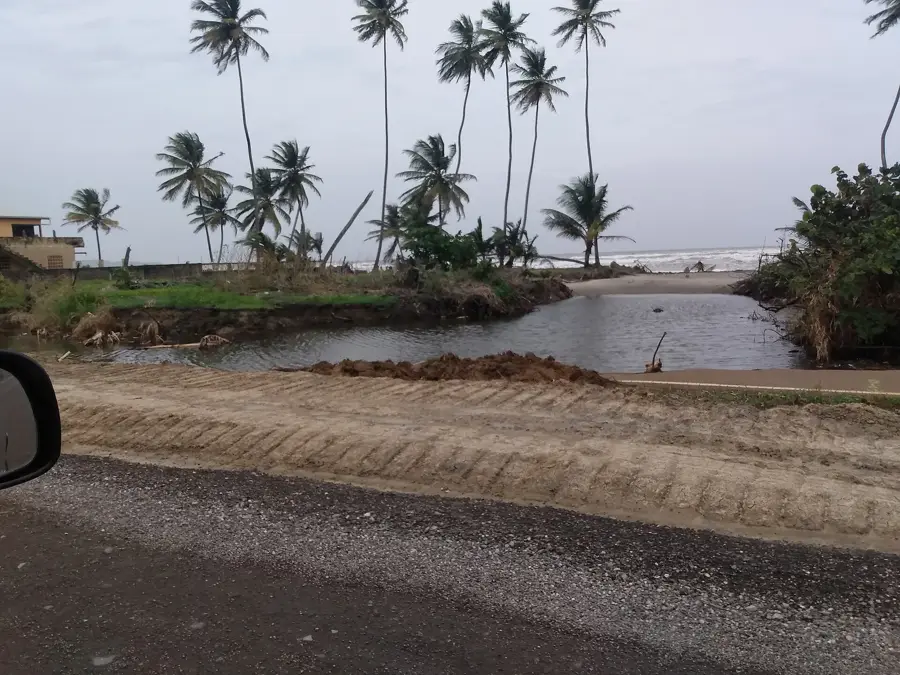
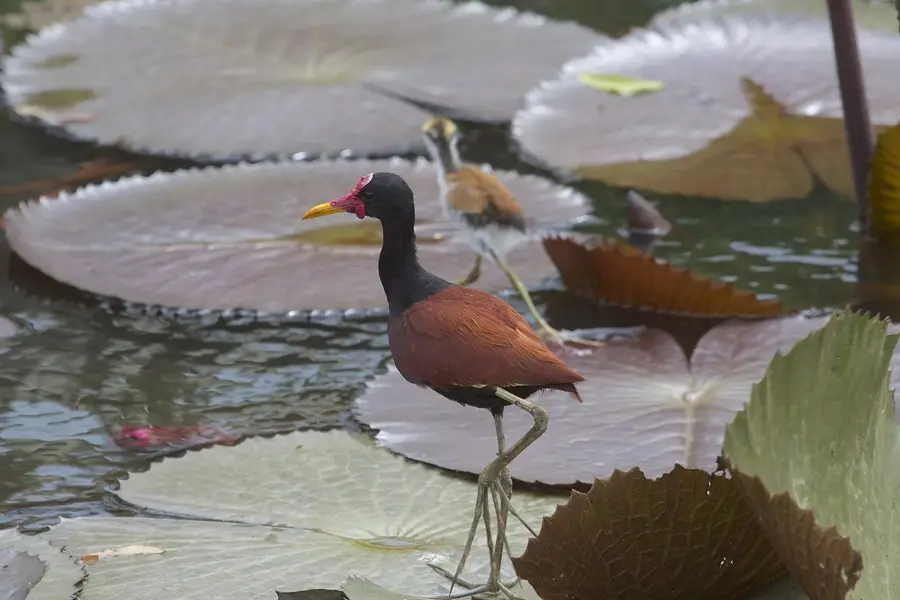
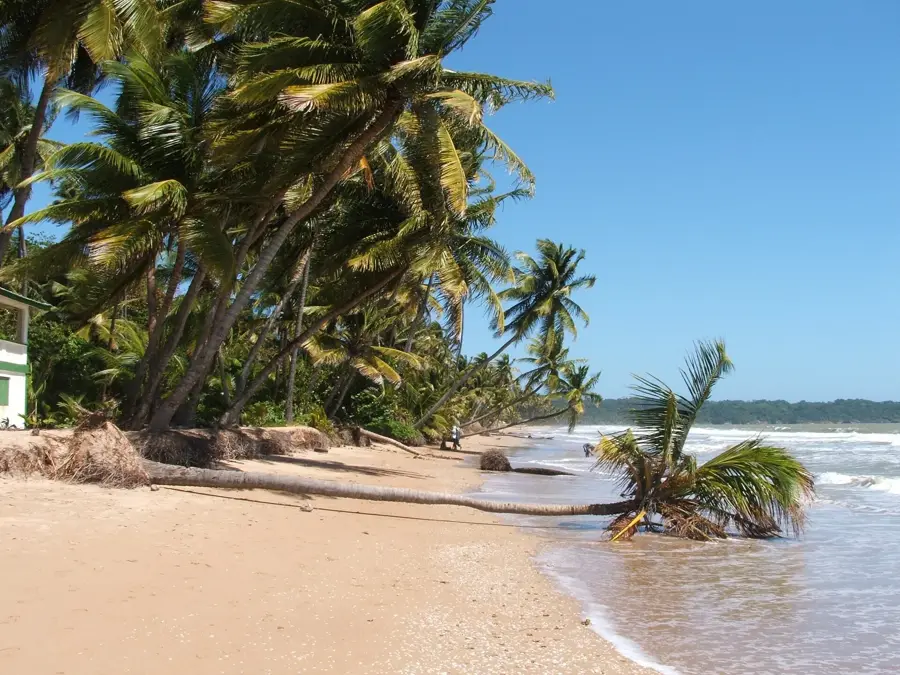
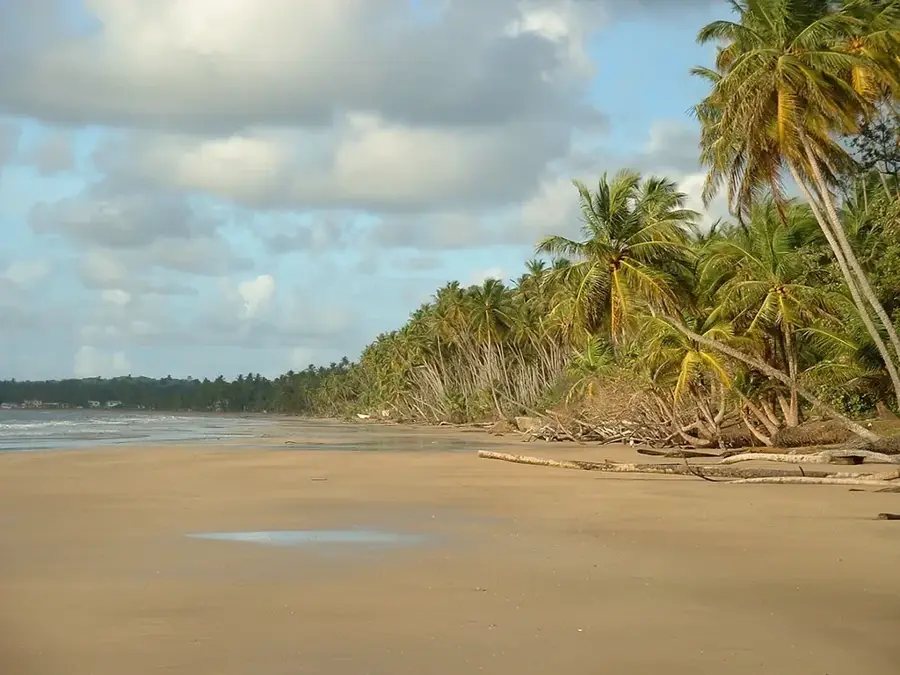
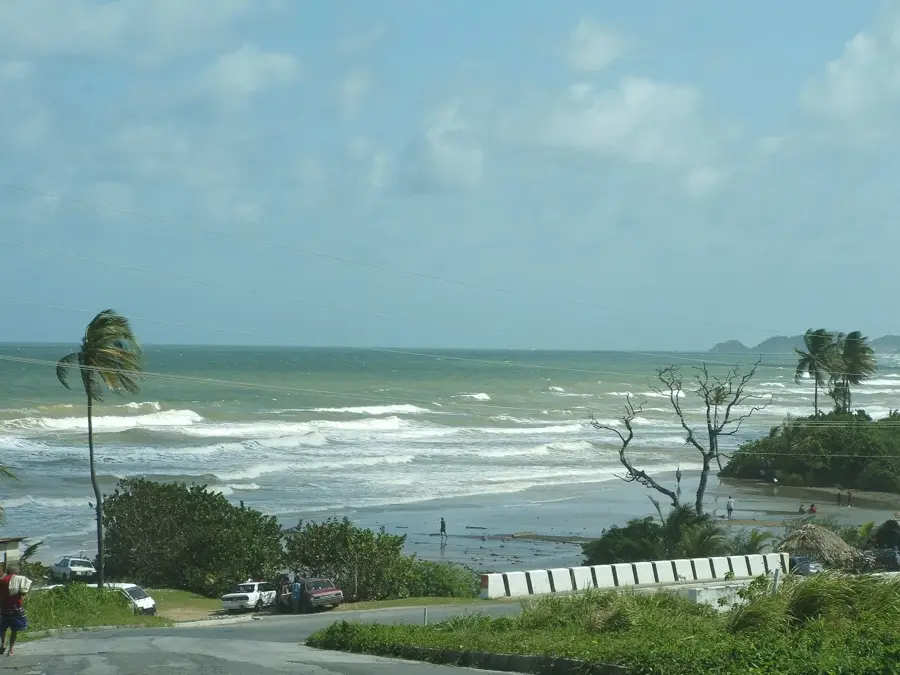
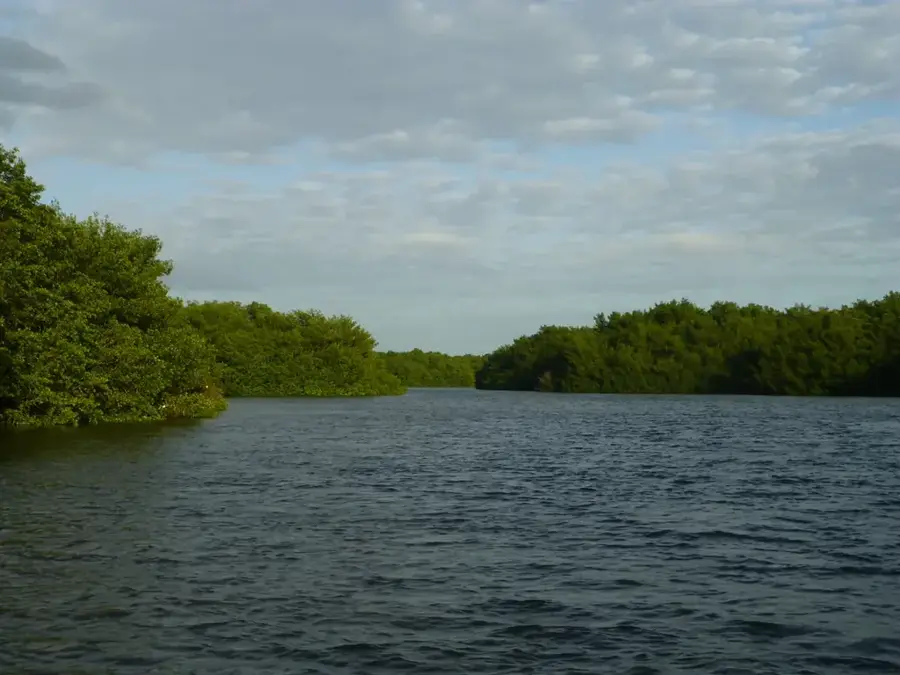
The Nariva Swamp is the largest freshwater wetland in Trinidad and Tobago, encompassing an impressive area of over 60 square kilometers (15,000 acres) along the eastern coast of Trinidad. It is an ecologically diverse and fragile environment protected under the international Ramsar Convention as a wetland of global significance. The swamp consists of a complex mosaic of freshwater marshes, swamp forests, mangrove belts, and elevated palm islands that support a vast array of unique wildlife. Nariva is one of the very few places in the Caribbean where West Indian manatees can still be observed in the wild, alongside thriving populations of red howler monkeys and weeping capuchins. It is a premier destination for birdwatchers, serving as a vital sanctuary for rare and colorful species such as the red-bellied macaw and the blue-and-yellow macaw. Beyond its biological richness, the wetland acts as a massive natural reservoir, providing essential flood control for the eastern region and protecting the vulnerable coastline from salt-water intrusion and erosion.
- Location: Trinidad and Tobago
- Nearby: Manzanilla (6 km)
Best time to visit & climate
The most pleasant time to visit is Feb–Apr.
| Jan | Feb | Mar | Apr | May | Jun | Jul | Aug | Sep | Oct | Nov | Dec | |
|---|---|---|---|---|---|---|---|---|---|---|---|---|
| Avg °C | 26 | 26 | 27 | 28 | 28 | 27 | 27 | 27 | 27 | 27 | 27 | 26 |
| Rain mm | 100 | 61 | 52 | 56 | 117 | 222 | 202 | 202 | 141 | 176 | 213 | 178 |
📋 Practical info
Geography
Facts
- Largest freshwater wetland in Trinidad
- Covers over 60 square kilometers (15,000 acres)
- Designated as a Ramsar site of importance
- Habitat for the endangered West Indian manatee
- Home to red howler and capuchin monkeys
- Critical sanctuary for the red-bellied macaw
Explore nearby
Notable places around
Route planner — Car & Motorhome
Where do you start? We build the route here, with stops and country notes along the way.
© OpenStreetMap contributors · OpenRouteService
Sights in the town Nariva Swamp (1)
Sights nearby
Frequently asked questions
What is the Nariva Swamp?
What animals can you see there?
Are there guided tours?
When should you visit the area?
Do I need a permit?
Nariva Swamp: where is it located?
Nariva Swamp: when is the best time to visit?
Nariva Swamp: why is it worth visiting?
Nearby cities




History & landmarks



Nature
More places