Plizio Visual Lab
Moruga
ℹ️Practical info — Moruga
▾
🌤 Weather — 5 days
📍 Nearby
Sights nearby
💡 Tips
- Be sure to fill up your gas tank in Princes Town, as there are no petrol stations in Moruga.
- Visit the Moruga Museum to see unique Amerindian artifacts and colonial relics.
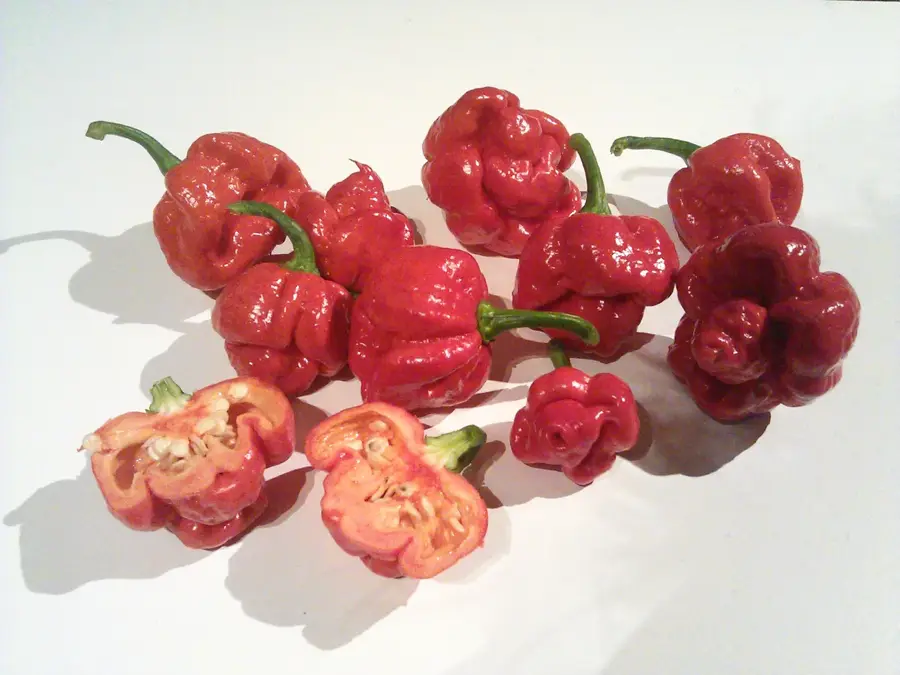
- Handle the Moruga Scorpion pepper with extreme care; use gloves to avoid skin burns.
- Check out the Marac Rock formations, massive stones standing solo in the surf.
- Expect a slow, winding drive where you might still spot traditional water buffalo carts.
🍽 Food
A rare, reddish dry-land grain with a nutty flavor, often served at local farm-to-table spots.
Try the world-famous heat in locally made hot sauces at roadside eateries.
Taste high-quality dark chocolate made from the region's prize-winning cocoa beans.
🛍 Shopping · 🧘 Quiet spots
Buy seasonal fruits like peewah or pommerac directly from local farmers.
Look for handmade cocoa butter and raw cocoa in the village minimarts.
A secluded white-sand beach west of the main village, first-rate for solitude.
A smaller, "cold" asphalt lake located in the forest near Marac, very peaceful.
Water temperature…
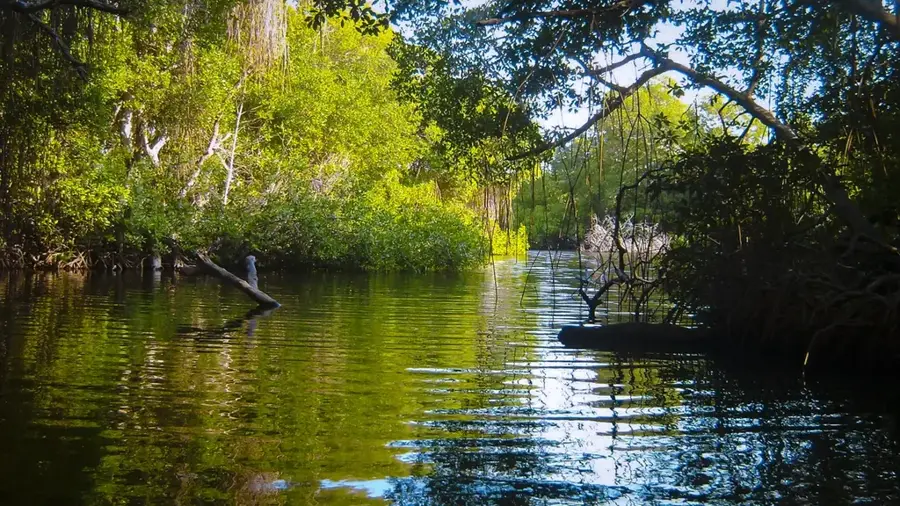
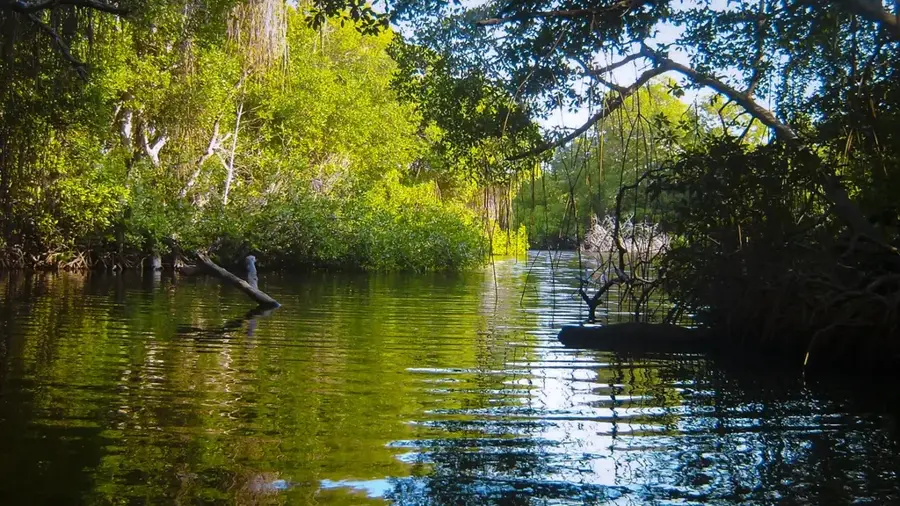
Moruga is located on the southern coast of Trinidad and holds significant historical importance as the traditional landing site of Christopher Columbus in 1498 during his third voyage. The village serves as a major hub for the Victoria region and is renowned for its deep-rooted traditions and agricultural output. The area is particularly famous for the Moruga Scorpion pepper, which was once ranked as the hottest chili in the world. Its economy is traditionally built on fishing, cocoa production, and more recently, onshore oil exploration in the surrounding fields. Geographically, Moruga is defined by its remote coastal location and proximity to the vast Moruga Forest Reserve. The community preserves a rich cultural heritage that integrates indigenous, Spanish, and African elements, visible in local festivals and culinary practices.
- Location: Trinidad and Tobago
- Nearby: Tableland (7 km)
Best time to visit & climate
The most pleasant time to visit is Feb–Apr.
| Jan | Feb | Mar | Apr | May | Jun | Jul | Aug | Sep | Oct | Nov | Dec | |
|---|---|---|---|---|---|---|---|---|---|---|---|---|
| Avg °C | 26 | 26 | 27 | 28 | 28 | 27 | 27 | 28 | 28 | 28 | 27 | 27 |
| Rain mm | 97 | 56 | 48 | 55 | 125 | 237 | 220 | 220 | 154 | 186 | 209 | 174 |
Geography
Facts
- Traditional site of Columbus's landing on August 1, 1498.
- Home to the Moruga Scorpion pepper, among the world's hottest.
- Site of the Moruga Museum, showcasing First Peoples artifacts.
- Located at the mouth of the Moruga River on the Atlantic coast.
- Center for the production of high-quality 'Trinitario' cocoa beans.
- Proximate to unique mud volcanoes like the Devil's Woodyard.
Explore nearby
Notable places around

Route planner — Car & Motorhome
Where do you start? We build the route here, with stops and country notes along the way.
© OpenStreetMap contributors · OpenRouteService
Sights in the town Moruga (1)
Frequently asked questions
What makes Moruga special?
Can you visit the beach in Moruga?
What culinary specialties are there?
How much time should one allocate for Moruga?
Is Moruga safe for tourists?
Moruga: where is it located?
Moruga: when is the best time to visit?
Moruga: why is it worth visiting?
Nearby cities




Nature
More places