Plizio Visual Lab

Pea Fortress Ruins

Plizio editorial teamData Sources
battlefield
—°3
Pea Fortress Ruins (Tonga)

Weather…

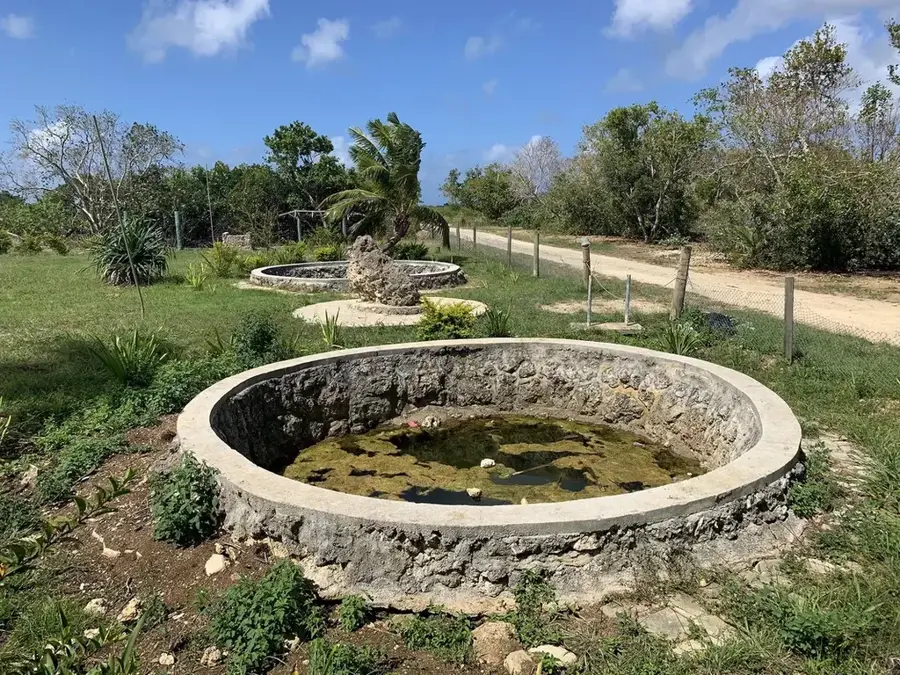
The ruins of Pea Fortress on Tongatapu are a significant monument to the period of internal conflict that reshaped Tonga in the 19th century. Pea was one of the most formidable fortifications on the island, serving as the epicenter of resistance against King George Tupou I's efforts to unify the kingdom under a single crown. The fortress was renowned for its massive earthwork ramparts and complex defensive systems that blended traditional Polynesian warfare with adapted Western military tactics. In 1852, a decisive battle took place here, resulting in the fall of the fortress to royal forces after an extended siege. The defeat of Pea marked the end of organized resistance by traditionalist chieftains and paved the way for the establishment of the modern Kingdom of Tonga. Today, only remnants of the embankments and ditches are visible, often overgrown by dense tropical vegetation. Archaeologically, the site provides critical data on the military history and social upheavals of that transformative era. Visiting the ruins features an impression of the defenders' resolve and the strategic intensity of the unification wars. Pea remains a symbol of the painful yet necessary transition toward a unified Tongan state.

Best time to visit & climate

The most pleasant time to visit is Jul–Sep.

JanFebMarAprMayJunJulAugSepOctNovDec
Avg °C272727262524232323242426
Rain mm19719719717011210067818388111115

📋 Practical info

🚪
Visiting
Visitors can usually explore the atmospheric overgrown remnants of this historic fortification freely throughout the day, as it functions mainly as an open-air historical site. The ruins are entirely outdoors, so you will be walking over uneven natural ground while inspecting the old defensive structures.
🕒
Typical hours
Access is typically completely unrestricted from dawn until dusk, allowing travelers to choose the most convenient time for their excursion. Early morning or late afternoon visits are highly recommended to enjoy softer lighting and avoid the potentially intense midday tropical heat.
📷
Photography
The scattered stones and earthworks provide excellent subjects for landscape photography, especially when capturing the stark contrast between the historical ruins and the encroaching tropical nature. Golden hour lighting strongly enhances the mysterious and ancient atmosphere of the resistance stronghold.
⏱️
Time needed
Devoting roughly thirty to forty-five minutes is usually sufficient to walk around the primary perimeter of the remaining fortress structures and reflect on its history. Enthusiasts of Tongan history might naturally linger a bit longer to imagine the significant battles that occurred here.
Combine with
This historical exploration pairs remarkably well with visiting other prominent cultural heritage sites or monuments scattered across the main island of Tongatapu. Afterwards, you might retreat to a nearby village or coastal spot for a relaxing break and some local refreshments.
🧭
Getting there
The site is reachable via local roads, though the exact pathways leading directly to the old earthworks might require a bit of careful navigation or a short walk from the nearest parking area. Renting a vehicle or hiring a knowledgeable local taxi driver is typically the most reliable way to arrive.
💡
Insider tip
Given the often uneven terrain and the potential for overgrown vegetation, wearing sturdy walking shoes and bringing your own drinking water are essential for a comfortable visit. Also, consider reading up slightly on George Tupou I's campaigns beforehand to truly appreciate the context of the ruins.

Geography

Coordinates
-21.16600, -175.23300

Facts

  • Pea Fortress was the final major stronghold to oppose King George Tupou I.
  • The decisive siege of 1852 ended with the fortress being leveled.
  • It was located in the central part of Tongatapu near the village of Pea.
  • The defenses included sophisticated earthwork moats and ramparts.
  • Its fall marked the effective unification of the Tongan islands.
  • The site is a key location for studying 19th-century Pacific warfare.

Explore nearby

Notable places around

Route planner — Car & Motorhome

Where do you start? We build the route here, with stops and country notes along the way.

Vehicle
Only stops with (optional):

© OpenStreetMap contributors · OpenRouteService

Sights in the town Pea Fortress Ruins (3)

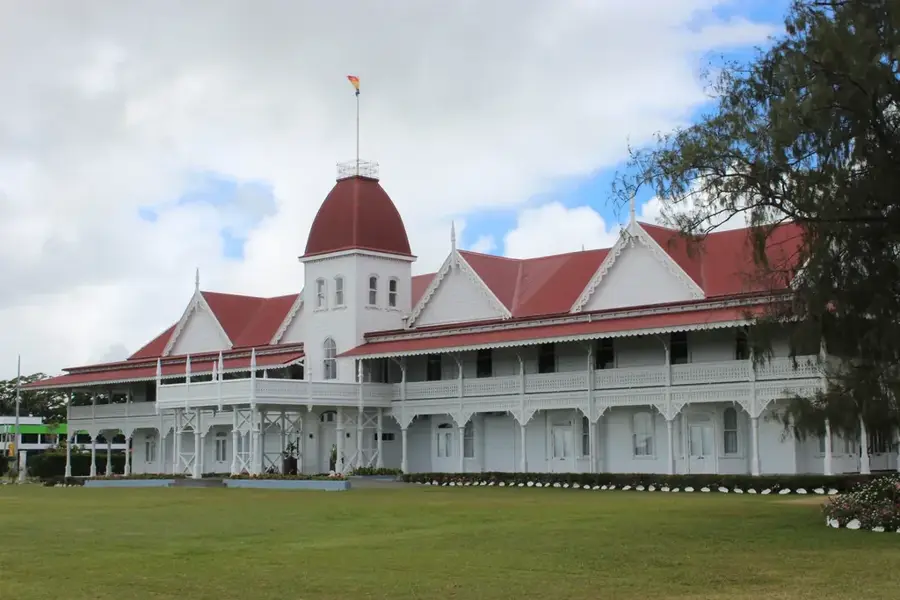
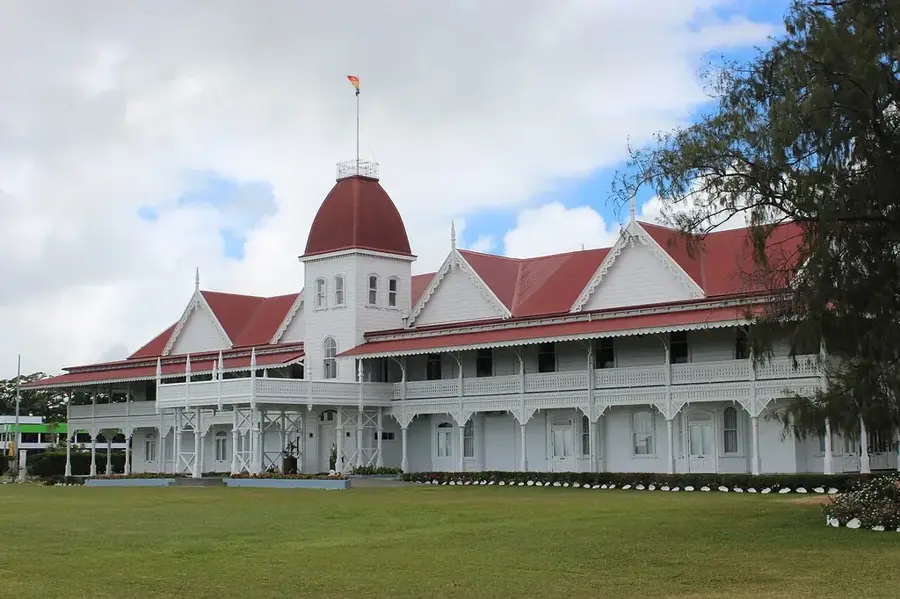
King's Residence

Residence of the king at Pea Fortress Ruins, Tonga.

Tongan National Centre🏛 museum

Museum at Pea Fortress Ruins, Tonga. Showcases Tongan culture and history.

George Art Portraits

Arts centre at Pea Fortress Ruins, Tonga. Exhibition of portraits.

Sights nearby

Frequently asked questions

Can you visit the Pea Festungsruinen ruins?
Yes, the site is freely accessible, but there are no guided tours on site.
How much time should I plan for?
A short visit of about 30 to 60 minutes is perfectly sufficient.
Are there entrance fees?
No, access to the historical ruins is currently free of charge.
Is the site child-friendly?
Yes, as long as they stay on the paths, it is a safe experience.
Do I need hiking boots?
Sturdy footwear is recommended as the terrain is often uneven or grassy.
Pea Fortress Ruins: where is it located?
Pea Fortress Ruins is located in Tonga.
Pea Fortress Ruins: what is there to see?
Highlights include King's Residence, Tongan National Centre, George Art Portraits.
Pea Fortress Ruins: when is the best time to visit?
The most pleasant time to visit is Jul, Sep.
Pea Fortress Ruins: why is it worth visiting?

The ruins of Pea Fortress on Tongatapu are a significant monument to the period of internal conflict that reshaped Tonga in the 19th century.
View on map → The Top 50 Attractions → OpenStreetMap →
Oceania
Explore with Plizio Discover more places in Oceania
More places in Tonga →

Nearby cities

History & landmarks