Plizio Visual Lab
Houma
ℹ️Practical info — Houma
▾
🌤 Weather — 5 days
📍 Nearby
Sights nearby
💡 Tips
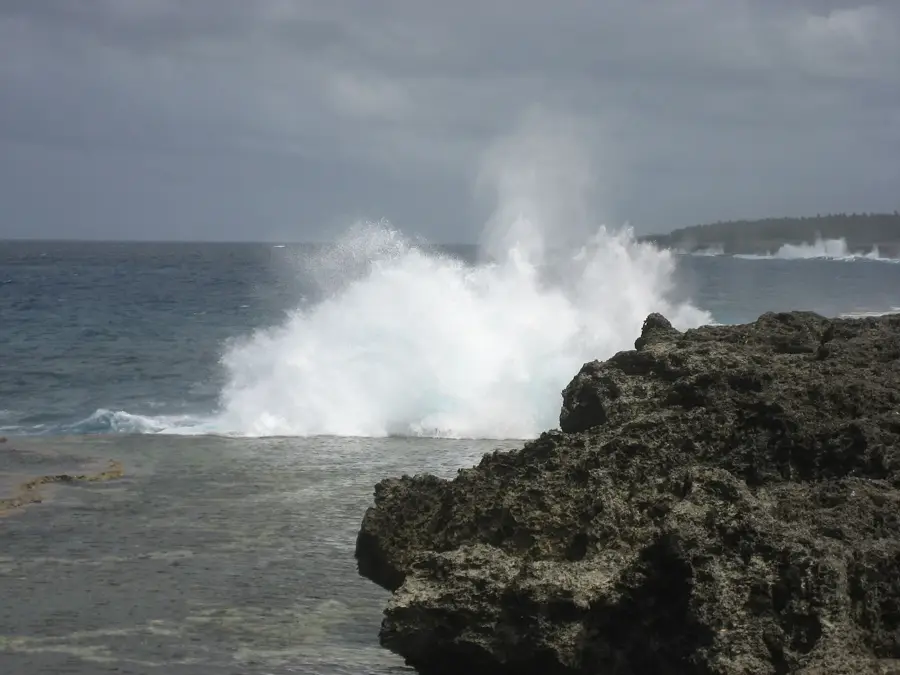
- The Mapu a Vaea blowholes are most spectacular during high tide and strong winds; check tide charts before visiting.
- Stand at a safe distance from the blowholes, as rogue waves can be dangerous and coral rocks are sharp.
- There are limited facilities in the village; bring your own drinking water and snacks.
- Renting a car or taking a taxi from Nukuʻalofa is the most reliable way to get here, as local buses are infrequent.
- Sunday is a day of rest in Tonga; expect all shops and services in Houma to be closed.
🍽 Food
Raw fish marinated in citrus and coconut milk, often available at local village feasts or seaside stalls.
Corned beef and coconut milk wrapped in taro leaves; ask locals if they are preparing it for a Sunday feast.
Buy freshly harvested coconuts from roadside vendors for a refreshing drink.
🛍 Shopping · 🧘 Quiet spots
Look for small roadside stalls selling woven baskets and mats made from pandanus leaves.
Basic snacks and drinks can be found in small family-run 'fale koloa' shops.
While the blowholes can be loud, the endless view of the Pacific Ocean is incredibly calming.
Walk along the rugged coral coastline away from the main blowhole viewing area for a peaceful moment.
Water temperature…
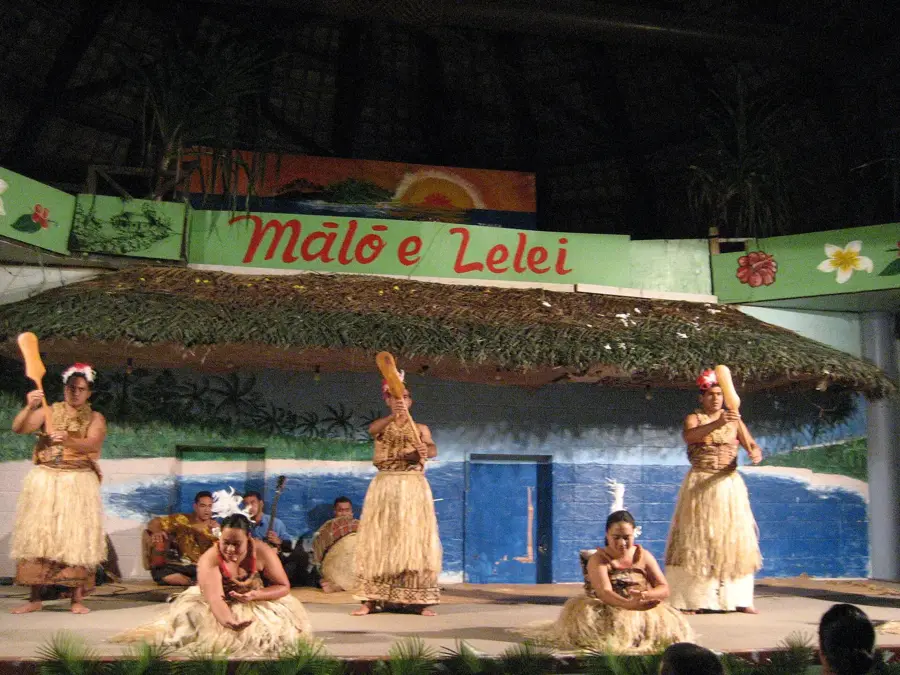
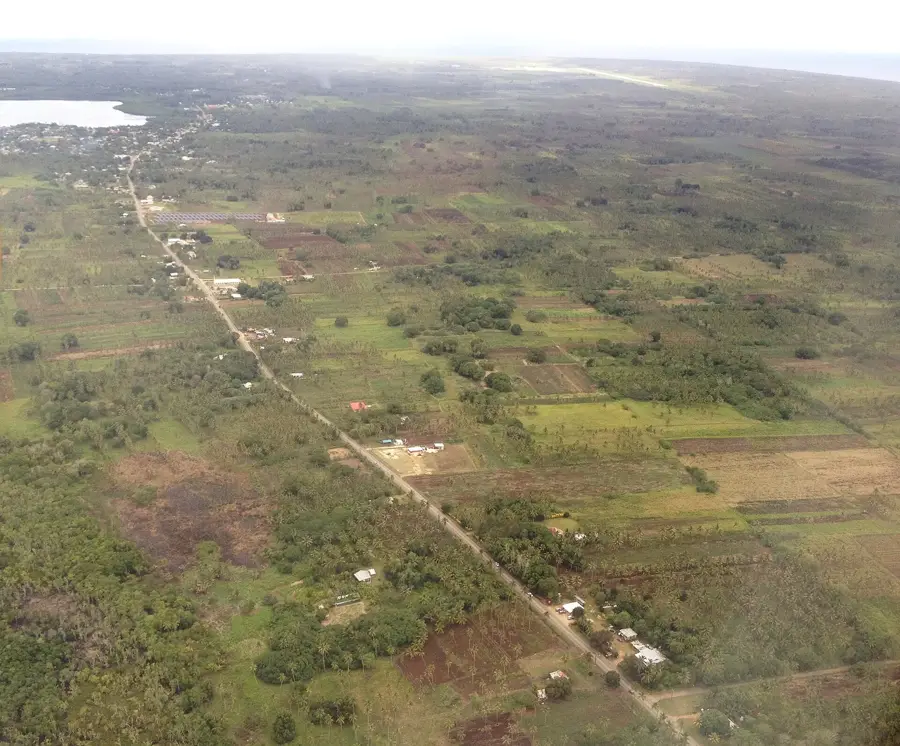
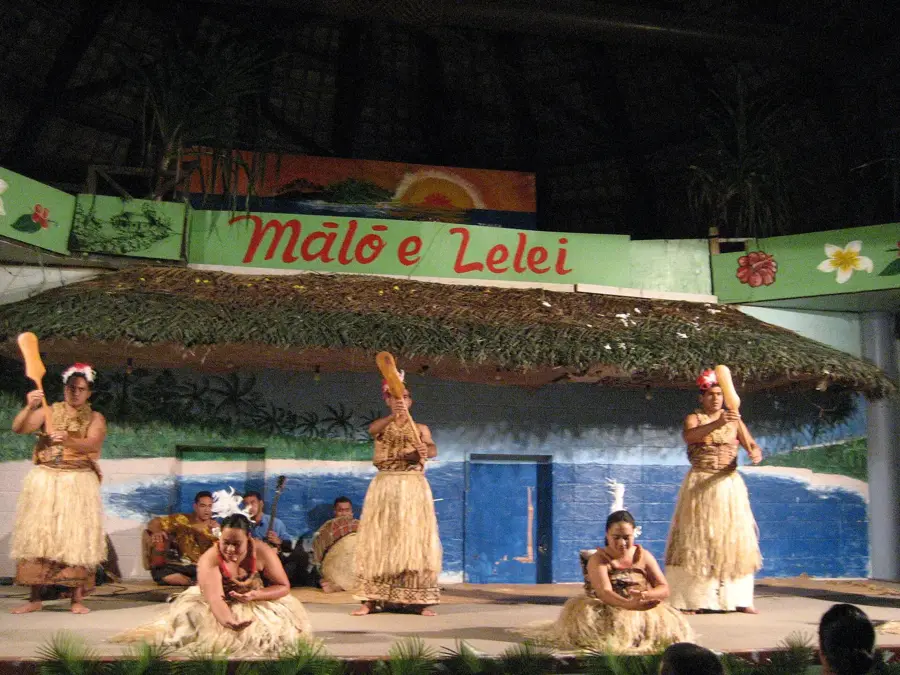
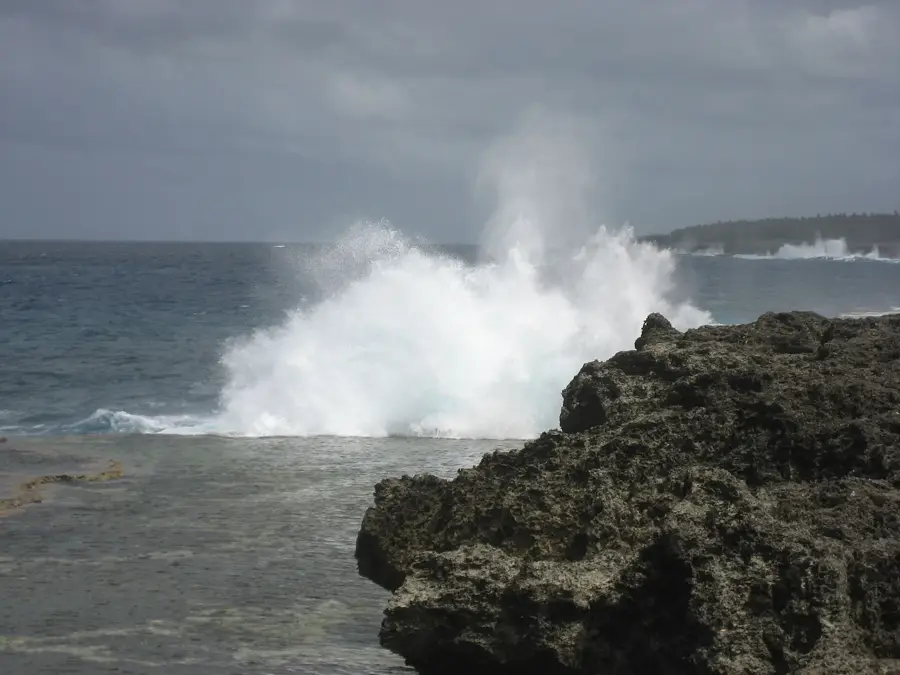
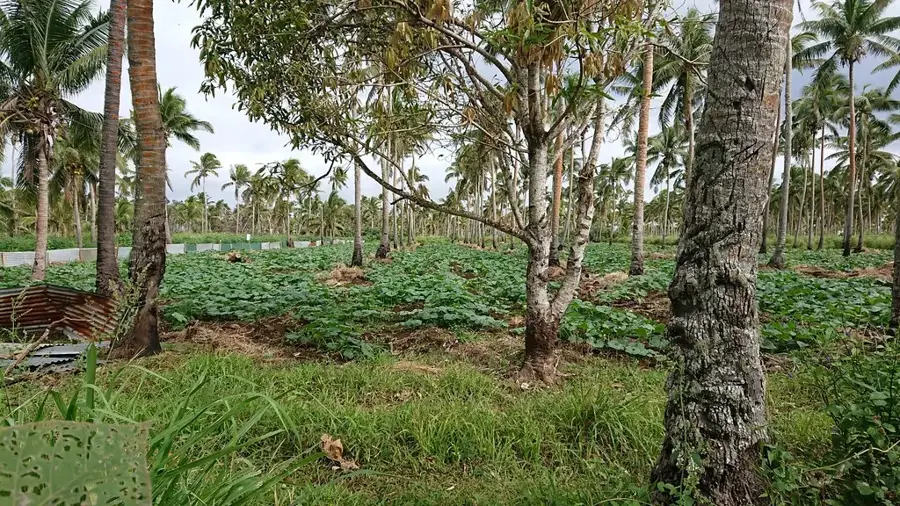
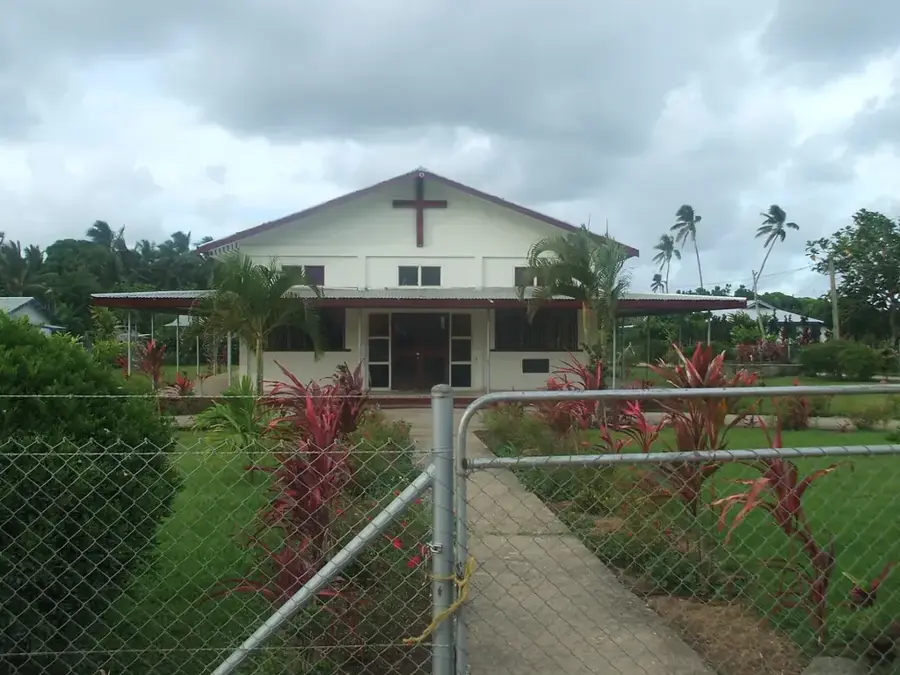
Houma is a pretty village on the southwest coast of Tongatapu island, renowned for one of the most spectacular natural phenomena in the South Pacific: the Mapu ʻa Vaea Blowholes. Here, at high tide, seawater is forced through natural channels in the coral rock up to 30 meters high, providing an impressive spectacle. The village is situated on the estate of the noble Vaea lineage, an influential family in Tongan history. Geographically, Houma is characterized by its rugged coastline and the fertile plains behind it, which are used extensively for cultivating coconuts and vegetables. The history of the area is deeply linked to the legend of Vaea, a giant who, according to tradition, created the blowholes. Culturally, Houma is a center for traditional crafts, particularly mat weaving and tapa cloth production. The community is strongly rooted in its churches, which dominate social life. Through the tourism attracted by the blowholes, Houma has gained growing importance for the local economy while preserving its authentic character as a traditional Tongan village.
- Location: Tonga
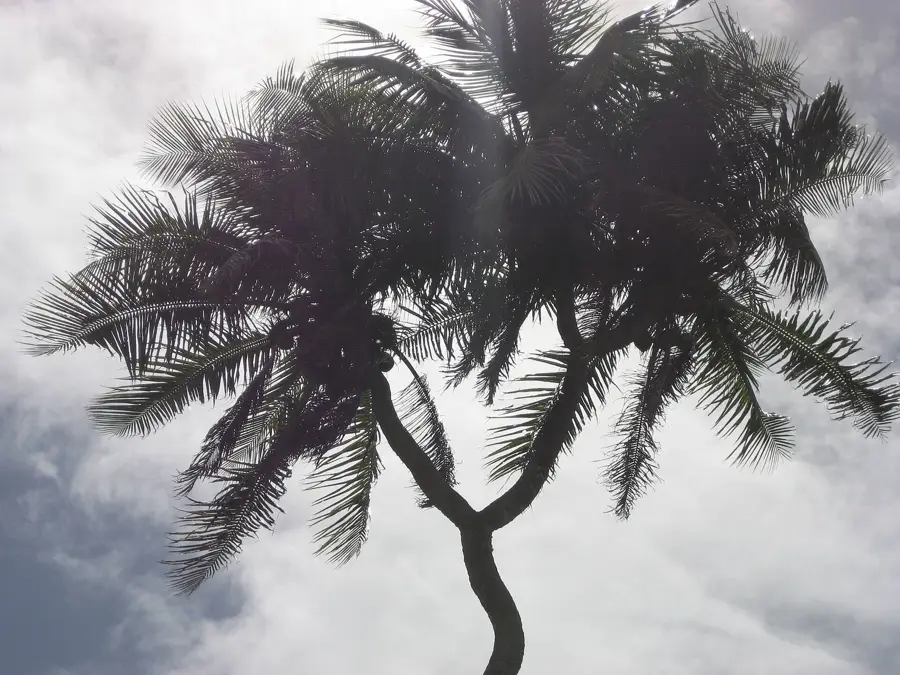
- Top sights: Pupu'a puhi · Three Headed Coconut Tree · Nuku'alofa Tonga Temple
- Nearby: Haʻutu (4 km)
- Population: ~2.136
Best time to visit & climate
The most pleasant time to visit is Jul–Sep.
| Jan | Feb | Mar | Apr | May | Jun | Jul | Aug | Sep | Oct | Nov | Dec | |
|---|---|---|---|---|---|---|---|---|---|---|---|---|
| Avg °C | 27 | 27 | 27 | 26 | 25 | 24 | 23 | 23 | 23 | 24 | 25 | 26 |
| Rain mm | 189 | 190 | 196 | 167 | 105 | 95 | 70 | 79 | 80 | 92 | 102 | 115 |
Geography
Facts
- The Mapu ʻa Vaea Blowholes stretch for 5 kilometers along the coast.
- Houma is located about 12 kilometers southwest of Nukuʻalofa.
- The village is the seat of the noble Lord Vaea.
- The name 'Mapu ʻa Vaea' means 'Whistle of Vaea'.
- It is an important site for the production of tapa (bark cloth).
- The blowholes are best observed during strong swells and high tide.
Explore nearby
Notable places around

Route planner — Car & Motorhome
Where do you start? We build the route here, with stops and country notes along the way.
© OpenStreetMap contributors · OpenRouteService
Sights in the town Houma (3)
Frequently asked questions
What are the blowholes in Houma?
When should you visit them?
Is it dangerous there?
Can you swim there?
Is a guide necessary?
Houma: where is it located?
Houma: what is there to see?
Houma: when is the best time to visit?
Houma: why is it worth visiting?
Nearby cities