Plizio Visual Lab
Haʻutu

ℹ️Practical info — Haʻutu
▾
🌤 Weather — 5 days
📍 Nearby
Sights nearby
💡 Tips
- Renting a bicycle or a scooter is a great way to navigate the flat dirt roads connecting the vast plantations.
- Stop and chat with locals if you see them tending to their crops; Tongan hospitality is warm, but always ask before taking photos.
- Carry your own water and snacks, as shopping options are very limited outside of basic corner stores.
- Avoid walking through plantations without permission, as crops are private property and essential for local livelihoods.
🍽 Food
Often sold outside homes or shared by farmers; they are incredibly flavorful here.
A hearty dish cooked in coconut cream, sometimes available at local community gatherings.
If invited to a kava circle in the evening, try this traditional peppery drink (note: it's a mild sedative).
🛍 Shopping · 🧘 Quiet spots
The best places to pick up seasonal produce directly from the source.
The village shop for basic canned goods and local bread.
Peaceful dirt tracks surrounded by towering coconut palms and banana trees.
A quiet grassy area where locals occasionally play rugby or just relax in the evening.
Water temperature…
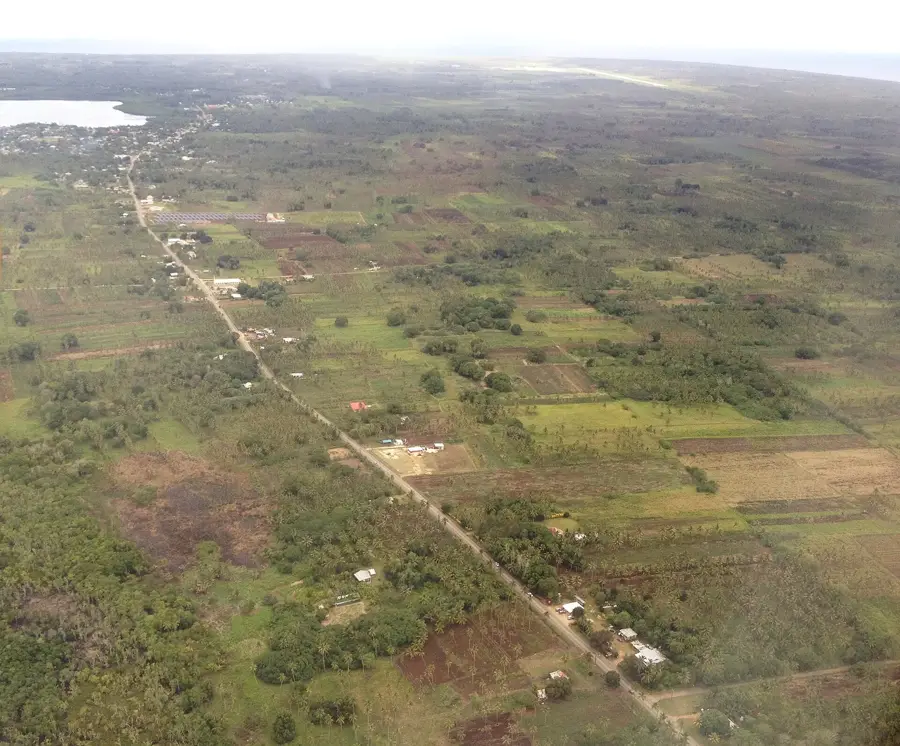
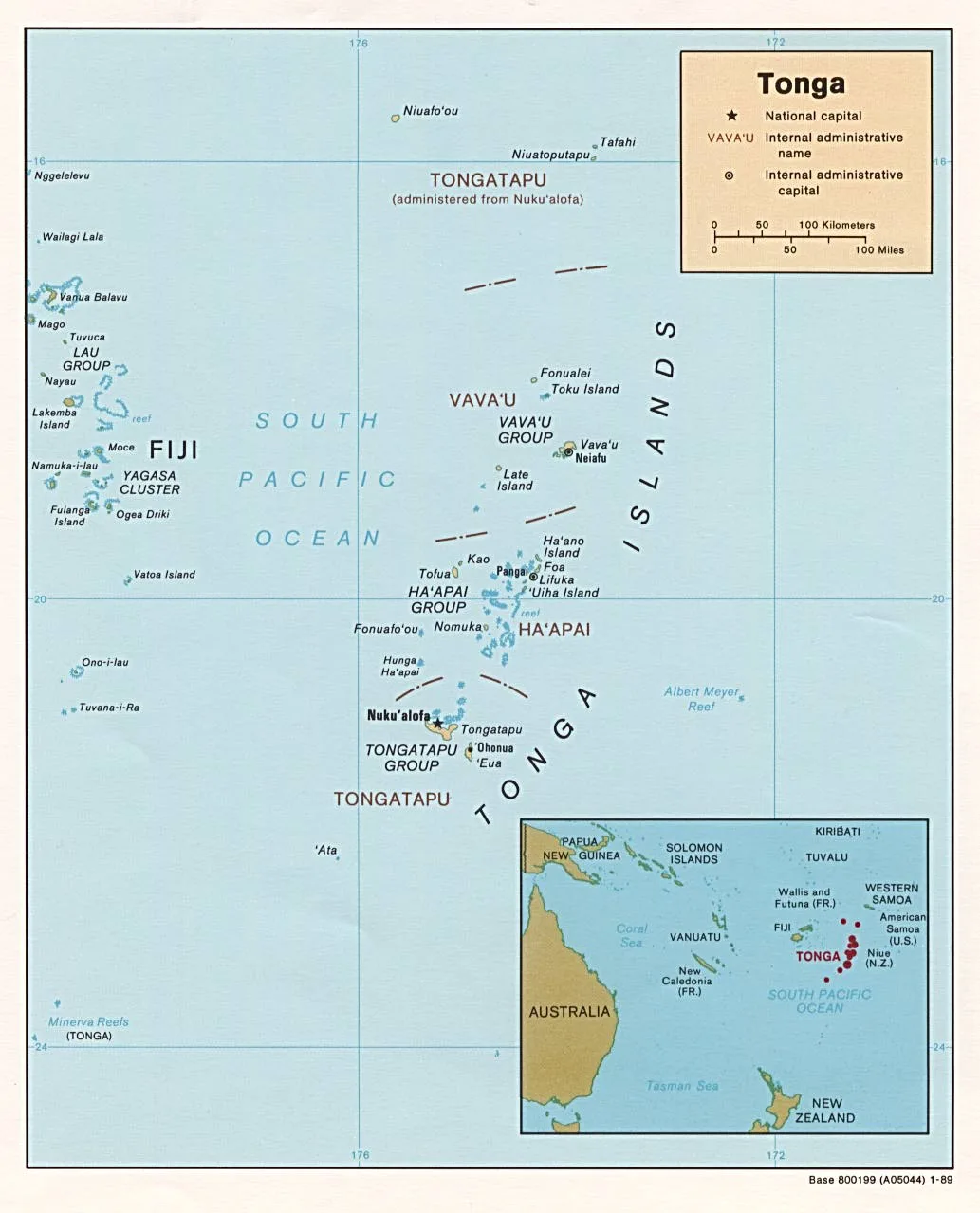
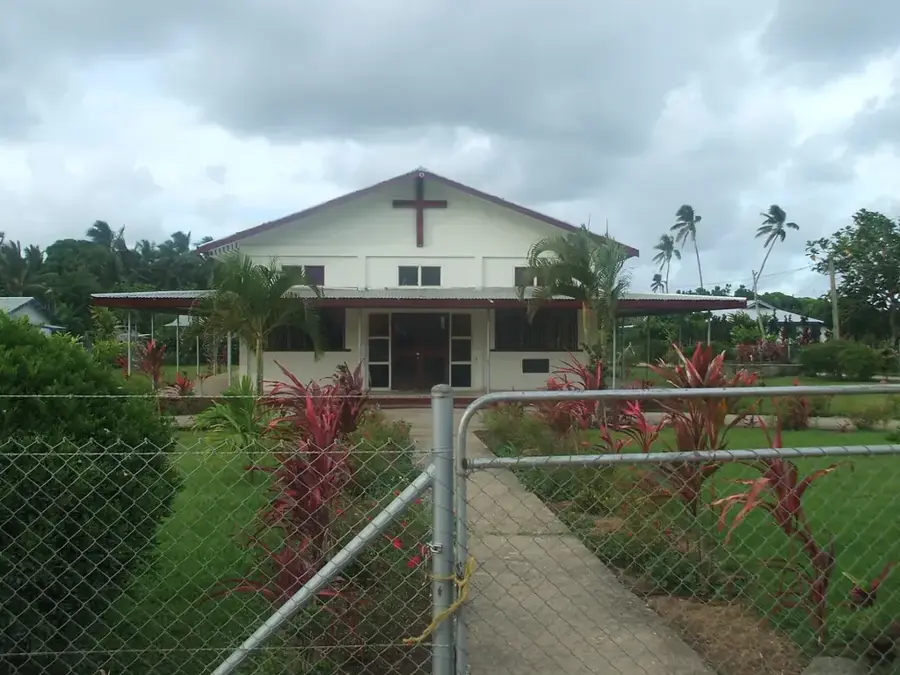
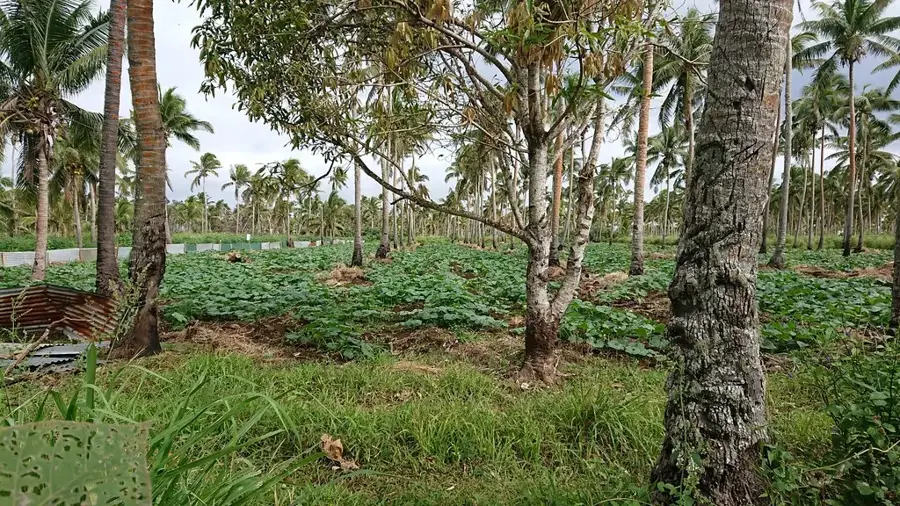
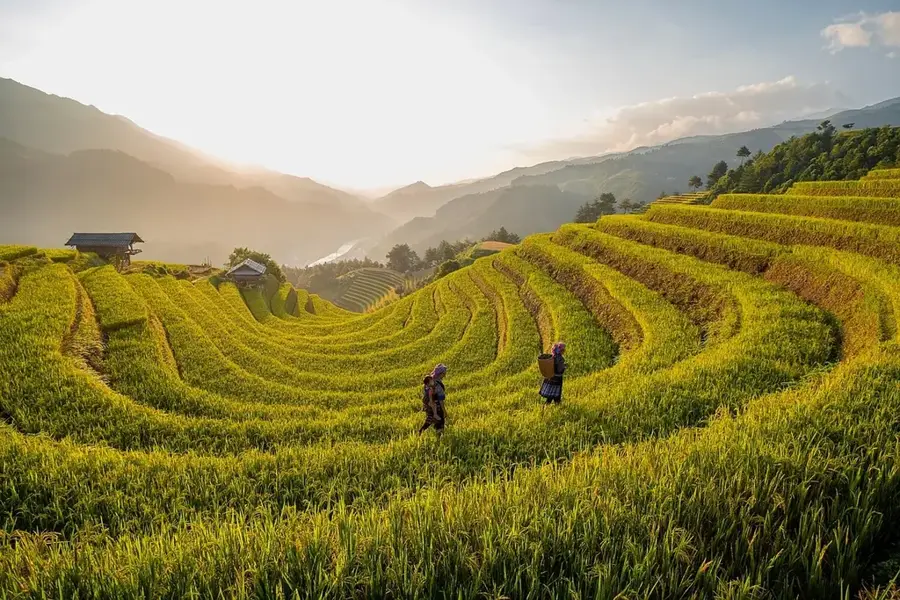
Haʻutu is a small village in the Hihifo district on Tongatapu, known for its agricultural productivity and calm atmosphere. The settlement is located in the interior of the western peninsula and is surrounded by vast fields where mainly taro and yams are grown. Haʻutu has a strong connection to the district's local administration and is an example of traditional land division in Tonga. The village community is very involved in preserving the Tongan language and culture through local youth groups. Social life centers on church activities, which determine the village's weekly rhythm. Although Haʻutu has no direct tourist attractions, it is an important residential area for families working in the surrounding plantations. The architecture is functional, with many houses having gardens for self-sufficiency. The tranquility of the place makes it a characteristic part of Tonga's rural identity.
- Location: Tonga
- Nearby: Houma (4 km)
- Population: ~1.932 (2025)
Best time to visit & climate
The most pleasant time to visit is Jul–Sep.
| Jan | Feb | Mar | Apr | May | Jun | Jul | Aug | Sep | Oct | Nov | Dec | |
|---|---|---|---|---|---|---|---|---|---|---|---|---|
| Avg °C | 27 | 27 | 27 | 26 | 25 | 24 | 23 | 23 | 23 | 24 | 25 | 26 |
| Rain mm | 189 | 190 | 196 | 167 | 105 | 95 | 70 | 79 | 80 | 92 | 102 | 115 |
Geography
Facts
- Center for taro and yam cultivation
- Located in the interior of the Hihifo peninsula
- Strong involvement in cultural preservation
- Example of traditional land division
- Quiet, rural residential atmosphere
- Closely networked church community
Explore nearby
Notable places around

Route planner — Car & Motorhome
Where do you start? We build the route here, with stops and country notes along the way.
© OpenStreetMap contributors · OpenRouteService
Sights in the town Haʻutu (1)
Frequently asked questions
Why travel to Haʻutu?
Is the village family-friendly?
Are the locals friendly?
When is the best time to visit?
Is a rental car sensible?
Haʻutu: where is it located?
Haʻutu: when is the best time to visit?
Haʻutu: why is it worth visiting?

Nearby cities