Plizio Visual Lab
Al-Fulah
ℹ️Practical info — Al-Fulah
▾
🌤 Weather — 5 days
📍 Nearby
Sights nearby
💡 Tips
- As an administrative and pastoral center, respect the nomadic culture of the local Baggara Arab tribes.
- Travel during the rainy season can be very difficult due to muddy, unpaved roads, so plan accordingly.
- The local livestock market is the lifeblood of the city and highly recommended for cultural observation.
- Tourist infrastructure is very basic, so be prepared for modest accommodations and facilities.
🍽 Food
Spiced, peanut-coated grilled meat skewers sold at roadside stands as evening falls.
A paper-thin, slightly sour crepe-like bread that serves as the base for most stews.
Thanks to the pastoral economy, the local yogurt and fresh milk drinks are excellent.
🛍 Shopping · 🧘 Quiet spots
Even if you aren't buying cattle, the morning market hustle is a fascinating cultural sight.
Browse the main souk for traditional hand-crafted leather goods made from local hides.
Walk to the town limits for uninterrupted views of the flat, sprawling savannah at sunset.
Find a quiet shaded corner away from the busy market to relax with a glass of minted tea.
Water temperature…
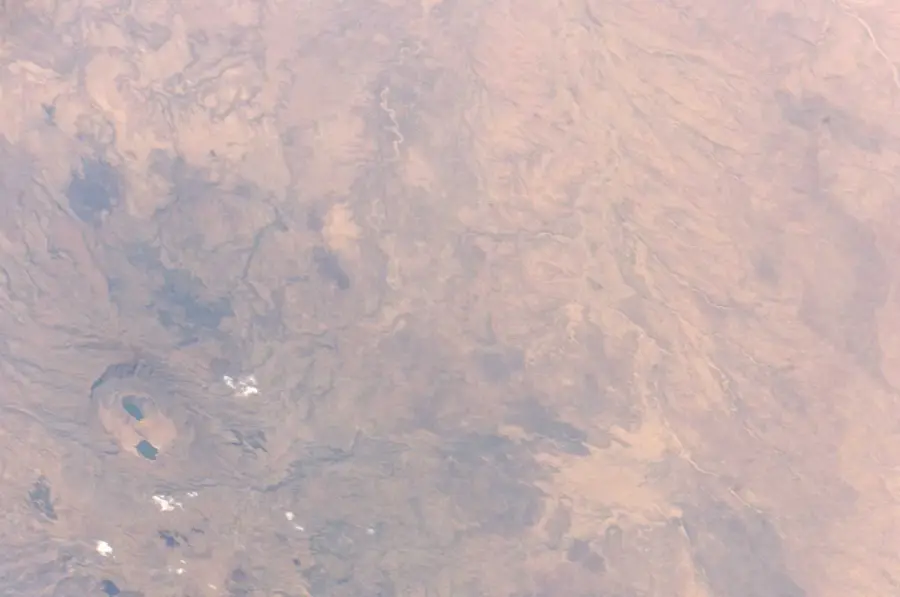
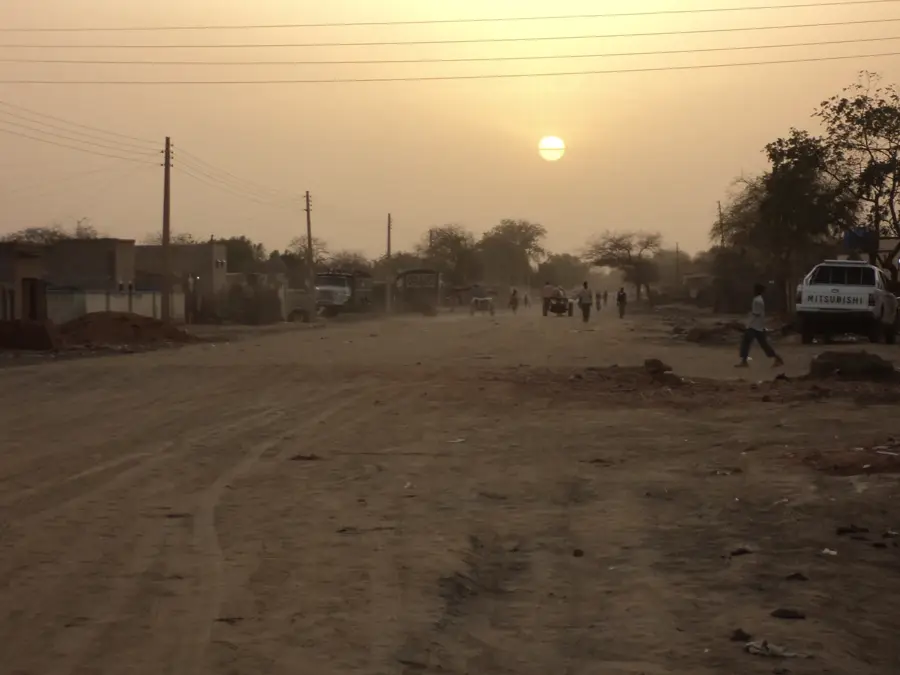
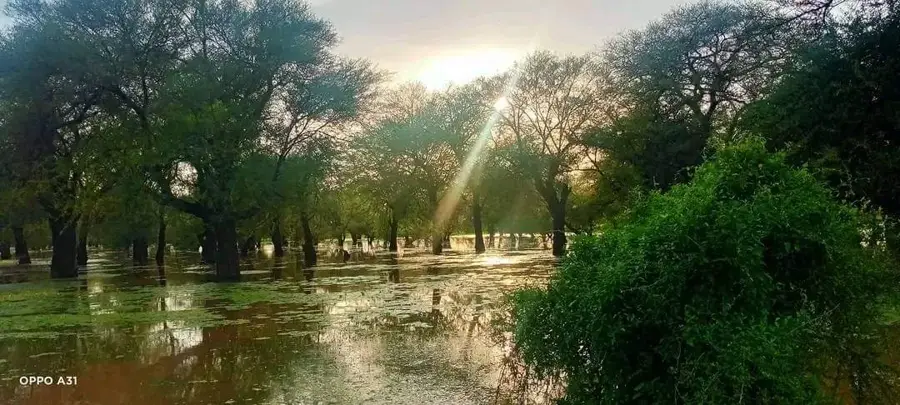
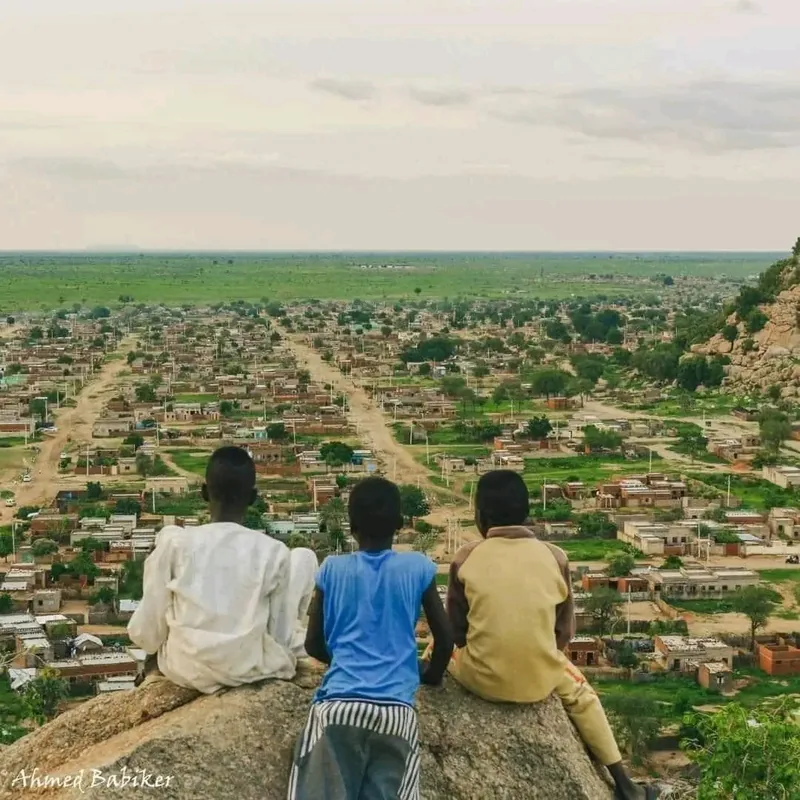
Al-Fulah is the administrative capital of West Kordofan State in central-western Sudan, playing a pivotal role as a logistical and economic anchor in a region vital for the country's oil production. The city's prominence is fundamentally tied to the nearby oil fields, making it a critical hub for the petroleum industry and a strategic point on the pipeline networks. Geographically, Al-Fulah is situated on the expansive plains of Kordofan, characterized by a semi-arid landscape that transforms during the brief rainy season. Beyond industry, the city is a traditional social center for the Misseriya people, whose pastoralist lifestyle and cattle-herding traditions remain central to the local identity and economy. Al-Fulah functions as the administrative seat of the state government, hosting various regional ministries and judicial bodies. The urban layout consists of a mix of government complexes, industrial facilities, and residential areas that reflect the town's rapid transition from a rural outpost to a provincial capital. Educational institutions in Al-Fulah are increasingly focused on technical training to support the local energy sector. The climate is hot and dry for most of the year, with a monsoon influence that dictates the agricultural cycle of sorghum and millet cultivation in the surrounding areas. As a border-adjacent capital, Al-Fulah is also a key center for regional mediation and trade, balancing the needs of industrial growth with the preservation of tribal customs and social stability.
- Location: Sudan
- Nearby: Babanusa (78 km)
- Population: ~26.020 (2024)
Best time to visit & climate
The most pleasant time to visit is Jan, Nov, Dec.
| Jan | Feb | Mar | Apr | May | Jun | Jul | Aug | Sep | Oct | Nov | Dec | |
|---|---|---|---|---|---|---|---|---|---|---|---|---|
| Avg °C | 23 | 26 | 29 | 32 | 32 | 31 | 28 | 27 | 27 | 28 | 26 | 24 |
| Rain mm | 0 | 0 | 0 | 2 | 33 | 61 | 127 | 145 | 107 | 42 | 0 | 0 |
Geography
Facts
- Administrative capital of West Kordofan State.
- A key logistical center for Sudan's upstream petroleum sector.
- Primary ethnic group is the Misseriya, known for cattle pastoralism.
- Located on the railway connecting Khartoum to Nyala in Darfur.
- Major economic contributor through oil revenues and livestock exports.
- The surrounding region is known for producing gum arabic.
- Hosts several technical colleges and administrative training centers.
- The city's geography features undulating plains and seasonal wadis.
Explore nearby
Notable places around

Route planner — Car & Motorhome
Where do you start? We build the route here, with stops and country notes along the way.
© OpenStreetMap contributors · OpenRouteService
Frequently asked questions
What kind of place is Al-Fula?
Can one visit the city as a tourist?
How are the road connections?
What is the local climate?
What can be found nearby?
Al-Fulah: where is it located?
Al-Fulah: when is the best time to visit?
Al-Fulah: why is it worth visiting?

Nearby cities