Plizio Visual Lab
Abu Zabad
ℹ️Practical info — Abu Zabad
▾
🌤 Weather — 5 days
📍 Nearby
Sights nearby
💡 Tips
- As a major crossroads town, it is a great place to observe the blending of different regional cultures.
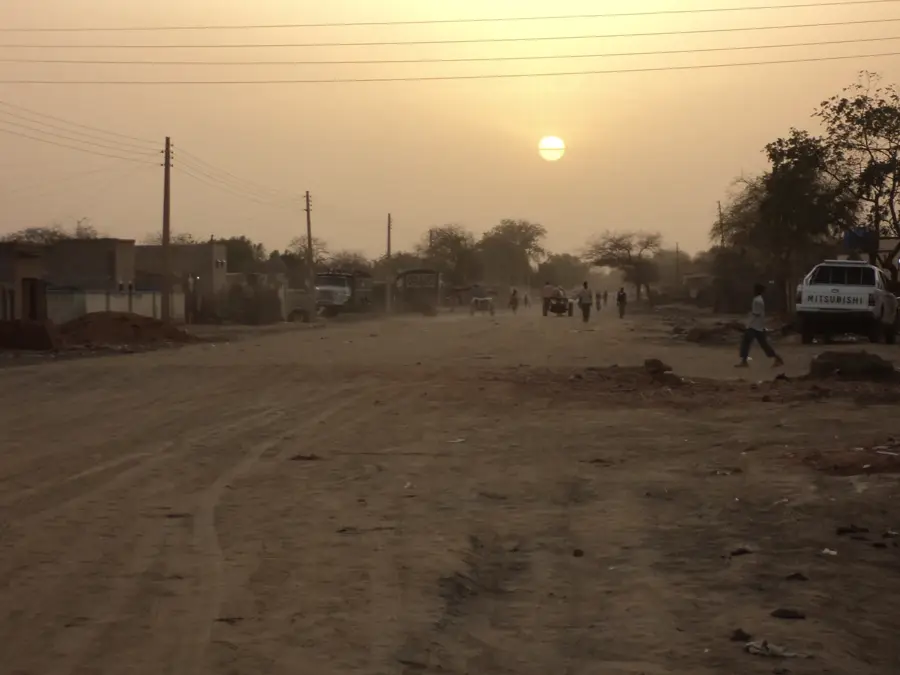
- The dry season is extremely dusty; a scarf to cover your face and sturdy footwear are recommended.
- Rely on cash for all transactions; banking services are limited for international visitors.
- Respect local hospitality; if offered tea by a shopkeeper, it is polite to accept.
🍽 Food
Spiced and grilled meat on skewers, heavily flavored with peanut powder, found at evening street stands.
Try traditional coffee brewed with ginger and cardamom, served from a special clay pot.
A hearty porridge paired with a savory okra and minced meat stew, available in traditional eateries.
🛍 Shopping · 🧘 Quiet spots
Visit the bustling central market where farmers from the region trade crops like peanuts and sesame.
Look for practical, locally made ironwork and agricultural tools reflecting the town's rural importance.
Find a spot under a large shade tree on the town's edge to sit quietly and escape the midday sun.
Walk just outside the bustling market area at sunset for a serene view of the Kordofan landscape.
Water temperature…
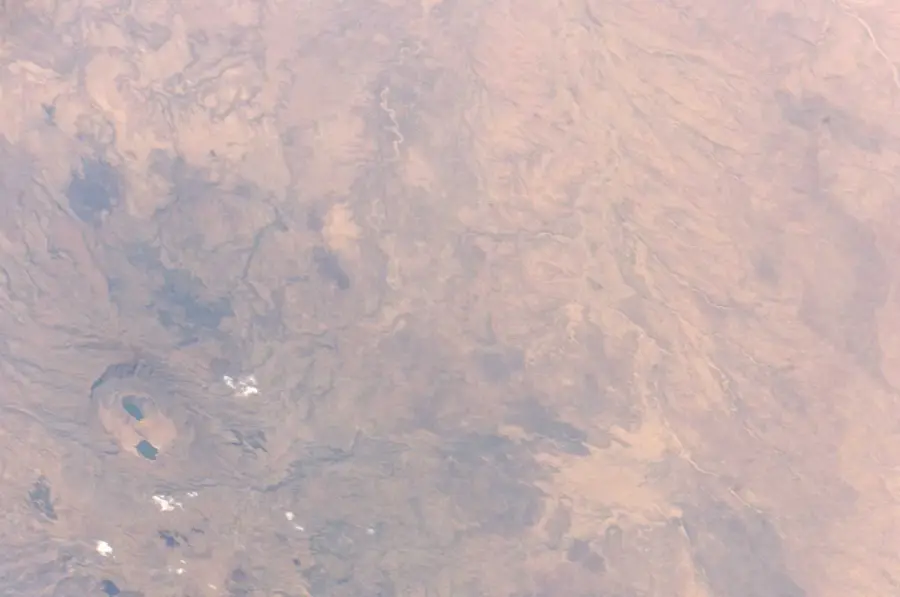
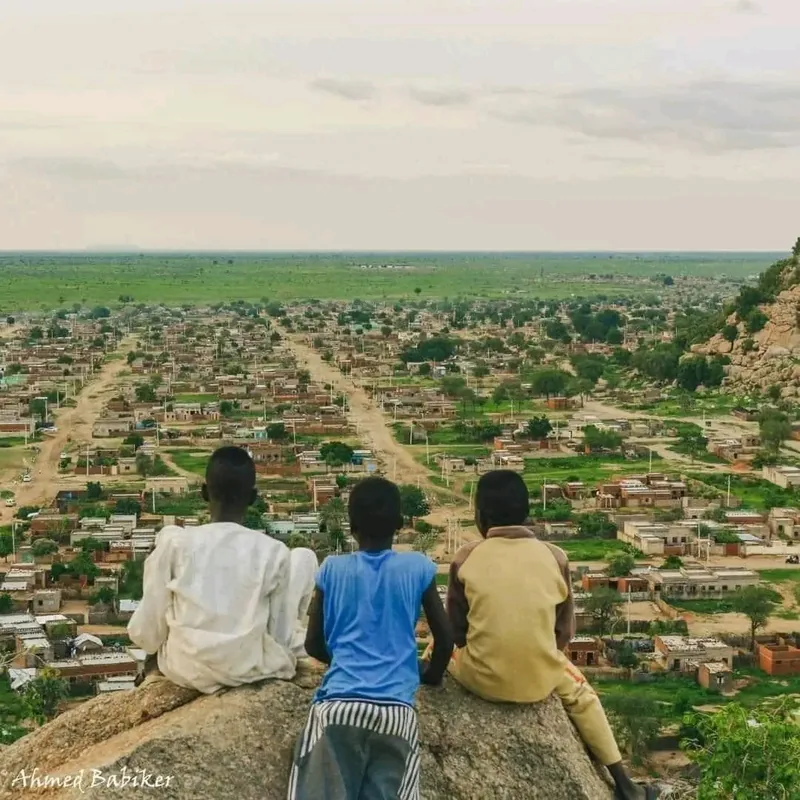
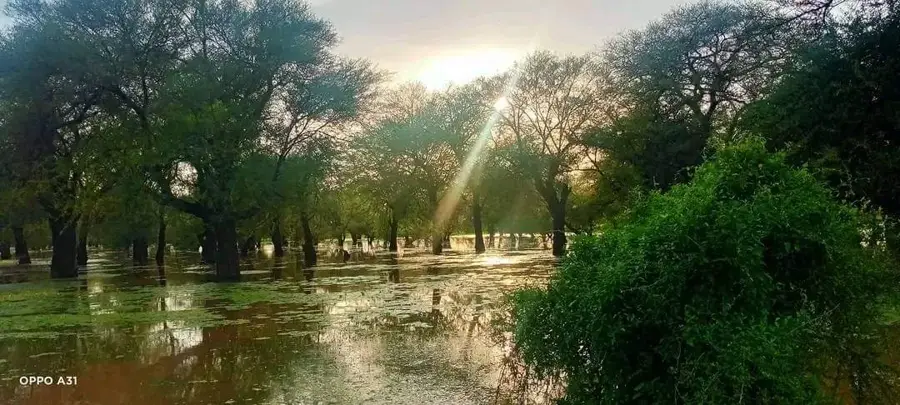
Abu Zabad is a dynamic town located in the West Kordofan state of Sudan, near the border with South Kordofan. The town acts as a vital hub for agricultural and livestock trade, serving as an economic driver for the surrounding rural districts. Geographically, Abu Zabad is situated in a savanna zone characterized by seasonal watercourses and extensive grazing lands. The local economy benefits significantly from the production of gum arabic, one of Sudan's most critical export commodities. The population is primarily composed of nomadic and sedentary tribes that engage in productive social and economic exchanges. Historically, Abu Zabad was a frequent resting place for caravans and cattle herders traveling toward the major markets in the north. The town provides basic educational and healthcare services and is linked by road to the regional centers of El Obeid and En Nahud. Despite environmental challenges, it remains a pillar of the Sudanese agricultural landscape.
- Location: Sudan
- Nearby: Dalanj (54 km)
- Population: ~23.317 (2024)
Best time to visit & climate
The most pleasant time to visit is Jan, Feb, Dec.
| Jan | Feb | Mar | Apr | May | Jun | Jul | Aug | Sep | Oct | Nov | Dec | |
|---|---|---|---|---|---|---|---|---|---|---|---|---|
| Avg °C | 22 | 25 | 28 | 31 | 32 | 31 | 28 | 26 | 27 | 28 | 25 | 23 |
| Rain mm | 0 | 0 | 0 | 1 | 24 | 50 | 123 | 135 | 85 | 33 | 0 | 0 |
Geography
Facts
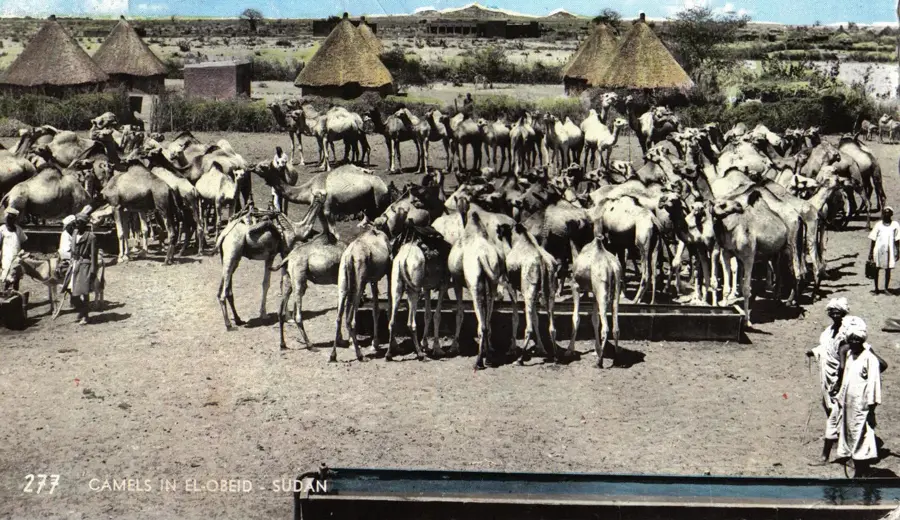
- Major trading post for grain and livestock in the region.
- Hub for gum arabic collection and processing in West Kordofan.
- Positioned on the strategic route between El Obeid and En Nahud.
- Population consists of a diverse mix of various Kordofan tribes.
- Features a large and influential weekly market (Souq).
- The surrounding area is renowned for high sorghum crop yields.
Explore nearby
Notable places around


Route planner — Car & Motorhome
Where do you start? We build the route here, with stops and country notes along the way.
© OpenStreetMap contributors · OpenRouteService
Frequently asked questions
What is typical for Abu Zabad?
When is the best travel time?
How long should you stay?
Are there culinary tips?
How to get there?
Abu Zabad: where is it located?
Abu Zabad: when is the best time to visit?
Abu Zabad: why is it worth visiting?

Nearby cities