Plizio Visual Lab
Ad-Damazin
ℹ️Practical info — Ad-Damazin
▾
🌤 Weather — 5 days
📍 Nearby
Sights nearby
💡 Tips
- Visit the Roseires Dam area early in the day before the heat peaks.
- Boat rides on the Blue Nile can be arranged with local fishermen.
- Malaria prophylaxis is strongly recommended in this region.
- Carry small denomination Sudanese Pounds for local transactions.
- The town is a melting pot of different tribes; learn a few basic Arabic greetings.
🍽 Food
A thin, fermented bread used to scoop up local stews.
Fried Nile fish is a specialty at small restaurants near the water.
A traditional dough-like dish served with a savory sauce (mullah).
🛍 Shopping · 🧘 Quiet spots
An animated market offering everything from fresh produce to traditional crafts.
Look for handmade clay pots and coffee ceremony sets (Jebena).
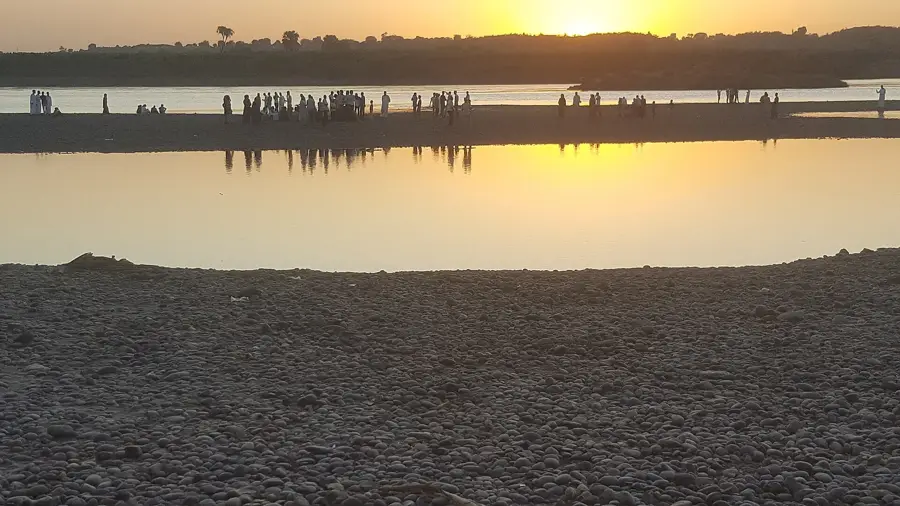
Has a vast, calming view of the reservoir and the Blue Nile.
Sip coffee while watching the gentle flow of the Blue Nile.
Water temperature…
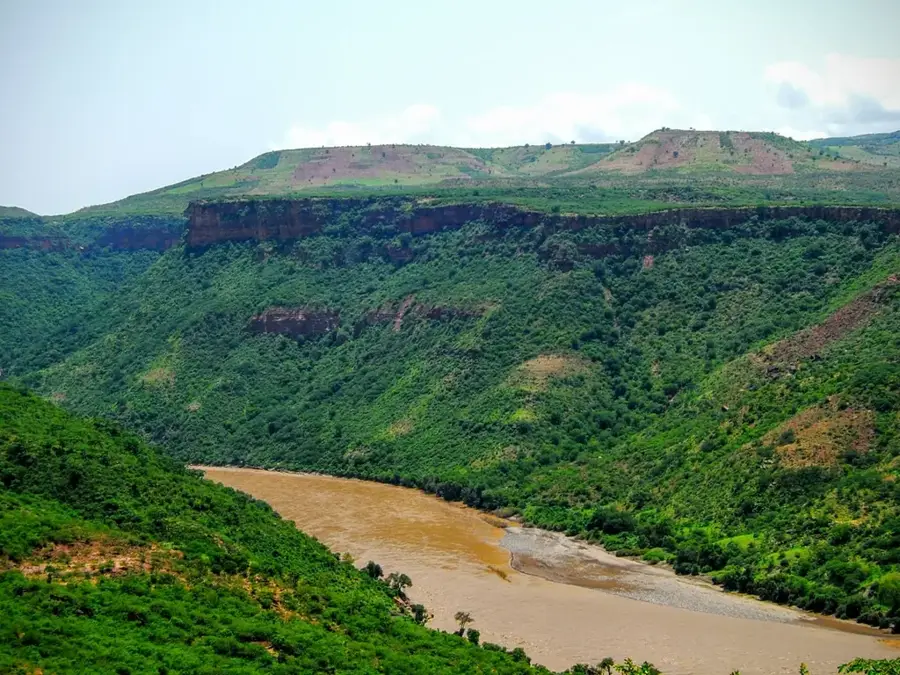
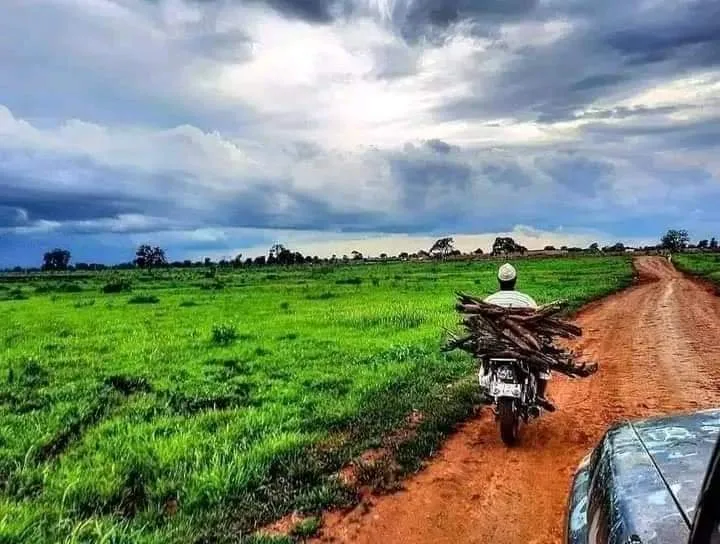
Ad-Damazin serves as the administrative capital of the Blue Nile State in Sudan, positioned strategically on the western bank of the Blue Nile river. The city’s significance escalated dramatically following the construction of the Roseires Dam in 1966, which transformed the settlement into a primary hub for hydroelectric power generation and large-scale irrigation. Economically, Ad-Damazin is the heartbeat of a region rich in agricultural potential, acting as a collection point for crops such as sorghum, sesame, and high-quality livestock destined for national and international markets. The city is connected to the national capital via a railway line, facilitating the movement of goods and people across the vast Sudanese terrain. Culturally, Ad-Damazin is an animated mosaic of ethnic groups, including the Berta and Gumuz people, whose heritage enriches the local social fabric through unique languages, crafts, and musical expressions. The presence of the University of Blue Nile highlights the city's role as a regional educational beacon, focusing on practical sciences and humanities. The climate is semi-arid with a significant monsoon season, during which the surrounding landscapes turn into lush greenery, contrasting sharply with the dusty dry season. Historically, the area has been a frontier zone, experiencing both the challenges of conflict and the rewards of being a cross-border trade center with neighboring Ethiopia. Modern Ad-Damazin continues to expand, balancing its industrial identity tied to the dam with its role as a regional service provider, making it one of the most dynamic urban centers in southeastern Sudan.
- Location: Sudan
- Nearby: Ar-Rusairis (8 km)
- Population: ~186.051 (2026)
Best time to visit & climate
The most pleasant time to visit is Jan, Nov, Dec.
| Jan | Feb | Mar | Apr | May | Jun | Jul | Aug | Sep | Oct | Nov | Dec | |
|---|---|---|---|---|---|---|---|---|---|---|---|---|
| Avg °C | 27 | 29 | 31 | 33 | 32 | 30 | 27 | 26 | 27 | 29 | 29 | 27 |
| Rain mm | 0 | 0 | 1 | 5 | 49 | 68 | 122 | 162 | 104 | 79 | 4 | 1 |
Geography
Facts
- Capital of Blue Nile State, located near the Ethiopian border.
- The Roseires Dam nearby is a critical infrastructure for Sudan's power grid.
- Primary economic activity includes agriculture and hydroelectricity services.
- Home to the University of Blue Nile, a major regional institution.
- Served by Ad-Damazin Airport, facilitating regional connectivity.
- The city experiences a tropical wet and dry climate (Aw).
- It acts as a strategic logistics hub for the southeastern Sudan region.
- Major trade items include sesame, sorghum, and forest products.
Explore nearby
Notable places around


Route planner — Car & Motorhome
Where do you start? We build the route here, with stops and country notes along the way.
© OpenStreetMap contributors · OpenRouteService
Frequently asked questions
What is Ad-Damazin known for?
Can the dam be visited?
What is the weather like in the region?
Is it safe to travel?
Are there tourist facilities?
Ad-Damazin: where is it located?
Ad-Damazin: when is the best time to visit?
Ad-Damazin: why is it worth visiting?

Nearby cities
More places