Plizio Visual Lab
Monastery of Santa Maria de Guadalupe
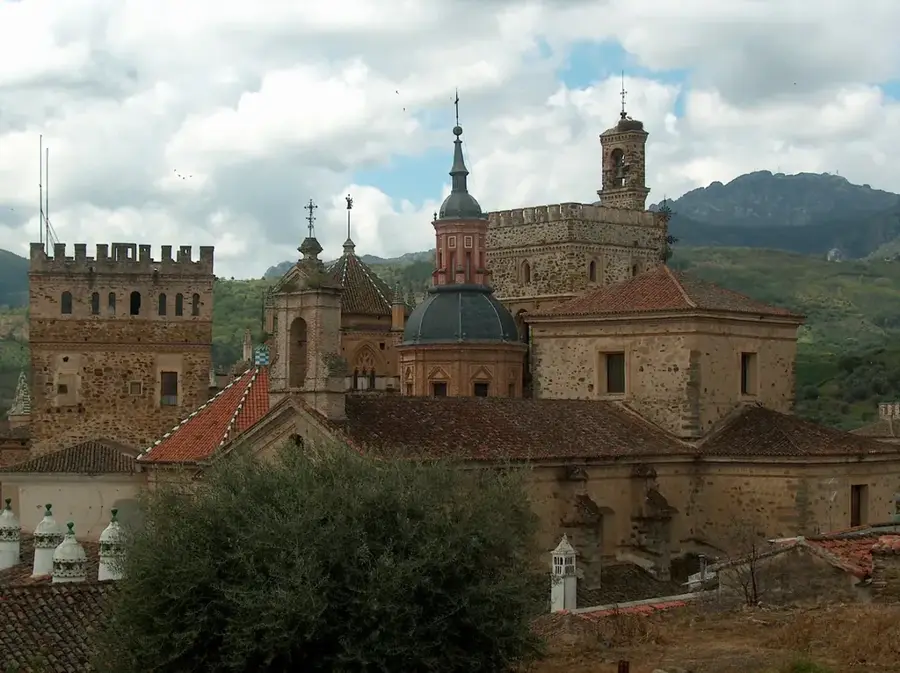
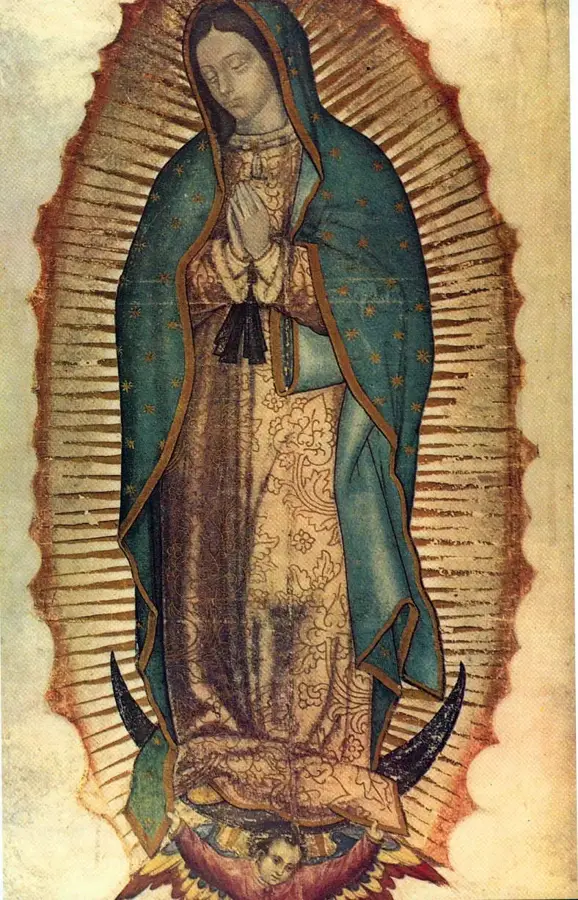
The Royal Monastery of Santa María de Guadalupe in Extremadura is one of Spain's most significant religious and historical centers. Its foundation is rooted in a 13th-century legend where a shepherd found a statue of the Virgin Mary on the banks of the Guadalupe River. The monastery was built in the 14th century under the patronage of King Alfonso XI and evolved into a major pilgrimage site. The architecture is a fascinating blend of Gothic, Mudéjar, Renaissance, and Baroque styles, with the magnificent Mudéjar cloister serving as a prime example of its kind. Christopher Columbus visited the monastery several times to give thanks to the Virgin of Guadalupe for his safe return from the Americas. Inside, the monastery houses significant works of art, including paintings by Francisco de Zurbarán in the sacristy. Due to its exceptional cultural importance, it was declared a UNESCO World Heritage site in 1993 and remains a living symbol of faith and Spanish history.
- Location: Galicia, Spain
- Top sights: Granja de Mirabel · Galería de captación de agua · Centro Cultural y de Congresos Guadalupe
- Nearby: Navalmoral de la Mata (52 km)
Best time to visit & climate
The most pleasant time to visit is May, Jun, Sep.
| Jan | Feb | Mar | Apr | May | Jun | Jul | Aug | Sep | Oct | Nov | Dec | |
|---|---|---|---|---|---|---|---|---|---|---|---|---|
| Avg °C | 6 | 7 | 10 | 13 | 18 | 23 | 27 | 27 | 22 | 16 | 10 | 6 |
| Rain mm | 41 | 44 | 56 | 50 | 34 | 12 | 3 | 6 | 24 | 73 | 61 | 47 |
📋 Practical info
Geography
Facts
- The Battle of Salado in 1340 boosted the expansion of the monastery.
- The monastery was added to the UNESCO World Heritage list in 1993.
- The sacristy features eight large-scale paintings by Francisco de Zurbarán.
- The first indigenous Americans brought to Europe were baptized here.
- The monastery houses a significant museum of ancient choir books.
- The Virgin of Guadalupe is the patron saint of the Extremadura region.
Explore nearby
Notable places around

Route planner — Car & Motorhome
Where do you start? We build the route here, with stops and country notes along the way.
© OpenStreetMap contributors · OpenRouteService
Sights in the town Monastery of Santa Maria de Guadalupe (6)
Sights nearby
Frequently asked questions
Why is this monastery so famous?
Is it a UNESCO World Heritage site?
Which architectural style characterizes the monastery?
Can you stay overnight at the monastery?
Are there museums there?
Monastery of Santa Maria de Guadalupe: where is it located?
Monastery of Santa Maria de Guadalupe: what is there to see?
Monastery of Santa Maria de Guadalupe: when is the best time to visit?
Monastery of Santa Maria de Guadalupe: why is it worth visiting?

Nearby cities
History & landmarks