Festivities of the Virgin of the Rosary
The patron saint of the town is honored with a traditional romeria, religious ceremonies, and community gatherings.
PlizioGo
Try sardine skewers grilled over olive wood at one of the beach bars (chiringuitos).
Sample cherimoyas and mangos, which thrive in the Costa Tropical's unique microclimate.
Enjoy this typical frozen milk dessert with cinnamon and lemon on a hot afternoon.
Find hand-painted ceramic tiles and pottery in the artisan shops of the old town.
Buy locally grown avocados and tropical fruits directly from the municipal market.
A beautiful path below the castle walls with lush vegetation and sea views.
Visit this smaller cove to relax in peace away from the main beach areas.
Water temperature…
The patron saint of the town is honored with a traditional romeria, religious ceremonies, and community gatherings.
A prestigious summer festival dedicated to traditional flamenco music and dance held near the historic Moorish castle.
The town celebrates midsummer with bonfires on the beach, music, and the traditional midnight swim in the sea.
Residents decorate their neighborhoods with beautiful crosses made of flowers, enjoying communal dancing and local wine.
The dramatic landscape of the old town provides a stunning backdrop for the solemn Easter religious processions.
The local carnival fills the streets with parades, creative costumes, and festive music to banish the winter chill.
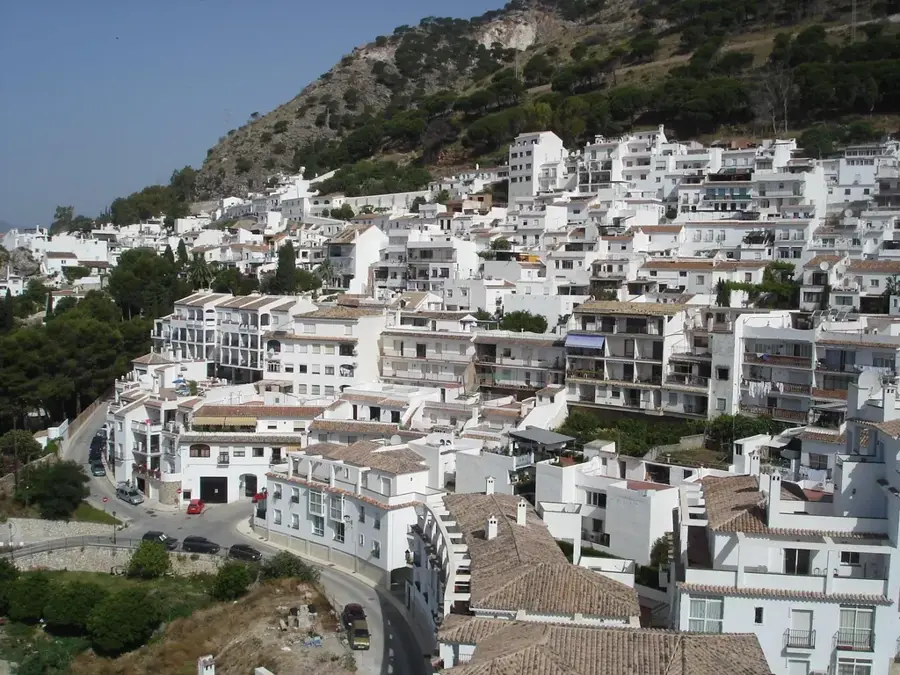
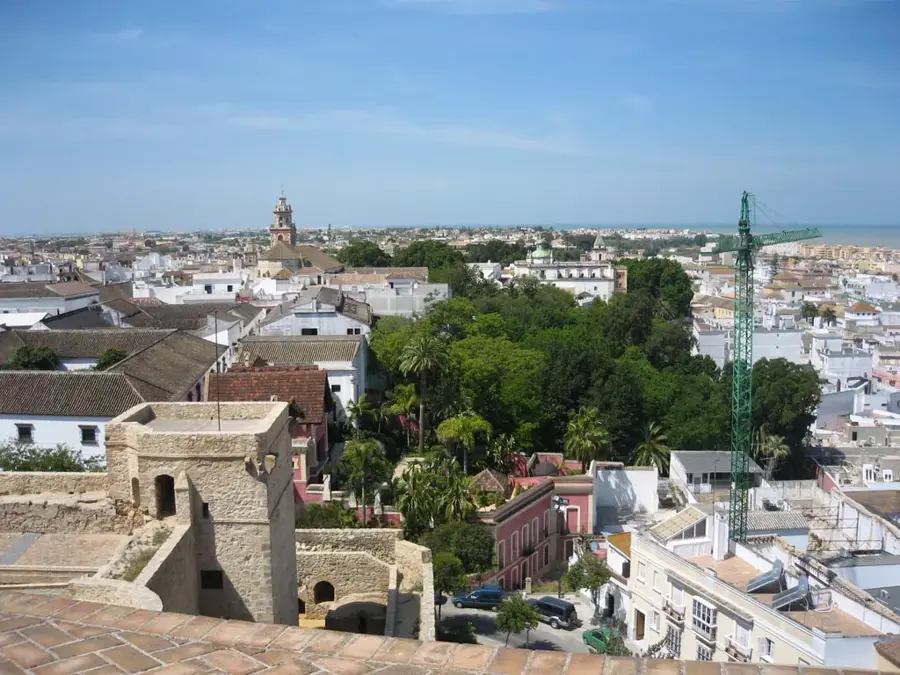
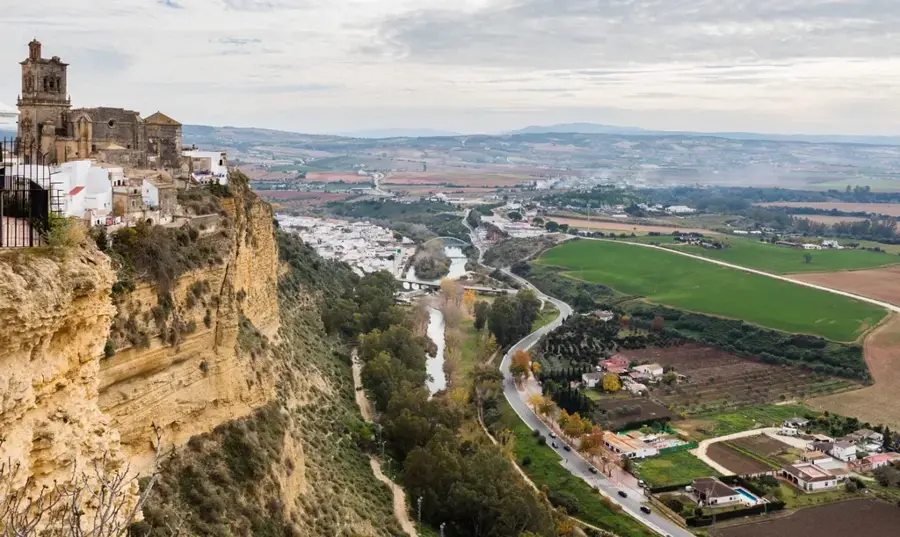
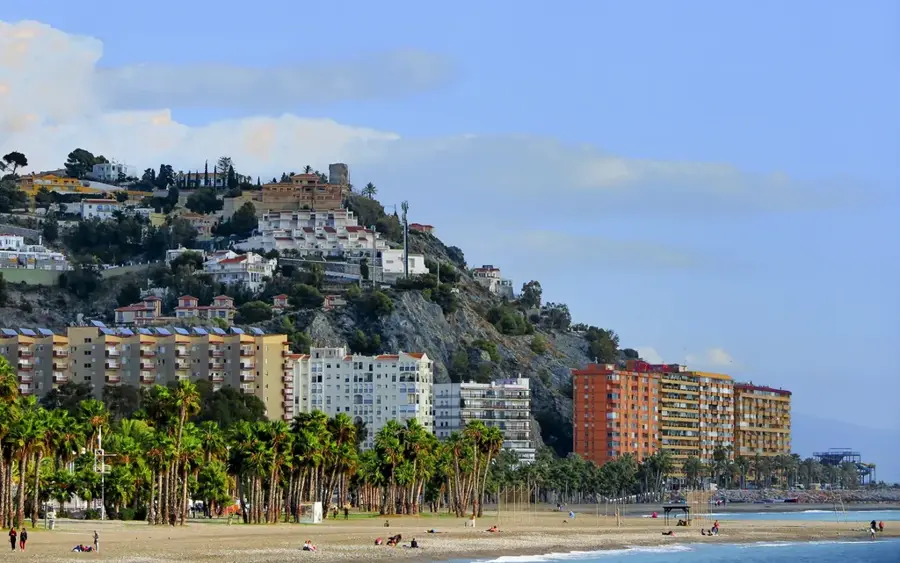
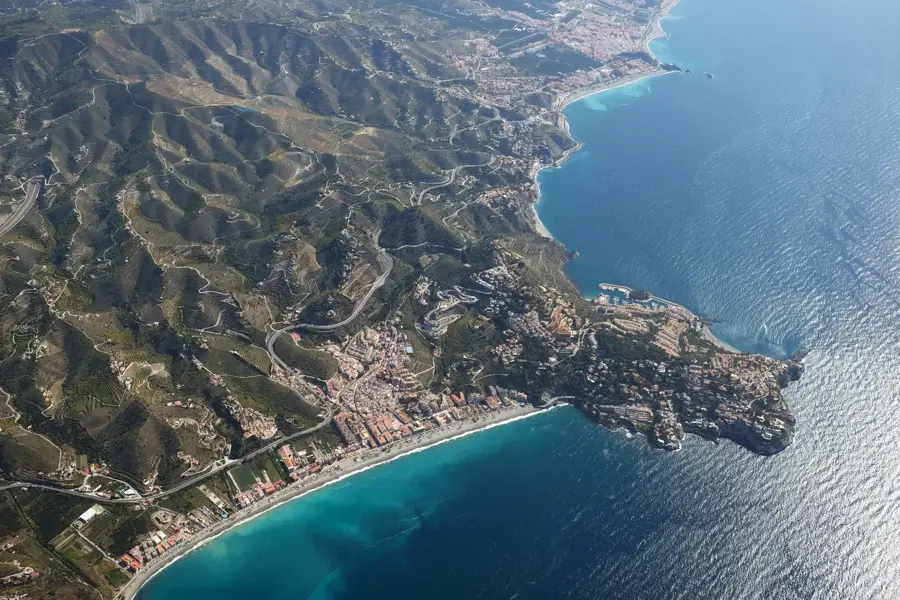
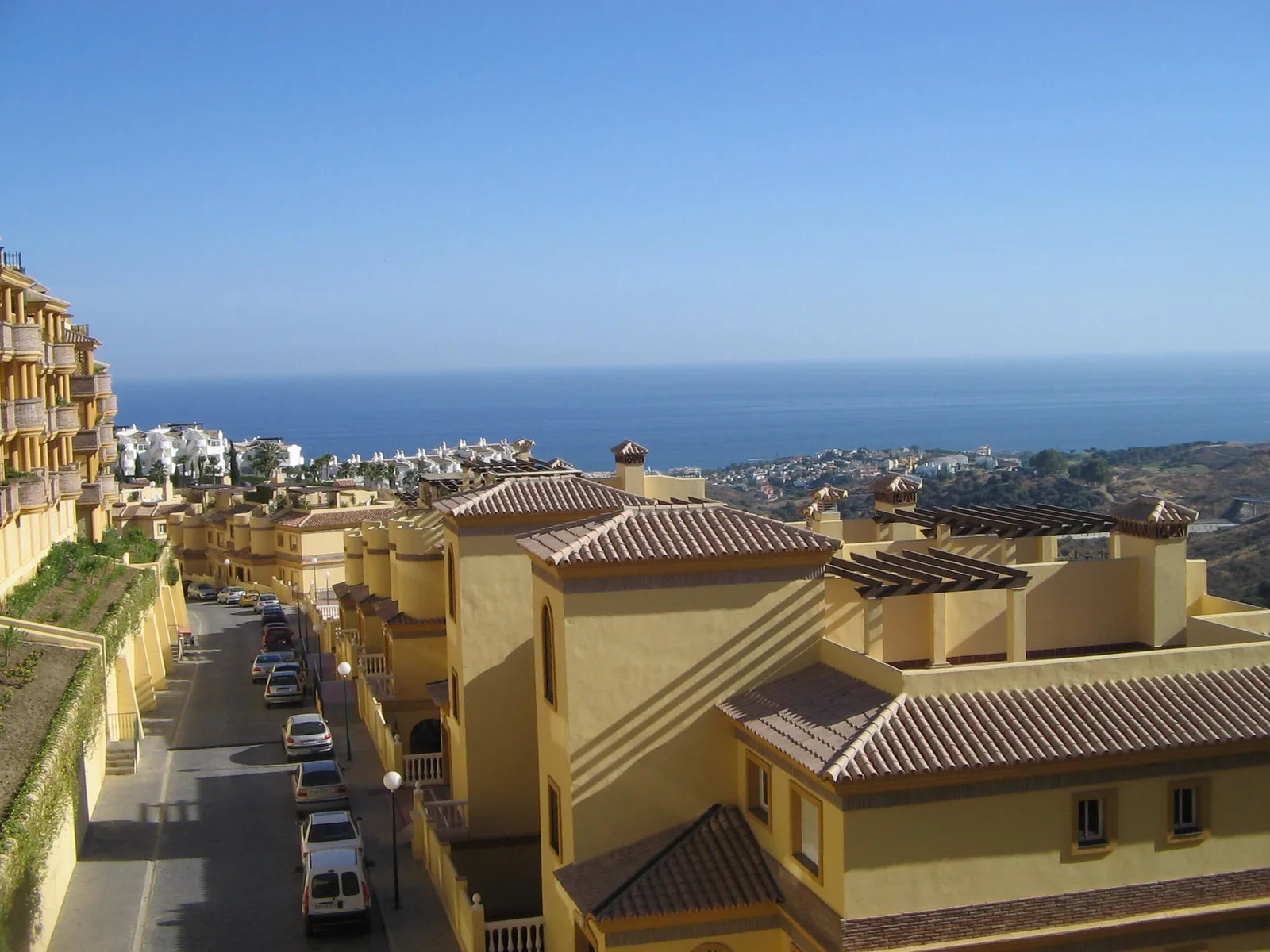
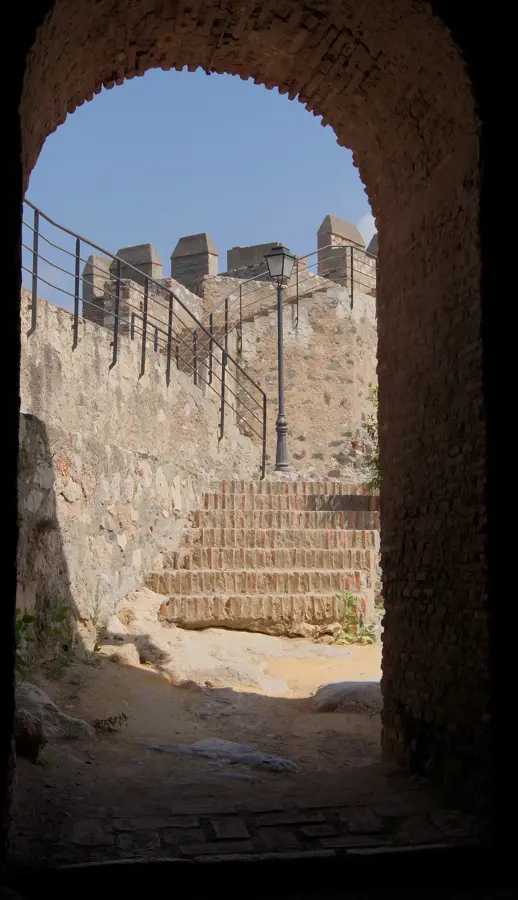
Clinging to a massive rock that rises abruptly from the coastal plain, Salobreña is a striking jewel of the Costa Tropical in the province of Granada. The town presents a striking visual contrast, with its tight clusters of whitewashed houses cascading down the hillside, all crowned by an imposing tenth-century Moorish castle. From the ancient battlements of the fortress, visitors can take in magnificent panoramic views that encompass the shimmering Mediterranean Sea, the lush green agricultural plains, and the snow-capped peaks of the Sierra Nevada in the distance. Unlike much of the surrounding coastline, the fields below Salobreña are famously dotted with subtropical crops, including sugarcane, mangoes, and avocados, thanks to the unique microclimate of the region. The historic center is a pleasant maze of steep pedestrian streets, which retains its medieval layout. Down at sea level, the town features long, peaceful beaches divided by El Peñón, a rocky outcropping jutting into the water. After exploring the castle, visitors can relax at a seaside restaurant and enjoy fresh seafood paired with local tropical fruits.
The most pleasant time to visit is Jun, Jul, Sep.
| Jan | Feb | Mar | Apr | May | Jun | Jul | Aug | Sep | Oct | Nov | Dec | |
|---|---|---|---|---|---|---|---|---|---|---|---|---|
| Avg °C | 13 | 13 | 14 | 16 | 18 | 22 | 24 | 25 | 23 | 20 | 16 | 14 |
| Rain mm | 47 | 48 | 57 | 44 | 20 | 3 | 1 | 4 | 27 | 49 | 68 | 56 |
Notable places around
Where do you start? We build the route here, with stops and country notes along the way.
© OpenStreetMap contributors · OpenRouteService
Salobreña looks like a white ship on a green rock. Our walk leads through the steep, flower-lined streets of Albaycín up to the Moorish castle. After soaking in the old town's culture, we descend to the sea landmark, El Peñón, and spend the rest of the day at the relaxed La Charca beach.
The morning begins under the protective arches of the old town, as gentle rain bathes the white streets of Salobreña in a mystical light. At noon, we climb to the castle, where the ancient walls provide shelter and offer a dramatic view of the churning Mediterranean Sea. In the afternoon, we stroll between the church and Paseo de las Flores, where the scent of the flora is particularly intense after the rain. The evening ends at the Peñón, watching the power of nature before retreating into a cozy tapas bar for the night.
A crisp winter morning in the steep streets, where the low sun brightly illuminates the white facades. At noon, we enjoy the mild warmth on the castle ramparts, without the oppressive heat of the summer months. The afternoon leads us through the fragrant Paseo de las Flores down to the sea, with the air being crystal clear. In the early evening, we experience a spectacular sunset at the Peñón, before the cool breeze drives us back to the old town.
A relaxed bike ride through the fertile plain that was once the heart of the sugar cane industry. We cycle between the fields and along the coast to enjoy different perspectives of the prominent castle rock.
A gray morning over the sugar cane fields, as we make our way along the wet paths. At noon, we seek shelter under the eaves of agricultural buildings at the edge of the plain. The afternoon leads us along the coast, where the asphalt shines under our tires and the sea spray refreshes us. In the evening, we return with muddy bikes, ready for a warm shower and a hearty dinner.
A clear winter morning offers the perfect temperatures for an extensive bike tour through the Vega. At noon, we enjoy the sun in the vast fields, without the risk of sunburn like in summer. The afternoon we cycle relaxed along the beach promenade, which we have almost to ourselves. The evening sets in cool, so we pedal hard to get home in time before darkness falls.
By car, we reach the castle without the steep climb and can then easily explore the surroundings of Motril and the beaches of Costa Tropical. Ideal for visiting more distant coves like La Caleta.
Sitting comfortably in the car, we watch the raindrops run down the windshield as we drive up the castle hill. At noon, we park right at the fortress and quickly slip under the protective portals. In the afternoon, we take a panoramic drive along the coastal road, safe and dry from the elements. The evening ends at a restaurant by the harbor, where we can park the car right in front of the door.
A relaxed start to the winter day, with the heater set to a pleasant temperature as we explore the surroundings. At noon, we take advantage of the good parking situation to get directly to the Castillo without a long search. The afternoon is excellent for a drive to the nearby Alpujarras, where the peaks may be snow-capped. In the evening, we enjoy the comfort of the car for the return journey, as temperatures outside drop noticeably.
May, June and September are best, the pebble beaches stay empty and the sugarcane fields turn lush green. July and August bring heat and packed beach bars, winter is sunny but too cool for swimming.
Salobreña is a quiet hilltop-and-beach village and very safe, the old town lanes are well lit at night. Watch slippery cobbles after rain and park down by the beach, not in the narrow casco.
Salobreña stays deeply Spanish, the whitewashed old town hears little English. A little Spanish goes a long way, you'll lean on 'donde esta el castillo' and 'la cuenta por favor' often.
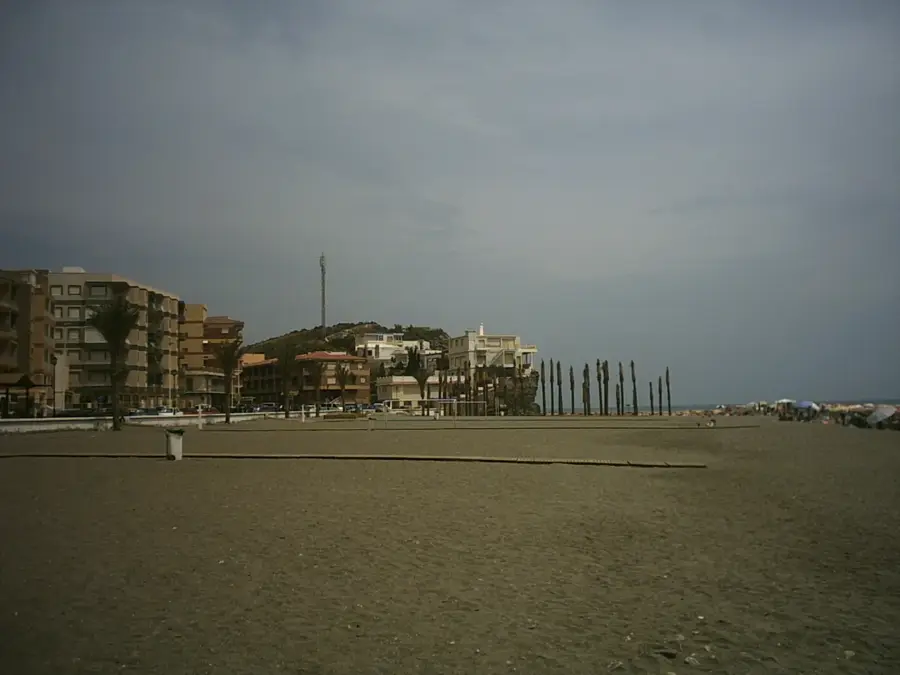
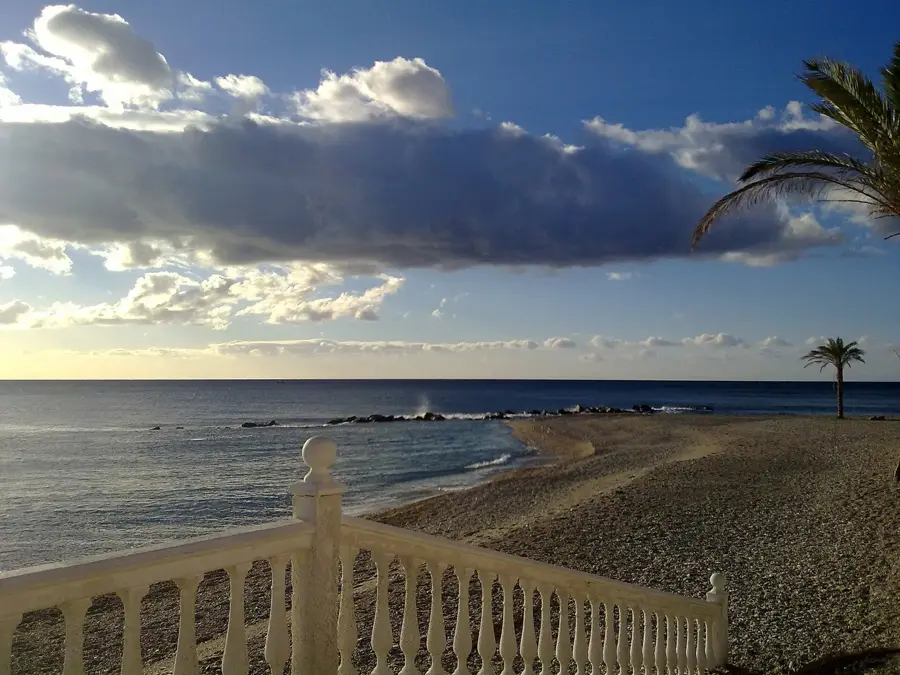
Boasting fine dark sand and an expansive shoreline, Playa de la Charca is the beloved main beach of Salobrena. The atmosphere is warmly spirited, driven by the lively adjacent promenade that invites endless hours of seaside leisure. Beachgoers can expect fantastic conditions for swimming in the ocean, followed by long, satisfying strolls by the water. Arriving in the late afternoon allows you to enjoy the energetic promenade as the day cools down.
Situated on the appealing coast of Salobrena, Playa del Molino provides a laid-back retreat right by the sea. This appealing spot is characterized by a mellow atmosphere, making it a wonderful sanctuary for a quiet swim or resting peacefully on the shore. The soothing waves encourage gentle walking along the sand to clear the mind. Keeping things simple with a basic towel and sunscreen is the best approach to enjoying this serene location.
Located on the sunny Spanish coast, Playa de La Guardia is a well-known beach destination in Salobreña. The inviting atmosphere makes it a great spot for enjoying the Mediterranean breeze and relaxing on the shore. Visitors can look forward to pleasant sunbathing and leisurely walks along the water. Arriving early in the morning is recommended during the warmer summer months.