Patroness Day
Procession in honor of the Virgen del Rosario.
PlizioGo
A traditional pasta and rabbit dish, best found in the rustic restaurants of the Pueblo.
Abundant at the chiringuitos (beach bars) lining Mojácar Playa.
A hearty dish made of fried breadcrumbs, traditionally eaten on rainy days but available in local taverns.
Silver or ceramic amulets of this prehistoric local symbol are sold in craft shops throughout the Pueblo.
Located near the artisan center in the Pueblo, it is a great spot for fresh produce and clothing.
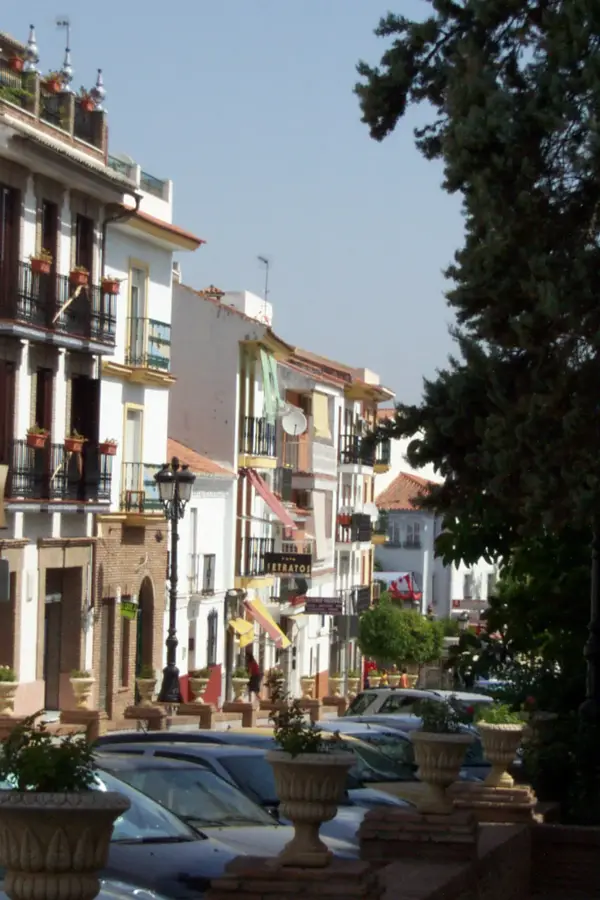
Wander away from the main squares to enjoy the tranquil Moorish architecture and flower-filled balconies.
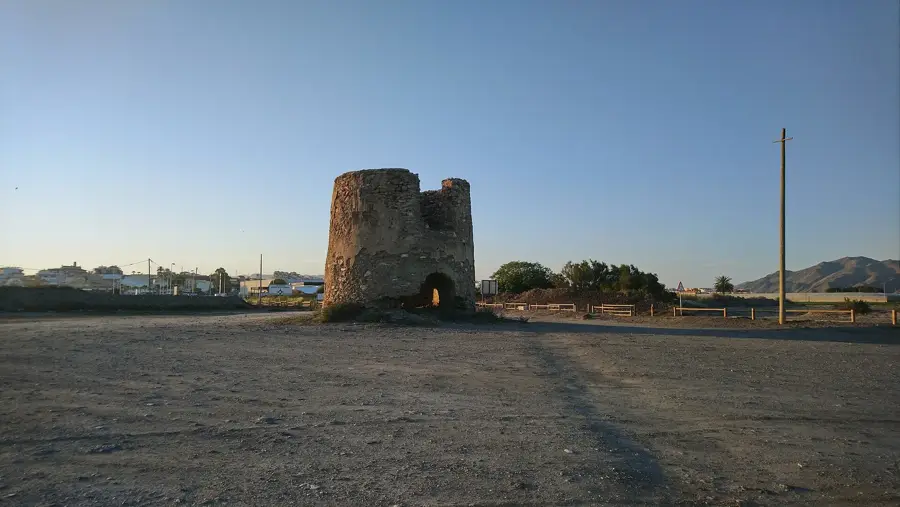
A more rugged, less developed beach area to the south, marked by a historic stone watchtower.
Water temperature…
Procession in honor of the Virgen del Rosario.
The main patron saint festivals with music, dance, and sporting events.
The old village is illuminated only by the light of thousands of candles.
Historical reenactment and parades celebrating the coexistence of cultures.
A traditional countryside picnic during Lent.
Traditional celebrations with the blessing of animals.
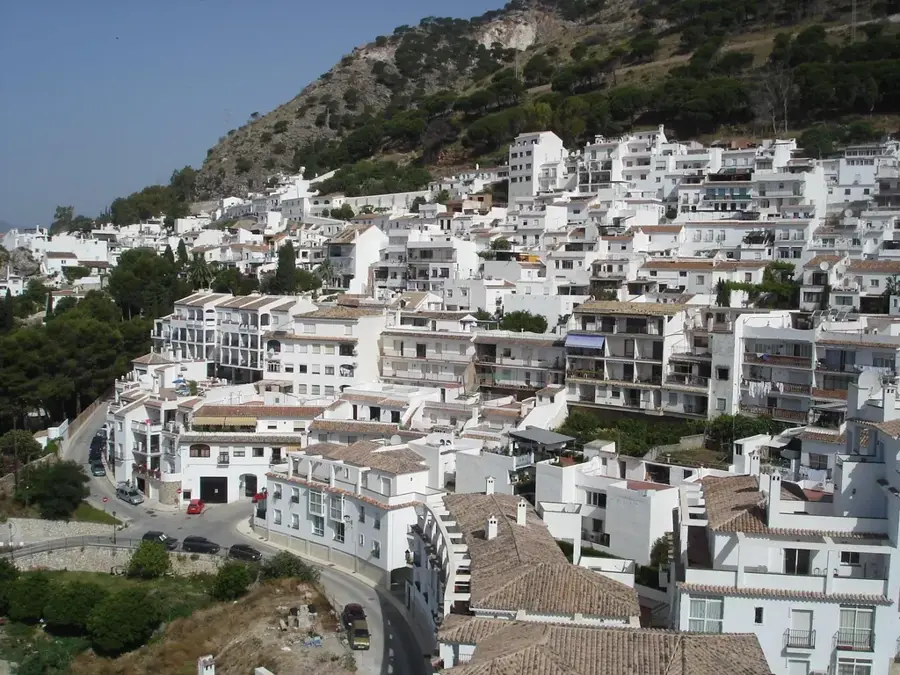
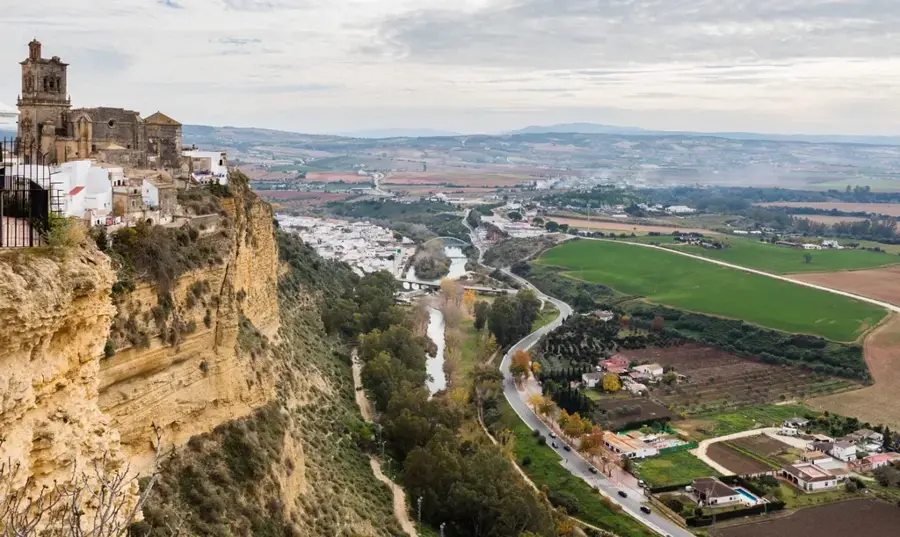
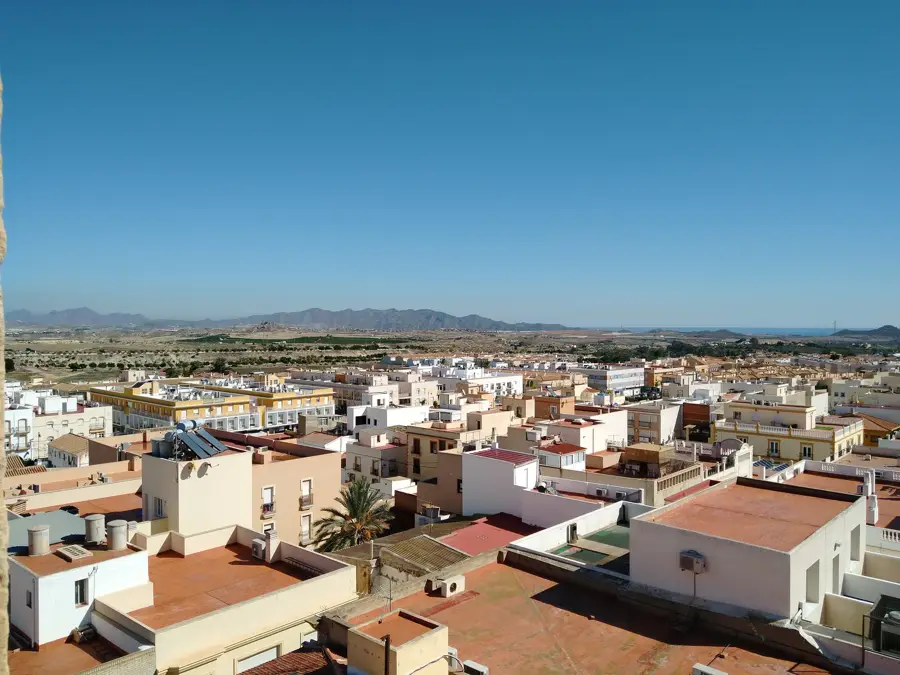
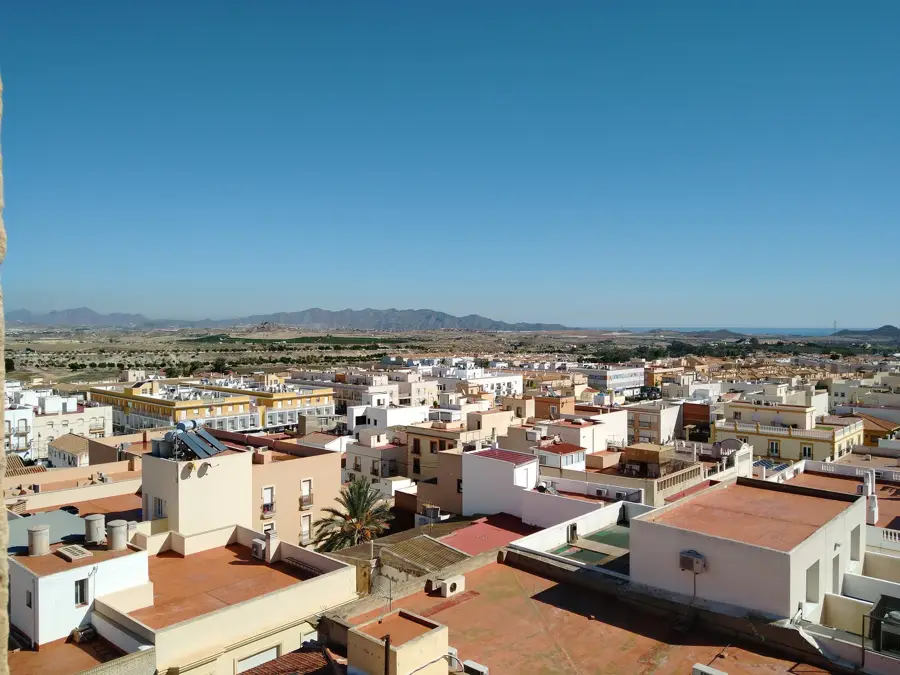
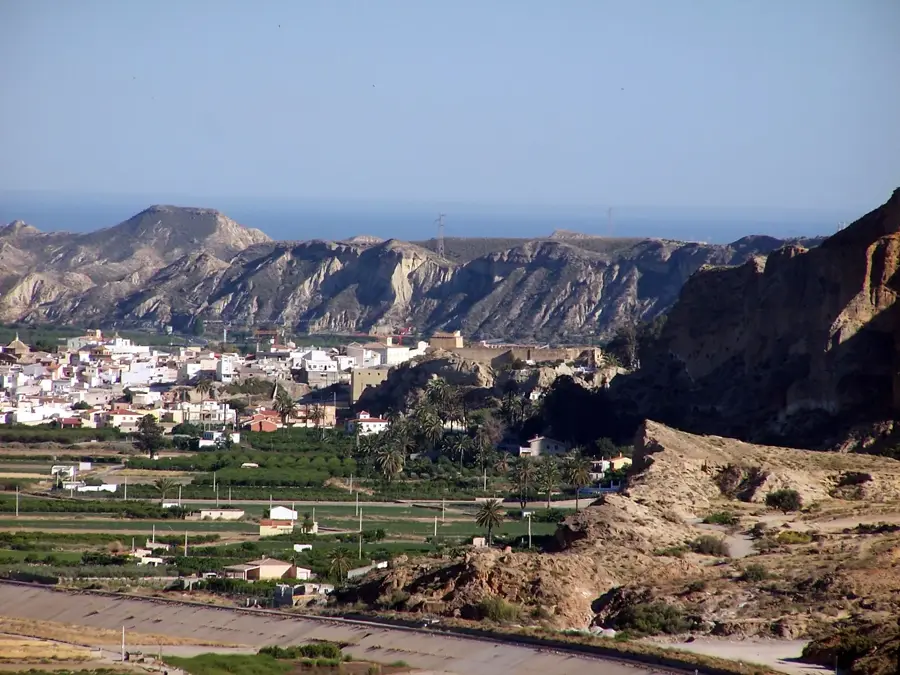
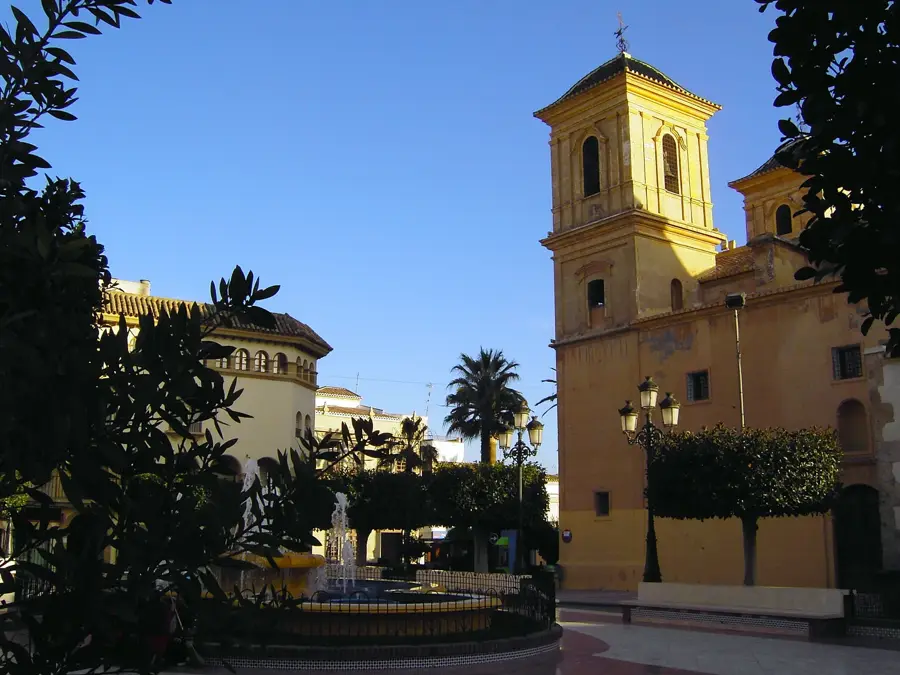
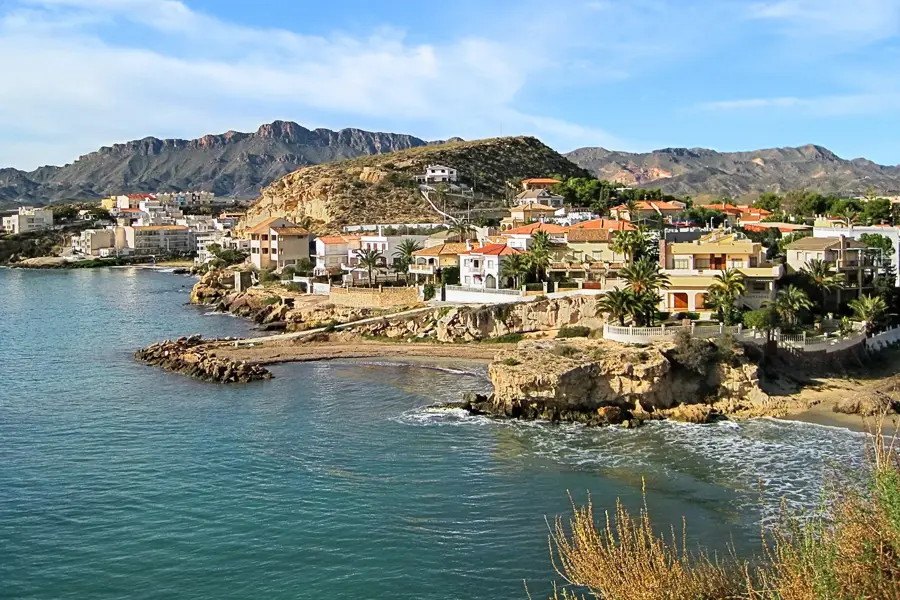
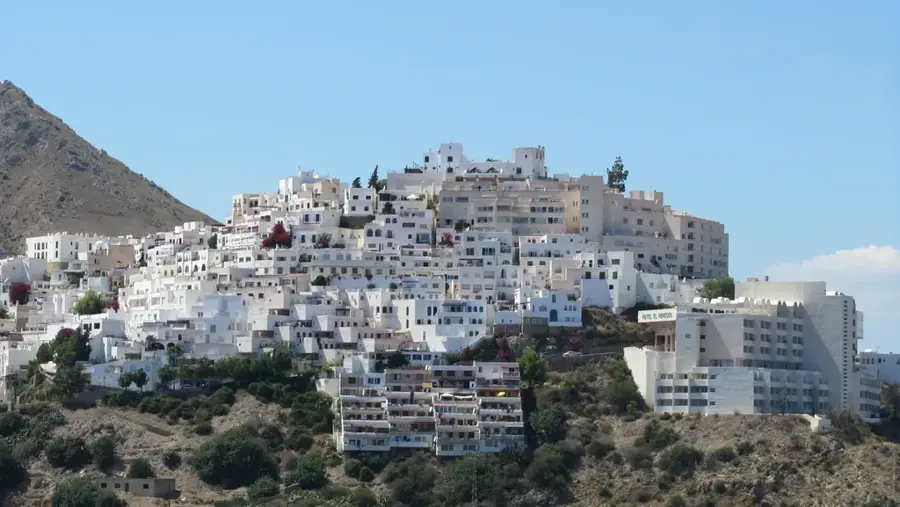
Dramatically situated on a rocky hilltop in the province of Almería, Mojácar stands out as a striking maze of whitewashed houses overlooking the arid landscape and the Mediterranean Sea. The town is divided into two distinct areas: the historic Mojácar Pueblo on the hill, and the modern Mojácar Playa along the coast. The historic center retains a profound Moorish influence, characterized by its labyrinthine, terraced streets and flat-roofed houses that seem to stack upon one another. The symbol of the town, the Indalo, is a prehistoric stick figure holding a rainbow, which can be seen painted on houses to bring good luck and ward off evil spirits. Exploring the Pueblo reveals pleasant squares like the Plaza Nueva, offering vast views of the Valley of the Pyramides. The fortified church of Santa María, built in the sixteenth century, resembles a stone fortress, reflecting the defensive needs of past eras. Just a short drive away, the coastal area features pristine beaches and the rugged Castillo de Macenas, an eighteenth-century watchtower. Be sure to try gurullos, a traditional local pasta dish cooked with rabbit or partridge.
The most pleasant time to visit is May, Jun, Oct.
| Jan | Feb | Mar | Apr | May | Jun | Jul | Aug | Sep | Oct | Nov | Dec | |
|---|---|---|---|---|---|---|---|---|---|---|---|---|
| Avg °C | 12 | 12 | 14 | 16 | 19 | 23 | 26 | 26 | 24 | 20 | 16 | 13 |
| Rain mm | 25 | 20 | 26 | 25 | 12 | 5 | 2 | 7 | 21 | 25 | 31 | 32 |
Notable places around
Where do you start? We build the route here, with stops and country notes along the way.
© OpenStreetMap contributors · OpenRouteService
Start your day in the heart of the white village at Plaza Nueva, where the view stretches across the valley to the coast. A short climb takes you to Mirador del Castillo, the highest point, to understand the village's layout. At midday, explore the religious silence of the Iglesia de Santa María, a former fortress against pirates. The afternoon is for the picturesque streets. Meet the marble Mojaquera statue and walk through the old city gate into the Arrabal district. Here, among the whitewashed walls and colorful geraniums, time seems to stand still. End your walk at Fuente Mora, the Moorish fountain where cool water has flowed for centuries, marking a site of deep historical significance.
Start the rainy morning at Plaza Nueva, where clouds hang low over the valley. The wide view is grey, but the atmosphere is quiet and authentic. At noon, the thick stone structure of Iglesia de Santa María offers perfect shelter from the downpours. Admire the cool interior while the rain drums on the cobblestones outside. In the afternoon, the white walls of the Arrabal district glisten in the damp light. The narrow streets look like a labyrinth of mirrors, where few passers-by hurry from cafe to cafe. End the day at Fuente Mora. The splashing of the fountain mixes with the rain, wrapping the historic washing place in a particularly melancholic and peaceful mood.
The winter morning in Mojácar is fresh and clear. At Plaza Nueva, enjoy the gentle December sun slowly warming the town while the tourist crowds are absent. At noon, the sun is low, casting long shadows through the alleys towards the church. It is the best time for architectural photos without the harsh glare of summer. In the afternoon, temperatures drop noticeably as soon as the sun disappears behind the hills. Arrabal looks almost magical in the golden hour before the early sunset. In the evening, the air fills with the scent of wood fires. At Fuente Mora, it is cool now, but the peace of the winter village is a unique experience.
This bike tour connects the mountain village with the wild coast. Start at Fuente Mora to fill your bottles, then coast down to the sea. The route takes you to the solitary Torre de Macenas, a witness to coastal defense. After the exertion, Playa del Sombrerico provides the perfect setting for a long break in the turquoise water. The return journey climbs steadily back to the village, where at El Torreón you can look out over the white roofs before finishing the day comfortably.
Start carefully at Fuente Mora. The wet roads require full concentration on the first meters downhill. The ride to Torre de Macenas follows the coast, where sea spray and rain create a raw, wild atmosphere. At noon, you reach Playa del Sombrerico. The beach is deserted, and the dark rocks provide a sharp contrast to the grey sea. The ride back to the Torreón is tiring, but the cool air prevents overheating during the final climb.
A cool morning at Fuente Mora. The fresh air is perfect for high performance without the summer heat. The coastal road to Macenas offers crystal clear views to the horizon in winter. The sun warms your back pleasantly. Thanks to mild temperatures, Playa del Sombrerico is a beautiful destination even in January for a short break in the sun. The climb to the Torreón in the afternoon is much more pleasant in winter. Enjoy the golden light on the old walls.
By car, you will discover the entire region around Mojácar. Start with an extensive tour of the Pueblo before taking the scenic coastal road south. A stop in the fishing village of Carboneras offers insight into maritime life. The highlight is Playa de los Muertos in the Cabo de Gata Natural Park, famous for its crystal-clear water. After a relaxed afternoon at the beach, drive back towards Mojácar and make a final stop at Torre de Macenas to admire the wild beauty of the coast in the late light.
A grey start in Mojácar Pueblo. Finding a parking spot is easier, but the roads are slippery. Arriving in Carboneras, the port offers a dramatic picture with waves crashing against the quay wall. Visiting Playa de los Muertos in the rain is a special experience. The steep descent requires sturdy shoes and caution. The drive back to Torre de Macenas in the mist reminds one of Nordic coastal landscapes, far from Spain's typical sun image.
A bright winter morning in the Pueblo. Visibility is so clear that you can spot every detail of the coast. It's quiet in Carboneras. Locals enjoy their coffee in the sun, a perfect moment for slowing down. Playa de los Muertos shows its best side in the low light. The descent is hardly tiring in the cool temperatures. The day ends at Torre de Macenas, where the sunset paints the sky in intense orange and purple tones.
Mojacar Playa thrives May to October, while Mojacar Pueblo charms year-round with mild winters. June and September deliver ideal temperatures and free viewpoint terraces. August sees the population explode, with even tapas bars needing reservations.
Very safe with minimal crime, though some seasonal car break-ins along Mojacar Playa. The mountain road between Playa and Pueblo is poorly lit and winding at night. Avoid climbing the 'El Sombrerico' beach rocks, they're crumbly.
Mojacar Pueblo hosts a big international community, with many galleries and bars English-speaking. In Indalo country, knowing the prehistoric stick-figure symbol makes for great small talk. 'Migas' is the local dish: toasted breadcrumbs with sausage and grapes.
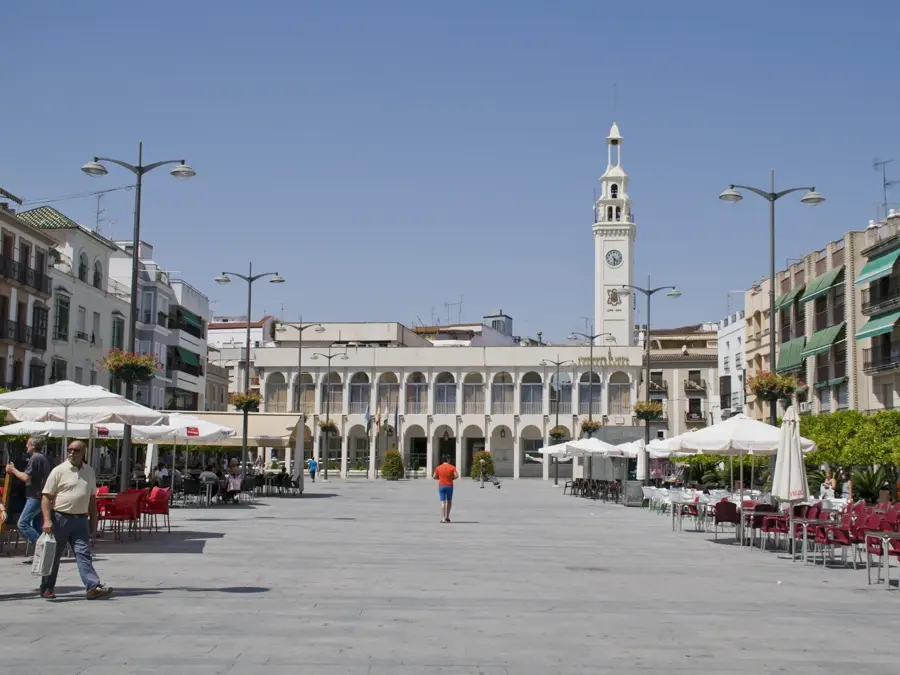
Perched high above the surroundings, the central square of Mojácar captivates with its spectacular panoramic views. From this vantage point, the eye wanders across the scenic valley all the way down to the sparkling coast. The spacious viewing platform is a wonderful spot to take in the vastness of the Spanish landscape. Arriving around sunset adds a truly special magic to the scenery.
This untouched natural bathing beach near Mojácar enchants visitors with its wild and rugged coastline. The raw coastal stretch once gained fame as a striking backdrop for famous films such as Orson Welles' Treasure Island. Bathers can swim in the ocean away from the crowds and sunbathe surrounded by nature. Arriving early in the day is recommended for a peaceful and undisturbed experience.