Festival of the Three Cultures
A 4-day event featuring music, a tapas route, and artisan markets highlighting Islamic, Jewish, and Christian historical influences.
PlizioGo
Fried eggplant drizzled with local sugar cane molasses (miel de caña). Try it at a tapas bar near the church.
Traditional kid goat dish. Best enjoyed in a local restaurant with a terrace overlooking the valley.
Buy a glass directly from one of the small local bodegas hidden in the old town.
The Ingenio Nuestra Señora del Carmen is Europe's only active molasses factory; buy a jar as a sweet souvenir.
The narrow streets of Barribarto have several small artisan shops selling colorful pottery.
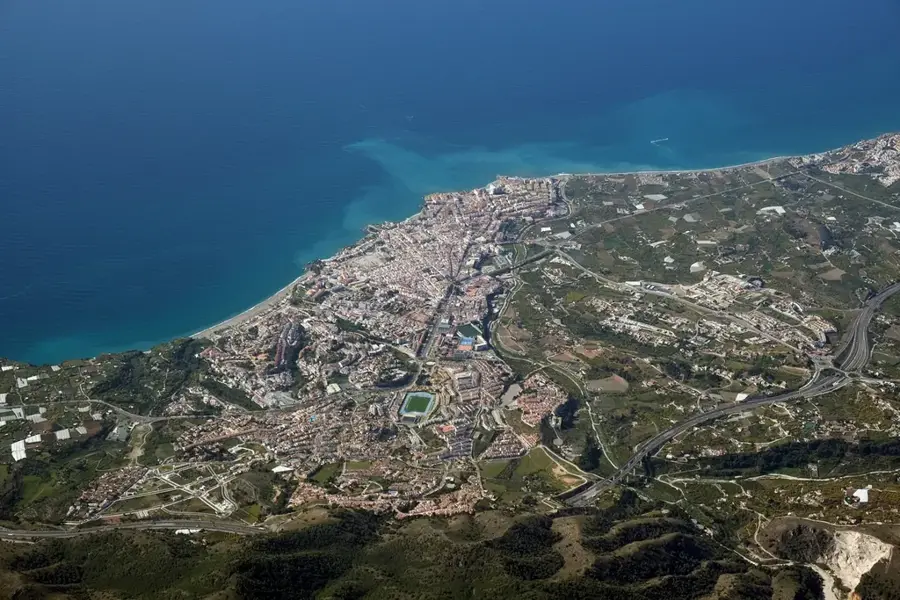
Climb the stairs to the top of the village for a panoramic view of the coast and the surrounding mountains.
A terraced garden detailing plants historically used in the area for making baskets, perfume, and medicine.
Water temperature…
A 4-day event featuring music, a tapas route, and artisan markets highlighting Islamic, Jewish, and Christian historical influences.
The annual town fair honoring the patron saint, featuring a daytime procession, traditional flamenco dresses, and evening concerts.
Neighborhoods decorate large crosses with local flowers, accompanied by traditional dances and local wine sharing.
An event dedicated to the only sugar cane honey factory in Europe, offering guided tours, cooking demonstrations, and tastings.
Religious processions through the white-washed streets, marked by solemn music and the carrying of religious figures.
A winter festival featuring street parades, costume contests, and musical performances in the historic center.
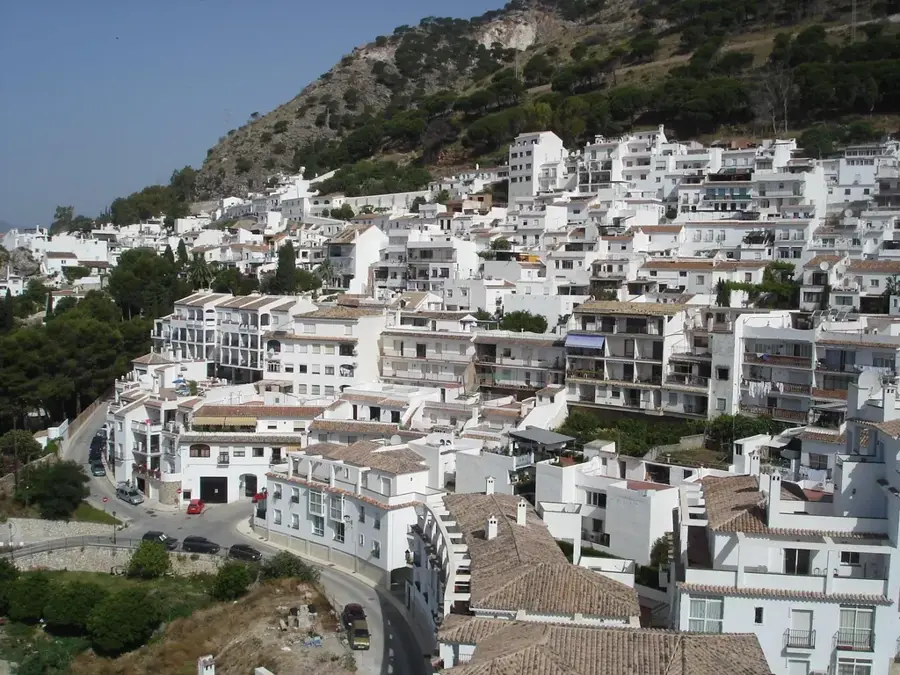
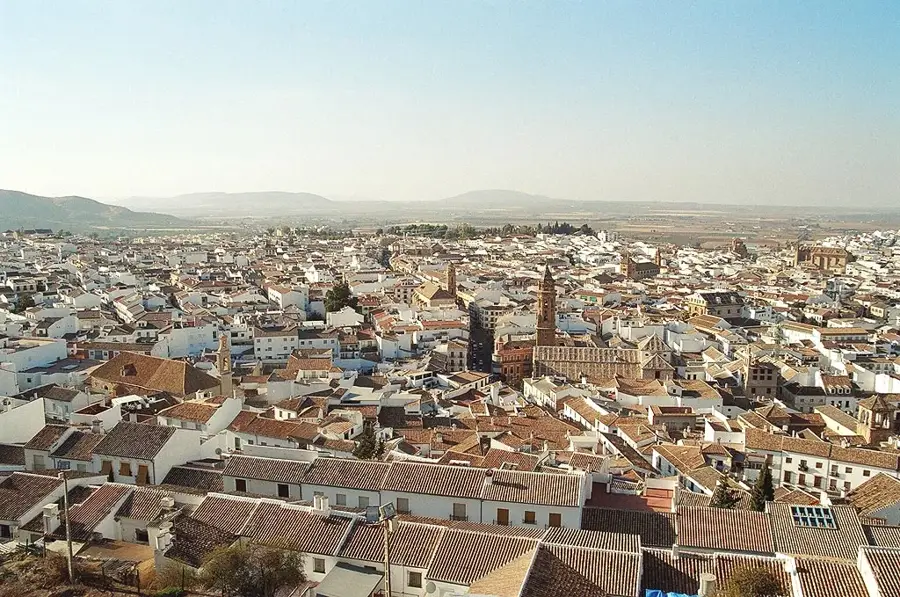
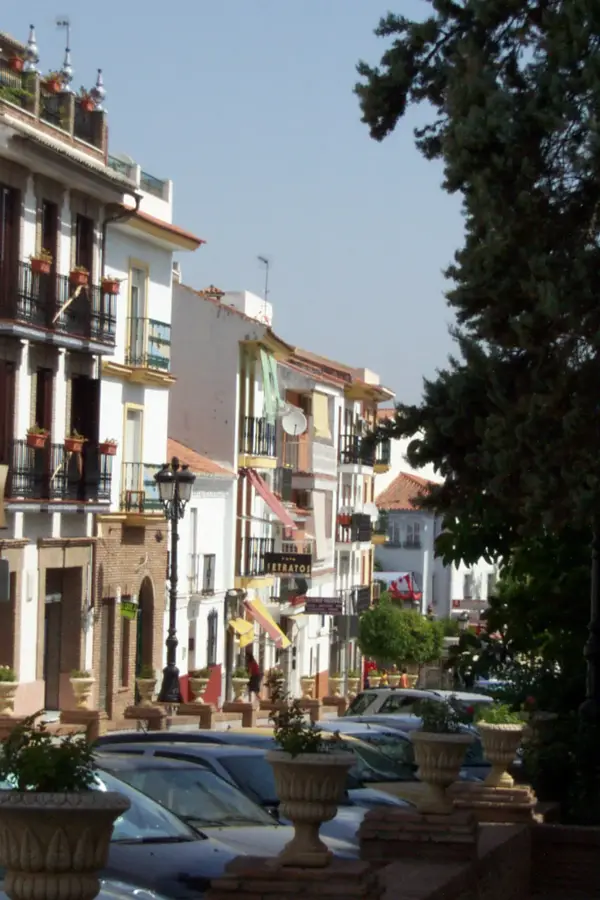
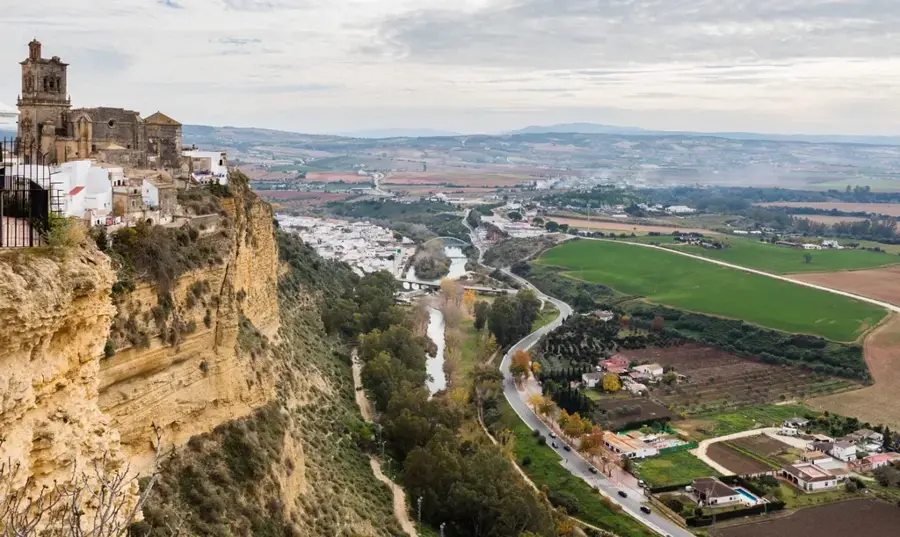
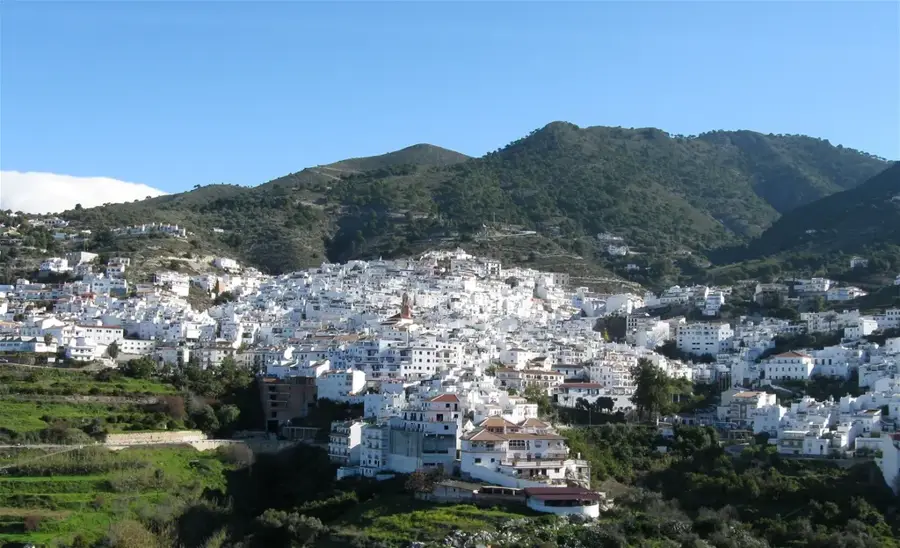
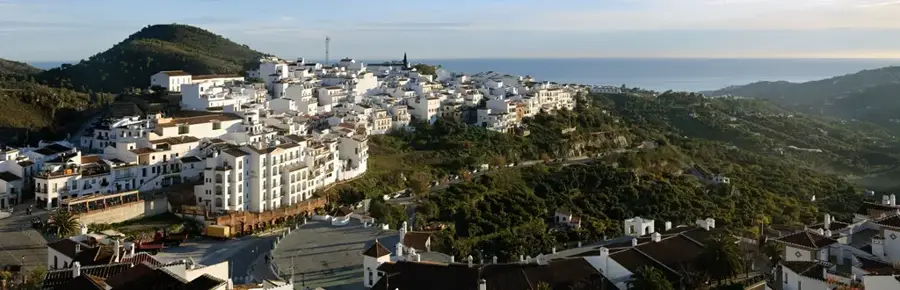
Frigiliana is frequently voted one of the most beautiful villages in Spain and is a prime example of an Andalusian 'Pueblo Blanco'. Tucked away at the foot of the Almijara Mountains, the old town, known as the Moorish Quarter (Barrio Morisco), is a labyrinth of steep, narrow streets paved with intricate pebble mosaics. The whitewashed houses are decorated with bright flower pots and blue shutters, making every corner a photo opportunity. Throughout the village, 12 ceramic plaques recount the story of the Moorish uprising of 1569. Frigiliana is unique for housing Europe's only remaining molasses factory (Miel de Caña), located in the 16th-century El Ingenio manor house. Each August, the town hosts the Three Cultures Festival, celebrating the peaceful coexistence of Christian, Jewish, and Muslim traditions through music, crafts, and food. The white mountain village was affected by the 2024-2025 Málaga-wide drought, with water restrictions and irrigation bans. The charm of the narrow lanes and Moorish quarter remains unchanged.
The most pleasant time to visit is May, Jun, Sep.
| Jan | Feb | Mar | Apr | May | Jun | Jul | Aug | Sep | Oct | Nov | Dec | |
|---|---|---|---|---|---|---|---|---|---|---|---|---|
| Avg °C | 8 | 9 | 11 | 14 | 18 | 23 | 26 | 26 | 22 | 17 | 11 | 9 |
| Rain mm | 40 | 43 | 56 | 42 | 24 | 4 | 1 | 3 | 26 | 47 | 61 | 53 |
See what it looks like near Frigiliana right now.
Nerja › South: Burriana Beach - Beach · 5.2 km · Open webcam on Windy · Webcams provided by Windy.com
Notable places around
Where do you start? We build the route here, with stops and country notes along the way.
© OpenStreetMap contributors · OpenRouteService
Start your day at the lively Plaza de las Tres Culturas, the gateway to the historic center. Then visit El Ingenio, where cane honey has been produced for centuries. Midday belongs to the Barribarto district with its steep, white alleys. After a break in the shade of San Antonio Church, enjoy the views from the Mirador. End the tour at the museum to understand the deep history of this Andalusian jewel.
Start the morning at the central square. Despite the rain, the white village has a unique charm; the humid air brings out the scent of the Mediterranean. At noon, visit the old sugar factory, a great place to stay dry and learn about the industrial past. In the afternoon, explore the narrow streets; the wet cobblestones shine, reflecting the white walls. Spend the evening sheltered in the church or museum.
The air is crisp and clear in the morning at the main square. At noon, the mild sun warms the white walls, making it perfect for climbing the steep streets without the summer heat. In the afternoon, take in the views from the miradors; winter visibility is often better than in summer. As the sun sets early, the village lights come on, creating a magical atmosphere.
This bike tour takes you to the outposts of Frigiliana. Start in the center and cycle to the historic Pósitos. The route to Fuente Vieja offers cooling water. After visiting the remote Ermita, challenge yourself with the climb to Castillo de Lizar, where you can overlook the entire valley.
Cycling in the rain requires caution but offers a refreshing perspective. Start at the square, then visit the historic granaries. The white facades shine silvery in the rain. At noon, seek shelter near Fuente Vieja and the chapel. The climb to the castle is challenging in the wet, but the view of the cloudy sea is dramatic.
Winter is the best time for cycling in Andalusia. No heat, clear air. Start at the square and ride to Reales Pósitos. The mild noon sun makes the tour to Fuente Vieja pleasant. In the afternoon, head to the Ermita and up to the castle. The light just before sunset paints the white houses in warm tones.
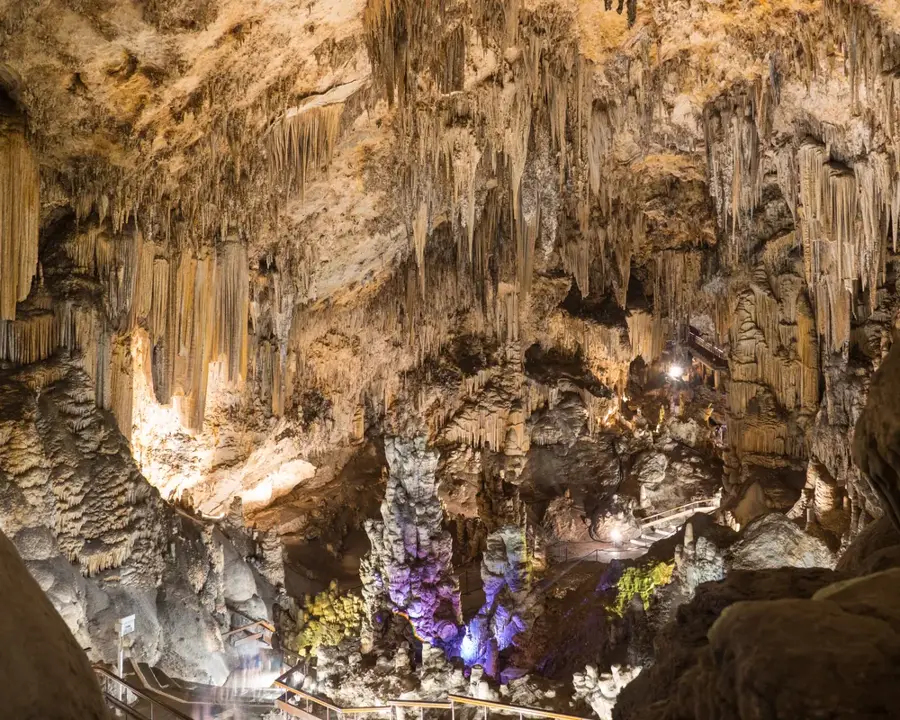
Use the car to combine Frigiliana with nearby natural wonders. After visiting the El Ingenio factory, drive to the famous Nerja caves. Return to Frigiliana to spend the afternoon at the Plaza de las Tres Culturas and end the day at the peaceful Ermita.
By car, the Frigiliana region can be comfortably explored even in the rain. Start at the factory, then visit the granaries. A highlight is the Nerja Caves – weather doesn't matter underground. Back in Frigiliana, enjoy the square's atmosphere from a nearby cafe before visiting the Ermita.
Winter is ideal for a car tour around Frigiliana. Roads are emptier and the light is perfect. Start at the factory, then visit the Pósitos. The Nerja Caves offer a pleasant warmth. In the afternoon, enjoy the view from the square and visit the Ermita. The clear winter light makes the coast seem within reach.
April, May, September and October are perfect for wandering the white lanes. August brings heat and day-trippers from Nerja, winter stays quiet and mild, the Tres Culturas festival happens in late August.
Frigiliana is very safe, no city traffic, no nightlife risks. The main hazard is the extremely steep stepped lanes, wear proper shoes and don't wander in the dark, park down at the main car park and walk up.
Frigiliana is famed as 'Andalusia's prettiest village' and many foreigners live here, so English works fine. In the Moorish quarter with its painted floor tiles traditional Spanish dominates, and 'que bonito pueblo' is music to locals' ears.
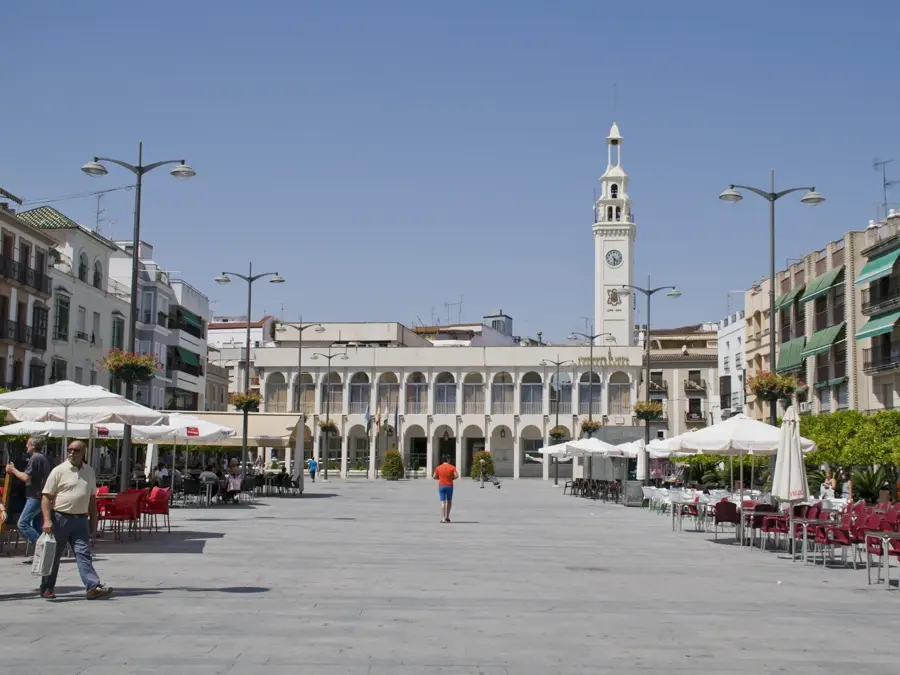
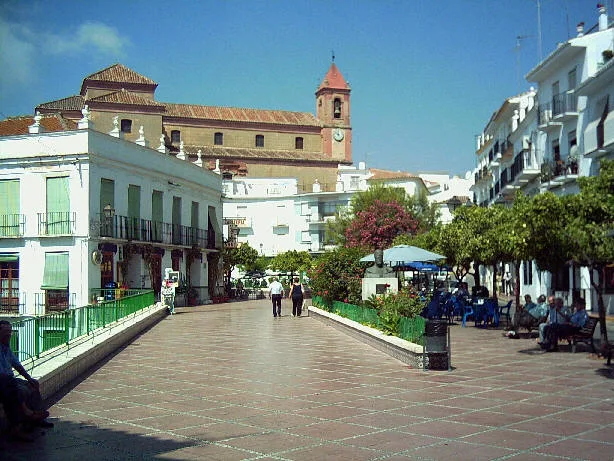
Plaza de las Tres Culturas is picturesquely situated in the heart of Frigiliana, telling the story of a deeply rooted historical unity. This meaningful square breathes a quiet, reverent atmosphere that commemorates the peaceful coexistence of Christians, Muslims, and Jews. On a stroll, guests can enjoy the impressive views of the surrounding landscape and take a moment to linger. It is the excellent starting point to explore the winding, white streets of the mountain village.