Plizio Visual Lab
Olifants River
Weather…
Water temperature…
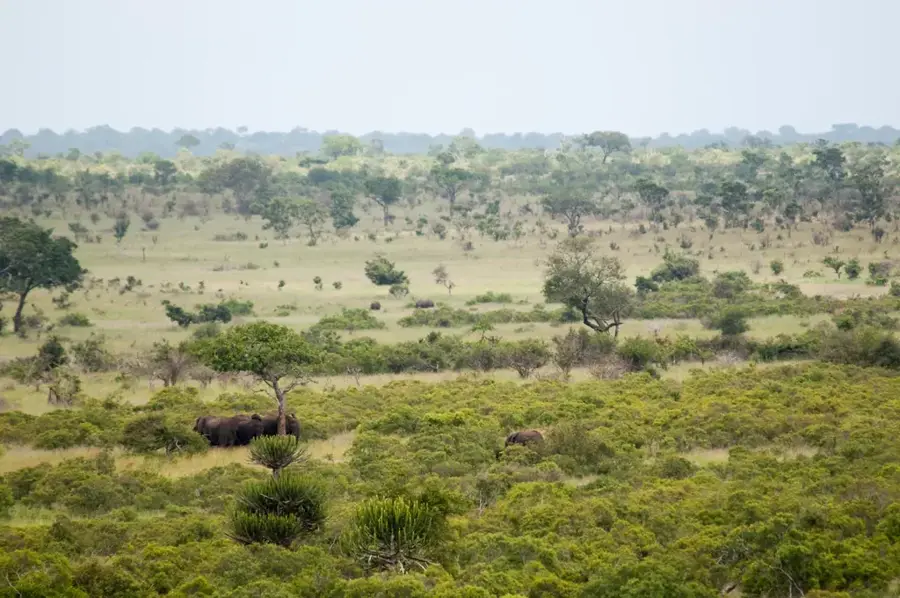
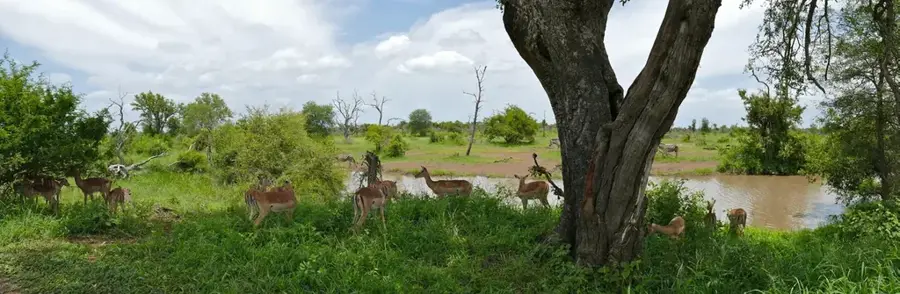
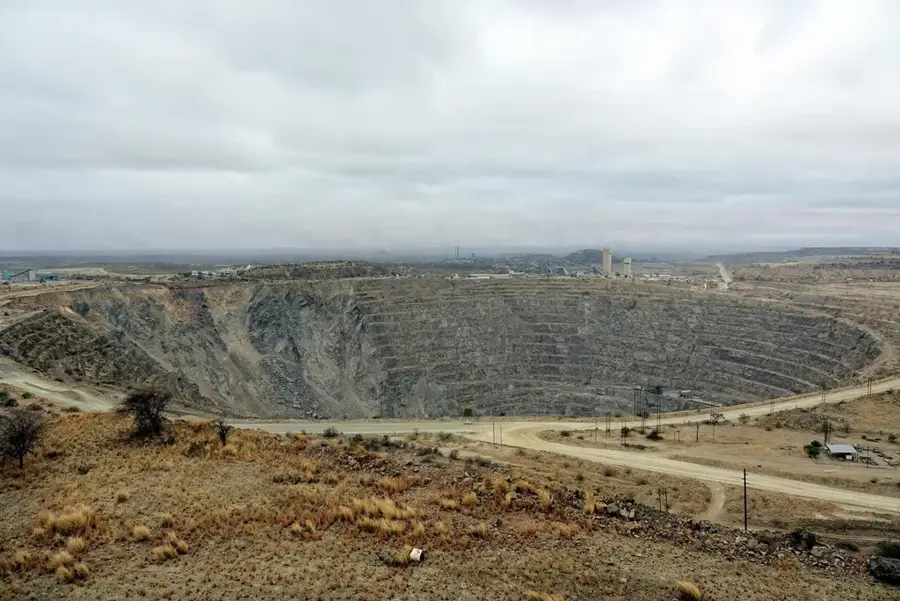
The Olifants River is one of the most vital watercourses in southern Africa, spanning approximately 560 kilometers from its source to its confluence. It originates in the Highveld near Bethal in Mpumalanga province and flows northeast through the Drakensberg mountains and the Kruger National Park. The river eventually enters Mozambique, where it joins the Limpopo River before reaching the Indian Ocean. Its drainage basin covers approximately 54,000 square kilometers, supporting extensive commercial agriculture, mining operations, and hydroelectric projects. Historically, the river served as a critical resource for indigenous populations and a primary water source for vast herds of migrating wildlife. Today, major structures like the Loskop Dam and Flag Boshielo Dam regulate its flow to provide water for irrigation in the fertile Loskop Valley. Despite environmental pressures from industrial runoff, the river remains a cornerstone of the regional ecosystem, hosting large populations of crocodiles and hippos.
- Location: South Africa
- Top sights: Rabelais Museum · N'wamatsatsa Waterhole Viewpoint · Manyeletiwildtuin
- Nearby: Hoedspruit (63 km)
Best time to visit & climate
The most pleasant time to visit is May, Aug, Sep.
| Jan | Feb | Mar | Apr | May | Jun | Jul | Aug | Sep | Oct | Nov | Dec | |
|---|---|---|---|---|---|---|---|---|---|---|---|---|
| Avg °C | 25 | 25 | 24 | 22 | 20 | 17 | 17 | 19 | 22 | 24 | 25 | 25 |
| Rain mm | 121 | 88 | 85 | 48 | 11 | 7 | 7 | 7 | 17 | 45 | 86 | 110 |
📋 Practical info
Geography
Facts
- The river's source is located at an altitude of roughly 1,600 meters above sea level.
- Its total drainage basin covers an area of approximately 54,262 square kilometers.
- In Mozambique, the river is officially referred to as the Rio Olifants.
- The construction of the Loskop Dam was completed in 1939 for irrigation purposes.
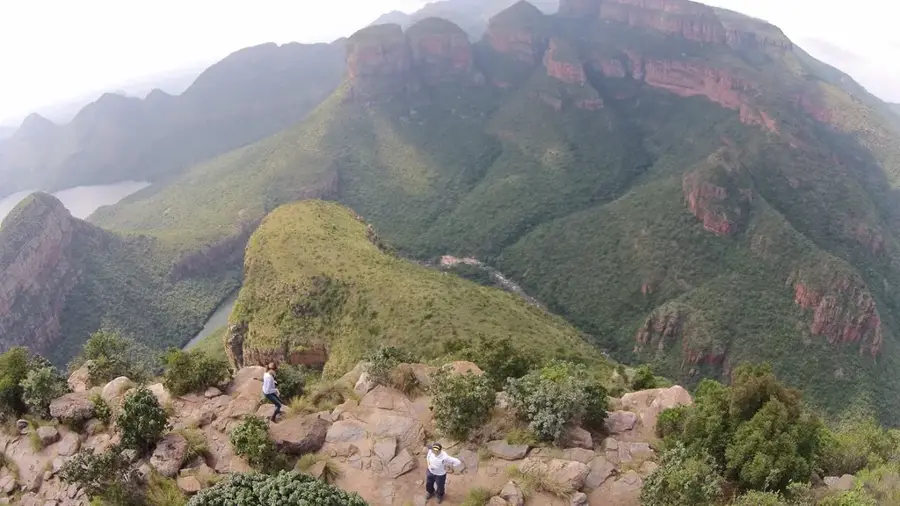
- The river forms the northern boundary of the famous Blyde River Canyon.
- It provides a vital lifeline of fresh water for the wildlife in Kruger National Park.
Explore nearby
Notable places around

Route planner — Car & Motorhome
Where do you start? We build the route here, with stops and country notes along the way.
© OpenStreetMap contributors · OpenRouteService
Sights in the town Olifants River (4)
Sights nearby
Frequently asked questions
What is special about the Olifants River?
Can you take boat tours?
Is it safe to swim?
Where is the best view?
How is the fish population?
Olifants River: where is it located?
Olifants River: what is there to see?
Olifants River: when is the best time to visit?
Olifants River: why is it worth visiting?
Nearby cities
History & landmarks
Nature
More places