Plizio Visual Lab
Safotulafai
ℹ️Practical info — Safotulafai
▾
🌤 Weather — 5 days
📍 Nearby
Sights nearby
💡 Tips
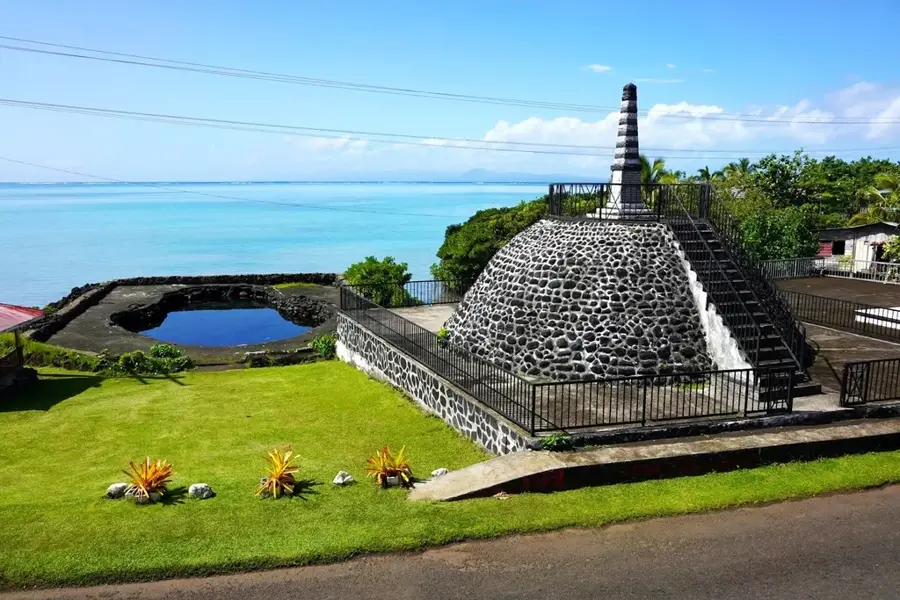
- Visit the historic Malae (meeting ground), the epicenter of Samoa's non-violent Mau independence movement.
- Dress modestly in this highly traditional village (keep shoulders and knees covered, ideally with a Lavalava).
- Always ask permission from village elders (Matai) before photographing historic monuments or private dwellings.
- Read up on the history of the Mau movement beforehand, as on-site informational signage is very limited.
🍽 Food
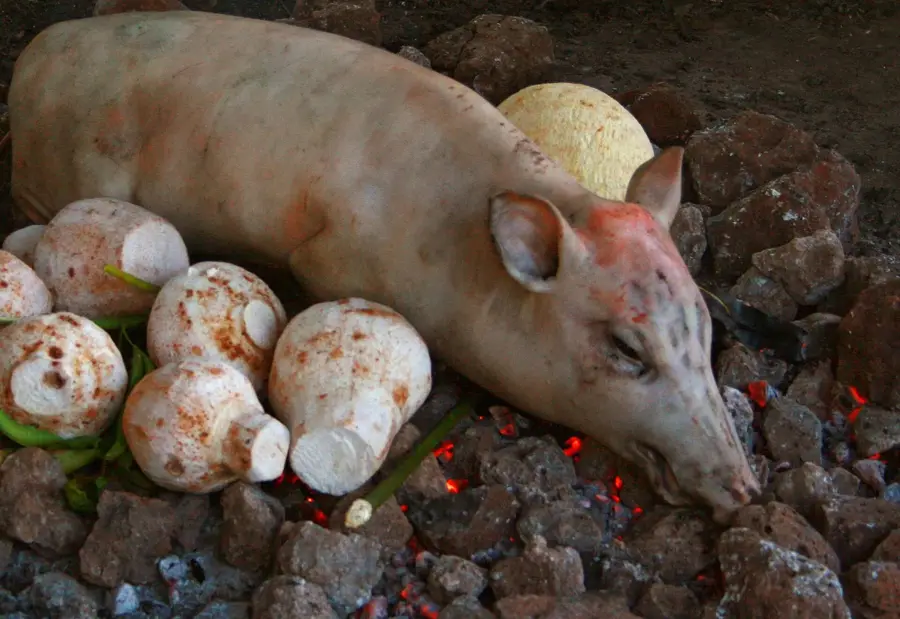
Traditional taro root baked in an earth oven, commonly served during village feasts.
Buy ready-to-drink young coconuts from small stalls lining the main village road.
A rich dish of young taro leaves and coconut cream, often prepared for Sunday meals.
🛍 Shopping · 🧘 Quiet spots
Support the village economy by purchasing papaya, bananas, or root crops from roadside tables.
If lucky, you might spot women weaving; occasionally small traditional handicrafts are available for sale.
A vast, quiet grassy expanse steeped in history; well-suited for a moment of quiet reflection.
Find shade under the massive, ancient trees that have sheltered village meetings for generations.
Water temperature…
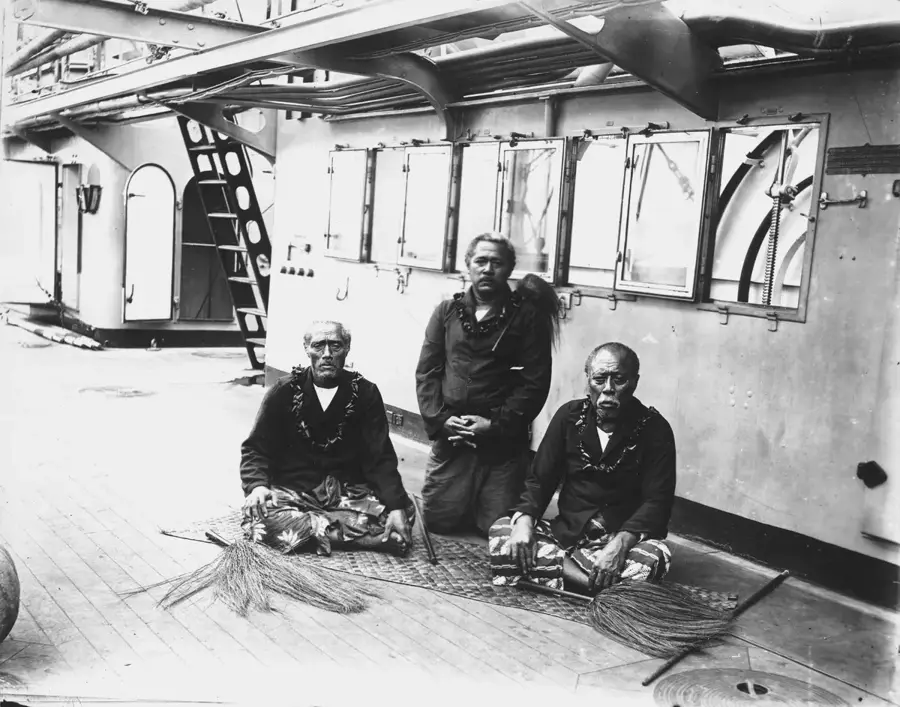
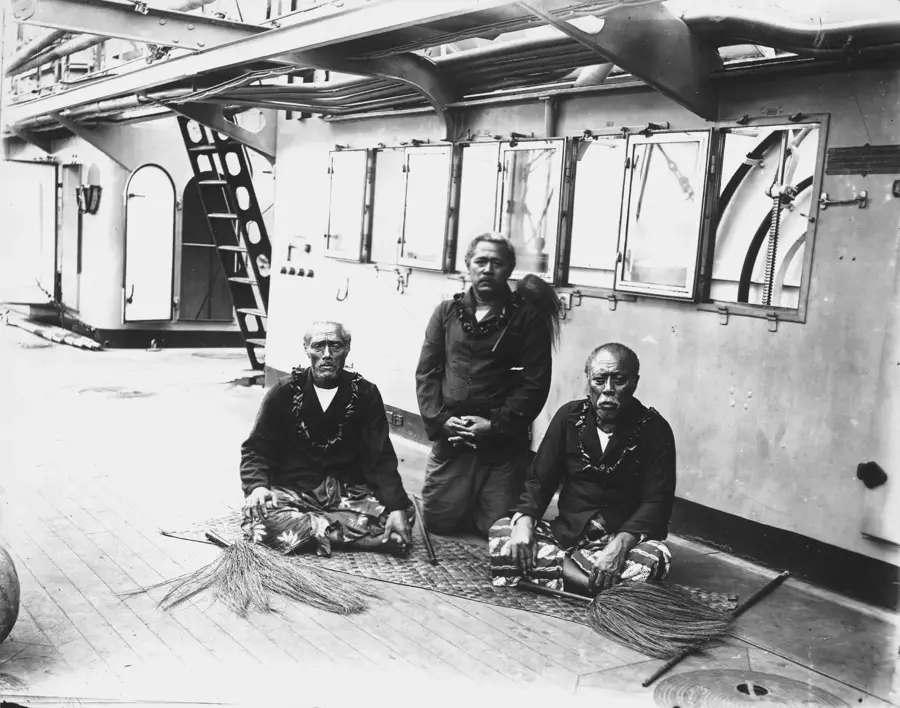
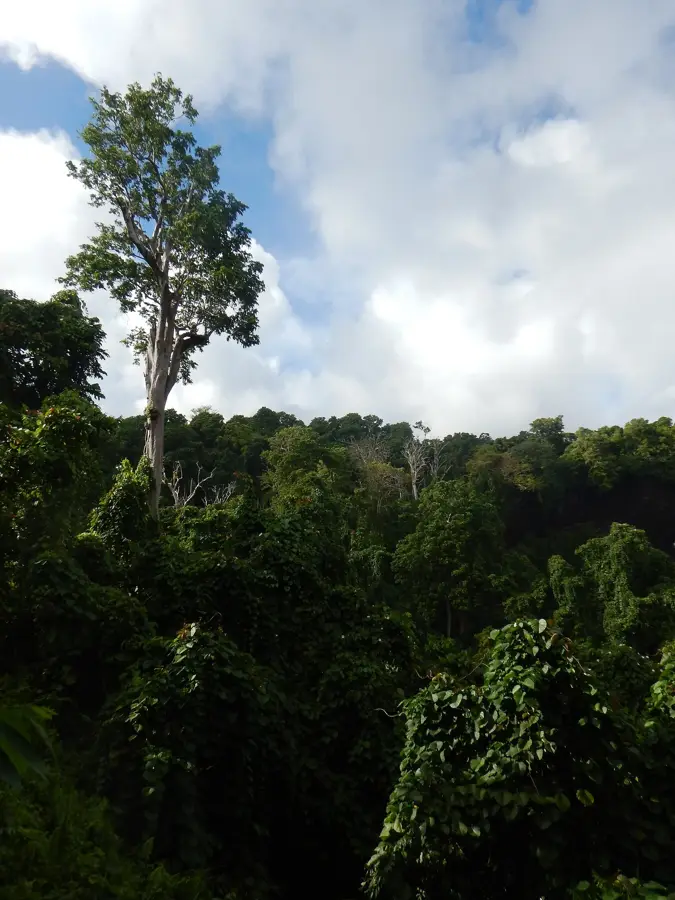
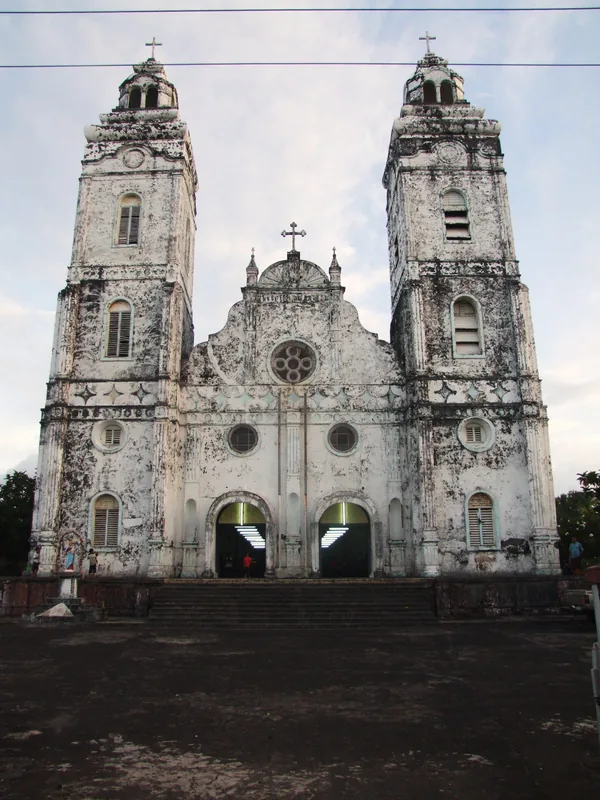
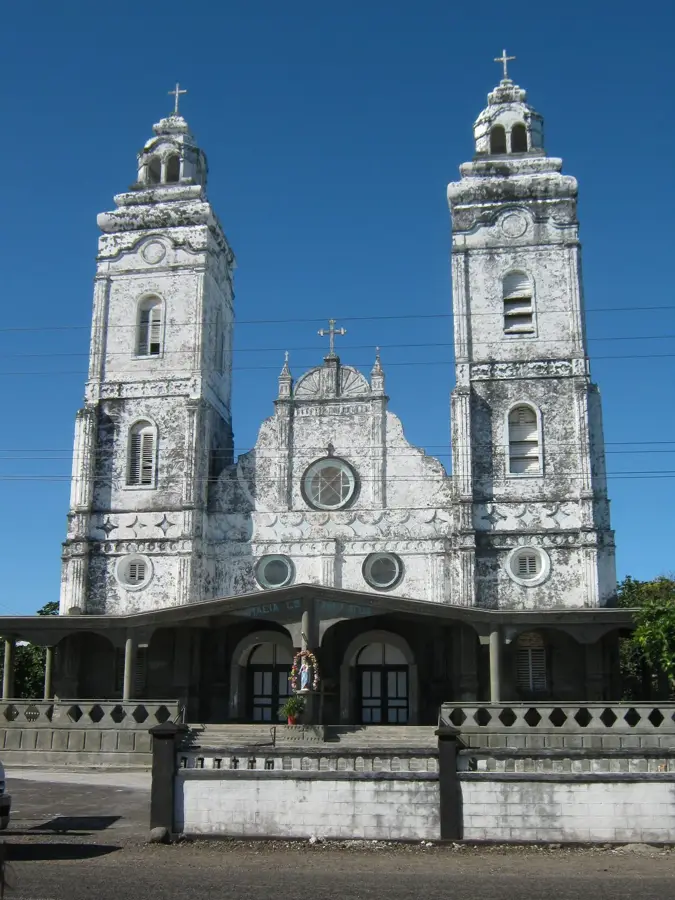
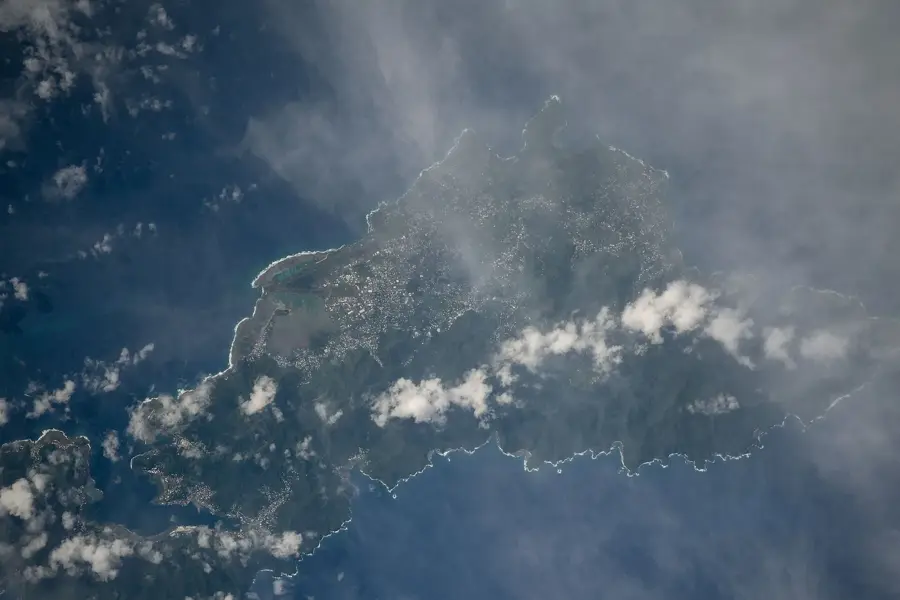
Safotulafai is a historically significant village located on the eastern coast of Savai'i island in Samoa, serving as the traditional capital of the Fa'asaleleaga district. The village holds high ceremonial status within Samoan society as it is one of the seats of the 'Pule,' representing traditional authority over the island. Historically, Safotulafai was a focal point of resistance against colonial powers, particularly during the German administration when the Mau movement was initiated here by the orator Lauaki Namulau'ulu Mamoe. Geographically, the area is defined by its coastal location and fertile volcanic soils that have supported local subsistence for generations. The village is renowned for its large meeting houses where crucial district decisions are made by the council of chiefs. Religious influence is prominent, evidenced by the large stone churches built by early Christian missions. Today, the village balances its deep-rooted cultural heritage with modern developments, while fishing and agriculture continue to be the primary economic activities for the inhabitants.
- Location: Samoa
- Nearby: Salelologa (7 km)
- Population: ~87
Best time to visit & climate
The most pleasant time to visit is Jul–Sep.
| Jan | Feb | Mar | Apr | May | Jun | Jul | Aug | Sep | Oct | Nov | Dec | |
|---|---|---|---|---|---|---|---|---|---|---|---|---|
| Avg °C | 28 | 28 | 28 | 28 | 28 | 28 | 27 | 27 | 27 | 28 | 28 | 28 |
| Rain mm | 256 | 238 | 159 | 159 | 127 | 98 | 80 | 61 | 95 | 143 | 209 | 220 |
Geography
Facts
- Safotulafai is the birthplace of the Mau resistance movement against colonial rule.
- The village serves as the traditional political center of the Fa'asaleleaga district.
- It is one of the six 'Pule' sites on Savai'i, holding significant oratorical authority.
- Lauaki Namulau'ulu Mamoe, a famous Samoan orator, was from this village.
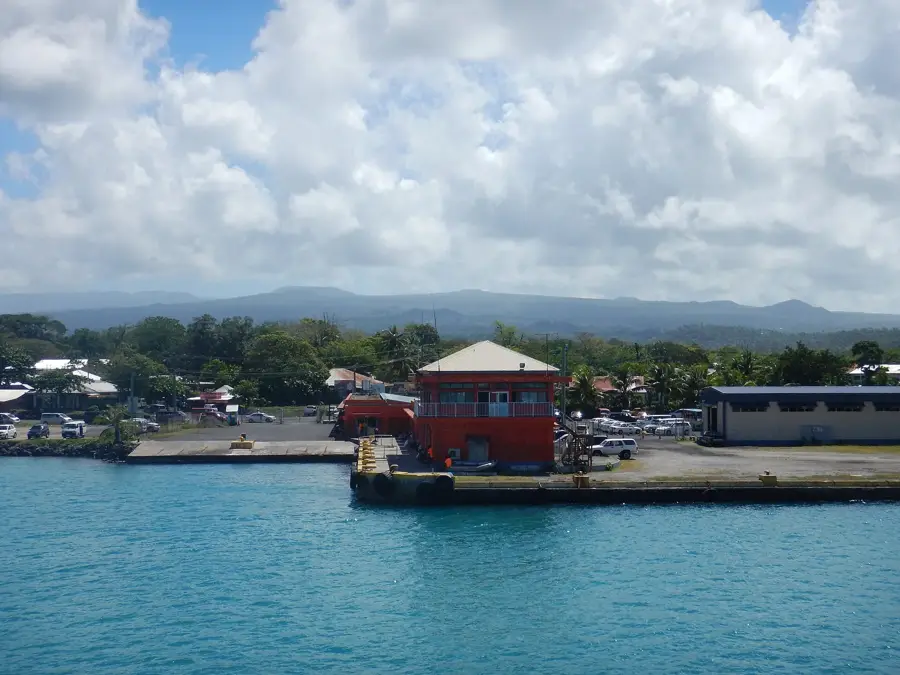
- The settlement is strategically located near the Salelologa ferry terminal.
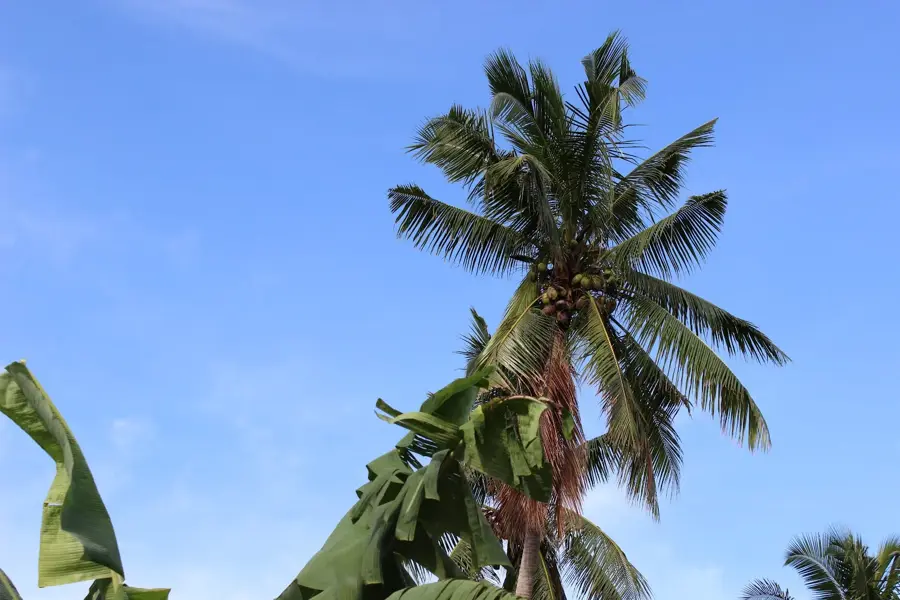
- Local subsistence is primarily based on the cultivation of taro and coconuts.
Explore nearby
Notable places around


Route planner — Car & Motorhome
Where do you start? We build the route here, with stops and country notes along the way.
© OpenStreetMap contributors · OpenRouteService
Frequently asked questions
What characterizes Safotulafai?
How much time should I spend for a visit?
When is the best time to travel?
How to reach Safotulafai?
Is the place family-friendly?
Safotulafai: where is it located?
Safotulafai: when is the best time to visit?
Safotulafai: why is it worth visiting?
Nearby cities

More places