Plizio Visual Lab
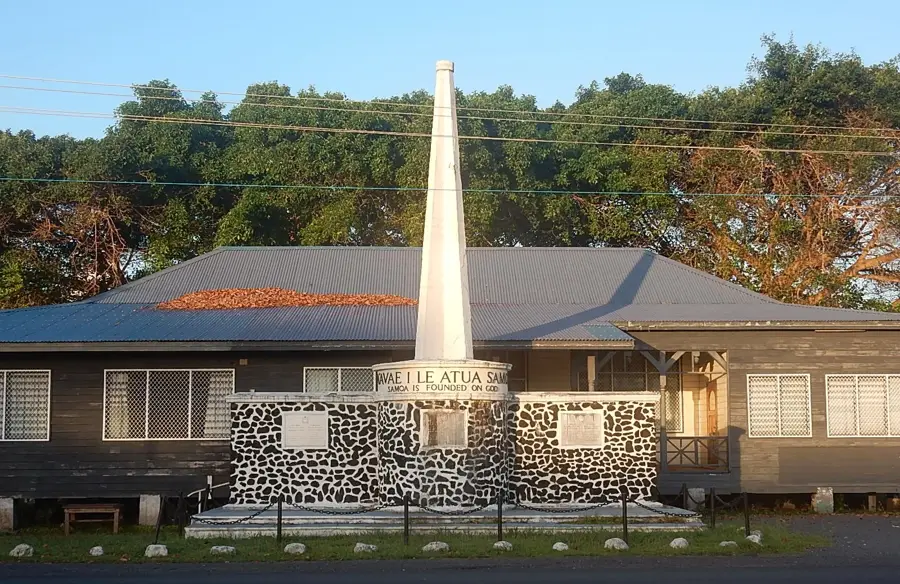
German Colonial Monument
Weather…
Water temperature…
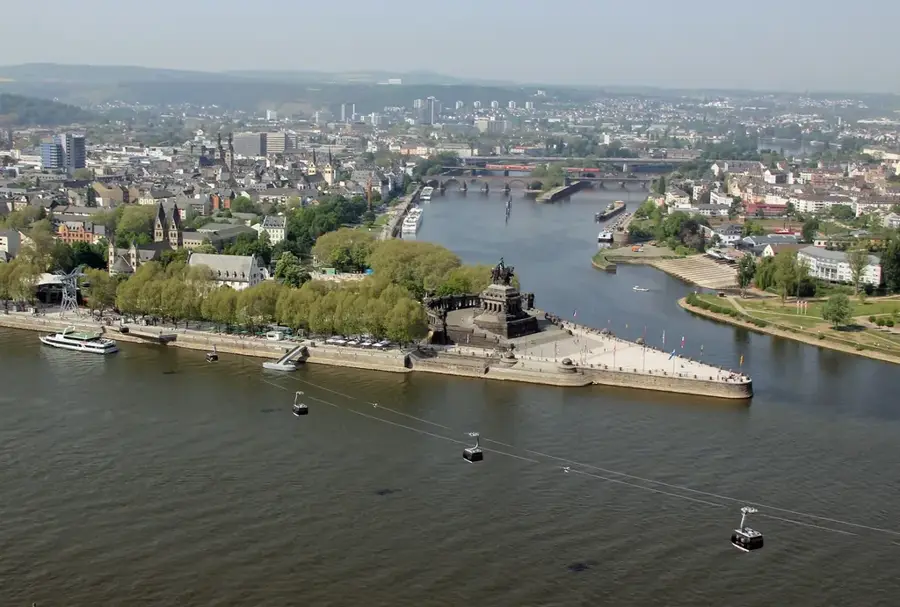
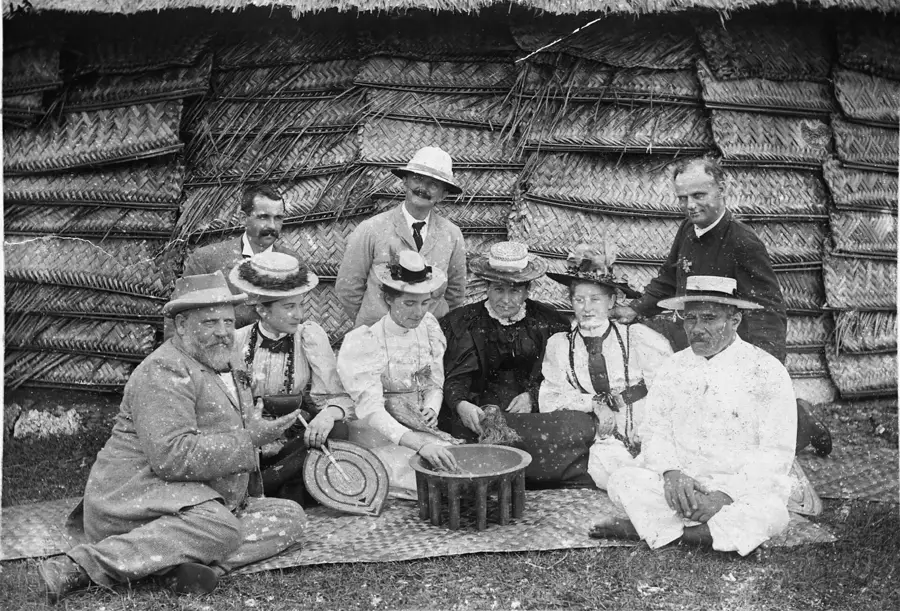
The German Colonial Monument on the Mulinu'u Peninsula near Apia commemorates the period from 1900 to 1914 when Western Samoa was under German administration. Following the division of the archipelago in the Treaty of Berlin, the German flag was first hoisted at Mulinu'u on March 1, 1900, marking the beginning of an era that durably shaped Samoa's infrastructure and legal order. The monument stands at that historical site and consists of a simple stele bearing the names of significant officials and the date of possession. During the German era, extensive plantations for copra and cocoa were established, leading to a massive economic transformation. Despite the short duration of colonial rule, the Germans left a legacy in the form of road construction, schools, and the introduction of the German legal system, parts of which still resonate today. For historians, the monument serves as an important reference point for researching colonial power relations in the Pacific and the interaction between European powers and Samoan governing structures.
- Location: Samoa
- Top sights: Vaitoloa Assembly of God · Vaitoloa Church of Jesus Christ and the Latter Day Saints · Vaiusu Catholic Church
- Nearby: Vaiala Tai (4 km)
Best time to visit & climate
The most pleasant time to visit is Jul–Sep.
| Jan | Feb | Mar | Apr | May | Jun | Jul | Aug | Sep | Oct | Nov | Dec | |
|---|---|---|---|---|---|---|---|---|---|---|---|---|
| Avg °C | 28 | 28 | 28 | 28 | 28 | 27 | 27 | 27 | 27 | 27 | 27 | 28 |
| Rain mm | 258 | 241 | 165 | 169 | 128 | 91 | 75 | 56 | 92 | 141 | 213 | 229 |
📋 Practical info
Geography
Facts
- Wilhelm Solf served as the first German governor from 1900 to 1911.
- The official flag-raising ceremony occurred on March 1, 1900, at 10:30 AM.
- The monument is located in immediate proximity to the Samoan Parliament.
- During the German era, Apia became the most important trading port in the region.
- The Germans introduced the first systematic cadastral surveys.
- In 1914, the administration was taken over by New Zealand at the start of WWI.
Explore nearby
Notable places around

Route planner — Car & Motorhome
Where do you start? We build the route here, with stops and country notes along the way.
© OpenStreetMap contributors · OpenRouteService
Sights in the town German Colonial Monument (10)
Vaiusu Catholic Church
Catholic church in Vaiusu. Roman Catholic services.
Western Samoa 1962 Independence Memorial
Monument in Apia commemorating Western Samoa's independence in 1962. Symbol of national sovereignty.
Mulinu'u Nature Reservce
Nature reserve in Mulinu'u, Apia. Protects local flora and fauna.
Mulinu'u Point Nature Reserve
Nature reserve at Mulinu'u Point, Apia. Coastal vegetation and birdlife.
Ceremonial 21-Gun Salute Gift from New Zealand
Gift from New Zealand to Samoa: a cannon for 21-gun salutes. Located in Apia.
Apia Samoa Temple
Temple of The Church of Jesus Christ of Latter-day Saints in Apia. Consecrated Mormon building.
Sights nearby
Frequently asked questions
What is the German colonial monument?
Where exactly is it located?
Is the visit free?
How much time should you plan?
Is the monument well-maintained?
German Colonial Monument: where is it located?
German Colonial Monument: what is there to see?
German Colonial Monument: when is the best time to visit?
German Colonial Monument: why is it worth visiting?
Nearby cities



History & landmarks
More places