Plizio Visual Lab

Piton Flore
Plizio editorial teamData Sources
peak
—°3
Piton Flore (St. Lucia)

Weather…

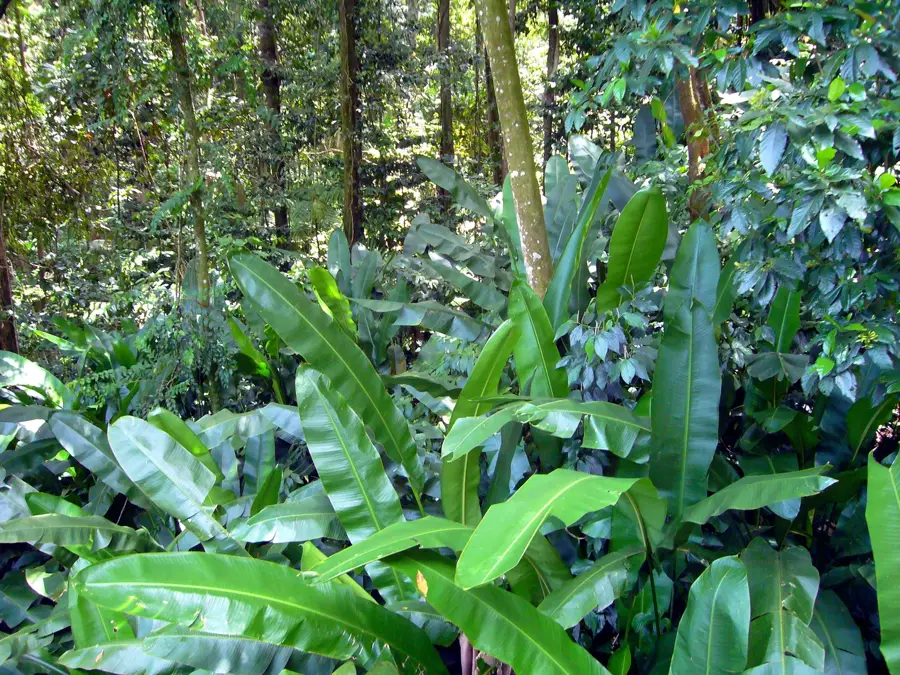
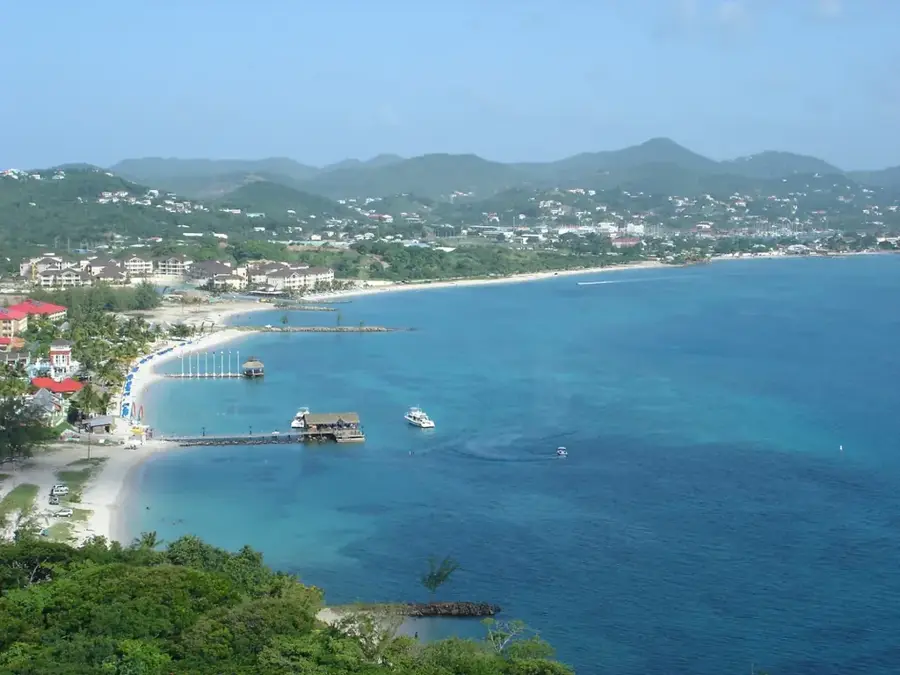
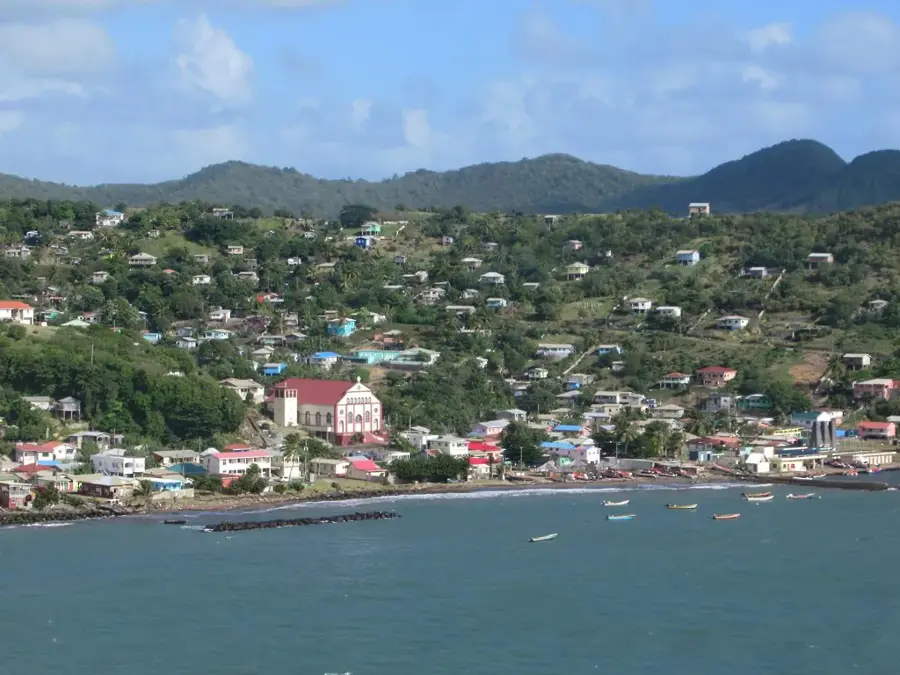
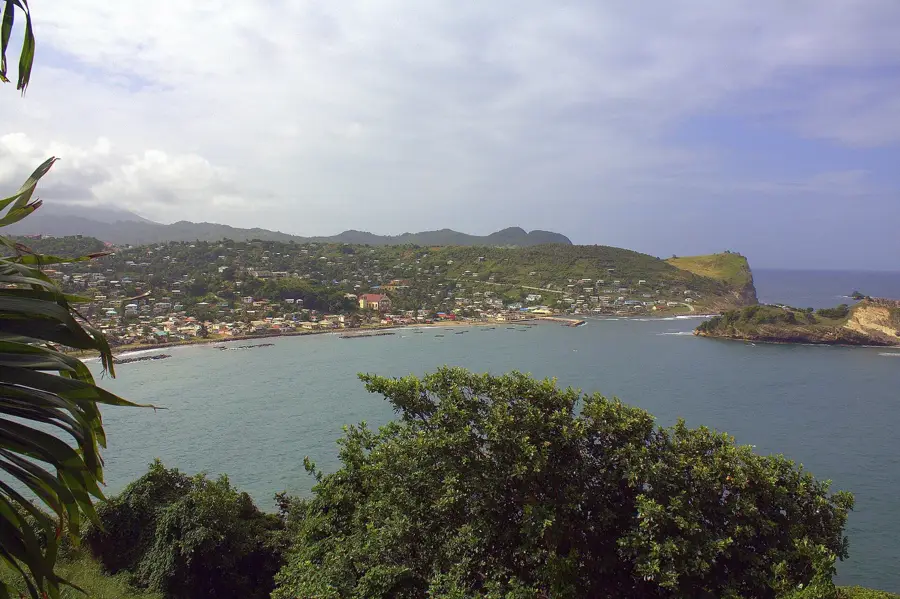
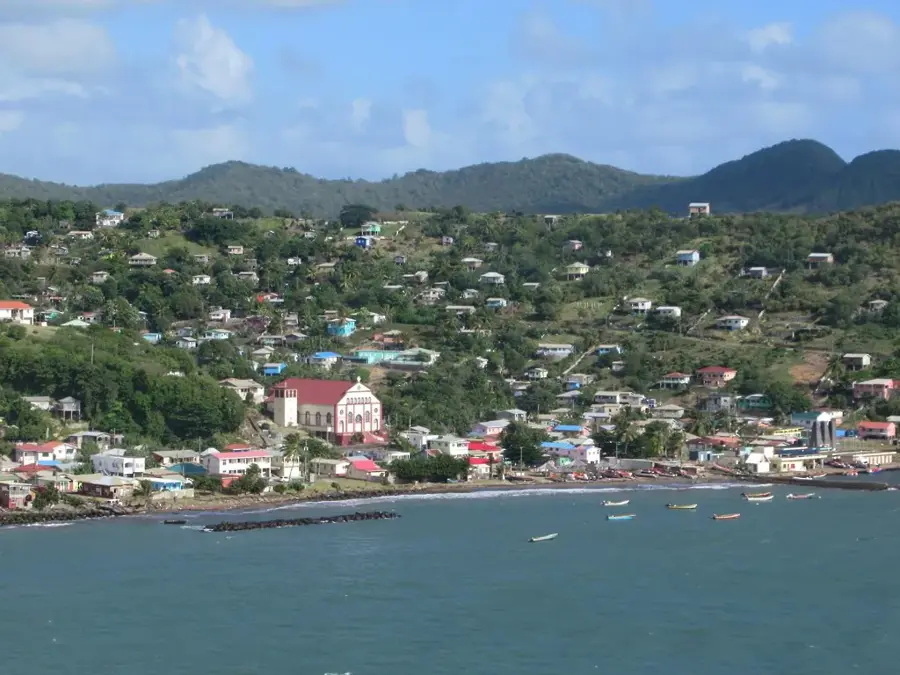
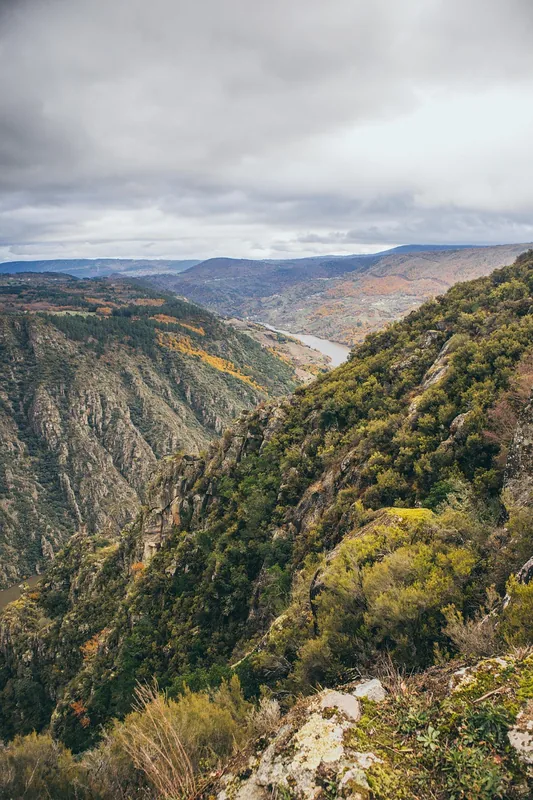
Piton Flore is a prominent mountain in the northern central range of Saint Lucia, standing at an elevation of 564 meters. While it may not share the global fame of the Gros and Petit Pitons in Soufrière, it is a significant natural landmark prized for its dense secondary rainforest and lush biodiversity. The mountain is part of a protected forest reserve, serving as a vital sanctuary for various island bird species and exotic flora. A well-known hiking trail winds its way to the summit, taking adventurers through thick jungle canopies and steep slopes that offer a true taste of Saint Lucia's interior wilderness. Reaching the top provides trekkers with sweeping panoramic views of the northern coastline and the Atlantic Ocean. Piton Flore is not only a destination for eco-tourism but also functions as an essential watershed for the northern part of the island, helping to regulate local water cycles and preserve the delicate balance of the tropical highland ecosystem.

Best time to visit & climate

The most pleasant time to visit is Jan–Mar.

JanFebMarAprMayJunJulAugSepOctNovDec
Avg °C262626272828282829282827
Rain mm6844489710213615418018218915985

📋 Practical info

🧭
Getting there
To access Piton Flore, visitors typically head towards the starting points located in the northern part of the island. Local transport or a brief drive usually connects the base to nearby towns, providing a straightforward approach before setting out on foot.
📅
Best season
The most favorable conditions for exploring the peak are normally found during the drier months from December to May. During this time, the weather patterns offer clearer skies and less slippery trails for a safer outdoor experience.
⛰️
Terrain & paths
The natural environment around the mountain features rugged paths and steep sections typical of the island's volcanic origins. The trails demand a reasonable level of physical fitness, especially since the area is known for lush vegetation and reaches 564 meters.
🎒
What to bring
Proper outdoor gear is essential, including sturdy hiking boots with excellent grip for the uneven ground. Visitors should always carry sufficient drinking water, reliable sun protection, and a lightweight waterproof jacket.
🅿️
Parking
Parking spaces can generally be found in designated public areas or alongside the main access roads near the starting points. Leaving vehicles in nearby towns and utilizing local transport is also a very common and practical alternative.
⚠️
Safety
Hikers are strongly advised to remain on marked trails to avoid dangerous drop-offs and disorienting dense vegetation. It is highly recommended to inform a local contact about your route and to consider hiring a registered guide for unfamiliar paths.
⏱️
Time needed
A typical exploration of this specific mountainous area usually takes between two to five hours, depending on individual pace and chosen trails. Factoring in extra time for scenic rest stops and changing weather conditions is a prudent strategy.

Geography

Coordinates
13.94500, -60.94500

Facts

  • Summit elevation is 564 meters above sea level.
  • Part of the Castries Waterworks Reserve.
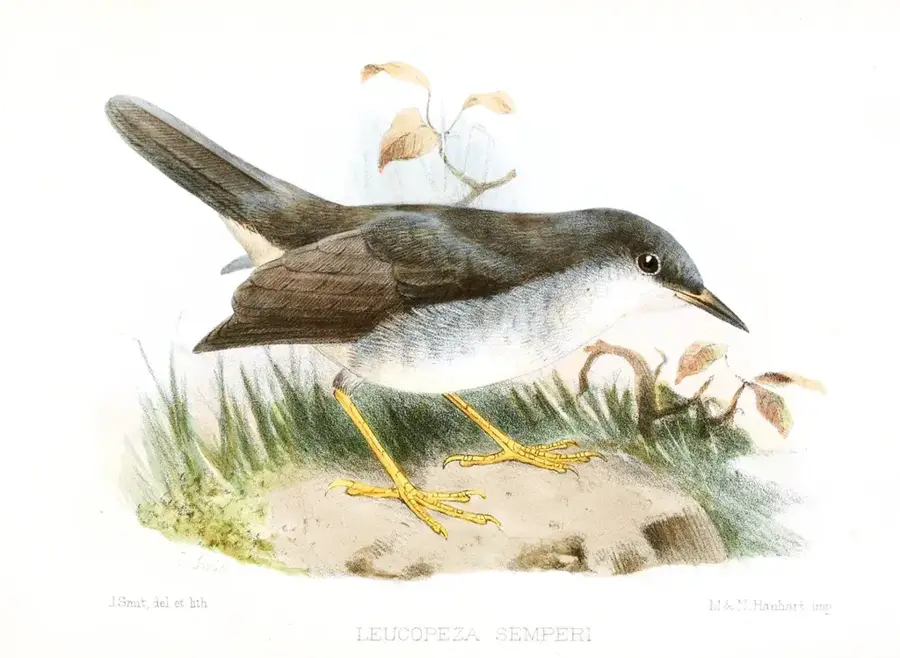
  • Important habitat for the Saint Lucia Warbler.
  • Serves as a catchment area for the Roseau Dam.
  • Accessible via trails from the Babonneau area.
  • Covered by dense secondary tropical rainforest.

Explore nearby

Notable places around
Route planner — Car & Motorhome

Where do you start? We build the route here, with stops and country notes along the way.

Vehicle
Only stops with (optional):

© OpenStreetMap contributors · OpenRouteService

Sights in the town Piton Flore (3)

Mabouya Valley📍 landmark

Mabouya Valley, a valley on Saint Lucia with agricultural fields and rolling hills.

Marc Marc📍 landmark

Marc Marc, a location on Saint Lucia known for its rural setting.

Ravine Poisson📍 landmark

Ravine Poisson, a ravine on Saint Lucia with a stream and thick vegetation.

Sights nearby

Frequently asked questions

Where does the Piton Flore hike start?
The trail usually starts in the Forestière area, east of Castries.
What is special about this trail?
It features an incredible variety of endemic plants and ferns.
Is the path well-marked?
No, like many forest trails on the island, it is often overgrown; a guide is advisable.
Can you see the Atlantic Ocean from the top?
Yes, in clear weather, you have a great view of the east coast and the ocean.
How difficult is the hike?
Moderately difficult; there are some steep sections that are slippery when wet.
Piton Flore: where is it located?
Piton Flore is located in St. Lucia.
Piton Flore: what is there to see?
Highlights include Mabouya Valley, Marc Marc, Ravine Poisson.
Piton Flore: when is the best time to visit?
The most pleasant time to visit is Jan, Mar.
Piton Flore: why is it worth visiting?

Piton Flore is a prominent mountain in the northern central range of Saint Lucia, standing at an elevation of 564 meters.
View on map → The Top 50 Attractions → OpenStreetMap →
North America
Explore with Plizio Discover more places in North America

Nearby cities